

New Lead-Carbon Composite Battery Technology Addresses Sulfate Degradation Problem in Energy Storage Batteries
2026-05-19
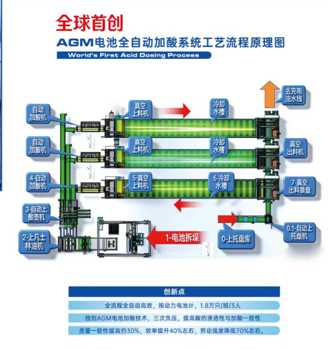
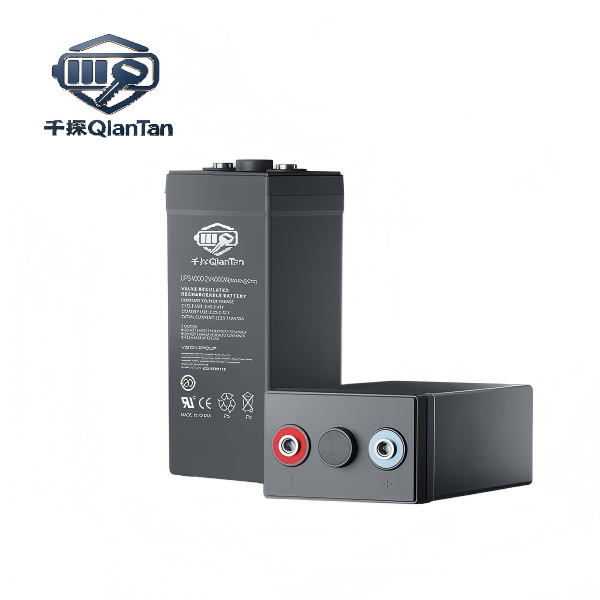
Traditional lead-acid batteries, after prolonged shallow charging and discharging, as well as frequent partial discharges, are prone to the formation of lead sulfate crystals on the negative electrode, which leads to irreversible capacity degradation. The advanced lead-carbon composite battery contains carbon-containing materials added to the negative electrode lead paste, which prevents sulfation at the material level and greatly increases the service life and charging ability. Compared to conventional lead-acid AGM batteries, the number of charge-discharge cycles is almost doubled, making it suitable for frequent charging conditions in industrial and commercial peak and valley energy storage systems, as well as wind and solar power.

The carbon material improves the conductivity of the negative electrode, greatly improving charging efficiency in low temperature environments, preventing the charging capacity of energy storage stations from significantly decreasing in winter. It maintains sealed, maintenance-free characteristics and offers both gel and AGM electrolyte structures compatible with external energy storage bays and internal energy storage cabinets. It is more resistant to high current fast charging and can quickly absorb excess energy during short periods of intense solar power production, reducing losses during power outages.
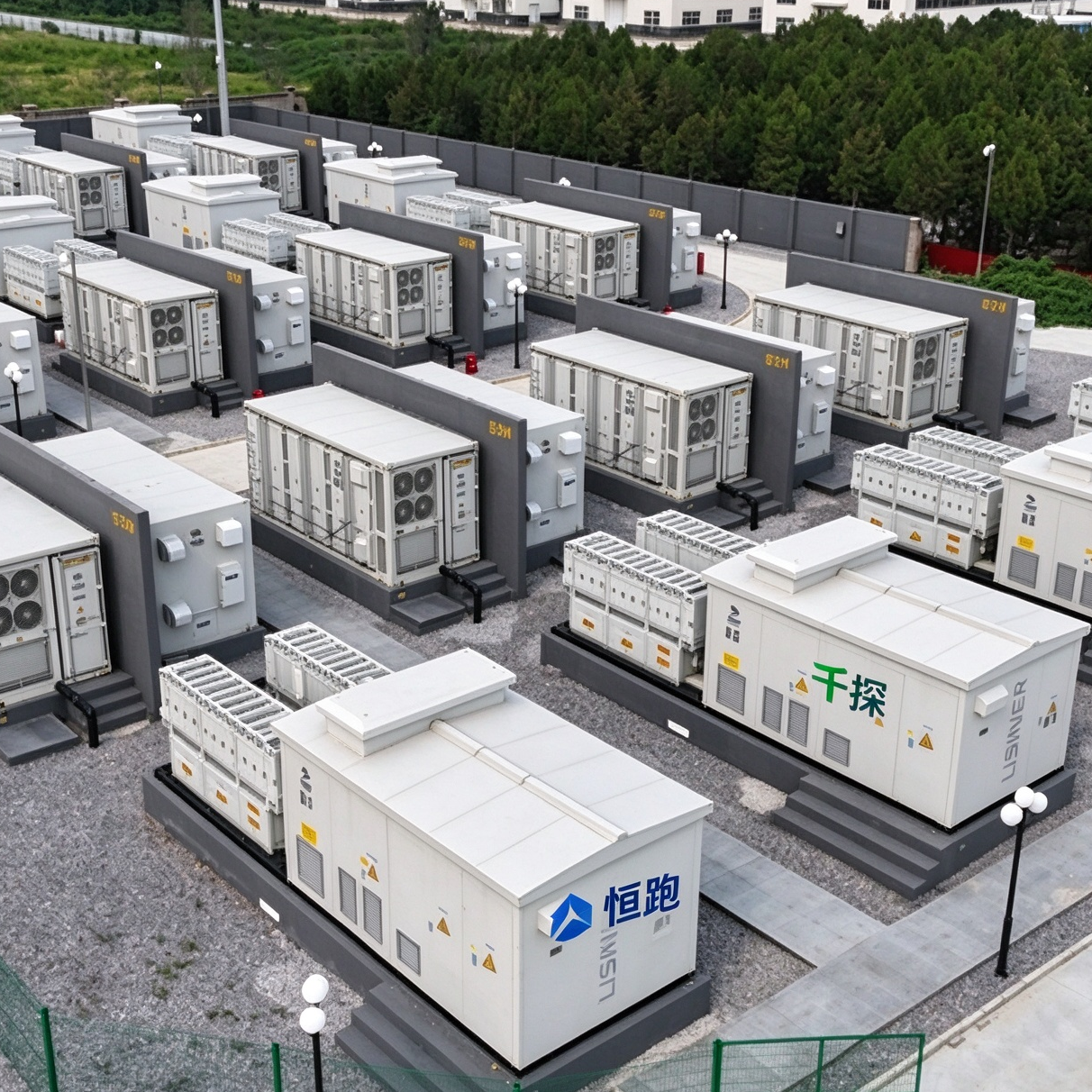
The housing meets the flame retardant sealing standard, and multi-level electrical protection prevents overcharging and damage to the plates from short circuits. The entire battery system uses a waste lead-acid battery recycling system, and carbon additives do not interfere with the metal refining and recycling process, striking a balance between increased productivity and environmentally friendly disposal. Currently, lead-carbon lead-acid batteries are gradually being used in small and medium-sized energy storage systems in industrial and commercial applications, as well as distributed photovoltaic energy storage systems, providing a balance between initial investment and long-term replacement costs in energy storage projects, and serve as a cost-effective alternative to lithium batteries for cycling energy storage.