
Global Stationary Lead-Acid Backup Battery Market Steady Growth: Market Size to Exceed RMB 64 Billion by 2032
2026-10-14
According to the latest data from Hengzhou Chengsi, the global stationary lead-acid backup battery market size was estimated at approximately RMB 48.67 billion in 2025. It is projected to reach RMB 64.24 billion by 2032, with a compound annual growth rate (CAGR) of 4.0% from 2026 to 2032. In 2025, global supply was 161.15 GWh with an average selling price of approximately US$41.77/kWh. These diverse performance highlights the continued growth of the stationary lead-acid backup battery segment, a traditional but still relevant energy storage category, amid expanding digital infrastructure and a global energy transition.
Mission critical solution: When power outages become commonplace, power backup becomes a standard element of infrastructure
In data centers, a power outage of just a few seconds can result in server downtime, data loss and millions of dollars in economic losses. At communications base stations, fluctuations in network parameters can cause signal failures affecting communications for thousands of users, and in hospital operating rooms, unstable power supplies directly threaten patient safety. A key advantage of stationary lead-acid backup batteries is their ability to deliver energy within milliseconds during grid outages or fluctuations, as well as intermittent renewable energy generation. They ensure the continuous operation of critical equipment, buying valuable time to start diesel generators or restore power from the grid.
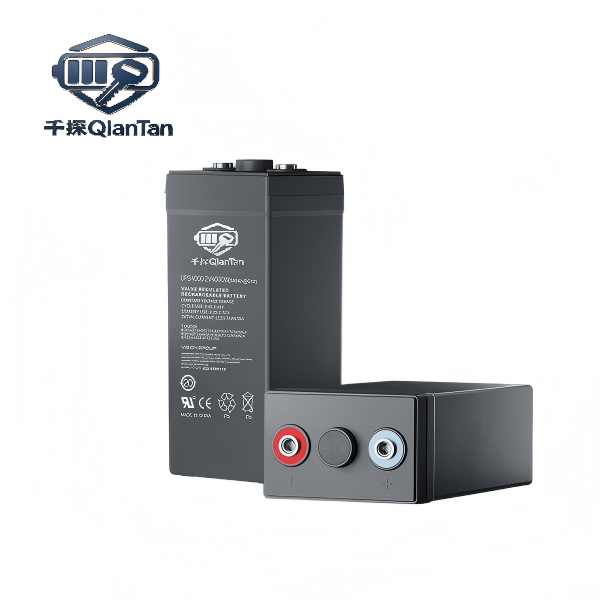
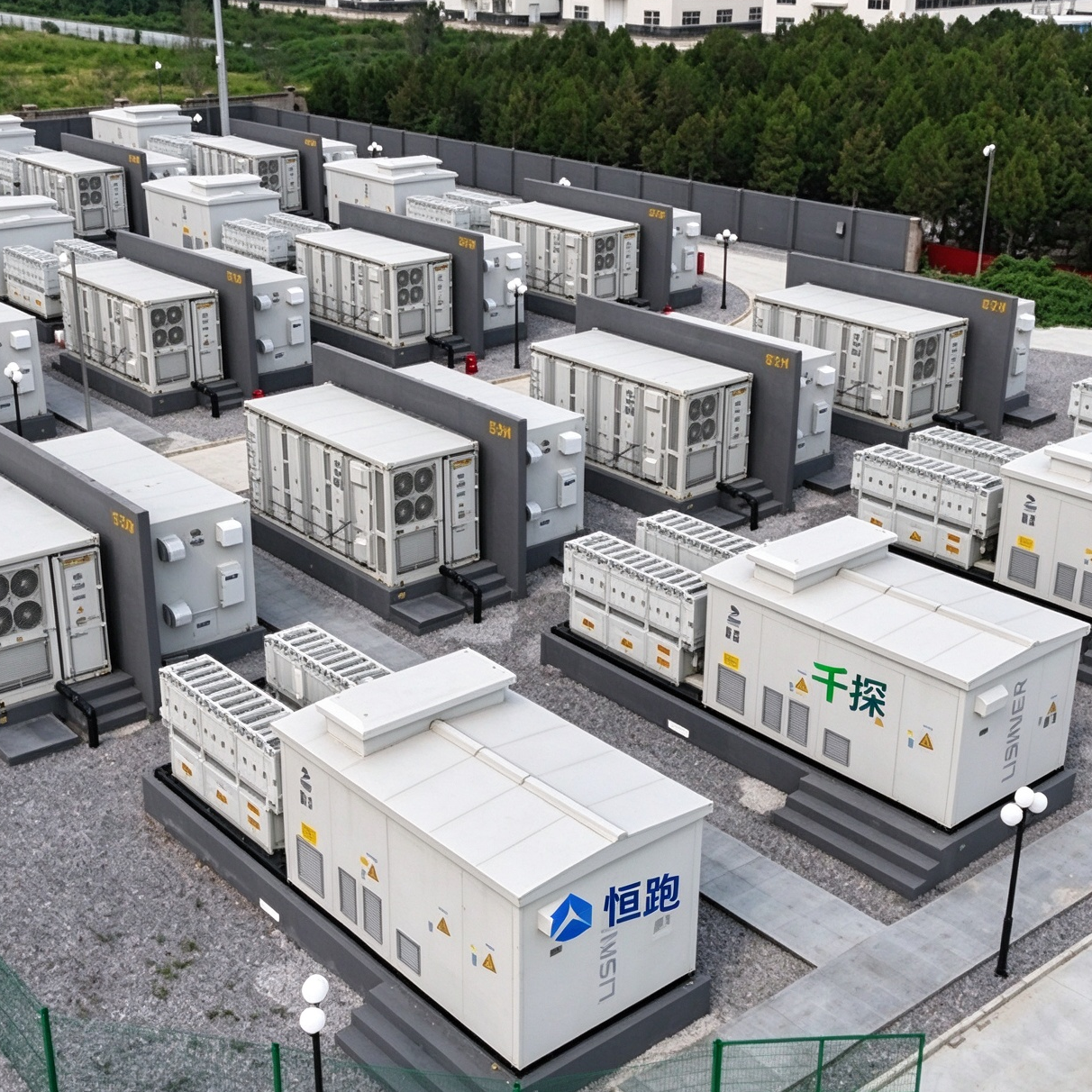
Unlike batteries used to start car engines or power electric two-wheelers, these batteries are usually in a constant recharge mode (buffer mode) or in a state of readiness that allows them to immediately come into service in a critical situation. The product range ranges from 2V stationary cells, 12V battery packs and 48V telecommunications modules to other types of stationary battery systems. They are widely used in telecommunications networks, data centers (DPCs), commercial buildings, power supply systems, industrial facilities, transportation (including rail), security systems, emergency lighting and off-grid power systems. Regional picture: Asia-Pacific is a global leader; North America and Europe rely on solutions with increased reliability.
The Asia-Pacific region is the world's largest market for stationary lead-acid batteries. Thanks to the large-scale development of telecommunications infrastructure, expansion of data center networks, industrial growth and a developed manufacturing ecosystem, China has become the world's main center for both the production and consumption of these products. Chinese enterprises - such as Leoch International, Shuangdeng Group, Narada Power, Sacred Sun, Vision Group, Ritar Power and Tianneng Holdings - take advantage of developed supply chains and powerful manufacturing resources, enjoying a dominant position in the domestic market and aggressively expanding their presence abroad. The growth of the Indian market is driven by the development of telecommunications infrastructure and the need for reliable energy supply; Regional leaders such as Amara Raja and Exide Industries retain significant influence here. Southeast Asian countries are benefiting from investment in digital infrastructure and relocation of manufacturing capacity, driving demand growth above the global average.
North America and Europe form the second tier of markets where consumers place particular emphasis on product certification, lifecycle performance and supplier reliability. International brands - including EnerSys, C&D Technologies, East Penn Manufacturing, GS Yuasa, HOPPECKE, FIAMM, Exide Technologies and Stryten Energy - have established strong footholds in the high-end uninterruptible power supply (UPS), data center, power systems and industrial backup power segments based on brand recognition, technical expertise and customer compliance certifications. The North American market is driven by data center construction and the need to ensure grid reliability, while the European market continues to see strong demand for backup power systems to support renewable energy and industrial modernization.
Emerging markets (Southeast Asia, Latin America, the Middle East and Africa) offer additional growth potential due to infrastructure development, expanding grid coverage and growing demand for power backup solutions.
Competitive environment: international brands dominate the high-end product segment; Chinese enterprises are leaders in large-scale production
In the global market for stationary lead-acid batteries, there is competition between leading international companies and large Chinese manufacturers. The market landscape is characterized by differentiation by brands, technologies, scale of activity and price categories. Key international players include: EnerSys (USA) - a global leader in the production of industrial batteries with deep expertise in the markets for backup power systems for data centers (DPCs) and telecommunications; Exide Technologies (USA), which occupies a significant position in the global market of stationary backup power systems; Stryten Energy (USA), specializing in energy storage systems for grids and industrial backup power; C&D Technologies (USA), which has an extensive customer base in the telecommunications and UPS batteries sectors; East Penn Manufacturing (USA) is one of the largest independent battery manufacturers in North America, known for its high-quality AGM batteries; GS Yuasa (Japan) is an industry giant with high brand recognition in the segment of reliable backup power systems; HOPPECKE (Germany) - representative of European manufacturers of premium industrial batteries; and FIAMM Energy Technology (Italy), which remains competitive in the European power backup and industrial battery markets.
Chinese enterprises include: Leoch International, a leading global supplier of backup batteries with broad coverage of the telecommunications and UPS markets; Shuangdeng Group, which has been operating in the communications base station power backup sector for many years and has a significant share of the domestic market; Narada Power, which is actively expanding its presence in the data center and industrial backup power segments; Sacred Sun and Vision Group, present in both the domestic and international power backup markets; and RuiDa Power and Tianneng Holdings, which compete globally through economies of scale and cost advantages. Businesses such as Meimei Battery and Kung Long Batteries maintain strong positions in the markets of Taiwan and the Asia-Pacific region.
In addition, Amara Raja and Exide Industries have significant positions in the Indian market, while Sebang and Hankook & Company remain highly competitive in South Korea and adjacent markets.
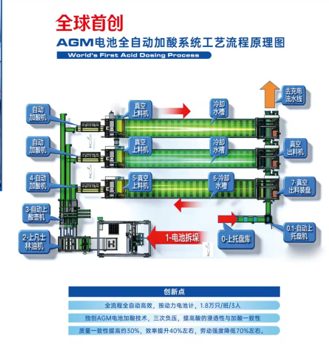
Product and technology trends: Accelerating the adoption of high-performance solutions, upgrading equipment to meet data center needs, and creating a competitive advantage through lead recycling technologies. AGM/VRLA batteries remain the dominant product in the global market. Their mature technology, cost-effectiveness and wide range of applications make them the largest market share in segments such as telecommunications backup power, uninterruptible power supply (UPS) systems, commercial power backup systems and small and medium-sized industrial equipment. At the same time, high-efficiency solutions such as tubular plate gel (OPzV), wet stationary (OPzS), pure lead (TPPL) and lead-carbon batteries are increasingly occupying niches that require long cycle life, the ability to withstand high discharge currents and deep discharge cycles, and resistance to harsh operating conditions. TPPL batteries, characterized by high power density and long service life in buffer mode, are rapidly replacing standard AGM solutions in the UPS segment for high-performance data centers (DPCs). In turn, OPzV gel batteries remain in high demand in renewable energy support systems and autonomous power systems due to the fact that they do not require maintenance and are capable of operating in deep cyclic discharge mode.
Data centers have become a major driver for product upgrades. The expansion of cloud computing infrastructure and the sharp increase in demand for computing power for artificial intelligence have raised the reliability requirements of data center backup systems to unprecedented levels. Large data centers are increasingly turning to TPPL or high-efficiency VRLA batteries to provide higher power densities and longer battery life in a limited footprint. This trend is transforming stationary lead-acid batteries from a “standard commodity” category to a “high-value specialty product” category, thereby increasing the overall value proposition of the industry.
Lead recycling systems create long-term competitive advantage. With recycling rates of up to 99%, lead-acid batteries offer a unique sustainability advantage as global environmental regulations tighten. Developed lead collection and recycling networks not only reduce the risks associated with the supply of raw materials, but also ensure that lead-acid batteries are superior to lithium batteries (for which there is often no established recycling infrastructure) in terms of total environmental impact over the entire life cycle. Large enterprises that are able to integrate lead recycling into their operations will continue to strengthen their competitive position through effective cost control and stable supply chains.