
Long life lead acid batteries specifically designed to power DC panels provide reliable substation protection relay operation
2026-05-13
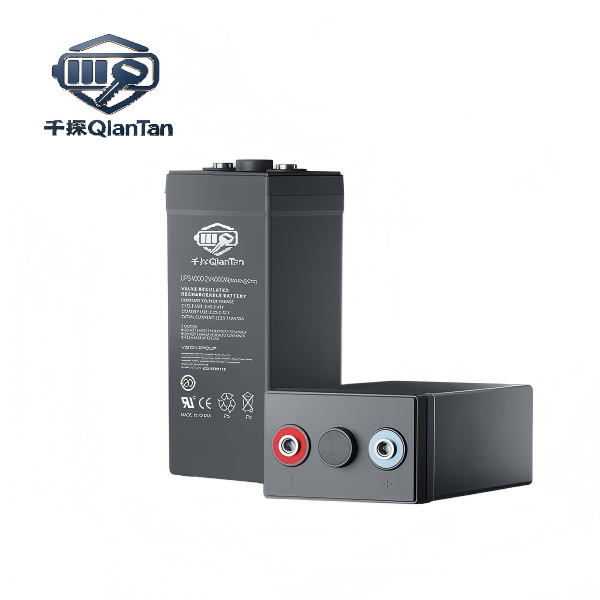
Substations and switchgears use high-capacity lead-acid batteries with a fixed voltage of 2V for DC power, providing emergency power for opening and closing high-voltage circuit breakers, relay protection and emergency lighting. CL long life, valve regulated 2V lead acid batteries are specially designed to work in DC panels. Thickened positive electrode plates combined with multi-component corrosion-resistant alloy significantly slow down plate corrosion. At a constant charging temperature of 25℃, the design service life can reach 15 years, which corresponds to the long operation and maintenance cycle of power systems and reduces the frequency of battery replacement at substations.

Individual standard 2V cells can be connected in series and parallel to flexibly match the voltage levels of standard 220V and 110V DC panels. High current discharge is not accompanied by significant voltage drop, and sufficient operating current can be instantly supplied during grid failures, ensuring the safe shutdown of high-voltage equipment and preventing the escalation of grid faults. The sealed AGM design prevents electrolyte leakage, and the dense environment of the DC power panel housing will not cause corrosion or floor contamination.
With a built-in independent pressure relief valve, the gas generated during overcharging is absorbed internally, minimizing the release of acid mist and protecting the precision protection relays inside the substation. Thanks to strict self-discharge control, the substation can maintain sufficient power during long periods of downtime at low load, charging only once a quarter. The high-strength, thickened housing can withstand changes in ventilation and temperature inside the substation, and its earthquake-resistant design is suitable for the vibration environment of substation equipment. This series of lead-acid batteries are widely used in the DC systems of new and upgraded substations throughout China, making them an indispensable solution for backup energy storage in power infrastructure.