

Maintenance Methods for Lead-Acid Batteries in Communications Base Stations: Temperature Directly Determines Battery Life
2026-07-12
The life of temperature-regulated lead-acid batteries is highly dependent on the ambient temperature. For every 10°C increase in temperature in base station equipment rooms and outdoor integrated cabinets, battery life in float charge mode is reduced by half. Proper temperature control is the primary method for extending the life of lead-acid batteries. The optimal operating temperature for lead-acid batteries is 25°C; Batteries in temperature-controlled environments can achieve a nominal design life of 10 to 12 years. In non-air-conditioned outdoor base stations, where indoor temperatures reach 50°C in the summer, conventional lead-acid batteries exhibit significant capacity degradation over 3-5 years.

In high-temperature environments, dedicated high-temperature lead-acid batteries may be used in combination with forced ventilation and cabinet heat dissipation to reduce the operating temperature of the battery surface. For low-temperature base stations in northern regions, a simple isolation chamber can be installed to prevent capacity loss due to low-temperature discharge in winter. During maintenance, the voltage and internal resistance of individual batteries should be measured regularly. In high temperature environments, the internal resistance of the battery increases faster. Excessive internal resistance deviation indicates wear of the plates, which must be replaced in advance to avoid power outage at the base station.
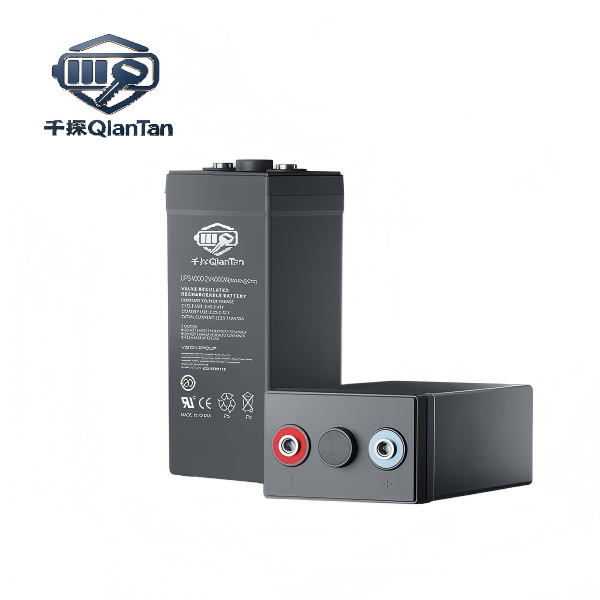
The narrow, elongated front case for lead-acid batteries provides ample heat dissipation channels, resulting in a lower overall temperature rise after assembly compared to traditional prismatic batteries, making it more suitable for base stations with high battery densities. Colloidal tubular lead acid batteries exhibit superior high temperature stability compared to conventional AGM lead acid batteries, making them the preferred choice for long-term outdoor use at high temperatures. Proper environmental temperature management and selection of appropriate heat-resistant models can significantly reduce lead-acid battery replacement costs for communications base stations and reduce the amount of maintenance work required for base stations in mountainous and suburban areas.