

Key Points When Selecting Lead Acid Batteries for Small UPS Systems: The Difference Between Standby and Cycling Use
2026-07-06
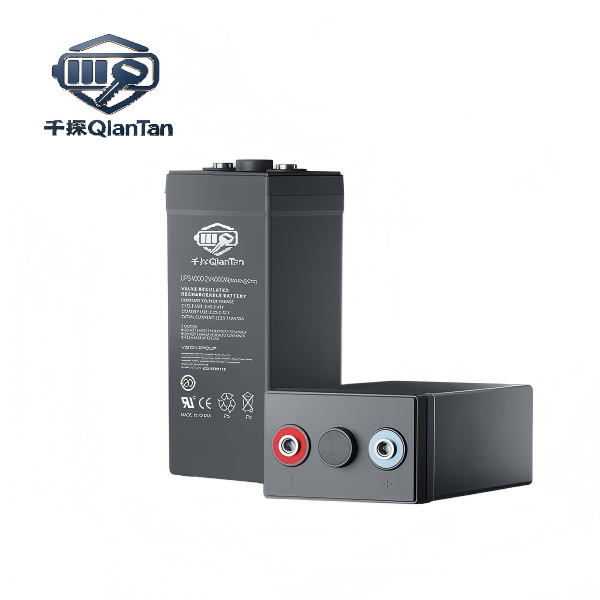
Small and medium-sized uninterruptible power supplies (UPS) are divided into two categories: short-term backup in the office and daily cyclic power supply to equipment. The characteristics of suitable lead-acid batteries vary widely, and the wrong choice can significantly reduce the life of the batteries. For short-duration office UPS systems that shut down for only 10 to 30 minutes when the main power is lost, high discharge rate AGM lead acid batteries are preferred, providing instantaneous high current output and long float charge life suitable for year-round backup.

Daily cycling UPS systems used in industrial equipment require modified deep cycle lead acid batteries. They have thicker plates and an anti-sulfate formula to withstand full daily charge and discharge, preventing significant short-term capacity loss. For the same capacity, lead-acid backup batteries are more affordable, while cyclic batteries are suitable for frequent charge and discharge cycles and should not be mixed or replaced. Both battery types feature a sealed, maintenance-free design and can be rack mounted without a separate ventilated server room. However, cyclic lead-acid batteries have higher charging current matching requirements and require an appropriate charging control module.
All battery housings are made from flame retardant and sealed materials suitable for confined spaces in low voltage electrical rooms. They have a low self-discharge rate, which ensures that they will not run out of charge and become unusable, even in standby mode during the holidays. Scheduled maintenance only requires quarterly voltage checks of the entire system; any individual cell with an excessive voltage difference must be balanced immediately. Selecting the appropriate series of lead-acid batteries according to the operating conditions can extend battery life and reduce the frequency of battery replacement in UPS systems - this is the basic knowledge for maintaining low-voltage power grids in office buildings and small manufacturing workshops.