
High Capacity 2V Stationary Lead-Acid Battery to Create Stable Power Systems for Large-Scale Photovoltaic Energy Storage Systems
2026-06-24
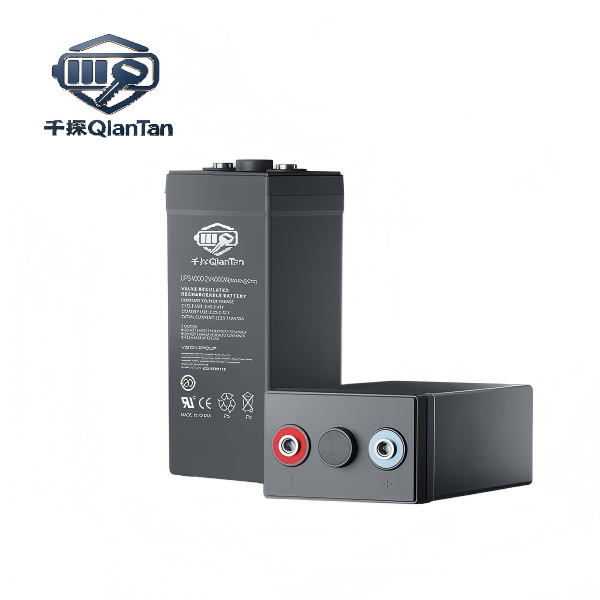
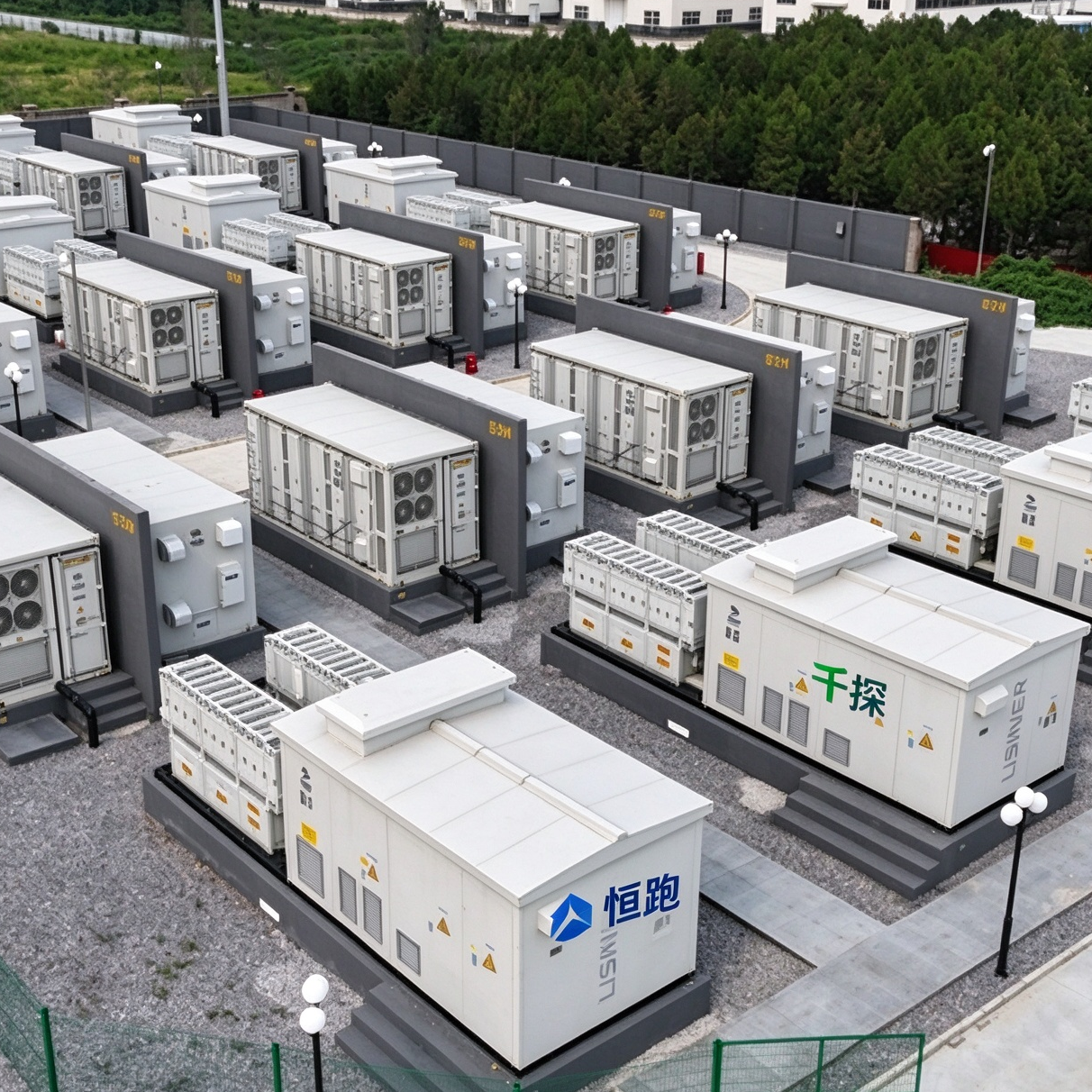
Village-scale energy storage systems of hundreds of kilowatts and large stand-alone power plants require high-capacity energy storage devices. Single-cell, long-life stationary lead-acid batteries with high capacity per cell reduce the number of batteries connected in series, reducing the likelihood of overall energy storage system failure. Individual cell capacities range from 50 Ah to 3000 Ah, and multi-cell batteries connected in parallel can be freely combined to create hundreds of kilowatt-hours of energy storage systems, suitable for daytime photovoltaic energy generation and storage, as well as continuous energy release at night.

Thickened tubular plates improve resistance to deep discharge cycles, and the colloidal solidified electrolyte prevents electrolyte stratification at high ambient temperatures, resulting in slow capacity loss during long-term operation in open energy storage chambers. Sealed, valve-controlled design requires no maintenance; A power plant with energy storage can run unattended for months, requiring only remote data monitoring without opening on site to replenish the electrolyte. Wide operating temperature range adapts to large temperature differences between day and night in the field, providing stable charging and discharging in both the cold temperatures of northern winters and the intense heat of southern summer months.
The centralized cabinet-type design is compatible with standard battery compartment layouts in energy storage power plants. Independent heat dissipation gaps ensure uniform temperatures throughout the battery pack, extending the life of the entire energy storage device. Equipped with a voltage harvesting interface, it can be connected to an energy storage control system to remotely monitor the voltage and internal resistance of each individual cell and predict failures due to wafer aging in advance. Currently, many rural centralized photovoltaic energy storage and off-grid power supply projects use high-capacity 2V lead-acid batteries.