

Key differences between colloidal lead acid and AGM batteries: Which one should you choose for your energy storage scenarios?
2026-07-18
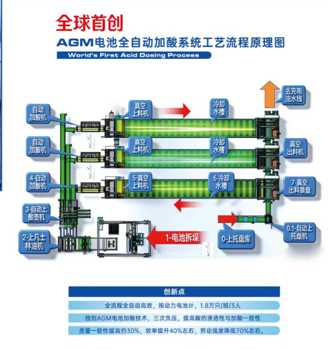
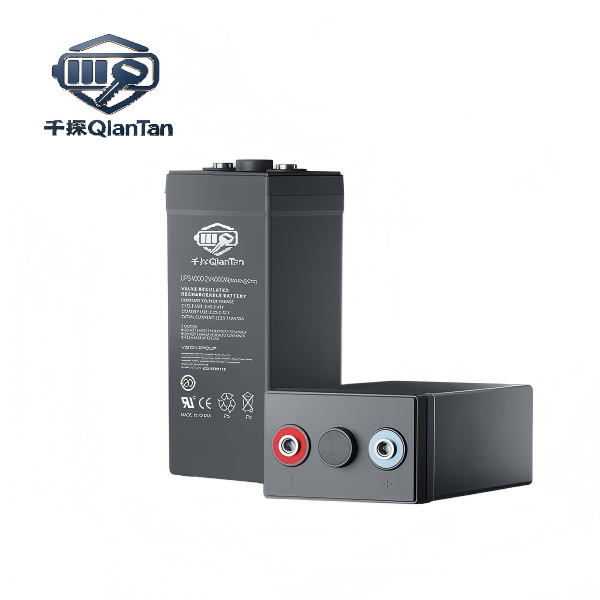
Both are valve-regulated sealed lead acid systems, but the adsorption structure of the AGM battery and the colloidal gel electrolyte structure are clearly different for different application scenarios. Neither is fundamentally superior to the other; each has its own advantages for specific operating conditions. AGM batteries use ultra-fine glass fiber to adsorb the electrolyte, resulting in lower internal resistance and outstanding instant discharge performance at high currents. It is suitable for short-term, high-power emergencies in UPS and communications equipment areas. It provides consistent service life in sealed, temperature-controlled environments, and its slim, compact design allows it to fit into standard battery cabinets.

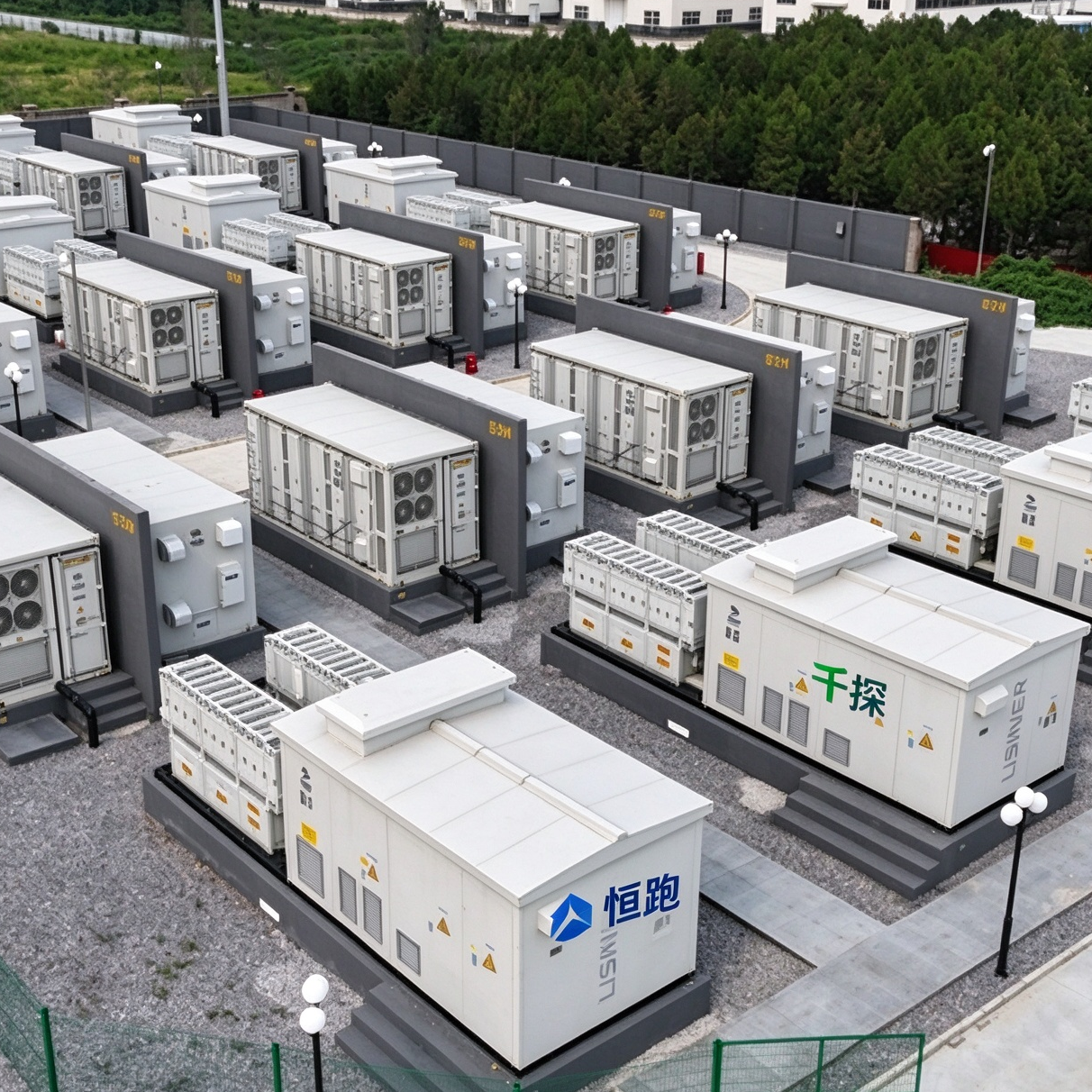
Colloidal lead-acid batteries use nanosilicon to solidify the electrolyte, preventing delamination and loss of electrolyte. They are more resistant to high temperatures and deep discharge, making them suitable for outdoor PV energy storage systems, high-temperature non-air-conditioned base stations, and high cycling energy storage scenarios. However, their internal resistance is slightly higher than AGMs and their instantaneous discharge power is lower, making them more suitable for long-term charge-discharge conditions.
Both products provide maintenance-free sealing, eliminate acid mist leakage, and can be installed in sealed areas. Both lead materials are 100% recyclable. For controlled temperatures in computer rooms and backup power in case of short-term power outages, AGM series batteries are preferred; For outdoor PV energy storage systems, long-term high temperature energy storage projects, and daily deep charge/discharge energy storage projects, gel tubular lead acid batteries are suitable. Selecting the appropriate model based on ambient temperature, charge-discharge cycle frequency, and required discharge power maximizes the life of lead-acid batteries and reduces the overall operating and maintenance costs of the energy storage system.