

Rack cabling eliminates the need to flip batteries; Front-mounted lead-acid batteries solve maintenance problems in data centers
2026-04-13
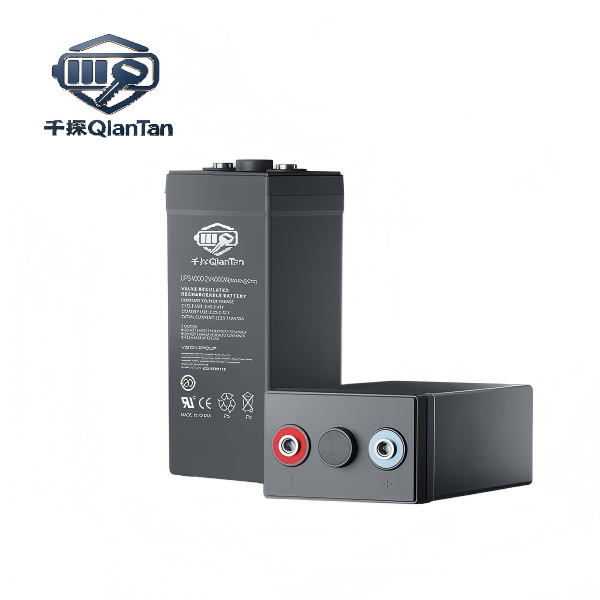
High-density server rooms and small to medium-sized data centers typically use standard 19-inch racks to store spare batteries. Traditionally, all connectors for top-mounted lead-acid batteries are located on the top. When stacking batteries in a rack, checking the voltage of the bottom layer batteries and securing the connections requires removing and lifting the batteries, which is a cumbersome process and increases the risk of damaging the wiring. Front-mounted, narrow-type, valve-regulated lead-acid batteries feature optimized shape and terminal placement. The positive and negative terminals are evenly spaced on the narrow front of the battery, allowing complete inspection without moving the equipment.

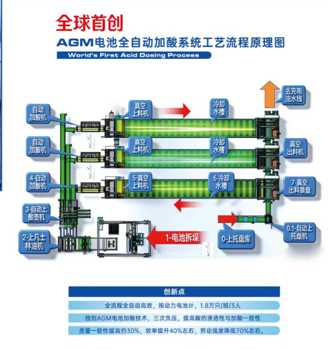
The product uses AGM adsorption separators to ensure complete adsorption of the electrolyte into the glass fiber, eliminating the presence of free liquid and achieving a sealing efficiency exceeding 99%. There is no need to add water during operation, and there is no acid mist that can cause corrosion of metal components of server switches and servers. The housing is made of V0 grade flame retardant ABS plastic and features a built-in safety valve that automatically releases internal gas in the event of abnormal surges in charging pressure, preventing bloating and fire hazards. The interior uses a multi-layer lead-calcium grid that enhances corrosion resistance and provides a float charge life of up to 12 years at 25°C.
The long chassis allows batteries to be installed in standard racks, and the narrow design provides side ventilation channels that dissipate heat more evenly from the battery pack and reduce capacity degradation caused by high temperatures and confined data center environments. Operates in temperatures from -15°C to 45°C, suitable for both urban data centers and outdoor integrated communications power cabinets. Currently, this type of lead-acid battery is widely used in 5G base station aggregation rooms, small and medium-sized IDC data centers, and railway signal rooms, greatly reducing on-site maintenance staff time and becoming the mainstream lead-acid battery solution for rack backup power.