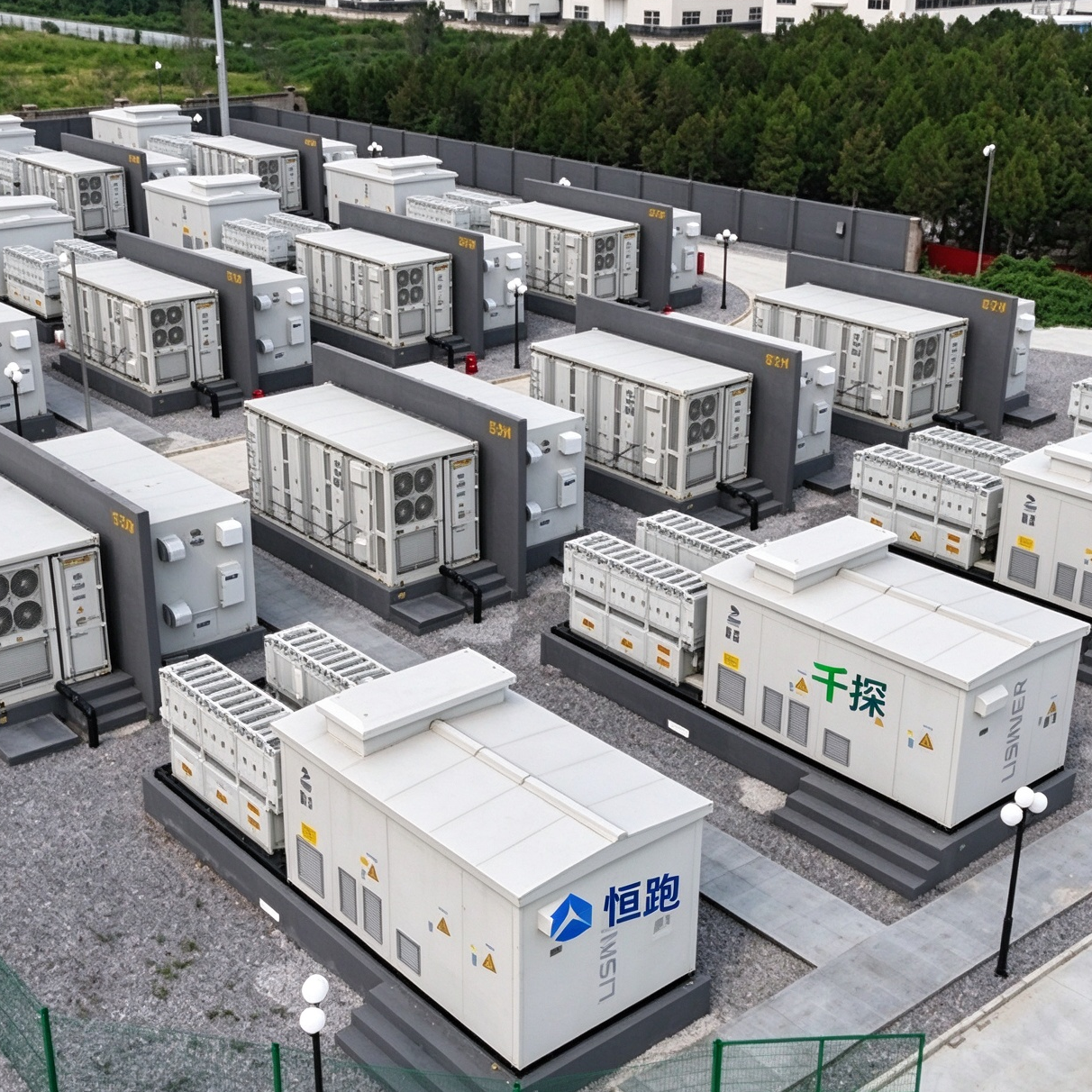


Lead-acid battery 6V: price from the manufacturer
2026-10-07
- 6V Lead Acid Battery: Specifications and Pricing Factors
- Factors shaping the price of a 6V lead-acid battery
- Industrial scenarios for using 6V batteries
- How to choose a reliable manufacturer and check the quality
- Technical parameters and specifications
- Frequently asked questions (FAQ)
- Conclusion and recommendations for purchasing
6V Lead Acid Battery: Specifications and Pricing Factors
In industrial energy and backup power systemslead acid battery 6Voccupies a niche that requires a balance between compactness, capacity and reliability. Unlike standard 12-volt units, six-volt batteries are often used in series connections to provide 24V, 36V or 48V voltages, which are critical for traction equipment, UPS (uninterruptible power supply) systems and specialty electronics. The request “price from the manufacturer” reflects the desire of industrial buyers and integrators to minimize logistics costs and intermediary markups, while receiving a product that meets strict technical regulations.
The cost of such batteries is not a fixed value and depends on many engineering parameters: the type of electrolyte (liquid, AGM or gel), the design of the plates, the thickness of the separators and the quality of the lead alloy. Understanding these parameters allows you to avoid mistakes when choosing a supplier and ensure the longevity of the energy system. Nanjing Qiantan Energy Storage Technology LLC, with more than 30 years of experience in the industry, offers an integrated approach to the production and supply of battery solutions, where the price is based on transparent calculation of materials and technological processes, rather than marketing add-ons.
Architecture and operating principle of 6-volt batteries
The nominal voltage of a lead-acid cell is approximately 2.1–2.15 V. Therefore, a 6-volt battery is structurally composed of three cells (monoblocks) connected in series. This fundamental difference determines the internal geometry of the housing and the arrangement of the terminals. In industrial applications such as warehouse material handling equipment or telecommunications backup systems, the use of 6V batteries optimizes the layout of battery cabinets and reduces the risks of voltage imbalances associated with long strings of 12V units.
The key factor influencing price and performance is the wafer technology. The products of Nanjing Qiantan Energy Storage Technology LLC use various methods of lead alloying (calcium-tin or antimony alloys), which directly affects the corrosion resistance of the gratings and the gas release rate. For applications requiring deep discharge (for example, EV series traction batteries), a tubular plate design is used, providing a service life of up to 1500 cycles at a discharge depth of 80%. For buffer modes (CP and OPzV series), the priority is voltage stability during a floating charge and a service life of up to 10–12 years.
Factors shaping the price of a 6V lead-acid battery
When requesting a commercial proposal for a batch of batteries, buyers are often faced with a significant range of prices. The difference can reach 20–30% between the products of different factories. This gap is due not only to the brand, but also to real material-intensive characteristics that cannot be determined visually without laboratory analysis.
- Weight and lead content.Lead accounts for up to 60–70% of the raw material cost of a battery. A heavier battery with the same dimensions usually contains more active material, which provides greater capacity and service life. Cheap analogs often save on the weight of the plates by using thinner grids, which leads to rapid degradation and loss of capacity after just a year of operation.
- Type of separator and electrolyte.The use of high-quality microporous AGM separators or gelling additives (silica gel) increases the cost of production, but radically changes the performance properties. Gel batteries (for example, the OPzV series from Nanjing Qiantan LLC) withstand deep discharges and high temperatures better than conventional liquid models.
- Plate formation technology.The molding process (first charge) requires time and energy. Accelerated technologies reduce costs, but worsen the crystal structure of the active mass. The full molding cycle used on modern lines of Nanjing Qiantan Energy Storage Technology LLC guarantees stable performance from the first day of operation.
- Quality control and certification.The presence of international certificates (ISO, IEC) and final control of each batch (tests for tightness, internal resistance, capacity) add to the price, but reduce the risk of defects. The lack of such infrastructure among artisanal producers allows dumping, but shifts the risk of refusal to the buyer.
Comparative analysis of technologies: AGM vs Gel and Flooded
The choice of technology determines not only the initial price, but also the total cost of ownership (TCO). Below is a comparison of the main types of 6V batteries available in the range of industrial solutions.
| Parameter | Liquid (Flooded) | AGM (Absorbent Glass Mat) | Gel |
|---|---|---|---|
| Cost | Low | Average | High |
| Service | Requires topping up water | Maintenance-free | Maintenance-free |
| Cyclic resource | 300–500 cycles | 500–800 cycles | 800–1200+ cycles |
| Temperature sensitivity | Average | High (degradation at >45°C) | Low (resistant up to 50°C) |
| Application | Starter systems, budget UPS | UPS, telecom, light transport | Solar energy, deep discharge, hot climate |
| Transportation safety | Limitations (hazard class) | High (non-spillable) | High (non-spillable) |
Engineering Opinion: For systems that operate in environments with unstable temperatures or frequent deep discharges (for example, autonomous lighting or medical equipment), the initial savings on AGM batteries often result in replacing the entire battery ahead of schedule. In such cases, gel solutions, despite the higher input price, turn out to be more economical over a 3-5 year horizon.
Industrial scenarios for using 6V batteries
Six-volt batteries are not a one-size-fits-all solution. Their use is dictated by the specifics of the equipment and safety requirements. Let's look at two typical industrial cases where the choice of the 6V format is justified by engineering.
Case 1: Traction equipment and warehouse logistics
Electric forklifts, stackers and platforms often use 24V or 36V batteries. Assembling such systems from 6V blocks (4 or 6 pieces in a daisy chain) is preferable to using 12V blocks for two reasons. First, fewer cells in each monoblock reduces the risk of internal short circuits and makes balancing easier. Secondly, the physical size of 6V high-capacity batteries (for example, 200–300 Ah) is more convenient for placement in narrow battery compartments of equipment.
In this scenario, resistance to vibration and deep discharge is critical. Nanjing Qiantan Energy Storage Technologies LLC recommends for such tasks EV series traction batteries with reinforced separators and a special active mass formula that prevents the plate from shedding during intensive cyclic operation. A mistake in choosing a conventional starter battery here will lead to failure in 3-4 months.
Case 2: Telecommunications backup power systems and UPS
Server rooms and communication base stations often require 48V. Traditionally this is achieved by connecting four 12V batteries, but some compact cabinets or specific inverter architectures use strings of 6V cells for more flexible capacity settings and improved heat dissipation. The key parameter here is voltage stability during floating charge and low self-discharge current.
For such conditions, stationary batteries of the CP series or high-temperature solutions are optimal. Nanjing Qiantan LLC engineers take into account that in closed cabinets the temperature can exceed 30°C, so special stabilizing additives are introduced into the electrolyte to slow down the corrosion of the positive plates. This allows the design life to be maintained even in non-ideal climatic conditions, as proven by projects in countries with hot climates such as Iran, Pakistan and Vietnam.
How to choose a reliable manufacturer and check the quality
The market is saturated with offers, but not all manufacturers have real expertise. When evaluating a supplierlead acid batteries 6VYou should pay attention to the following aspects that distinguish a full-cycle plant from an assembly shop:
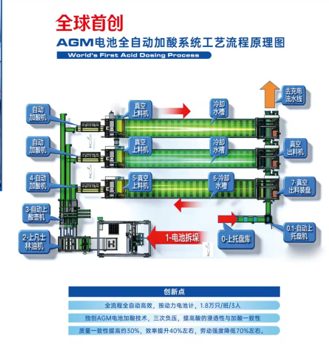
- Vertical integration of production.The manufacturer's ability to independently produce lead gratings, paste and assembly indicates quality control at every stage. Nanjing Qiantan Energy Storage Technology LLC has a complete technological cycle, including automated assembly lines and acid filling systems, which eliminates the influence of third-party defective components.
- Availability of laboratory and testing equipment.The plant must be able to conduct tests for capacity, internal resistance and valve tightness (for VRLA batteries). Request type batch test reports.
- Specification transparency.The technical data sheet must indicate not only the nominal capacity, but also the discharge currents for different time intervals (10 hours, 5 hours, 1 hour, 30 minutes), as well as the dependence of the capacity on temperature. The absence of such graphs is a sign of a low-quality product.
- Environmental responsibility.Recycling lead is a dangerous process. Having a certified recycling facility like Nanjing Qiantan LLC demonstrates compliance with environmental regulations and long-term business sustainability, which is important for large corporate clients that comply with ESG principles.
Logistics and export features
When ordering batteries from a manufacturer from abroad, it is necessary to take into account the rules for transporting dangerous goods. Lead-acid batteries belong to the 8th hazard class. A professional supplier is required to provide a complete package of documents: MSDS (Safety Data Sheet), sea/air transport certificate and properly labeled packaging. Nanjing Qiantan Energy Storage Technologies LLC has experience in implementing projects in Russia, Turkey and other countries, providing trouble-free customs clearance through proper documentation and the use of certified packaging that can withstand mechanical stress during long-term transportation.
Technical parameters and specifications
Below are approximate parameters for industrial 6V batteries of various types. Exact values vary by model and configuration.
| Parameter | EV Series (Traction) | CP Series (Stationary) | Series OPzV (Gel) |
|---|---|---|---|
| Voltage | 6V | 6V | 6V |
| Capacity range | 100 – 300 Ah | 50 – 200 Ah | 100 – 250 Ah |
| Technology | Tubular plates, liquid electrolyte | AGM, flat plates | Gel, tubular plates |
| Lifetime (buffer) | 5–7 years | 10–12 years | 12–15 years |
| Cyclic life (80% DOD) | > 1500 cycles | ~500 cycles | > 1200 cycles |
| Operating temperature | -20°C … +50°C | -15°C … +45°C | -20°C … +55°C |
| Self-discharge (at 20°C) | <3% per month | < 2% per month | < 1.5% per month |
Note: Actual performance may vary depending on operating conditions, ambient temperature and load profile.
Frequently asked questions (FAQ)
Is it possible to mix 6V batteries from different manufacturers in one battery?
Strongly not recommended. Batteries from different manufacturers, and even different batches from the same manufacturer, have differences in internal resistance and capacity. When connected in series, this will result in uneven charging and discharging: one battery will be overcharged (causing drying out and corrosion), while the other will be undercharged (sulfation). This will dramatically reduce the lifespan of the entire system. If replacement is unavoidable, batteries of identical model, age and condition must be used.
How to properly charge a 6V lead-acid battery?
The charging voltage depends on the battery type. For AGM and Gel batteries, the float charge voltage is usually 6.75–6.90 V (at 25°C), and the cyclic charge voltage is 7.20–7.50 V. Exceeding the voltage causes overheating and gas emissions, and reducing it causes chronic undercharging and sulfation. It is important to use temperature-compensated chargers, especially if batteries are operated in unheated areas or in hot conditions.
Does temperature affect the price and choice of battery?
Yes, indirectly. Hot climates require batteries with reinforced separators and special additives to the electrolyte (for example, OPzV gel), which are more expensive than standard AGM. Using cheap batteries in high temperatures leads to their rapid failure, which increases overall costs. Nanjing Qiantan Energy Storage Technologies LLC adapts the electrolyte formulation to the climatic conditions of the operating region, which is part of the engineering support of the project.
What warranty period do manufacturers provide?
The standard warranty period for industrial VRLA batteries is from 1 to 3 years, depending on the series. However, the actual service life can significantly exceed the warranty if operating rules are followed. The warranty generally covers manufacturing defects, but does not cover damage caused by improper charging, mechanical abuse, or operation outside the recommended temperature range.
Why does the price of lead acid batteries fluctuate?
The price is directly linked to the market value of lead, which is the main raw material. The price is also affected by logistics costs and exchange rate differences. Purchasing directly from a manufacturer, such as Nanjing Qiantan Energy Storage Technology LLC, allows you to fix the price at the time of order and avoid intermediary markups, which is especially beneficial for large wholesale purchases.
Conclusion and recommendations for purchasing
Choicelead acid battery 6Vis an engineering task that requires taking into account many factors: from the chemical composition of the electrolyte to the conditions of future operation. Saving on the initial cost without taking into account technical compliance often leads to emergency shutdowns of equipment and exceeding the maintenance budget.
To ensure reliable power supply, it is recommended:
- Clearly define the load profile (buffer or cyclic mode).
- Take into account operating temperature conditions when choosing technology (AGM, Gel, Flooded).
- Request detailed technical datasheets and test reports from the supplier.
- Give preference to manufacturers with a full production cycle and their own quality control system, such as Nanjing Qiantan Energy Storage Technologies LLC, whose expertise is confirmed by the implementation of complex projects in Asia and Eastern Europe.
Correct selection of the battery ensures not only uninterrupted operation of the equipment, but also optimizes overall costs throughout the entire life cycle of the system. To obtain a detailed calculation, select analogues, or consult on specific operating conditions, we recommend contacting technical specialists.
Check out our full catalog and technical solutions:Battery solutions and technologies.