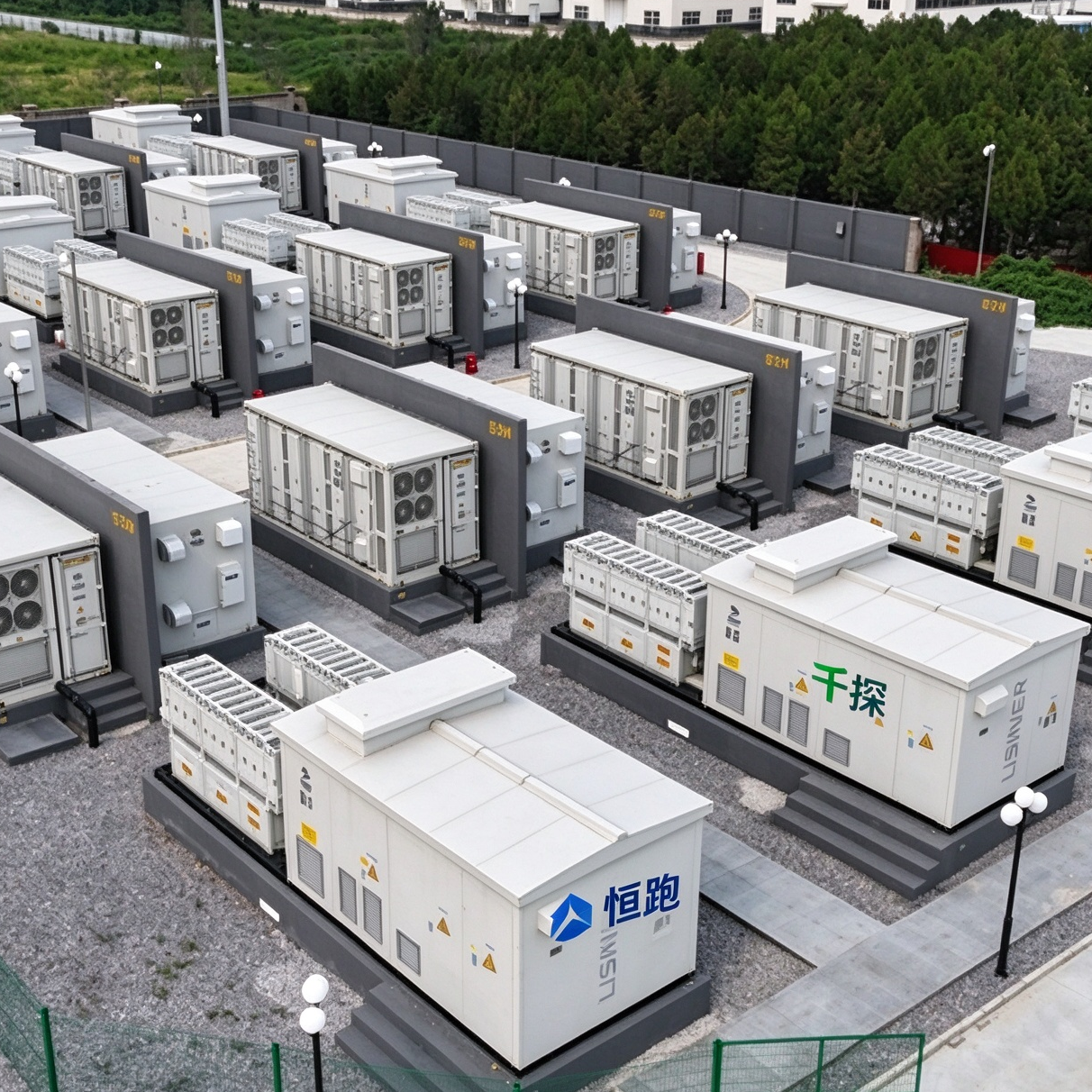


Introduced colloidal tubular lead-acid batteries that significantly improve the longevity of off-grid photovoltaic energy storage systems at high temperatures
2026-04-25
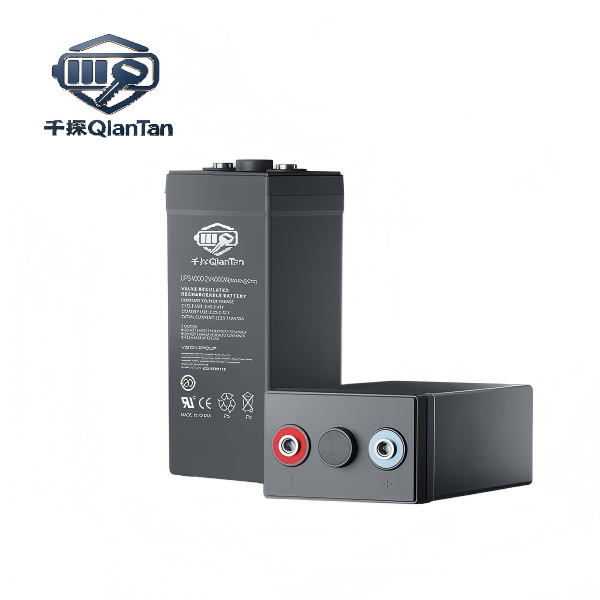
Rural off-grid photovoltaic systems and mountain hybrid wind-solar base stations operate in high temperature environments without air conditioning. Conventional lead-acid AGM batteries suffer from electrolyte stratification and rapid degradation at high temperatures. OPZV tubular colloidal lead-acid batteries solve these energy storage problems in high-temperature outdoor environments by using a gel electrolyte. Internal tubular plates encapsulate the active material, preventing lead paste from peeling off and failing during charging and discharging. Nano-silicon bodies completely solidify the electrolyte, eliminating problems of delamination and leakage, significantly improving cycle stability under high temperature conditions.

The colloidal system ensures stable gas recombination efficiency with virtually no loss of moisture during maintenance charging. Only simple checks are required every three to five years, eliminating the need for frequent electrolyte replenishment. The single-capacity 2V batteries cover a range from 200Ah to 3000Ah and can be freely connected in series to form high-capacity energy storage units suitable for village-level photovoltaic power plants and off-grid power supply on islands. They can withstand extreme temperatures from -20℃ to 50℃, ensuring stable charging and discharging in both open energy storage chambers in the southern summer and in the low winter mountainous regions of the north.
The tubular design provides increased resistance to deep discharge, allowing frequent deep charge-discharge cycles, suitable for daytime charging of PV systems and continuous night-time discharging. Built-in multi-stage pressure relief protection prevents colloid splashing and corrosion of surrounding electrical distribution equipment due to sudden pressure changes. Once the entire battery system is disposed of, the lead material can be completely recycled and purified, providing a comprehensive recycling chain and reducing the environmental burden of recycling outdoor energy storage devices. It is now widely used in new energy storage scenarios in off-grid areas.