

Special electrolyte from the manufacturer: wholesale prices
2026-09-15
- Special electrolyte for lead-acid batteries: impact on service life and wholesale supplies
- Factors in the formation of wholesale prices for special electrolyte
- Technical parameters and quality control
- Comparative Analysis: Standard vs Special Electrolyte
- Production process and environmental responsibility
- Recommendations for choosing a supplier and purchasing
- Frequently asked questions (FAQ)
- Conclusion and next steps
Special electrolyte for lead-acid batteries: impact on service life and wholesale supplies
Special electrolyteis a critical component determining the performance, life and safety of lead-acid batteries. Unlike standard sulfuric acid solutions, specialized formulations contain unique additive packages that modify the physicochemical properties of the active mass and separators. For industrial purchasers and engineers, understanding electrolyte composition is not just a matter of theory, but is key to reducing the total cost of ownership (TCO) of energy systems. The wrong choice of reagent density or purity can reduce battery life by 40–60%, especially under cycling or extreme temperature conditions.
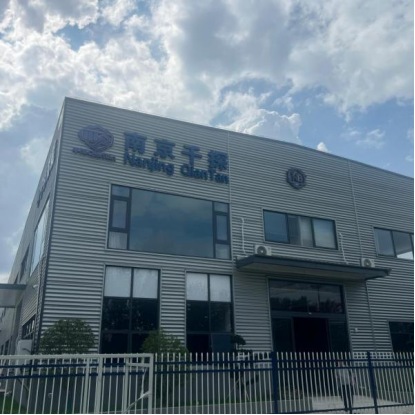
In 2026, the market requires not just the supply of a chemical reagent, but a comprehensive technological solution adapted to a specific type of battery: traction, stationary or starter. CompanyNanjing Qiantan Energy Storage Technology LLC, with more than 30 years of experience in the industry and implementing turnkey projects from China to Russia and Turkey, integrates the production of high-quality electrolyte into a single cycle of creating battery solutions. This ensures strict quality control at the molecular level, which directly affects the reliability of the final product.
Chemical composition and role of additives in modern electrolyte
The basic basis of any lead-acid battery is an aqueous solution of sulfuric acid (H₂SO₄). However, the term “special electrolyte” implies the presence of additional components that solve specific engineering problems. The purity of the starting reagents is regulated by strict standards: the iron content should not exceed 0.005%, copper - 0.0002%, and chlorides - 0.0001%. Exceeding these values leads to accelerated self-discharge and corrosion of the gratings.
Key functional additives in the special electrolyte include:
- Sodium sulfate and magnesium sulfate:increase the electrical conductivity of the solution at low temperatures, which is critical for work in the northern regions of Russia and Scandinavia.
- Lignosulfonates and polyacrylamides: act as expanders, preventing compaction of the negative active mass and maintaining the porosity of the electrodes over thousands of charge-discharge cycles.
- Corrosion inhibitors:slow down the destruction of positive down conductors, especially in constant recharge modes (float mode), typical for UPS and telecommunications systems.
- Anti-catalytic additives: reduce the rate of gas evolution (hydrogen and oxygen), which increases operational safety and reduces the need for maintenance.
Engineering practice shows that the balance of these additives depends on the grid design and the type of separator. For example, gel batteries (OPzV, CG), which are produced by Nanjing Qiantan LLC, require an electrolyte with special viscosity and stability to ensure uniform distribution of the gel and prevent acid separation during operation.
Factors in the formation of wholesale prices for special electrolyte
When setting a budget for the purchase of battery components or finished batteries, it is important to understand the pricing structure. Price forspecial electrolyteand finished products based on it is not static and depends on a number of technical and logistics factors.
| Influence factor | Description of cost impact | Recommendation for the buyer |
|---|---|---|
| Purity of raw materials (Grade) | Analytically pure (ChP) reagents are significantly more expensive than technical grades, but provide 2–3 times longer battery life. | For stationary and traction applications, savings on cleanliness are unacceptable. Require quality certificates for each batch. |
| Order Quantity (MOQ) | Wholesale supplies from the manufacturer allow us to reduce the unit cost of logistics and packaging. The production lines of Nanjing Qiantan LLC are optimized for large batches. | Consolidate the needs of multiple properties or schedule annual contracts to lock in price. |
| Logistics and packaging | Transportation of acid solutions requires special containers (PE canisters, tanks) and compliance with the rules for the transportation of dangerous goods (ADR/ADR). | Consider the cost of delivery to the warehouse. Localization of production or the presence of regional hubs reduces these costs. |
| Technological support | Inclusion in the price of services for density selection, laboratory analysis of the old electrolyte and recommendations for replacement. | Choose suppliers who offer engineering consulting rather than just shipping goods. This reduces the risks of marriage. |
It is important to note that buying cheap, low-quality electrolyte often leads to hidden losses: premature failure of expensive battery banks, equipment downtime and disposal costs. Investment in a quality specialty electrolyte pays off by increasing service intervals and the overall life of the energy storage system.
The use of special electrolyte in various types of batteries
There is no universal solution that is ideal for all types of lead-acid batteries. The specialization of the electrolyte is determined by the operating mode of the battery.
1. Traction batteries (EV series)
Used in electric vehicles, forklifts and warehouse equipment. Characterized by deep discharges (up to 80% DOD) and high currents. A special electrolyte for such batteries must be highly resistant to sulfation and mechanical stress of the active mass. Additives that strengthen the plate structure allow the battery to withstand thousands of cycles without loss of capacity. Nanjing Qiantan LLC uses such compounds in EV series batteries, ensuring their reliability in intensive industrial environments.
2. Stationary and backup batteries (CP, OPzV, CL 2V series)
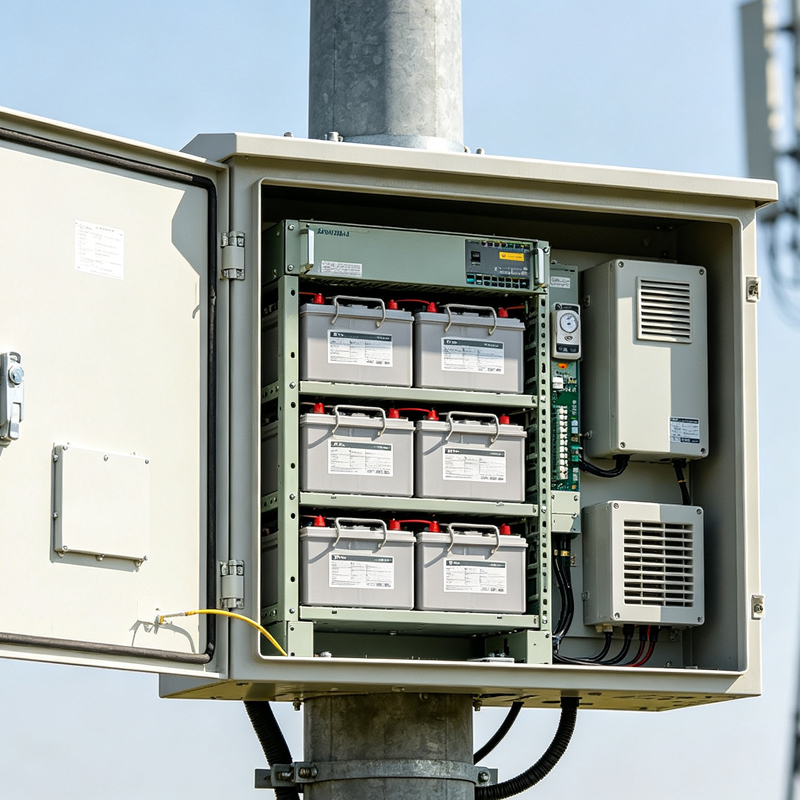
They are used in uninterruptible power supply systems (UPS), telecommunication cabinets and solar power plants. The main mode is constant recharge (float charge) at a temperature of 20–25°C. The key parameters here are minimal corrosion of the positive grid and low gas emission. OPzV gel batteries and CL 2V tubular monoblocks require an electrolyte fixed in a gel structure, which eliminates the possibility of leakage and density delamination. This is especially important for objects located in hard-to-reach places or seismically active areas.
3. Car and starter batteries (1S series)
They operate in high starting current mode at low temperatures. The electrolyte must maintain high ionic conductivity even at -30°C and below. Optimizing density and introducing antifreeze components ensure reliable engine starting in winter. The 1S series maintenance-free batteries use a special electrolyte with recombination properties that minimizes water loss.
Technical parameters and quality control
To ensure the stability of the characteristics of the finished product, the production cycle of Nanjing Qiantan Energy Storage Technologies LLC includes multi-stage electrolyte quality control. Incoming inspection of raw materials and output testing of finished products are carried out in accordance with international standards.
| Parameter | Typical value / Tolerance | Operational value |
|---|---|---|
| Density at 25°C | 1.20 – 1.28 g/cm³ (depending on battery type) | Determines the rated voltage and frost resistance. Deviation >0.01 g/cm³ is critical. |
| Iron content (Fe) | < 0.005% wt. | Exceeding causes self-discharge and corrosion of the gratings. |
| Manganese content (Mn) | <0.0001% wt. | Catalyzes the destruction of separators and active mass. |
| Transparency | Complete, no sediment | The presence of turbidity indicates contamination with impurities or insoluble salts. |
| Freezing point | Depends on density (up to -60°C) | Critical for storage and transportation in winter. |
Note: Specific density and composition parameters depend on the battery model and operating conditions. Always check the manufacturer's technical documentation.
An engineering view: why the density should not be maximum
There is a common misconception among unskilled users that the higher the electrolyte density, the better the battery performance. From an engineering point of view, this is a dangerous myth. Increasing the density above the optimal value (for example, above 1.28–1.30 g/cm³ for most types) leads to a sharp increase in the corrosion rate of lead gratings and destruction of the separators. In addition, a high acid concentration increases the viscosity of the solution, complicating the diffusion of ions into the pores of the active mass at high discharge currents. The optimal choice of density is always a compromise between capacity, service life and resistance to low temperatures. Specialists at Nanjing Qiantan LLC, when designing solutions for specific climatic zones (for example, Russia or Canada), carefully balance this parameter, sometimes sacrificing a small part of the capacity for the sake of significantly extending the battery life cycle.
Comparative Analysis: Standard vs Special Electrolyte
For clarity, let's look at the differences between a regular technical solution and a specialized product used in premium battery lines.
| Criterion | Standard electrolyte | Special electrolyte (with additives) |
|---|---|---|
| Composition | Sulfuric acid + distilled water | Base + package of organic and inorganic additives |
| Resistance to sulfation | Low. Frequent desulfation is required. | High. Additives prevent the formation of coarse-crystalline lead sulfate. |
| Service life (cycles) | Standard life (for example, 500 cycles) | Increased resource (up to 1000–1500 cycles or more) |
| Temperature range | Limited. Rapid loss of capacity in the cold. | Extended Stable operation at extreme temperatures. |
| Gas release | High. Regular topping up of water is required. | Reduced. Suitable for maintenance-free and sealed structures. |
| Cost | Low | 15–30% higher, but pays off with a long service life |
The table shows that for critical applications, such as backup power for data centers or traction batteries for warehouse logistics, the use of a special electrolyte is economically justified. Reduced frequency of battery replacements and equipment downtime offsets the initial cost difference.
Production process and environmental responsibility
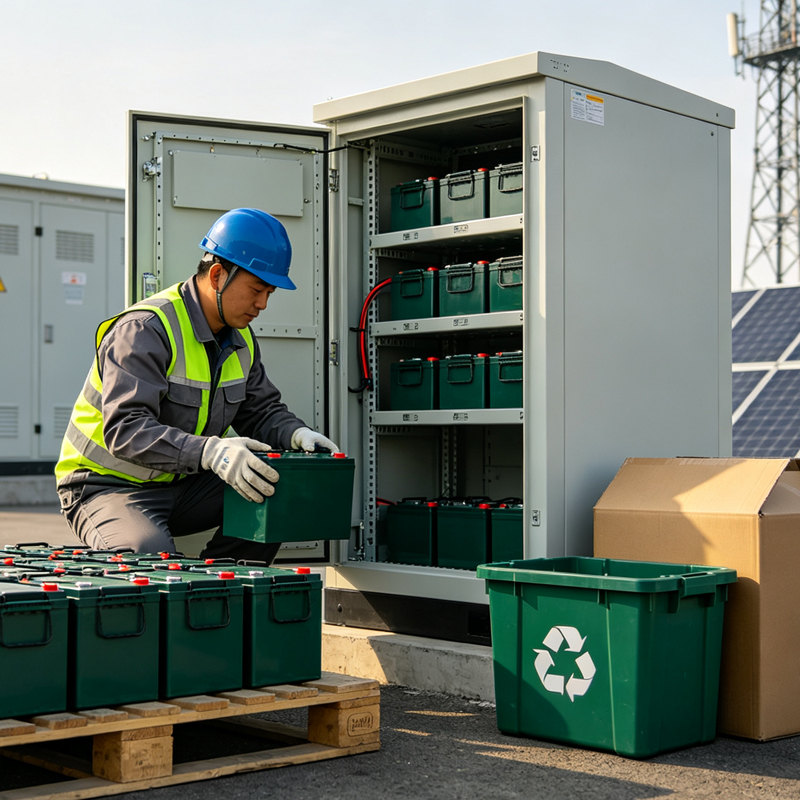
The production of high-quality electrolyte and batteries requires strict adherence to environmental standards. Nanjing Qiantan Energy Storage Technologies LLC positions itself as a full-cycle operator, which includes not only the release of new products, but also the environmentally friendly recycling of used batteries. The presence of a specialized processing workshop allows us to close the cycle of use of lead and acids, minimizing the impact on the environment.
The technological process includes:
- Preparation of distilled water of the highest purity (resistivity > 1 MOhm cm).
- Dosing of concentrated sulfuric acid and special additives in automated reactors.
- Thorough mixing and cooling of the solution to operating temperature.
- Multi-stage filtration to remove mechanical impurities.
- Laboratory control of each batch for compliance with specifications.
This approach ensures consistency of characteristics from batch to batch, which is a critical requirement for large industrial customers in Russia, Iran, Vietnam and other countries where the company operates.
Recommendations for choosing a supplier and purchasing
When selecting a supplier of specialty electrolyte or complete battery solutions, industrial buyers should consider the following aspects:
- Technical expertise:The supplier must have engineers on staff who can select the optimal battery configuration for your operating conditions. The experience of the Nanjing Qiantan LLC team, which has worked in leading international corporations, guarantees this level of support.
- Production transparency:Possibility of auditing production lines and laboratories. The company is open to partnership and provides all necessary technical documentation.
- Logistics capabilities:Experience in exporting and compliance with international transport regulations. The geography of the company's projects covers complex logistics routes in Asia and Eastern Europe.
- Service support:Availability of local engineering support, supply of spare parts and adaptation of solutions to local conditions. This reduces the risk of long downtime if problems arise.
Frequently asked questions (FAQ)
1. Is it possible to prepare a special electrolyte yourself?
Not recommended. Preparation of the electrolyte requires the use of high purity sulfuric acid and distilled water, as well as precise dosing of additives. Errors in proportions or the use of contaminated water will lead to rapid degradation of the battery. It is safer and more economical to purchase a ready-made certified product from a trusted manufacturer.
2. How often should the electrolyte density be checked?
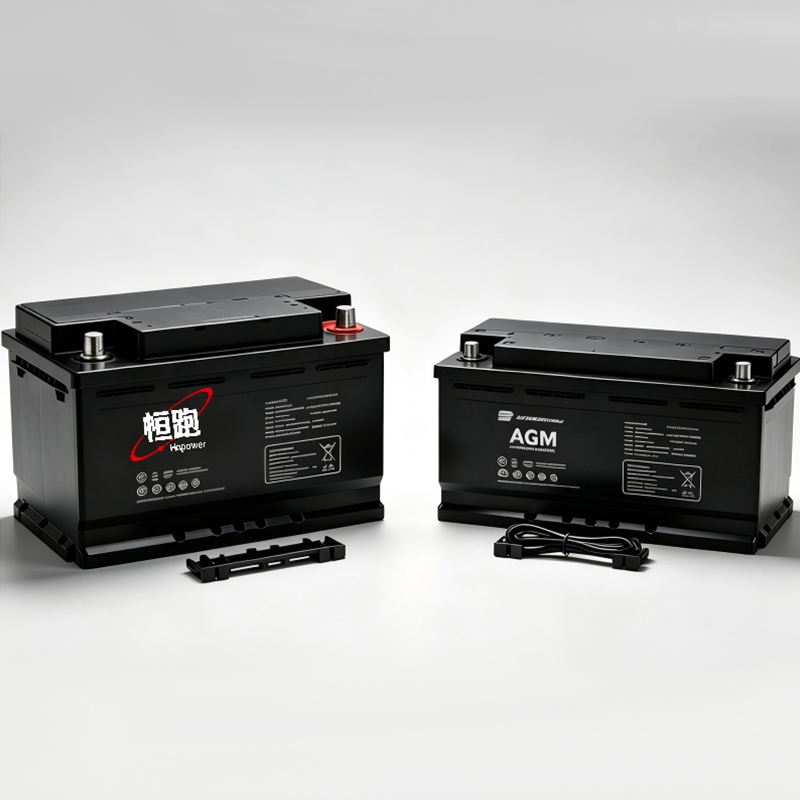
For serviceable batteries, inspection should be performed every 3 to 6 months or after each deep discharge. For maintenance-free gel and AGM batteries (such as OPzV or HFS series), checking the density is not possible without breaking the seal, so their condition is monitored by measuring voltage and internal resistance.
3. Does temperature affect the density of a special electrolyte?
Yes, density changes by approximately 0.0007 g/cm³ for every degree Celsius change in temperature. All measurements must be referenced to a standard temperature of 25°C. When operating in a hot climate, the density may temporarily decrease, and in a cold climate it may increase, which must be taken into account during diagnostics.
4. How does the electrolyte for gel batteries differ from liquid ones?
In gel batteries (GEL), the electrolyte is thickened to a gel state using silicon dioxide. This prevents it from leaking and separating. The chemical composition of the base may be similar, but the requirements for purity and the presence of stabilizing additives in gel technologies are higher to ensure long-term stability of the gel structure.
5. What to do if the electrolyte level has dropped?
Most modern maintenance-free batteries do not require topping up. If the design allows you to add liquid, you should use only distilled water, since it is the water that evaporates, but the acid remains. Adding new electrolyte is required only in case of solution spillage, and it is better to entrust this procedure to specialists.
Conclusion and next steps
Choosing the right onespecial electrolyteand corresponding battery solutions is a strategic decision that affects the reliability of the entire energy complex of the enterprise. You should not skimp on the quality of chemical components, as the consequences are expressed in unexpected downtime and equipment replacements.
CompanyNanjing Qiantan Energy Storage Technology LLCoffers a comprehensive approach: from the supply of high-quality lead-acid batteries (EV, OPzV, CG, HFS, CT, 1S, CP, CL series) to the design of production lines and service support. Our many years of experience and global presence allow us to tailor solutions to any climate and operational requirements.
To receive technical advice, calculate the cost of a wholesale batch, or discuss an individual turnkey project, contact our engineers. We are ready to provide product samples, technical data sheets and recommendations based on real implementation experience in your industries.
Find out more about ourproducts and technological solutionsfor energy storage systems.