

Lead-acid AGM battery: prices from the manufacturer
2026-09-15
Lead-acid AGM battery: technology, application and pricing from the manufacturer
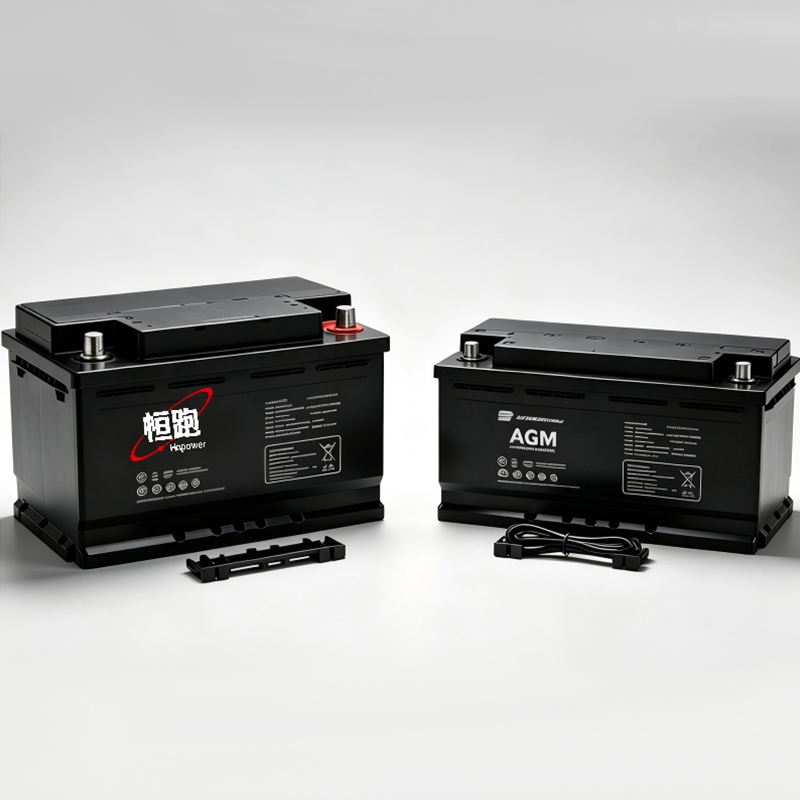
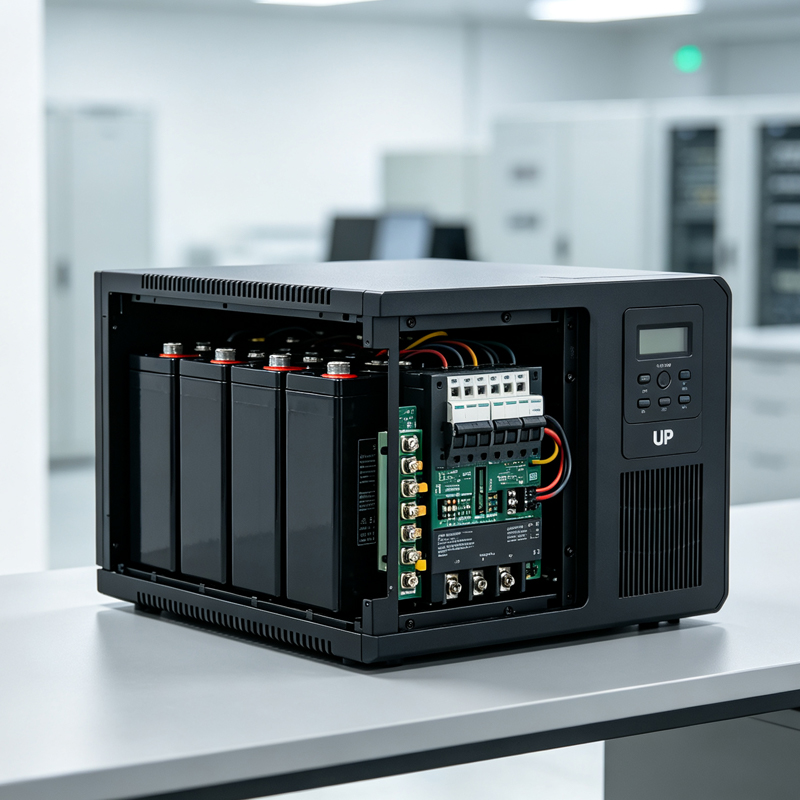
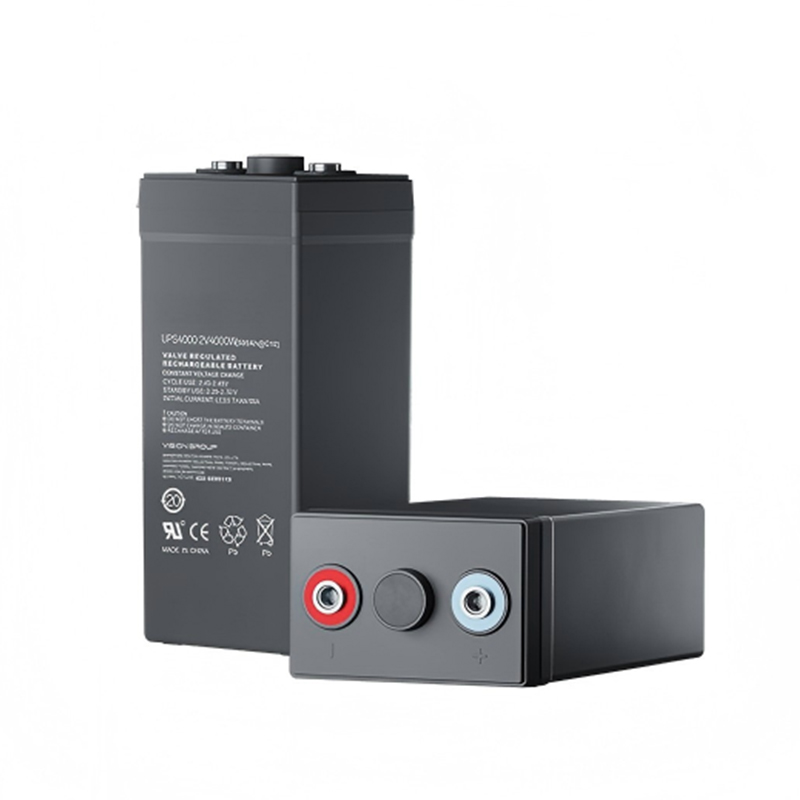
In industrial backup power and autonomous energy systems, the choice of current source determines the reliability of the entire complex.Lead acid AGM battery(Absorbent Glass Mat) has become the de facto standard for applications requiring high energy density, operational safety and minimal maintenance. Unlike traditional liquid-acid batteries, in AGM technology the electrolyte is absorbed in fiberglass separators, which prevents leakage and allows the battery to be used in any position except upside down.
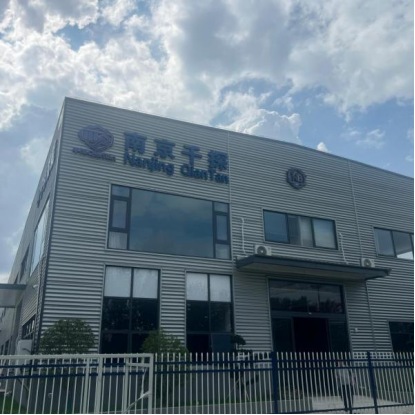
For industrial buyers and design engineers, the key factor is not only the initial cost, but also the total cost of ownership (TCO). Understanding how prices are determinedlead acid agm battery, requires analysis of technological nuances of production, quality of raw materials and operating conditions. Nanjing Qiantan Energy Storage Technologies LLC, with more than 30 years of experience in the industry and implementing projects in Russia, Iran, Turkey and other countries, offers a transparent approach to pricing based on direct supplies from full-cycle production lines.
AGM battery architecture: why does it affect cost
The price of a lead-acid AGM battery directly depends on the complexity of its internal design. Absorbent Glass Mat technology involves the use of microporous glass mats that retain electrolyte through capillary forces. This allows the gases to recombine: the oxygen released at the positive plate diffuses through the separator to the negative plate, where it reacts with the lead to form lead oxide, which is then reduced to metallic lead. This cycle makes the battery sealed and maintenance-free.
Key components that determine cost and durability:
- Grating alloy:The use of a lead-calcium alloy with tin or silver additives reduces corrosion and self-discharge. Highly alloyed gratings are more expensive, but increase the service life in buffer mode.
- Fiberglass Density:High-quality separators must have optimal porosity for rapid saturation with electrolyte and mechanical strength to prevent short circuits due to vibration.
- Active mass thickness:For cyclic operating modes (frequent discharges) thicker plates are required, which increases lead consumption and, accordingly, the price.
- Valve system (VRLA):Precision pressure control valves are critical to safety. They must open when internal pressure is exceeded, preventing the housing from swelling, and close securely to prevent the entry of external air.
Engineering experience shows that saving on the quality of separators or the purity of the lead alloy leads to a sharp drop in capacity after 100–150 deep discharge cycles. Therefore, when comparing prices from different manufacturers, it is necessary to ask for material specifications, and not just the final characteristics.
Pricing factors: from raw materials to logistics
The battery market is volatile and the price oflead acid agm batteryis formed under the influence of several macro- and microeconomic factors. Purchasers must consider these variables when budgeting projects.
1. Raw Material Cost (LME)
Lead makes up up to 60–70% of a battery's weight. The price of lead on the London Metal Exchange (LME) is a basic indicator. Any fluctuations in metal prices are immediately reflected in the manufacturers’ price lists. In addition, the cost of sulfuric acid and plastic (ABS housing) also contributes to the final price, although to a lesser extent.
2. Technological class of products
Not all AGM batteries are created equal. Manufacturers divide products into categories:
- General Purpose:Designed for a service life of 3–5 years. Used in low-current systems, UPS for PCs, toys. Low price, basic characteristics.
- High Rate/UPS:Optimized for high discharge currents over short periods of time (15–30 minutes). Used in data centers. Average price category.
- Deep Cycle:They have reinforced plates and a special separator structure. Withstands hundreds of discharge cycles up to 50–80%. Used in solar energy and electric transport. High cost due to higher lead content.
3. Order quantity and logistics
Direct deliveries from the manufacturer, such as those organized by Nanjing Qiantan Energy Storage Technologies LLC, eliminate intermediary markups. However, the logistics of dangerous goods (class 8 according to ADR/ADR) requires special transport and packaging. Delivery to remote regions of Russia or export to the CIS countries and Asia can significantly affect the final cost of the shipment. Optimization of supply chains and cargo consolidation can reduce specific transport costs.
Comparative analysis: AGM versus GEL and liquid batteries
The choice of technology often raises questions among designers. Below is a table to help determine the advisability of using an AGM battery in specific conditions.
| Parameter | AGM (Absorbent Glass Mat) | GEL (Gel) | Liquid (Flooded) |
|---|---|---|---|
| Internal resistance | Low (high currents) | High (low currents) | Very low |
| Cyclic resource | Medium (200–400 cycles to 80% DOD) | High (500–800 cycles) | Depends on service |
| Overcharge Sensitivity | High (risk of drying out) | Average | Low (you can add water) |
| Operating temperatures | -20°C … +50°C (optimum +20°C) | -30°C … +60°C (better heat tolerance) | -20°C … +50°C |
| Cost | Average | High | Low |
| Service | Not required | Not required | Electrolyte level monitoring required |
Engineering conclusion:If your task is to provide backup power to a UPS or starter current, where discharges are rare and short-lived,lead acid agm batteryis the most cost-effective solution. For alternative energy systems with daily deep discharges, gel (OPzV) or tubular batteries are preferred, despite their higher initial price.
Application in real industrial scenarios
Understanding the context of use helps to avoid procurement mistakes. Let's look at two typical scenarios where AGM technology demonstrates its strengths.
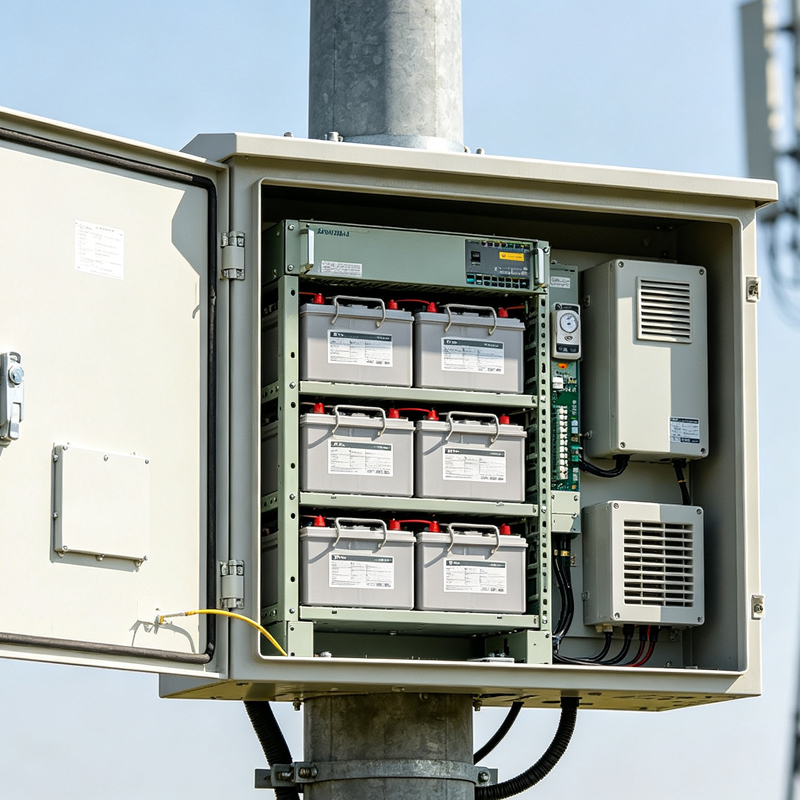
Scenario 1: Data centers and telecommunications
Conditions:Constant charge maintenance (buffer mode), room temperature +20...+25°C, the need for instant high current output when the network is turned off.
Requirements:Minimal internal resistance, sealed (placed in server racks), no gas emission.
Solution:AGM batteries of the High Rate series. They are capable of delivering maximum current during the first 5–15 minutes, which is enough to correctly shut down servers or start a diesel generator. The use of gel batteries here is impractical due to their high internal resistance, which will lead to a voltage drop below the critical threshold of the UPS.
Scenario 2: Lighting and signaling systems in transport
Conditions:High level of vibration, temperature changes, limited installation space.
Requirements:Mechanical strength, resistance to electrolyte leaks, compactness.
Solution:Compact AGM batteries. The fiberglass mat reliably fixes the plates, preventing the active mass from falling off when shaking. The sealed housing eliminates the risk of contact corrosion by acid fumes, which is critical for vehicle electronic equipment.
Technical parameters and model selection
When orderinglead-acid agm batteriesfrom the manufacturer, it is important to focus not only on capacity (Ah), but also on other critical parameters. Nanjing Qiantan Energy Storage Technology LLC offers a wide range of products, including the EV, HFS, CT and CP series, each of which is optimized for its own applications.
| Parameter | Description and impact on operation |
|---|---|
| Nominal capacity (C10/C20) | Capacity at 10 or 20 hour discharge. It is important to remember: at high currents, the actual available capacitance decreases (Pukert effect). |
| Voltage | Standard 12 V or 2 V (monoblocks). For high voltage DC systems (e.g. 220V DC), 2V CL 2V series elements are preferred as they provide better balancing. |
| Design Life | Typically specified for buffer mode at 20°C. The actual life depends on the temperature: every 10°C increase above normal reduces the battery life by half. |
| Short circuit current | An indicator of the battery's ability to deliver peak current. Critical for starting applications. |
| Self-discharge | High-quality AGM batteries lose less than 3% charge per month at 20°C. This allows them to be stored for up to 6 months without recharging. |
How to choose a reliable supplier: evaluation criteria
The market is saturated with offers, but the quality of products varies significantly. When choosing a partner for deliverylead-acid agm batteriesYou should pay attention to the following aspects of production culture:
- Completeness of the technological cycle.Manufacturers who control the entire process—from grid casting to battery assembly and formation—can guarantee consistent quality. Nanjing Qiantan Energy Storage Technology LLC has automated lines and its own processing workshop, which ensures a closed cycle and environmental responsibility.
- Quality control of raw materials.Availability of incoming control of lead alloy and separators. ISO certificates and compliance with international standards (IEC, GOST) are a mandatory minimum.
- Technical support.The opportunity to receive not just a product, but engineering consulting. The company's specialists with experience in leading new energy corporations help adapt solutions to local climatic conditions, be it the hot climate of the Middle East or the cold regions of Russia.
- Origin transparency.No hidden defects or re-markings. Direct deliveries from the factory eliminate the risk of purchasing reconditioned or substandard batteries, which are sometimes found from unverified dealers.
Operation and service life extension
Even the highest qualitylead acid agm batterywill fail prematurely if the operating rules are violated. Here are some recommendations from practicing engineers:
- Temperature regime.The ideal operating temperature is +20…+25°C. Avoid installing batteries near heat sources or in direct sunlight. Use thermal compensation of the charger: reducing the charge voltage as the temperature rises.
- Charge voltage.For buffer mode, 2.25–2.30 V per cell is generally recommended (13.5–13.8 V for a 12 V battery). Exceeding this value causes overheating and drying out of the electrolyte, which is irreversible for AGM.
- Discharge depth.Try not to discharge the battery below 50% capacity unless specifically designed to do so. Deep discharges accelerate sulfation of the plates.
- Storage.If batteries are stored in a warehouse, they must be recharged every 3-6 months depending on storage temperature to compensate for self-discharge.
Frequently asked questions (FAQ)
Is it possible to use an AGM battery instead of a regular liquid one?
Yes, in most cases AGM is a direct replacement. They have similar charge voltages and dimensions. However, you need to make sure that the charger does not output too high a voltage, as AGMs are more sensitive to overcharging. The advantage of AGM is safety and lack of maintenance.
What is the service life of a lead-acid AGM battery?
In buffer mode (continuous recharge), high-quality AGM batteries last 5–7 years. In cyclic mode (regular discharges), service life is measured by the number of cycles: from 200 to 600 cycles, depending on the depth of discharge and workmanship. Specific numbers depend on the model and operating conditions.
Why do prices vary so much from different manufacturers?
The difference in price is due to the weight of the battery (amount of lead), the quality of the separators, the purity of the lead alloy and the level of automation in production. Cheap analogues often have less weight for the same declared capacity, which means a shorter resource. Direct deliveries from manufacturers such as Nanjing Qiantan Energy Storage Technologies LLC allow you to get the best price-quality ratio without intermediary markups.
Are AGM batteries suitable for solar power plants?
AGM batteries can be used in small off-grid systems, but for regular deep discharges they are not the best choice. For solar stations, gel (OPzV) or special AGM Deep Cycle batteries, which have a reinforced plate design, are better suited. Standard AGMs degrade quickly with daily discharge cycles of up to 80%.
How to dispose of used AGM batteries?
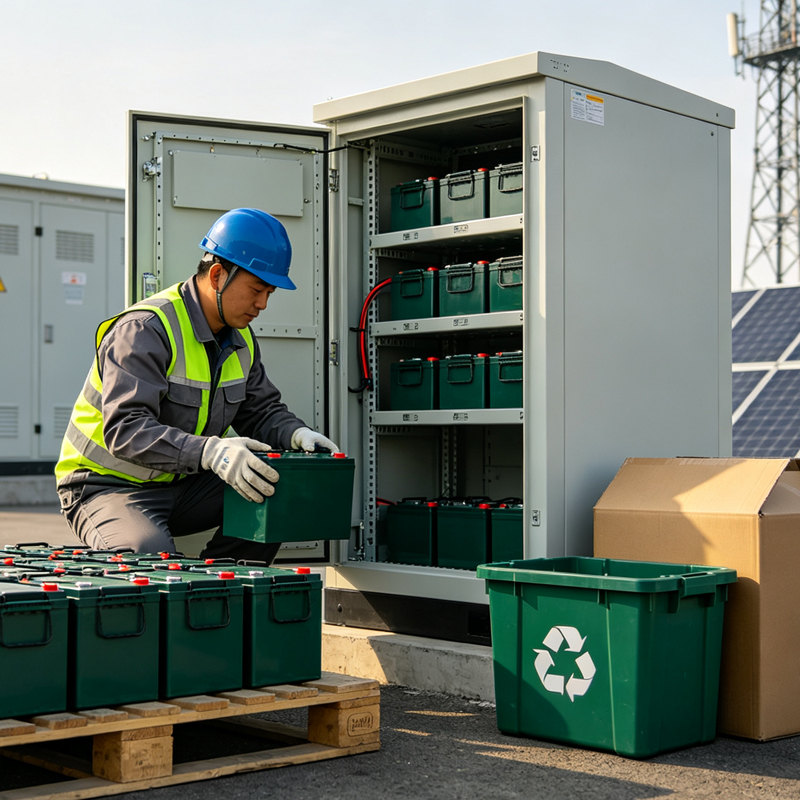
Lead-acid batteries are subject to mandatory recycling. They contain valuable materials (lead, plastic), but are hazardous to the environment due to acid. Nanjing Qiantan Energy Storage Technology Co., Ltd. has a specialized green recycling workshop, allowing customers to comply with environmental regulations and participate in the circular economy.
Conclusion and recommendations for purchasing
Choicelead acid AGM batteryis a balance between the technical requirements of the task and the project budget. For backup power applications where reliability, compactness and maintenance-free operation are important, AGM technology remains the unrivaled standard. The key to successful project implementation is working with a manufacturer who guarantees consistent quality and provides technical support.
Nanjing Qiantan Energy Storage Technologies LLC offers an integrated approach: from selecting the optimal model (be it the EV series for traction or the CP series for stationary use) to logistics and after-sales support. Global experience in implementing projects in various climate zones allows us to recommend solutions that will work effectively and for a long time.
Recommendation for purchasers:Before placing a large order, request samples for testing in real conditions or obtain detailed datasheets with discharge curves. Compare not only the unit price, but also the warranty conditions and the availability of service support in your region.
To receive an up-to-date price list, technical advice or calculation of the cost of a shipment taking into account logistics to your facility, contact our specialists. We are ready to provide individual conditions for partners in Russia and the CIS countries.
Find out more about ourproducts and technical solutionsfor your energy goals.