
Car starter battery: prices from the manufacturer
2026-09-15
- Automotive starter battery: analysis of pricing and technical selection criteria
- Factors shaping the price of a car battery at the factory
- Technical parameters and their impact on operating costs
- Technology comparison: Traditional Flooded vs EFB vs AGM
- Reliability problems in real operating conditions
- How to choose a supplier: criteria for assessing the manufacturing plant
- Logistics and customs nuances of battery import
- Frequently asked questions (FAQ)
- Conclusion and recommendations on procurement
Automotive starter battery: analysis of pricing and technical selection criteria
Choicecar starter batteryfor commercial or private fleets in 2026 requires going beyond simple retail price comparisons. For industrial buyers, logistics companies and distributors, the key consideration is not only unit cost, but also total cost of ownership (TCO), which includes service life, cycling resistance and starting reliability at extreme temperatures. The market for lead-acid batteries has undergone significant changes: tightening environmental standards and rising prices for raw materials (lead, polypropylene) have shifted the focus from dumping to technological efficiency.
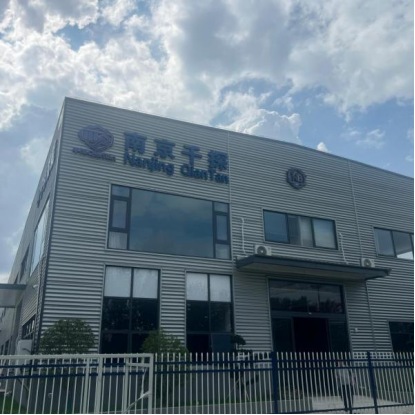
Manufacturer prices are influenced by many variables: screen type, active material composition, separator technology and level of production automation. In this article, we break down the engineering aspects that determine the true cost and quality of starter batteries, and explain how companies like Nanjing Qiantan Energy Storage Technology LLC balance cost and reliability through a full production cycle.
Factors shaping the price of a car battery at the factory
When purchasing in bulk, it is important to understand the cost structure. Pricecar starter batteryis not an arbitrary value; it is strictly tied to stock market quotes for lead and the complexities of the production process. However, two batteries with the same capacity (for example, 60 Ah) can differ in price by 30-40% due to internal design decisions.
1. Manufacturing technology of gratings and alloys
Traditional antimony alloys are cheap, but require regular maintenance and are subject to high self-discharge. Modern maintenance-free batteries use calcium (Ca/Ca) or hybrid (Ca/Sb) grids. The production of calcium gratings requires more expensive expander metal equipment and strict control of strip thickness. The use of alloying additives (tin, silver) increases the corrosion resistance of the positive lattice, which is critical for durability, but increases the cost of raw materials.
2. Density of the active mass and application technology
The key parameter is the amount of active paste per unit volume. Cheap alternatives often save on weight by using thinner plates or less paste. This leads to rapid shedding of the material during vibrations and deep discharges. Full-cycle factories, such as the production sites of Nanjing Qiantan LLC partners, use automated coating lines with laser control of layer thickness, which guarantees consistency of characteristics from batch to batch.
3. Separators and envelope design
The use of microporous PE (polyethylene) separators instead of traditional glass mats or PVC reduces internal resistance and improves inrush currents. A high-quality separator prevents short circuits when the active mass falls off. The cost of such components is higher, but they significantly extend the life of the battery under conditions of frequent start-stop cycles.
Technical parameters and their impact on operating costs
It is important for engineers and purchasing professionals to compare performance claims with actual operating conditions. Below is a table of typical parameters for standard passenger cars and light commercial vehicles, demonstrating the relationship between characteristics and battery class.
| Parameter | Economy segment (Standard) | Premium segment (Enhanced/EFB) | Impact on Operation |
|---|---|---|---|
| Capacity (C20) | 55–60 Ah | 60–65 Ah | Energy reserve for powering the on-board network when the engine is turned off. |
| Starting current (EN) | 480–540 A | 540–600 A | Reliability of starting at subzero temperatures (-20°C…-30°C). |
| Battery weight | 13.5–14.5 kg | 15.0–16.5 kg | More mass usually correlates with more lead and thicker plates. |
| Service life (cycles) | ~200–300 cycles | ~400–600 cycles | Resistance to deep discharges in taxi or delivery mode. |
| Self-discharge (3 months) | up to 15–20% | less than 10% | Critical for vehicles in long-term storage. |
Engineering Note:When choosing a battery for the northern regions of Russia or the high mountainous regions of Central Asia, priority should be given not to the nominal capacity, but to the magnitude of the starting current and the thickness of the positive grid. Thin plates quickly sulfate when not fully charged, which is typical for short winter trips.
Technology comparison: Traditional Flooded vs EFB vs AGM
The market offers three main types of starter batteries. The choice depends on the availability of an energy recovery system (Start-Stop) and the project budget.
- Traditional Flooded (Wet):Classic liquid batteries. Lowest price from the manufacturer. Suitable for vehicles without Start-Stop system and with standard electrical equipment. Requires monitoring of the electrolyte level in serviced versions.
- EFB (Enhanced Flooded Battery):Advanced liquid batteries with polymer mesh on plates. They withstand partial discharge better than conventional analogues. Optimal for low-cost Start-Stop systems and intensive urban use. The price is 15–25% higher than usual, but the resource is 2 times greater.
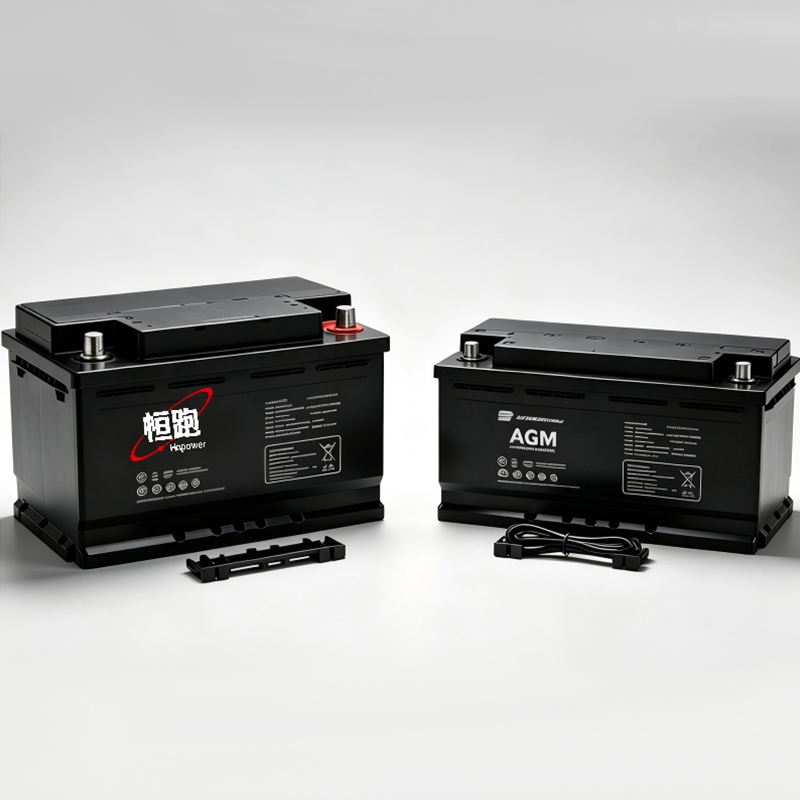
- AGM (Absorbent Glass Mat):The electrolyte is absorbed in fiberglass mats. High charging speed, deep discharge resistance, zero maintenance. The most expensive to produce. Essential for modern vehicles with braking regeneration and high energy consumption.
Nanjing Qiantan Energy Storage Technology Co., Ltd. specializes in producing a wide range of lead-acid batteries, including the 1S series for the automotive segment. Thanks to its own grid production and assembly lines, the company can flexibly adapt the technology (for example, the transition from antimony to calcium) to the requirements of a specific tender or regional market, ensuring a competitive price without compromising quality.
Reliability problems in real operating conditions
Statistics on returns under warranty cases show that most failures occur not due to manufacturing defects, but due to the battery not meeting operating conditions. Let's look at two typical scenarios.
Scenario 1: Commercial transport in the Far North
Conditions:Temperatures down to -45°C, long periods of downtime, engine idling to heat the cabin.
Problem:The electrolyte thickens, the viscosity increases, and the diffusion of ions slows down. A typical battery loses up to 60% of its starting power. Sulfation of plates is accelerated due to chronic undercharging.
Solution:Use of batteries with increased electrolyte density (factory setting) and the use of separators with low electrical resistance. Thermal insulation of the compartment is also important. 1S series batteries from Nanjing Qiantan LLC undergo cold start testing, which allows them to be recommended for moderate and cold climate zones with the correct selection of capacity.
Scenario 2: City taxi fleet with Start-Stop system
Conditions:Hundreds of starting cycles per day, frequent stops, high vibration.
Problem:Electrolyte separation (stratification) in conventional batteries leads to corrosion of the lower part of the plates. Vibration causes shedding of the active mass.
Solution:Mandatory use of EFB or AGM technologies. The design must include reinforced plate fastening elements. Saving on the type of battery in this case leads to replacing the battery every 6–8 months, which is not economically feasible.
How to choose a supplier: criteria for assessing the manufacturing plant
Purchasecar starter batteriesdirectly from the factory requires a thorough check of production competencies. There are many brands on the market that only attach labels to products from third-party factories. A direct manufacturer such as Nanjing Qiantan Energy Storage Technology Co., Ltd. offers process transparency.
What a technical director or buyer should pay attention to:
- Vertical integration:Does the plant produce its own mesh gratings and active mass? Quality control of incoming raw materials is critical. Having our own scrap processing workshop (like Nanjing Qiantan LLC) ensures a closed cycle and stable supply of lead raw materials.
- Laboratory equipment:Are tests carried out for vibration resistance, charge-discharge cycling and corrosion? Request batch test reports.
- Geography of projects:Experience in various climatic zones (Russia, Iran, Türkiye, Southeast Asia) confirms the adaptability of the products. The company implements projects together with leading partners such as Tianneng and Chaowei, which indicates the recognition of technologies at the international level.
- Certification:Compliance with ISO standards, availability of certificates for export to the Russian Federation and CIS countries.
Logistics and customs nuances of battery import
When importing car batteries, it is necessary to take into account the hazard class of the cargo (usually class 8, corrosive substances). The manufacturer must provide a full package of documents: MSDS (safety data sheet), TR CU certificate of conformity (for Russia and the EAEU), packing lists.
Nanjing Qiantan Energy Storage Technologies LLC has experience in export supplies to Russia, Kazakhstan and other countries. The company provides not only product delivery, but also engineering support, assistance in adapting solutions to local regulations and training of partner personnel. This reduces the risks of delays at customs and claims from regulatory authorities.
Frequently asked questions (FAQ)
Does the weight of a car starter battery affect its quality?
Yes, in most cases, weight is an indirect indicator of the amount of lead. A heavier battery of the same capacity usually has thicker plates or more active mass, which has a positive effect on service life and resistance to deep discharges. However, it is also important to consider the technology: modern lightweight batteries with added carbon may show high inrush currents, but their cycle life may be lower.
Can a regular starter battery be used in a car with a Start-Stop system?
Strongly not recommended. The Start-Stop system creates hundreds of additional starting cycles and operates in partial charge mode. A regular battery will fail in 3-6 months due to sulfation and shedding of the plates. It is necessary to use EFB or AGM batteries, which are designed to withstand such loads.
How long can you expect from a quality starter battery?
Service life depends on operating conditions. In a temperate climate, with a properly functioning vehicle charging system, a high-quality, maintenance-free battery will last 3–5 years. In extreme temperatures or frequent short trips, the period is reduced to 2-3 years. The products of Nanjing Qiantan LLC are developed taking into account increased requirements for reliability, which makes it possible to achieve the upper limits of these indicators.
How to store car batteries in a warehouse before selling?
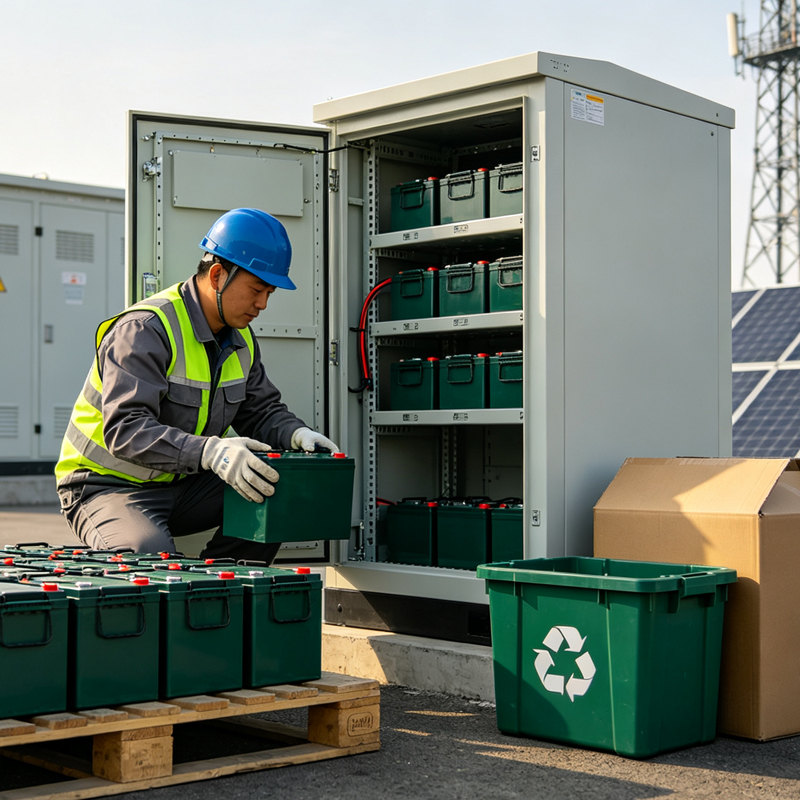
Batteries should be stored in a dry, cool place, away from direct sunlight. Even maintenance-free batteries are subject to self-discharge. It is recommended to check the voltage every 3-6 months and recharge if the voltage drops below 12.4 V. Long-term storage in a discharged state leads to irreversible sulfation.
Conclusion and recommendations on procurement
Purchasecar starter batteryat a price from the manufacturer - this is a strategic business solution that allows you to optimize costs and provide customers with a reliable product. The key to success lies not in finding the lowest price, but in choosing a partner with a full production cycle that can guarantee the stability of the chemical composition and geometry of the plates.
The engineering expertise of the Nanjing Qiantan Energy Storage Technologies LLC team, with more than 30 years of experience, allows us to offer solutions tailored to specific markets - from the cold regions of Russia to the hot climate of the Middle East. Investing in quality battery technology reduces the number of complaints and strengthens the distributor's reputation.
To obtain technical specifications, samples of 1S series products or discuss the terms of partnership and suppliescontact our specialiststo select the optimal solution for your tasks.