
Buy lead-acid EFB battery: prices from the manufacturer
2026-09-15
- EFB technology: why the new generation lead-acid battery is displacing standard solutions
- Architecture and operating principle of EFB batteries
- Comparative analysis: EFB vs AGM and standard batteries
- Factors determining the price of EFB batteries from the manufacturer
- An engineering view: typical operating and selection errors
- Application of EFB batteries in various industries
- Quality criteria when purchasing EFB batteries in bulk
- Frequently asked questions (FAQ)
- Conclusion and recommendations for choosing a supplier
EFB technology: why the new generation lead-acid battery is displacing standard solutions
With increasingly stringent environmental regulations and increased energy consumption on-board systems in modern vehicles, traditional starter batteries have reached their limits.Lead acid EFB battery(Enhanced Flooded Battery) was an engineering response to the challenges of start-stop systems and intensive urban use. Unlike classic liquid-acid batteries, EFB technology provides a twofold increase in cyclic life and increased charge recovery speed, while remaining a cost-effective alternative to more expensive AGM solutions.
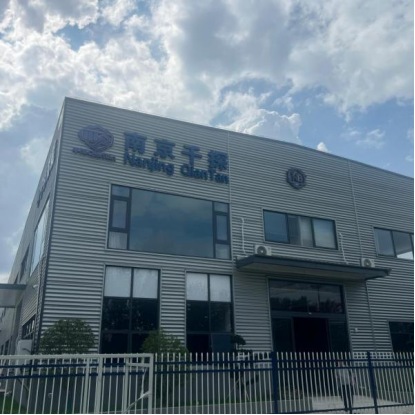
For industrial buyers, auto parts dealers and service centers, understanding the technical nuances of EFB technology is critical. An error in selecting the type of battery can lead to premature failure of not only the battery itself, but also the generator or vehicle electronics. Nanjing Qiantan Energy Storage Technology Co., Ltd. draws on 30 years of experience in the field of electrochemical power sources to offer a deep technical dive into the characteristics of lead-acid EFB batteries, pricing factors and quality criteria that determine the reliability of the product in real-world operating conditions.
Architecture and operating principle of EFB batteries
The term EFB stands for Enhanced Flooded Battery - an improved battery with liquid electrolyte. At first glance, the design resembles a conventional lead-acid battery, but the key differences lie in the materials and structure of the plates. Engineering modernization is aimed at solving two main problems of standard batteries: sulfation when not fully charged and degradation of the active mass during frequent discharge/charge cycles.
The technology is based on the use of a special non-woven polyester material (laminate), which is located on the positive plate. This layer performs the function of retaining the active mass (lead dioxide), preventing it from shedding during vibrations and deep discharges. In addition, laminat promotes faster penetration of the electrolyte deep into the plate, which significantly reduces internal resistance and speeds up the charging process.
Additionally, alloying additives (calcium, silver or carbon components) are often introduced into the alloy composition of current leads to increase the corrosion resistance of the grids. This allows the battery to withstand higher temperatures under the hood of a modern car, where cooling space is limited and heat generation from the engine and electronics has increased significantly.
Key technical advantages over standard WET batteries
- Cycling resistance:EFB batteries can withstand up to 2-3 times more partial discharge cycles than conventional batteries. This is critical for cars with a Start-Stop system, where the engine stalls at every traffic light.
- High charge capacity:Thanks to the reduced internal resistance, the battery quickly restores the capacity used to start the engine. This prevents chronic undercharging common on short city trips.
- Thermal stability:The improved structure of the plates and electrolyte composition ensure stable operation in the temperature range from -40°C to +60°C, which is especially important for the climatic conditions of Russia and the CIS countries.
- Recuperation compatibility:The EFB effectively accepts current from the regenerative braking system, converting kinetic energy into electrical energy without the risk of damaging the plate structure.
Comparative analysis: EFB vs AGM and standard batteries
When choosing a power source for commercial vehicles or passenger cars with high energy consumption, purchasers are often faced with the dilemma of choosing between technologies. Understanding the differences helps you optimize your budget without losing reliability.
| Parameter | Standard (WET) | EFB (Enhanced Flooded) | AGM (Absorbent Glass Mat) |
|---|---|---|---|
| Separator technology | Polyethylene separator | Polyester laminate on plus plate | Fiberglass mat impregnated with electrolyte |
| Cyclic life (partial discharge) | Low (baseline) | Medium (2-3 times higher than WET) | High (4-5 times higher than WET) |
| Charge speed | Standard | Increased | Maximum |
| Sensitivity to overheating | Average | Low (good temperature resistance) | High (requires thermal insulation) |
| Production cost | Low | Average (optimal price/quality ratio) | High |
| Application Start-Stop | Not recommended | Recommended for basic systems | Mandatory for complex systems (recuperation) |
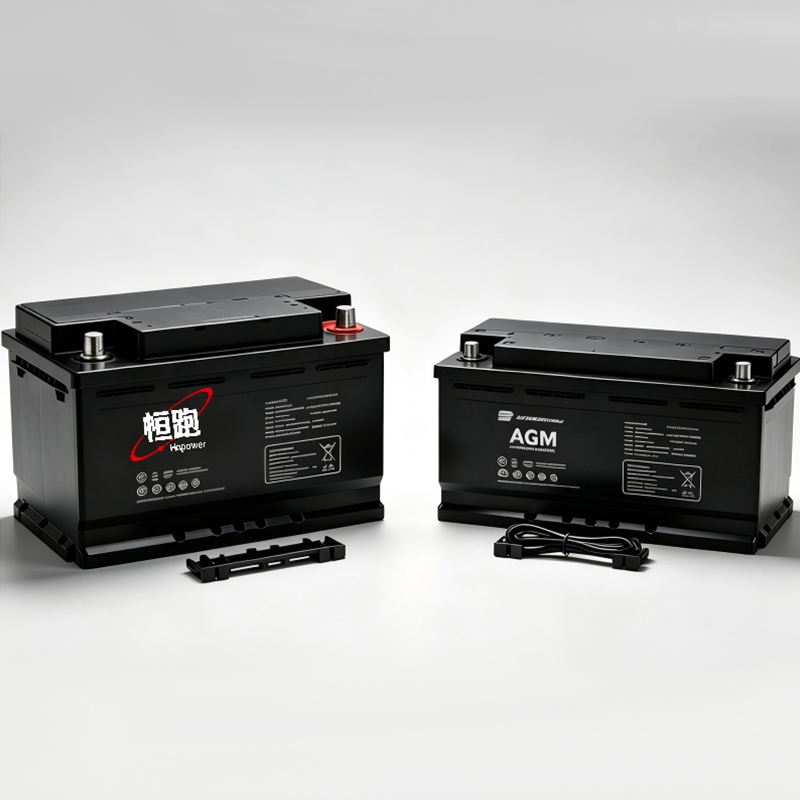
From the table it is clear thatlead acid EFB batteryoccupies the niche of the “golden mean”. If the vehicle is equipped with a simple Start-Stop system (no energy recovery) and the battery is located in the engine compartment where temperatures may be high, EFB is the preferred choice. AGM batteries, although more powerful, are sensitive to heat and require installation in the cabin or trunk, and also cost significantly more.
Factors determining the price of EFB batteries from the manufacturer
By purchasing directly from a manufacturer such as Nanjing Qiantan Energy Storage Technology Co., Ltd., customers can expect competitive prices. However, the cost of the final product depends not only on the batch size, but also on a number of technological and market factors.
1. Cost of raw materials and metals
The main part of the cost of a lead-acid battery is lead and sulfuric acid. Lead prices on global exchanges (LME) are volatile. Manufacturers who have their own scrap processing facilities and a closed production cycle, like our company, can stabilize prices and offer more favorable conditions to long-term partners. Having our own environmentally friendly processing workshop allows us to reduce dependence on external suppliers of secondary lead.
2. Technological complexity and automation
EFB production requires more precise control of the thickness of the applied laminate and the quality of the grid alloy. The use of automated assembly lines and acid filling systems implemented at our enterprises minimizes human error and defects, but requires high capital costs. This investment pays off through consistently high product quality, which reduces warranty claims and strengthens the brand's reputation.
3. Logistics and geography of supplies
The geographic presence of Nanjing Qiantan Energy Storage Technologies LLC covers China, Russia, Iran, Turkey and other countries. The localization of warehouses or the presence of partner networks in the buyer’s region significantly affects the final price including delivery. Direct deliveries from the manufacturer eliminate intermediary markups, which makes the offer attractive for wholesale buyers and distributors.
4. Certification and compliance
Products intended for export to Europe or Russia must meet strict standards (eg EN 50342, GOST). Passing certification tests and maintaining an ISO quality management system requires resources, but is a prerequisite for admission to the B2B and OEM supply markets.
An engineering view: typical operating and selection errors
Even the highest qualitylead acid EFB batterymay fail prematurely if improperly selected or used. Service engineers often encounter the following problems:
Mistake #1: Replacing the AGM with an EFB without reprogramming the BMS.
If the vehicle was originally equipped with an AGM battery, its on-board management system (BMS) is configured with AGM-specific charging algorithms (higher voltage, temperature control). Installing an EFB without adapting the charging parameters may lead to overcharging and boiling of the electrolyte, since the EFB has different outgassing characteristics.
Mistake #2: Ignoring temperature conditions.
Although EFBs are heat resistant, installing the battery in close proximity to hot exhaust components without a heat shield will shorten its life. Chemical reactions inside the battery accelerate with increasing temperature, which leads to accelerated corrosion of the grids.
Engineering recommendation:
When designing power supply systems for special equipment or commercial vehicles, where long periods of downtime with operating equipment (refrigeration units, hydraulics) are possible, it is necessary to calculate the balance of energy consumption. EFB copes well with cyclic loads, but is not intended for deep discharges “to zero”. For such scenarios, it is better to use OPzV gel batteries or CP series stationary batteries offered by our company.
Application of EFB batteries in various industries
The scope of EFB technology extends beyond passenger cars. Due to their reliability and vibration resistance, these batteries are used in various industrial and transport sectors.
Automotive sector (OEM and Aftermarket)
This is the main sales market. Modern middle-class cars, equipped with a Start-Stop system, air conditioning, multimedia systems and heating, require a stable power source. The EFB provides the required starting power (cold cranking current, CCA) and rapid recovery after every engine start.
Commercial transport and logistics
Delivery vans and light trucks with many stops per day place the battery under extreme cycling conditions. Standard batteries in such conditions fail within 6–8 months. EFB batteries can operate for 2–3 years, ensuring uninterrupted operation of refrigeration units and on-board electronics.
Special equipment and agricultural machines
In the high vibration and dusty environments found in construction and agricultural machinery, the strength of the EFB design (thanks to the laminate) becomes a critical factor. However, it is important to consider here that equipment often operates in partial generator load mode, so regular monitoring of the charge level is required.
Quality criteria when purchasing EFB batteries in bulk
For distributors and corporate clients planning to buy lead-acid EFB batteries in bulk, not only the price tag is important, but also quality guarantees. Nanjing Qiantan Energy Storage Technology Co., Ltd. implements strict controls at all stages of production.
- Incoming control of raw materials:Checking the purity of lead and the quality of separator materials. The use of low-quality laminate leads to delamination of the active mass after just a few months of operation.
- Control of plate formation:The molding process determines the crystalline structure of the active mass. Violation of the temperature regime or molding time reduces the battery capacity.
- Output tests:Each batch undergoes tests for current output, internal resistance and housing tightness. We provide complete test reports upon customer request.
- Marking and production date:Clear markings allow you to track the age of the battery. Fresh products (no older than 3–6 months from the date of issue) guarantee maximum resource.
Our company offers a wide range of solutions, including not only automotive EFBs, but also EV series traction batteries, OPzV gel batteries and stationary solutions. This allows customers to comprehensively cover the energy supply needs of various types of equipment using the services of one reliable supplier.
Frequently asked questions (FAQ)
Is it possible to install an EFB battery instead of a regular one?
Yes,lead acid EFB batteryis a direct replacement for the standard wet-acid battery (WET). It has the same dimensions and pole terminals. Moreover, this is an upgrade solution: you will get greater service life and reliability. However, if the vehicle requires AGM, replacing with an EFB is not recommended without consulting a specialist.
How to properly charge an EFB battery?
EFB batteries can be charged with standard lead-acid battery chargers. The optimal charging voltage is 14.4–14.8 V. It is important to avoid overcharging with voltages above 15 V, as this can cause intense gas evolution and loss of electrolyte. Modern smart chargers automatically detect the type of battery and select the correct algorithm.
What is the lifespan of an EFB battery?
Service life depends on operating conditions. On average, when used properly in a vehicle equipped with a Start-Stop system, the EFB lasts 3-5 years. In deep discharge mode or at constant high temperatures, service life may be reduced. Regularly checking the condition of the battery and terminals will prolong its life.
Why should you buy batteries from Nanjing Qiantan Energy Storage Technology LLC?
We are a full-cycle manufacturer with 30 years of expertise. Our specialists have worked in the world's leading corporations in the industry. We control the quality from lead smelting to assembly of the finished product, offer competitive prices due to the absence of intermediaries, and provide technical support and adaptation of solutions to local operating conditions in Russia and the CIS countries.
Is EFB suitable for large displacement diesel engines?
Large displacement diesel engines require high cranking amps (CCA) batteries. EFB technology makes it possible to create batteries with high starting characteristics. However, you need to look carefully at the specification of your specific model. For severe operating conditions or very large engines, it is sometimes more appropriate to consider AGM solutions or specialized high-power batteries of the HFS/CT series, presented in our catalog.
Conclusion and recommendations for choosing a supplier
Choosing the right type of battery is an investment in the reliability of your vehicle or industrial equipment.Lead acid EFB batteryrepresents the optimal balance between cost, performance and durability for most modern applications. It solves the problems of frequent starts and incomplete charging, while remaining affordable.
When forming a purchasing strategy, we recommend paying attention not only to the price per unit, but also to the reputation of the manufacturer, the availability of quality certificates and the possibility of technical support. Cooperation with a manufacturing plant such as Nanjing Qiantan Energy Storage Technology LLC guarantees transparent transactions, stability of supply and access to advanced technological solutions in the field of energy storage.
To obtain detailed technical specifications, price lists for wholesale quantities, or advice on the selection of battery solutions for your fleet, contact our specialists. We are ready to offer individual terms of cooperation and provide your business model with reliable energy sources.
View our full catalog of battery solutions:products and technical solutions of Nanjing Qiantan LLC