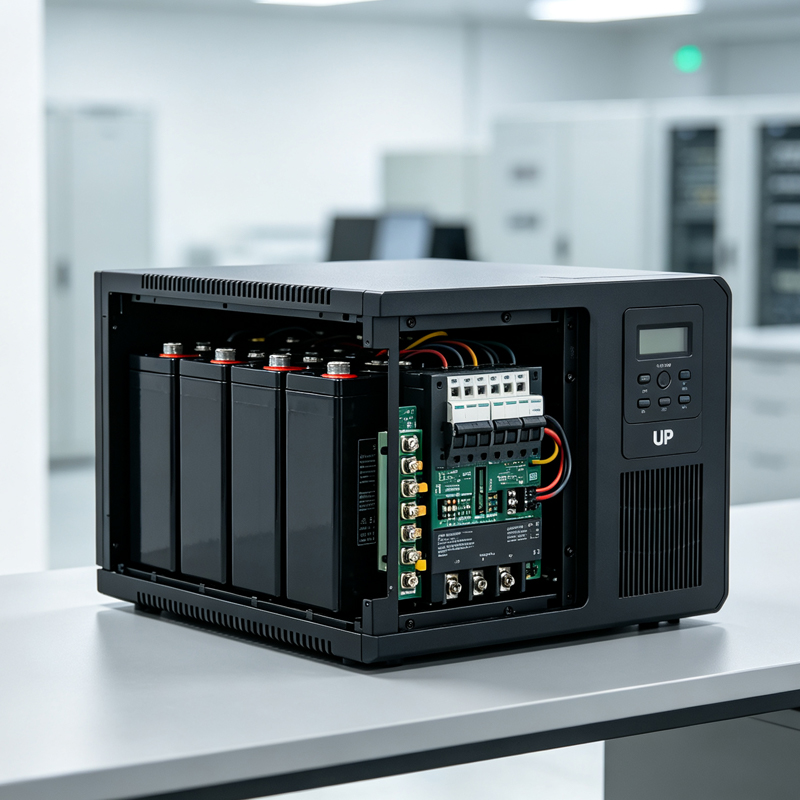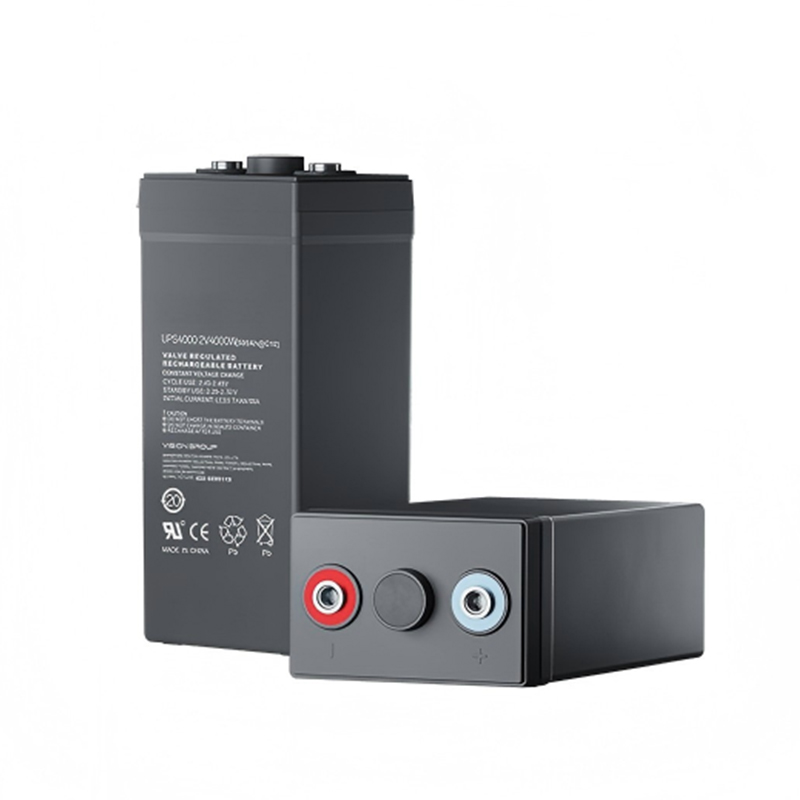


High temperature battery: prices from the manufacturer
2026-09-15
High temperature battery: technical features and pricing factors from the manufacturer
Selecting a power source for systems operating under extreme thermal conditions requires a thorough understanding of electrochemical processes.High temperature batteryis not just a battery with a reinforced casing, but a complex engineering solution, where the chemical composition of the electrolyte, the structure of the separator and the material of the current leads are adapted to maintain capacity and service life at temperatures exceeding standard climatic norms. In industrial sectors such as metallurgy, oil and gas production, or power generation in developing countries with hot climates, failure of the backup power system due to thermal runaway or premature sulfation can lead to critical downtime.
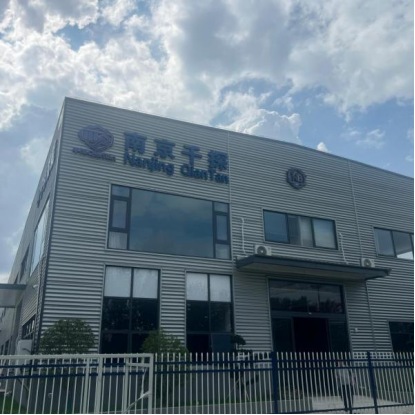
Prices for such specialized solutions are formed not only on the basis of capacity (Ah), but also depend on the cost of thermally stable materials, the complexity of the grid design and gas recombination technologies. Understanding how high temperature affects the degradation of lead-acid cells allows purchasers and engineers to make informed cost of ownership (TCO) estimates and select suppliers that can ensure consistent performance. With over 30 years of industry experience, Nanjing Qiantan Energy Storage Technology Co., Ltd. offers solutions designed to meet these stringent requirements, striking a balance between initial cost and long-term reliability.
The effect of high temperatures on lead-acid battery chemistry
Standard lead-acid batteries are designed to operate between -15°C and +25°C. Exceeding this threshold triggers a number of destructive processes. The Arrhenius rule in electrochemistry states that the rate of chemical reactions doubles for every 10°C increase in temperature. For batteries, this means accelerated corrosion of positive current leads and increased self-discharge.
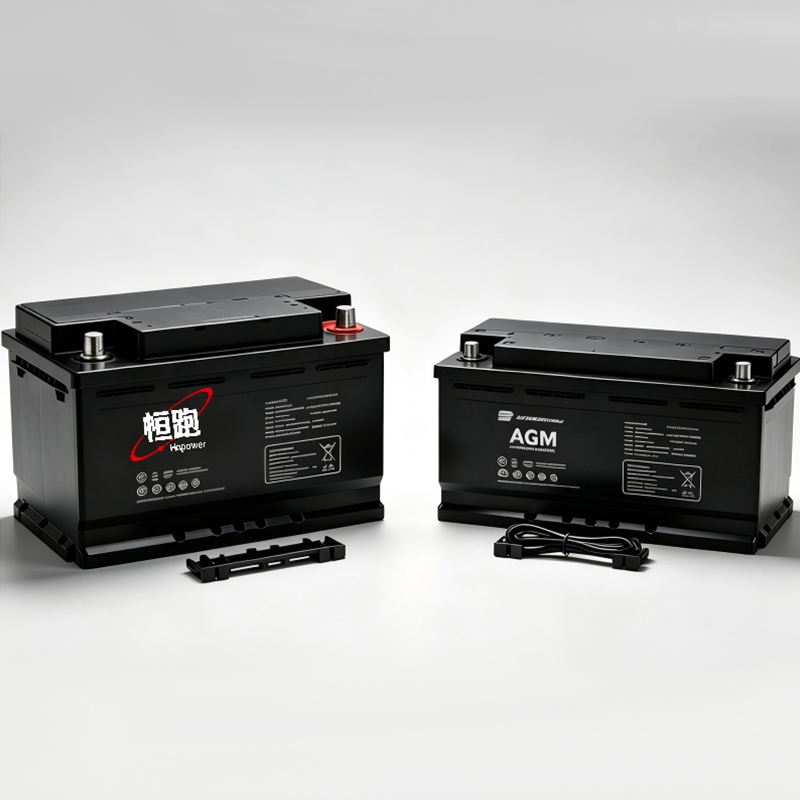
At temperatures above +40°C, intensive evaporation of water from the electrolyte begins, even in maintenance-free AGM and GEL batteries. Pressure relief valves (VRLA) open more frequently, moisture is lost, internal resistance increases, and capacity drops irreversibly. In addition, the high-temperature environment promotes the growth of dendrites, which can short-circuit the cells. This is why a conventional industrial battery under such conditions fails in 1–2 years instead of the stated 5–7 years.
Engineers at Nanjing Qiantan Energy Storage Technology LLC solve this problem at the design stage. Our high-temperature series use special additives in the active mass that slow down the corrosion of the gratings, and heat-resistant high-density fiberglass separators that maintain integrity and prevent the active mass from crumbling even under prolonged heat exposure.
Design features of high temperature batteries
In order for a battery to perform effectively in hot weather, several key components need to be changed. Regular plastic housings may warp, and standard lead alloys may soften. Below are the main differences between specialized solutions:
- Reinforced down conductors:Use of lead-calcium-tin alloys with increased corrosion resistance. This reduces the rate at which internal resistance increases when heated.
- Heat-resistant separators:The use of microporous materials that can withstand temperatures up to +60°C without loss of elasticity and risk of breakdown.
- Modified electrolyte:In gel (GEL) and AGM batteries, the density and viscosity of the gel is optimized to prevent electrolyte separation and drying out due to increased gas formation.
- Reinforced safety valve:VRLA valves adjust to higher opening pressures to minimize moisture loss while still ensuring that excess pressure is released in emergency situations.
- Heat sink:Special case geometry and materials with improved thermal conductivity help dissipate internal heat generated during charging.
This approach is implemented in our company's product line, including the OPzV and CG series, which demonstrate stability in tropical climates and industrial hot shops.
Comparison of battery types for high temperature applications
When choosing a solution, it is important to understand the trade-offs between different technologies. Not every “maintenance free” battery is suitable for the heat. The table below provides a comparison of the main types of lead-acid batteries in the context of operating at elevated temperatures.
| Parameter | Standard AGM battery | Gel battery (GEL/OPzV) | Tubular batteries (OPzS/CL 2V) | High temperature special series |
|---|---|---|---|---|
| Operating temperature range | up to +40°C (critically higher) | up to +45°C | up to +50°C | up to +55–60°C |
| Resistance to drying out | Low | High | Medium (requires topping up) | Very high |
| Grating corrosion rate | High when heating | Average | Low (thick plates) | Minimum (special alloy) |
| Cost (relative) | Low | Average | High | Medium-high |
| Service life at +45°C | 1–2 years | 3–4 years | 5–7 years | 5–8 years |
| Application | UPS in air-conditioned rooms | Telecom, street equipment | Stationary energy | Oil and gas, metallurgy, tropics |
As can be seen from the comparison, standard AGM solutions are not economically feasible in hot conditions due to the need for frequent replacement. Gel technologies, such as those used in OPzV batteries from Nanjing Qiantan Energy Storage Technology Co., Ltd., offer the best balance of price and reliability for most high-temperature applications.
Real industrial application scenarios
Theoretical parameters must be confirmed by practice. Let's look at two typical scenarios where the use of conventional batteries leads to losses, and specialized high-temperature solutions provide uninterrupted operation.
Scenario 1: Telecommunications base stations in desert regions
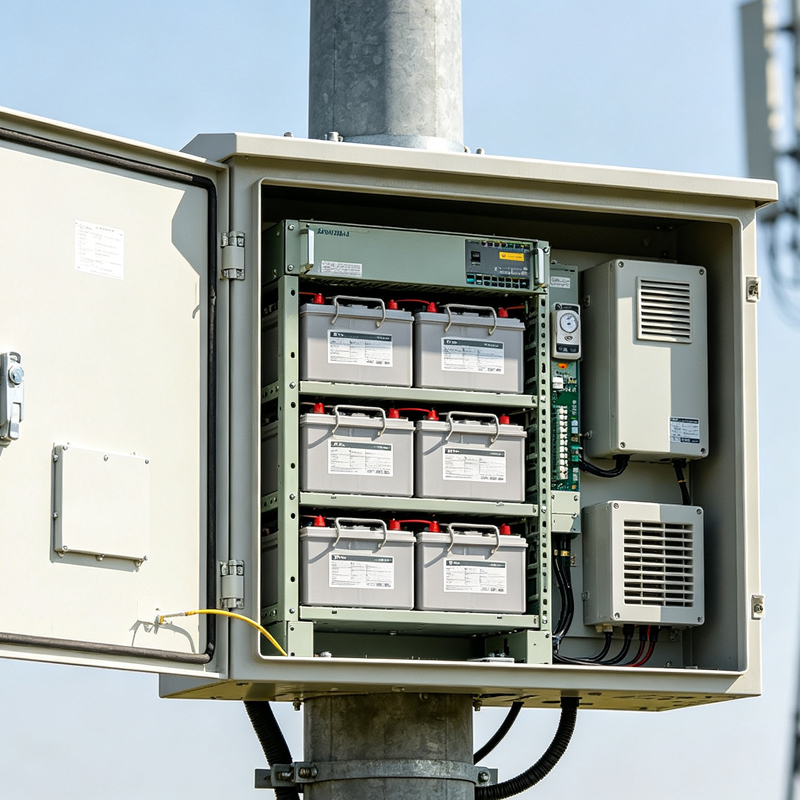
Conditions:Cellular base stations located in remote areas with daytime temperatures up to +50°C. Equipment often does not have powerful air conditioning systems due to energy consumption limitations.
Problem:Standard batteries lose up to 50% of their capacity in the first year of operation. Frequent power outages require a reliable backup, but overheating causes thermal runaway.
Solution:Installation of gel batteries of the OPzV series. Due to the absence of liquid electrolyte and the use of tubular plates, these batteries better withstand cyclic loads and high temperatures. Engineering support from the manufacturer includes correct calculation of thermal compensation of charging voltage, which is critical to extend service life in such conditions.
Scenario 2: Process control systems in a steel plant
Conditions:Premises next to smelting furnaces, where the background temperature is constantly maintained at +40…+45°C. Power is required for automation and emergency lighting systems.
Problem:Vibrations and high temperatures quickly destroy conventional lead gratings. Corrosion causes sudden failure of the safety system.
Solution:Use of stationary batteries of the CP series or specialized high-temperature models. Reinforced current leads and heat-resistant separators ensure stable current output even after several years of heating. The experience of the Nanjing Qiantan Energy Storage Technologies LLC team allows us to select a configuration that is resistant not only to heat, but also to mechanical vibrations typical of industrial facilities.
Factors shaping the price of a high-temperature battery from the manufacturer
The query “high temperature battery price” often results in a range of values that can confuse the buyer. It is important to understand what the cost is made up of. The price is not arbitrary; it reflects the costs of materials and technologies required to overcome thermal limitations.
- Lead Alloy Quality:Adding tin and calcium in the correct proportions increases the cost of the raw materials, but significantly extends the life of the battery in the heat. Cheap analogues use pure lead or low-quality recyclates, which quickly corrode.
- Separator technology:Imported heat-resistant microfibers are more expensive than conventional polyethylene separators. Their use is mandatory to prevent short circuits when the plates expand due to heat.
- Quality control and testing:The products of Nanjing Qiantan Energy Storage Technology Co., Ltd. undergo strict thermal stability tests. Each batch is tested in thermal chambers, which adds to the cost, but guarantees the absence of defects upon delivery.
- Order volume and logistics:Direct deliveries from the manufacturer eliminate the markups of intermediaries. However, the logistics of dangerous goods (batteries) requires compliance with international standards, which is also taken into account in the final price.
- Service and warranty:The price includes technical support. For high temperature applications, proper selection of a thermally compensated charger is critical. The manufacturer provides this data and advice, which reduces the risks of improper use.
By purchasing directly from a manufacturer such as Nanjing Qiantan Energy Storage Technology LLC, you receive transparent pricing without hidden distributor markups. The company implements turnkey projects, including the supply of certified products and consulting on their implementation.
An engineering perspective: why thermal compensation is more important than the battery itself
Even the most expensive high temperature battery will fail prematurely if the charging voltage is not adapted to the environmental conditions. As temperature increases, the charging voltage should decrease (by approximately -3 mV/°C per cell). If this is not done, overcharging occurs, the electrolyte boils and irreversible loss of capacity occurs.
Engineering advice:When designing your system, always check for thermal compensation functionality in your charger or UPS. Installing a temperature sensor directly on the terminals of the battery assembly will allow the system to automatically adjust the charging voltage. Without this measure, any battery, even the highest quality, will be subject to thermal stress.
How to choose a high temperature solutions supplier
The market is saturated with offers, but not all suppliers have real expertise in the field of heat-resistant solutions. When choosing a partner, pay attention to the following aspects:
- Having our own production base:Trading companies cannot control the quality of alloys and assembly. Nanjing Qiantan Energy Storage Technology LLC has a full production cycle: from wafers manufacturing to battery assembly and formation.
- Technical documentation:Request datasheets with graphs of service life versus temperature. The absence of such data is a red flag.
- Experience in target regions:The supplier must have successful cases in countries with hot climates. Our company has implemented projects in Russia, Iran, Vietnam, Turkey and Pakistan, where climatic conditions vary from moderate to extremely hot.
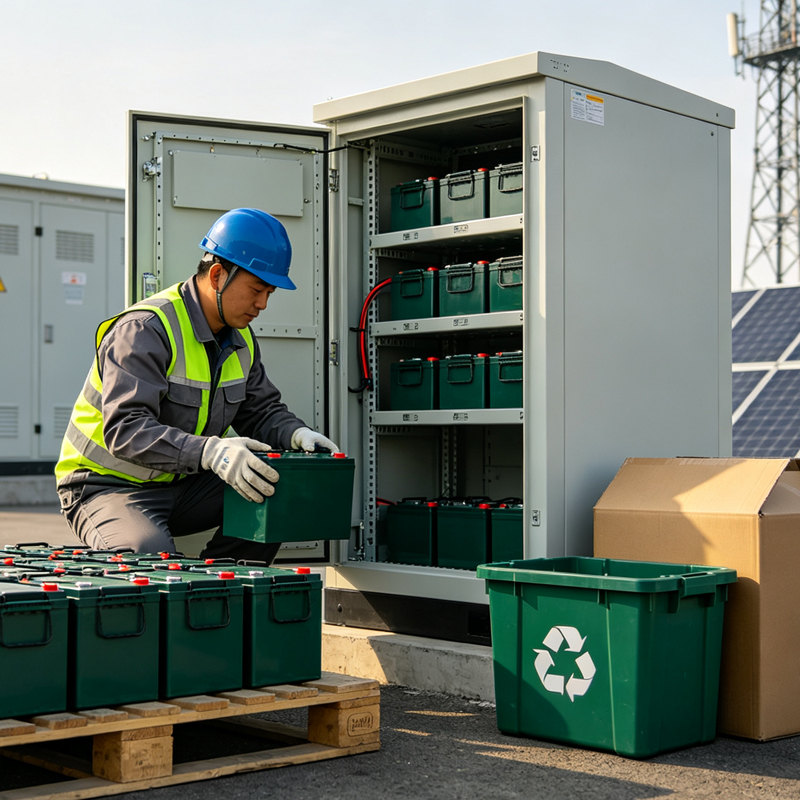
- Environmental responsibility:The presence of a recycling cycle for used batteries indicates the maturity of the company and compliance with international standards. Our dedicated recycling facility ensures closed loops and a reduced environmental footprint.
Frequently asked questions (FAQ)
What is the maximum operating temperature for high temperature batteries?
Most specialized lead-acid batteries, such as the OPzV and GEL series, can withstand temperatures up to +55...+60°C for short periods. However, to ensure the declared service life, it is recommended to maintain the average operating temperature no higher than +40...+45°C. Constant operation at extreme temperatures reduces the service life of even reinforced models.
Can regular car batteries be used in hot conditions?
Strongly not recommended. Car starter batteries have thin plates and a liquid electrolyte that evaporates quickly at high temperatures. They are not intended for long-term cycling or heat buffer operation. They will need to be replaced within a few months, which will make such savings illusory.
Does high temperature affect battery capacity instantly?
Paradoxically, with a short-term increase in temperature, the battery capacity may even increase slightly due to a decrease in the viscosity of the electrolyte and acceleration of chemical reactions. However, this “free” increase in capacity is accompanied by accelerated degradation of the plates. The long-term effect is a sharp reduction in overall capacity and service life.
Do high temperature batteries require special maintenance?
Maintenance-free VRLA batteries (AGM/GEL) do not require special care other than visual inspection and voltage monitoring. However, it is critical to ensure that the room is well ventilated, as high temperatures increase off-gassing. Regularly checking terminal tightness and cleaning contacts also helps reduce the risk of localized overheating.
Why are the prices for high temperature batteries higher than regular ones?
The higher price is due to the use of expensive alloying additives in lead alloys, the use of heat-resistant separators and more stringent quality control during production. These costs are offset by significantly longer service life in harsh environments, which reduces the total cost of ownership (TCO) compared to the frequent replacement of cheaper alternatives.
Conclusion and recommendations on procurement
Choicehigh temperature batteryis an investment in the reliability of your business. Mistakes in the design phase of a backup power system for hot environments are more costly than the initial savings on equipment. Engineering practice shows that the use of specialized gel or tubular batteries with heat-resistant components is the only viable solution for long-term operation at temperatures above +40°C.
Nanjing Qiantan Energy Storage Technology LLC is ready to provide not just a product, but a comprehensive solution. Our specialists with 30 years of experience will help you calculate the required capacity, select the right series (be it traction EVs, stationary CP or gel OPzV) and provide technical support at all stages - from delivery to disposal. We work with partners around the world, adapting our solutions to local standards and climatic conditions.
To receive a detailed technical calculation, an up-to-date price list and advice on choosing the optimal model for your specific operating conditions, contact our engineers. We offer transparent terms of cooperation and a quality guarantee, confirmed by real projects in Asia, the Middle East and Eastern Europe.
Check out our full catalogbattery solutions and technical specificationsto make informed choices for your business.