

Used car battery: purchase and price per kg
2026-09-15
- Used car battery: economic value and pricing factors when purchasing
- Cost structure: why price per kg is not constant
- Technical parameters affecting the battery assessment
- Environmental aspects and legislative regulation in 2026
- Comparative analysis: Scrapping vs Restoration (Recycling)
- How to prepare for battery return: recommendations for businesses and individuals
- The role of integrated suppliers in the battery life cycle
- Frequently asked questions (FAQ)
- Conclusion and recommendations for choosing a partner
Used car battery: economic value and pricing factors when purchasing
In the conditions of 2026, the market for secondary raw materials is undergoing a structural transformation, whereused car batteryceased to be just a waste product, becoming a strategic resource for the metallurgical and chemical industries. For vehicle owners, fleets and service centers, understanding purchasing mechanisms and pricing per kilo becomes a critical element of cost efficiency. The cost of lead scrap directly depends on stock exchange quotes for non-ferrous metals, the degree of sulfation of the plates, the integrity of the case and the volume of the batch.
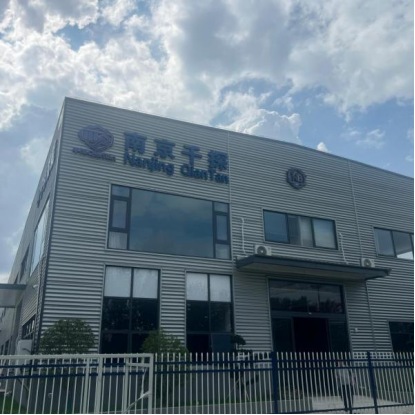
Professional recycling requires not only knowledge of current prices, but also an understanding of the technical nuances of assessing residual capacity. Nanjing Qiantan Energy Storage Technology LLC, having more than 30 years of experience in the industry and implementing full-cycle projects from production to recycling, emphasizes that a competent assessment of the condition of the battery allows you to maximize the return on funds and ensure the environmental safety of the process. In this article we will analyze in detail what the price is made up of, how to avoid losses when handing over a battery, and what technical parameters are decisive for appraisers.
Cost structure: why price per kg is not constant
The price offered by collection points forused car battery, is formed under the influence of several interrelated factors. Understanding this structure allows the seller to defend his interests with arguments and choose the most profitable time for the transaction.
Market price of lead as a basic indicator
The main component of a lead-acid battery is metal lead and its compounds (lead dioxide, lead sulfate). The share of lead in the mass of a standard battery ranges from 60% to 70%. Consequently, price dynamics on the London Metal Exchange (LME) or Shanghai Futures Exchange are directly translated into the local price lists of buyers. In 2026, there is high volatility in the commodity market, which leads to weekly and sometimes daily adjustments in purchasing prices.
Type of design and production technology
Not all batteries are equally valuable when recycled. Differences in technology affect the difficulty of extracting pure lead:
- Traditional serviced batteries:They have thick lead grids and a simple electrolyte. They are the most convenient for recycling and are often priced at the maximum tariff.
- Calcium and hybrid batteries:Contain alloying additives that may require additional lead purification steps, which slightly reduces the price per kg.
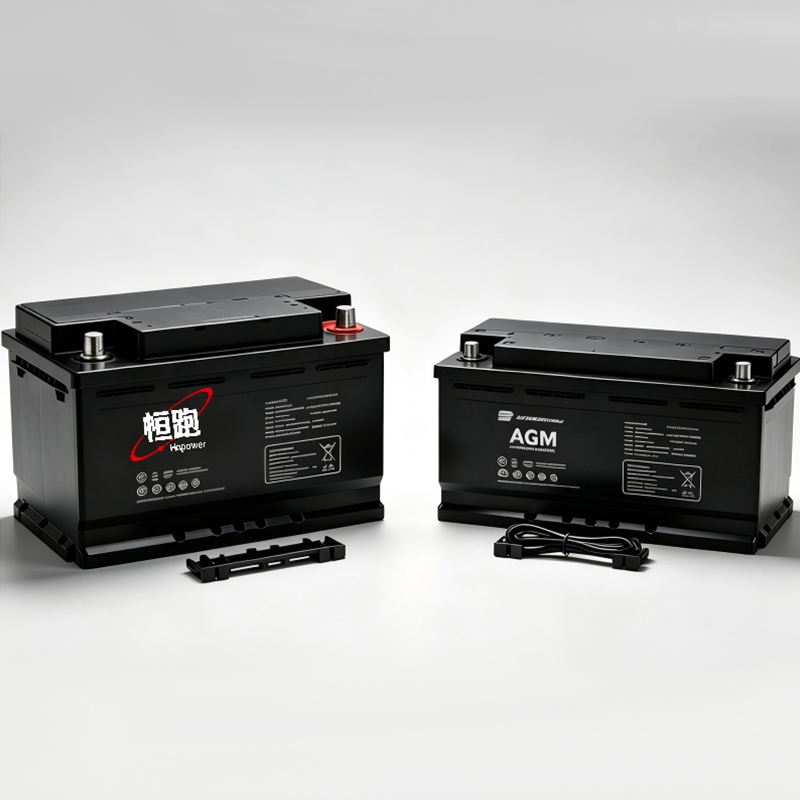
- AGM and GEL (gel) batteries:Despite the higher initial cost of new products, when scrapped their price can be comparable to conventional batteries, since lead remains the main value. However, some specialty recyclers are willing to pay a premium for the safety of fiberglass or gel electrolyte separators if they are planned to be reclaimed.
Case condition and presence of electrolyte
The integrity of the polypropylene body is an important criterion. A damaged battery from which electrolyte has leaked loses weight (due to acid and water leakage) and poses a danger during transportation. Buyers often apply penalty rates to batteries with cracks or missing plugs. In addition, the presence of electrolyte increases the overall mass, but its density and purity affect the neutralization process at the processing plant.
Technical parameters affecting the battery assessment
When receiving a batchused car batteriesspecialists carry out visual and instrumental control. Below is a table of parameters that directly affect the final cost of a kilogram of scrap.
| Evaluation parameter | Impact on price | Technical justification |
|---|---|---|
| Mass fraction of lead | Direct proportional influence | The higher the content of lead plates and gratings, the higher the yield of useful product during smelting. Car batteries contain more lead relative to the total weight than truck batteries with thick casing walls. |
| Degree of sulfation | Reverse influence | Deep sulfation of the plates makes it difficult to recover lead in the charge. Batteries that have been stored in a discharged state for a long time may be priced at a discount. |
| Integrity of pole terminals | Moderate influence | Lead terminals have high metal purity. Their absence or mechanical damage reduces the convenience of sorting and slightly reduces the weight of a highly liquid component. |
| Foreign Material Contamination | Penalties | The presence of dirt, sand, metal objects inside or outside the housing increases the percentage of waste during recycling and requires additional costs for washing and separation. |
Engineering practice shows that the most accurate assessment is possible only after weighing each unit and express analysis of the electrolyte density (if stored). Experienced specialists of Nanjing Qiantan Energy Accumulation Technologies LLC note that the uniformity of the batch allows the use of wholesale markups, since the time for technological preparation of raw materials for smelting is reduced.
Environmental aspects and legislative regulation in 2026
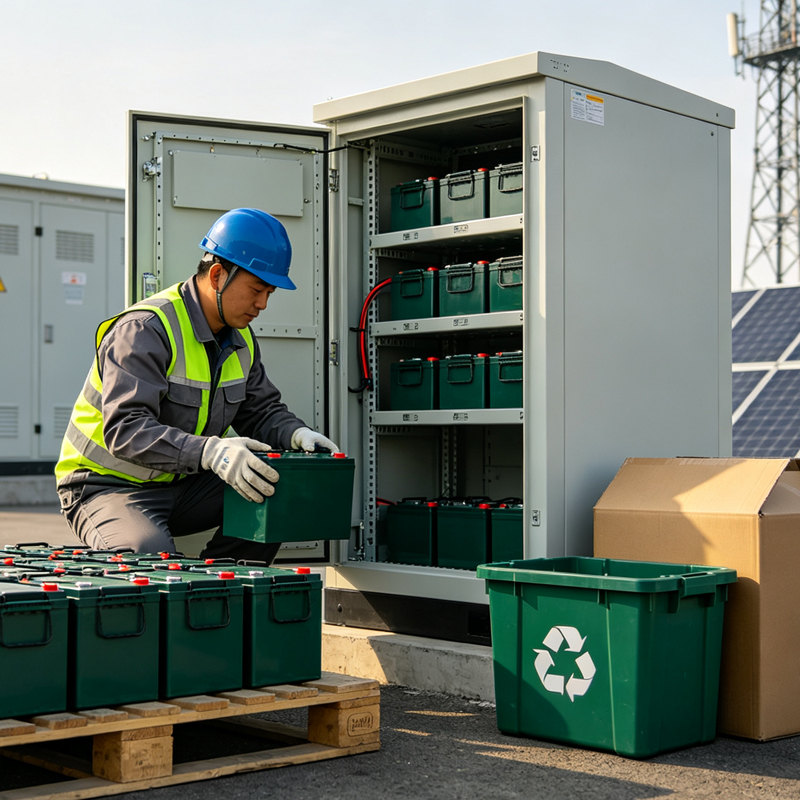
Battery trade-in should not be viewed solely as a commercial transaction. Lead and sulfuric acid are classified as hazardous wastes of the first and second hazard classes, respectively. Illegal disposal, including draining electrolyte into the soil or artisanal dismantling of batteries, causes irreparable damage to the ecosystem and entails serious administrative and criminal liability.
Modern requirements for waste management oblige the transfer ofused car batteryonly to licensed organizations. Companies such as Nanjing Qiantan Energy Storage Technology LLC have specialized environmentally friendly processing workshops. This ensures a closed loop: the recovered lead is returned to the production of new batteries (for example, the 1S series for passenger cars or EVs for traction applications), and the plastic is granulated and reused.
Choosing an official partner ensures that your battery does not end up in a landfill, but becomes part of a resource-efficient economy. In addition, working with legal processors protects businesses from the risks of inspections by environmental agencies.
Comparative analysis: Scrapping vs Restoration (Recycling)
For corporate clients, such as logistics companies or taxi companies, the question of choosing between direct sale of scrap and an attempt to refurbish batteries is relevant. Let's consider the comparative characteristics of these approaches.
| Criterion | Scrapping (Disposal) | Restoration (Desulphation/Plate Replacement) |
|---|---|---|
| Economic effect | Instant refund of part of the costs (price per kg of lead). | Potentially higher, but requires equipment and labor costs. |
| Technical limitations | None. All conditions are accepted. | This is only possible if the cans are physically preserved and there is no short circuit. |
| Reliability of the result | 100% guarantee of receiving money. | Risk of failure. A reconditioned battery often has a reduced life and starting current. |
| Environmental friendliness | High if the processor has a license. | Average. The recovery process itself generates waste. |
| Recommendation | For batteries older than 5 years, with crumbling plates or damaged housing. | For relatively new batteries that have lost capacity due to deep discharge or sulfation. |
From an engineering point of view, restoration makes sense only for expensive industrial or traction batteries (OPzV, CL 2V series), where the cost of a new product significantly exceeds the price of scrap. For standard passenger car starter batteries, it is more economically feasible to passused car batteryto a professional buyer and purchase a new product with a guarantee.
How to prepare for battery return: recommendations for businesses and individuals
To get the maximum benefit from the transaction, it is necessary to properly prepare the products. Follow these steps:
- Cleaning from contaminants:Remove dirt, snow and ice from the surface of the housing. Water and dirt add weight, but are paid at the price of lead, which is disadvantageous for the buyer, who may underestimate the total bid or net weight.
- Preservation of completeness:Do not unscrew the plugs or drain the electrolyte yourself unless required by the collection point. The electrolyte has weight, and its presence increases the overall weight of the battery. However, be prepared for the fact that hazardous liquid waste may require separate disposal.
- Sorting by type:Separate car, truck and specialty batteries. Different types have different lead content. A mixed lot is often priced at the minimum rate.
- Documentation:For legal entities, it is mandatory to have a waste passport and an agreement with a licensed organization. Nanjing Qiantan Energy Storage Technologies LLC provides a full package of documents confirming the legality of waste transfer and its subsequent processing.
The role of integrated suppliers in the battery life cycle
The market of 2026 is characterized by the consolidation of players. Companies that only engage in purchasing often resell raw materials to large factories. Integrated suppliers such as Nanjing Qiantan Energy Storage Technology Co., Ltd. offer a more transparent and cost-effective model. As a full-cycle operator, the company controls the entire process: from the design of production facilities to the implementation of processing technologies.
The geography of the company's presence, covering Russia, China, Iran, Turkey and other countries, allows flexible management of logistics and prices. Having our own specialized processing workshop means that the client works directly with the end consumer of raw materials, bypassing intermediaries. This provides price stability and confidence thatused car batterywill be recycled in compliance with all environmental standards.
The company's wide range of products, including maintenance-free 1S series batteries and high temperature batteries, create the perfect balance: you can trade in your old battery and immediately purchase a new one made with high-quality recycled lead. This puts the principle of the circular economy into practice.
Frequently asked questions (FAQ)
How to independently calculate the approximate cost of an old battery?
Find out the current price per kilogram of scrap lead in your area. Weigh the battery. Multiply the weight by the price. However, please note that actual offers may be 10-15% lower due to plastic, electrolyte and recycling costs. Only a specialist can name the exact price after inspection.
Are damaged or leaking batteries accepted?
Yes, most licensed collection points will accept damaged batteries, as the lead inside remains a valuable resource. However, the price for suchused car batterywill be lower due to the risks of contamination and additional costs for neutralizing the leaked electrolyte. Such batteries should be transported in sealed containers.
What is the price difference between a car battery and a truck battery?
The difference lies in the specific lead content. In passenger batteries, the proportion of lead is higher, and the thickness of the plastic housing is less. In truck batteries, the massive body and thick baffles account for a large portion of the weight, but contain no precious metal. Therefore, the price per kilogram for passenger batteries is usually higher than for truck batteries.
Is it safe to store used batteries in a company warehouse?
Long-term storage is unsafe. Enclosures can rupture, causing acid leaks that corrode concrete and metal shelving. In addition, electrolyte evaporation is harmful to the health of personnel. It is recommended to hand over batches regularly, without accumulating large volumes. Nanjing Qiantan Energy Storage Technologies LLC offers a flexible schedule for the removal of shipments for corporate clients.
Does the battery brand affect the purchase price?
For processors, the brand does not matter. Only the mass and lead content are important. A premium brand battery and a budget alternative of the same weight and type will be priced the same, since when melted they turn into a homogeneous lead alloy. The exception is cases when the battery is subject to restoration and not disposal.
Conclusion and recommendations for choosing a partner
Buying marketused car batteriesin 2026 requires a conscious approach from participants. Maximizing revenue is achieved not only by searching for the highest price per kilogram, but also by choosing a reliable partner who can ensure transparency of the transaction and environmental legitimacy of the process.
Engineering experience suggests: the reliability of the supplier is more important than short-term benefits of a few rubles per kilogram. Cooperation with a company that has its own production and processing facilities eliminates the risk of fraud with scales and guarantees compliance with environmental legislation.
Nanjing Qiantan Energy Storage Technologies LLC invites vehicle fleets, service stations and industrial enterprises to cooperate. We offer competitive prices for the purchase of scrap, prompt removal and full documentary support. Our many years of experience and global presence enable us to ensure the stability of supply and processing, supporting the principles of sustainable development.
To obtain an up-to-date price list, advice on preparing a batch or ordering the removal of batteries, please contact our specialists or study ourcomprehensive solutions in the field of battery technology and recycling.