
Acid cooler from the manufacturer: prices, catalog 2026
2026-09-13
- Acid cooler: key to battery safety and efficiency in 2026
- Operating principle and design features of acid coolers
- Technical parameters and equipment selection criteria
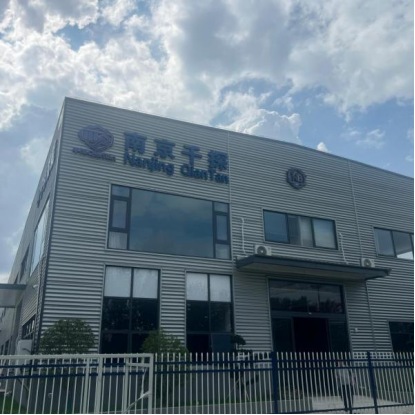
- Integration into the production cycle: experience of Nanjing Qiantan LLC
- Comparative Analysis of Acid Cooler Materials
- Typical operational problems and methods for their prevention
- How to Choose an Acid Cooler Supplier in 2026
- Frequently asked questions (FAQ)
- Conclusion and recommendations for engineers
Acid cooler: key to battery safety and efficiency in 2026
In modern conditions of industrial production of lead-acid batteries, control of the electrolyte temperature is a critical factor that determines not only the quality of the finished product, but also the safety of the entire technological process.Acid cooler(or sulfuric acid heat exchanger) is specialized equipment designed to remove excess heat generated during electrolyte preparation, battery charging, or chemical reactions on production lines. In 2026, demands for energy efficiency and sustainability in industrial plants have reached a new level, making choosing the right cooling equipment a top priority for chief engineers and technical directors.
Incorrect selection of a heat exchanger can lead to degradation of separators, accelerated corrosion of lattice structures and, as a consequence, to a decrease in the service life of batteries. In addition, overheating of sulfuric acid increases the risk of accidents due to the release of aggressive vapors. With over 30 years of experience in battery technology and turnkey plant construction, Nanjing Qiantan Energy Storage Technology Co., Ltd. integrates advanced acid cooling solutions directly into production line designs. This approach ensures the stability of the characteristics of the produced batteries of the EV, OPzV, HFS and other series, guaranteeing compliance with international safety standards.
Operating principle and design features of acid coolers
The process of cooling sulfuric acid differs significantly from cooling water or glycol solutions due to the high chemical aggressiveness of the medium, viscosity and significant heat generation when diluting concentrated acid with water. The basic principle of operation is to transfer heat from a hot acid stream to a refrigerant (usually water or antifreeze) through a separation wall made of corrosion-resistant materials.
Types of heat exchangers for acidic environments
In industrial battery production, several types of coolers are used, each of which has its own advantages and limitations:
- Shell and tube heat exchangers:The classic solution is where the acid flows inside the pipes and the refrigerant flows in the interpipe space (or vice versa). The key requirement is that the pipe material must be resistant to the effects of sulfuric acid of varying concentrations. Nickel-based alloys, tantalum coatings, or special polymer compositions are often used.
- Plate heat exchangers:They are highly compact and heat transfer efficient. However, they require careful cleaning and are sensitive to the presence of impurities in the acid. For aggressive environments, the plates are made of graphite or special stainless steels with a high degree of alloying.
- Graphite block heat exchangers:Ideal for high temperatures and acid concentrations. Graphite has excellent thermal conductivity and chemical inertness towards sulfuric acid. This solution is often chosen for battery formation stages where temperature stress is greatest.
- Polymer heat exchangers:A modern alternative to metal counterparts. Made from PVDF (polyvinylidene fluoride) or PTFE (polytetrafluoroethylene). They completely eliminate the risk of metal contamination of the electrolyte, which is critical for the purity of the active masses in premium batteries.
Engineers of Nanjing Qiantan Energy Storage Technologies LLC, when designing lines for partners in Russia, Turkey and Asian countries, recommend choosing the type of cooler based on the specific stage of the technological cycle. For example, for the electrolyte preparation section, the priority is resistance to thermal shocks, and for the molding section, the priority is to maintain temperature accurately within a narrow range.
Technical parameters and equipment selection criteria
When purchasing an acid cooler, technicians should use specific parameters rather than general phrases about “high quality.” An error in calculating the thermal load of even 10-15% can lead to the system not being able to cope with peak loads in the summer or when line productivity increases.
| Parameter | Description and impact on the process | Recommendations for selection |
|---|---|---|
| Thermal power (kW) | The amount of heat that must be removed from the acid per unit time. | Calculated based on the volume of acid, flow rate and required temperature delta. It is necessary to take into account a reserve of 15-20% for future modernization. |
| Heat transfer surface material | Determines service life and corrosion resistance. | For H₂SO₄ concentrations > 70% and high temperatures, graphite or tantalum are preferred. For diluted solutions - stainless steel AISI 316L or PVDF polymers. |
| Working pressure (bar/MPa) | The maximum pressure that the device can withstand. | Must exceed the operating pressure of the pump group by 1.5 times. Typical values: 1.0–1.6 MPa for standard lines. |
| Fouling Factor | The ability of a surface to resist the formation of deposits. | Battery acid must be clean. Selecting smooth surfaces (graphite, polymers) reduces the risk of sediment accumulation and simplifies maintenance. |
| Dimensions and weight | Spatial requirements for installation. | Plate and polymer models are more compact than shell-and-tube models. It is important to consider the availability of space for dismantling and cleaning. |
It is important to note that specific parameters depend on the configuration of the production line. For example, automated CL 2V battery assembly lines require more precise temperature control than manual sections, which influences the choice of control valve type and cooler design.
Integration into the production cycle: experience of Nanjing Qiantan LLC
Nanjing Qiantan Energy Storage Technologies LLC positions itself as a full-cycle operator. This means that the supply of cooling equipment is not an isolated service, but part of a complex engineering task. When implementing projects in Russia and the CIS countries, the company’s specialists analyze the entire technological route: from lead smelting and grid casting to the final formation of batteries.
Particular attention is paid to the acid filling and forming system. During the initial charging (forming) of batteries, a significant amount of heat is generated. If this heat is not effectively removed, the electrolyte temperature can exceed 45-50°C, which leads to irreversible changes in the structure of the active mass and a reduction in battery life. In projects implemented by the company together with partners such as Tianneng and Chaowei, multi-level cooling systems are used, whereacid coolerworks in conjunction with chillers and cooling towers, providing stable temperature conditions around the clock.
In addition, having your own plant for environmentally friendly recycling of used batteries requires special solutions for cooling acid waste before neutralizing or regenerating it. Here, materials that are resistant to heavy metal impurities that may be contained in the regenerated electrolyte come to the fore.
Comparative Analysis of Acid Cooler Materials
Material selection is a compromise between cost, durability and process cleanliness. Below is a comparison of the main materials used in the production of heat exchangers for the battery industry.
| Material | Corrosion resistance | Cost | Applicability in battery production | |
|---|---|---|---|---|
| 316L stainless steel | Medium (for dilute acid and low temperatures only) | High | Low | Limited. Risk of gland contamination. |
| Graphite | Excellent (for a wide range of concentrations and temperatures) | High | High | Ideal for formation areas and concentrated acid. |
| PVDF / PTFE (fluoroplastics) | Excellent (chemically inert) | Low (requires large surface area) | Average | Recommended to ensure high electrolyte purity. |
| Tantalum | Exceptional | Average | Very high | Used only in critical nodes of high-tech lines. |
From an engineering point of view, the use of polymer heat exchangers (PVDF) will become increasingly popular in 2026. Despite their lower thermal conductivity compared to metals, their ability to operate without the risk of introducing metal ions into the electrolyte makes them preferred for the production of HFS and CT series batteries, where high inrush currents require ideal conductivity and cleanliness of internal components.
Typical operational problems and methods for their prevention
Even the best quality equipment requires proper maintenance. Based on the experience of operating lines in various climatic zones (from humid Vietnam to the continental climate of Russia), a number of typical problems can be identified.
1. Contamination of heat transfer surfaces
Scale or organic deposits on the water circuit dramatically reduce the efficiency of heat transfer. On the acid side, sulfate precipitation may occur due to local hypothermia.
Solution:Regular monitoring of pressure differences and temperatures. Use of water treatment for the cooling circuit. Design of systems with backwash capabilities.
2. Corrosion cracking
Occurs in metal elements in the presence of stress and an aggressive environment.
Solution:Refusal of stainless steels in areas of contact with hot concentrated acid in favor of graphite or polymers. Quality control of welds.
3. Leaks due to vibration
Vibration from the pumps can be transmitted to the heat exchanger, causing loose connections.
Solution:Installation of flexible compensators at inputs and outputs. Rigid mounting of equipment on vibration-isolating foundations.
Nanjing Qiantan Energy Storage Technologies LLC includes regular audits of the technical condition of equipment in its service support for projects, which helps prevent emergency shutdowns of production.
How to Choose an Acid Cooler Supplier in 2026
The industrial equipment market is saturated with offers, but not all suppliers have competencies in the specifics of battery production. When choosing a partner, you should pay attention to the following aspects:
- Understanding the technology:The supplier must know how acid cooling for starter batteries differs from cooling for OPzV traction batteries.
- Materials science expertise:The ability to justify the choice of heat exchanger material not only by price, but also by chemical compatibility with your specific electrolyte.
- Service and spare parts:Availability of spare parts warehouses (gaskets, plates) in the region of operation or guarantee of fast delivery.
- References experience:Implemented projects in similar climatic and production conditions.
Nanjing Qiantan Energy Storage Technology LLC demonstrates these competencies in practice. With a global presence in China, Russia, Iran, Bangladesh and other countries, the company has accumulated a unique knowledge base on adapting equipment to local conditions. The company’s specialists, who have experience working in leading international corporations, are able to offer not just hardware, but an optimized technological solution integrated into the plant’s overall energy saving system.
Frequently asked questions (FAQ)
What is the service life of a polymer acid cooler?
The service life depends on temperature conditions and the presence of abrasive particles. With proper operation and the absence of mechanical damage, polymer heat exchangers (PVDF/PTFE) can last more than 10-15 years, since they are not subject to electrochemical corrosion characteristic of metals.
Can a standard stainless steel plate heat exchanger be used?
This is only possible with dilute acid (concentration less than 10-15%) and at temperatures below 30-40°C. For most battery manufacturing processes where high concentrations of acid are used or exothermic reactions occur, stainless steel will quickly corrode and contaminate the product. It is recommended to use graphite or specialized alloys.
Does cooling efficiency affect the capacity of the finished battery?
Yes, directly. Overheating of the electrolyte during formation leads to the enlargement of lead sulfate crystals and destruction of the active mass. This reduces the initial capacity and cycle life of the battery. Stable cooling, ensured by the correct selection of a cooler, is a guarantor of the declared product characteristics.
Is special water treatment required for the cooling circuit?
Yes, it is highly recommended to use softened or demineralized water in a closed cooling circuit. This prevents the formation of scale on the outer surfaces of the tubes or plates, which acts as a heat insulator and reduces the efficiency of the machine by 20-30% in a short period.
Does Nanjing Qiantan LLC provide installation and commissioning services?
Yes, the company implements turnkey projects, which includes not only the supply of equipment, but also on-site engineering support, installation, commissioning and training of customer personnel. This allows for seamless integration of the cooling system into an existing or new production line.
Conclusion and recommendations for engineers
Choiceacid cooler- this is not just the purchase of a heat exchanger, it is an investment in the stability of the quality of your battery products. In 2026, the trend is shifting towards materials that ensure high process purity (polymers, graphite) and systems integrated into a single digital plant management environment.
Engineers and production managers are recommended to:
- Conduct an audit of current thermal loads in the electrolyte preparation and formation areas.
- Assess the condition of existing equipment for corrosion and contamination.
- Consider upgrading to polymer or graphite heat exchangers to improve product purity.
- Contact specialists with deep industry expertise to calculate the optimal system configuration.
Nanjing Qiantan Energy Storage Technology Co., Ltd. is ready to provide a comprehensive solution that combines advanced equipment, many years of experience and global quality standards. We help our partners create efficient, safe and environmentally friendly production facilities that can compete in the global market.
To obtain technical advice, calculate the thermal load and select equipment, contact our engineers. Explore our full catalog of battery plant solutions atproducts and technological solutionsto learn more about an integrated approach to equipping your enterprise.