

Precipitated barium sulfate: price from the manufacturer, wholesale
2026-09-13
- Precipitated barium sulfate: quality criteria and impact on the production of lead-acid batteries
- Key technical parameters and GOST/ISO requirements
- Price formation factors and supply logistics
- Application in various types of lead-acid systems
- Common problems and solutions
- Frequently asked questions (FAQ)
- Conclusion and recommendations on procurement
Precipitated barium sulfate: quality criteria and impact on the production of lead-acid batteries
Precipitated barium sulfate(BaSO₄) is one of the key functional additives in the production technology of negative electrodes of lead-acid batteries. Unlike natural barite, the chemically precipitated form of the substance is characterized by a high degree of purity, controlled particle size and a specific crystal structure. These parameters directly determine the efficiency of the active mass, affecting the capacity, service life and ability of the battery to accept a charge at low temperatures.
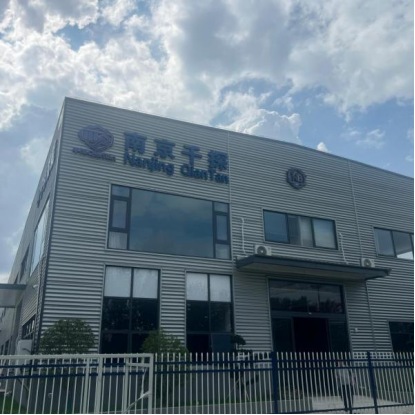
For industrial buyers and battery plant technologists, choosing a supplier for these raw materials goes beyond simply comparing prices. The stability of physical and chemical parameters from batch to batch is a critical factor ensuring the uninterrupted production cycle. Nanjing Qiantan Energy Storage Technology Co., Ltd., with more than 30 years of industry experience and full-cycle projects from plant design to certified product delivery, pays special attention to quality control of incoming raw materials, including barium sulfate. Understanding the technical nuances of this material makes it possible to optimize the electrolyte paste formulation and reduce the percentage of defects at the battery molding stages.
Technological role of barium sulfate in the negative electrode
In a lead-acid battery, the negative electrode is at risk of sulfation when discharged. Coarse-crystalline lead sulfate, formed during deep discharge or long-term storage, is poorly restored during charging, which leads to irreversible loss of capacity. Precipitated barium sulfate functions as crystallization centers (nucleating agent). Due to isostructurality with lead sulfate (PbSO₄), BaSO₄ particles ensure the formation of a fine-crystalline structure of lead sulfate during discharge. This structure has a larger surface area and is more easily converted back to lead metal when charged.
The efficiency of this process depends not only on the presence of barium, but also on the morphology of its particles. Too large agglomerates do not act as effective nucleation centers, and excessively small particles can lead to an unnecessary increase in the internal resistance of the electrode. Therefore, for manufacturers of EV, OPzV series batteries and CP series stationary batteries offered by Nanjing Qiantan Energy Storage Technology LLC, it is critical to use a material with a strictly defined particle size distribution.
Key technical parameters and GOST/ISO requirements
When purchasing precipitated barium sulfate in bulk, technicians should rely on specific physical and chemical indicators rather than general marketing claims. The quality of the material is regulated by a number of parameters that affect the rheological properties of the paste and the electrochemical characteristics of the finished product.
| Parameter | Typical requirement for a battery | Impact on process/product |
|---|---|---|
| Purity (BaSO₄) | > 98.5 – 99.5% | Reducing the content of impurities (Fe, Cu, Cl) causing self-discharge. |
| Average particle size (D50) | 0.4 – 1.5 µm | Determines the packing density of the active mass and the rate of reactions. |
| Specific surface area (BET) | 2 – 6 m²/g | Affects the number of crystallization centers and the viscosity of the paste. |
| Solubility in HCl | <0.3% | An indicator of the presence of carbonate impurities that affect the pH of the electrolyte. |
| Whiteness | >95% | An indirect indicator of purity and absence of iron oxides. |
| Humidity | <0.5% | Prevents caking when mixed with lead oxide. |
Engineering practice shows that a deviation of the average particle size of even 0.2 microns may require adjustment of the amount of expansion additives (lignosulfonates) in the formulation. Nanjing Qiantan Energy Storage Technologies LLC, implementing advanced technological solutions at partner factories in Russia, Iran and Turkey, recommends incoming inspection of each batch of raw materials using laser diffraction to analyze the particle size distribution. This is especially important for high-power front-terminal solutions of the HFS and CT series, where current requirements are highest.
Comparison of precipitated and natural barium sulfate
The choice between natural barite and a synthetic (precipitated) product is often dictated by the economics of the product and its intended purpose. However, for modern maintenance-free and gel batteries, the use of natural raw materials is often unacceptable due to the instability of characteristics.
| Characteristics | Natural barite (ground) | Precipitated barium sulfate (synthetic) |
|---|---|---|
| Cleanliness | 85-95%, high variations | 98-99.5%, stable |
| Particle size | Uncontrolled, wide range | Controlled, narrow distribution |
| Impurities | High content of Fe, Si, Al | Minimum impurity content |
| Effect on self-discharge | High risk (due to impurities) | Low risk |
| Cost | Low | Higher, but justified for the premium segment |
| Application | Cheap starter batteries, weights | AGM, Gel, OPzV, traction batteries |
The table shows that for high value-added products, such as tubular monoblocks of the CL 2V series or gel batteries OPzV, the use of precipitated barium sulfate is a technological necessity. Iron impurities in natural barite can catalyze gas recombination reactions and increase the rate of grid corrosion, which shortens battery life. At the same time, for some budget segments of 1S series car batteries, the use of highly purified natural barite is allowed if it is economically justified and confirmed by durability tests.
Price formation factors and supply logistics
The price of precipitated barium sulfate is determined by several factors that buyers need to consider when planning their budget. Firstly, there is the cost of the initial reagents (barium chloride and sulfuric acid or sodium sulfate) and energy costs for the process of precipitation, drying and grinding. Secondly, logistics plays a significant role. Taking into account the geographical presence of Nanjing Qiantan Energy Storage Technologies LLC (China, Russia, CIS countries and Asia), the company optimizes supply chains, offering competitive conditions for wholesale buyers.
An important aspect is packaging. To maintain low humidity and prevent contamination, the material is usually supplied in multi-layer paper bags with a polyethylene layer or in big bags with a volume of 500-1000 kg. When importing to Russia and the EAEU countries, it is necessary to take into account the requirements of customs regulation and the availability of certificates of conformity. The company provides full documentary support, including quality passports and certificates of origin, which simplifies the procedure for accepting raw materials at the plant warehouse.
Integration into the production cycle of a battery plant
Nanjing Qiantan Energy Storage Technology LLC positions itself not just as a supplier of components, but as a full-cycle operator. This means that the company is able to not only supply barium sulfate, but also integrate its use into the overall production technology. The company's specialists, who have worked in leading Chinese and international corporations, have the competence to set up paste mixing processes.
The process of introducing a new batch of barium sulfate requires pilot testing. A typical procedure includes:
- Laboratory analysis of the physical and chemical properties of the incoming batch.
- Preparation of laboratory samples of negative paste with varying additive content (usually 0.5–1.5% by weight of lead oxide).
- Formation of test electrodes and cycling in a half-cell.
- Assessment of capacity, charge acceptance at -18°C and resistance to sulfation.
This approach allows us to minimize the risks of production failures. For example, when switching to the production of EV series lead-acid traction batteries, where deep discharge cycles are important, precise dosage of high-quality barium sulfate can increase battery life by 15-20% compared to using low-quality raw materials.
Application in various types of lead-acid systems
The quality requirements for precipitated barium sulfate vary depending on the type of battery. Understanding these differences helps buyers choose the best value for money for a particular product.
Stationary and telecommunication batteries (OPzV, CP)
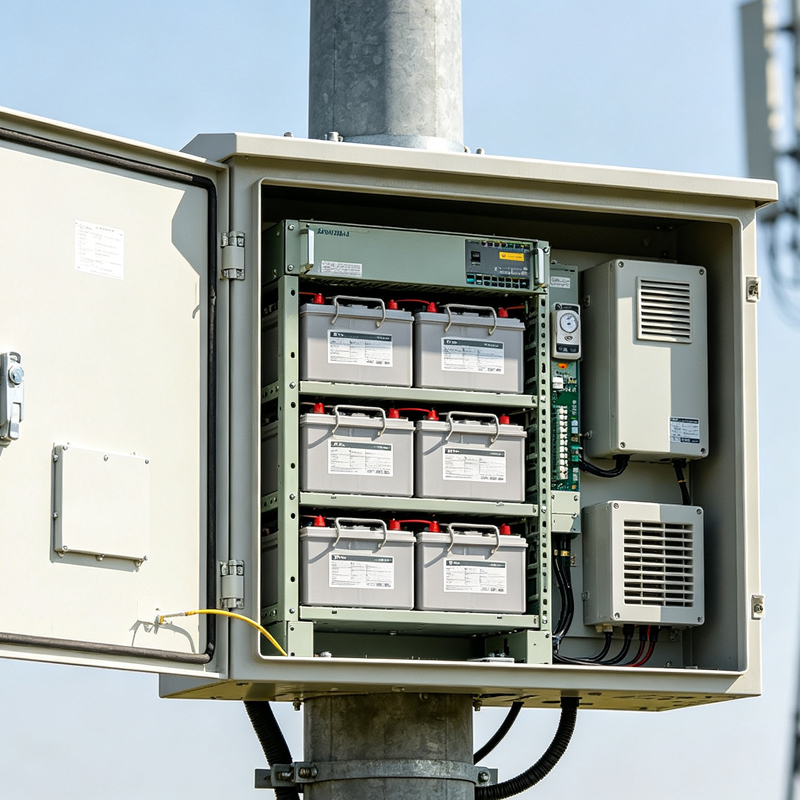
For batteries intended for use in uninterruptible power supply (UPS) systems and telecommunications, the key parameter is service life (up to 10-15 years) and reliability. It uses barium sulfate with high purity and narrow particle distribution. Any impurities that contribute to corrosion of the positive electrode or self-discharge of the negative electrode are unacceptable. The long-life stationary CP series batteries offered by the company require raw materials that guarantee the stability of the negative electrode potential throughout the entire service life.
Traction batteries (EV, warehouse equipment)
Traction batteries are subjected to deep discharges every day. In this mode, the risk of irreversible sulfation is greatest. The precipitated barium sulfate here acts as an insurance policy against degradation of the active mass. It is important that the material provides mechanical strength to the active mass layer, preventing it from shedding during vibrations. Engineers at Nanjing Qiantan Energy Storage Technology LLC recommend using modified types of sediment for this segment, which provide better adhesion to the lead grid.
Car starter batteries (1S)
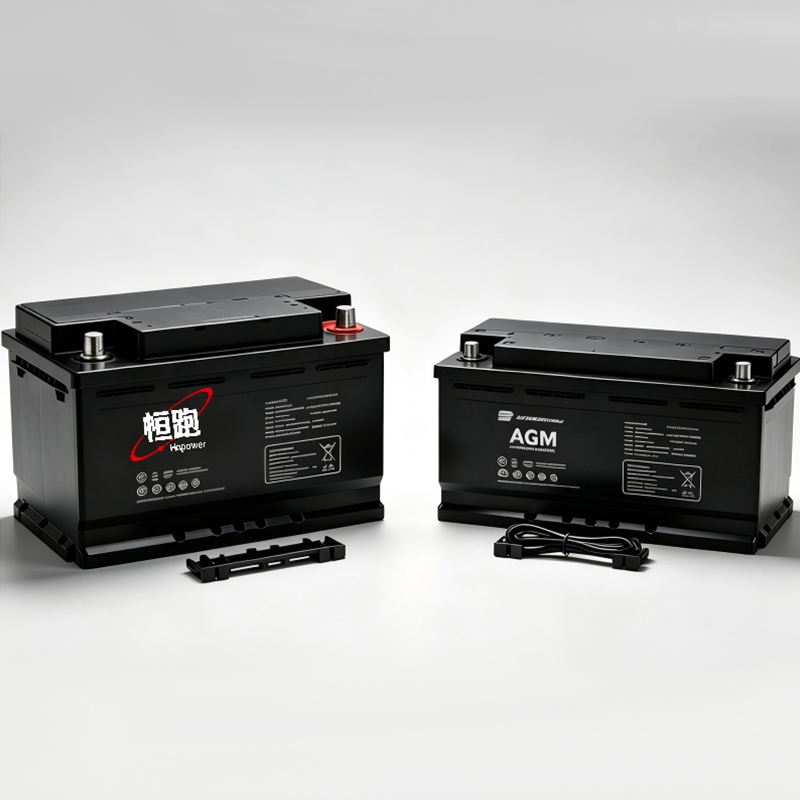
In the mass segment of automobile batteries, high current output during cold start is important. Barium sulfate helps maintain the porosity of the negative electrode, which facilitates penetration of the electrolyte. However, given the high competition in this segment, manufacturers often seek a balance between cost and performance. Supplies of raw materials for this area are characterized by large volumes and strict requirements for logistics efficiency.
Common problems and solutions
Even when using high-quality raw materials, technological failures are possible due to improper storage or preparation of barium sulfate. Below are the main problems and engineering recommendations to eliminate them.
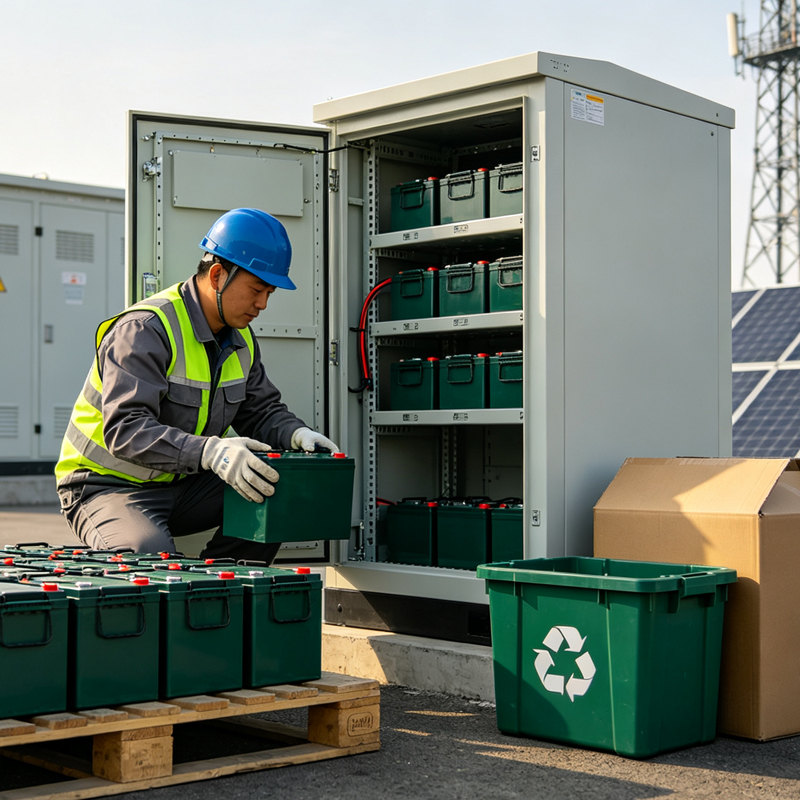
- Powder clumping:Occurs when storage conditions are violated (high humidity). Lumps are difficult to disperse in the paste, creating inhomogeneities in the active layer.Solution:Strict control of humidity in the warehouse (< 60%), use of pneumatic transport systems with air dehumidification.
- Iron contamination:May occur when using worn grinding or transport equipment. Iron sharply accelerates self-discharge.Solution:Regular spectral analysis of raw materials, use of lined mills and conveyors.
- Unstable paste viscosity:Associated with fluctuations in the specific surface area of barium sulfate from batch to batch.Solution:Adjustment of the amount of water and expanding additives in the mixer based on the data from the incoming control of each batch.
Service support specialists from Nanjing Qiantan Energy Storage Technologies LLC are ready to provide engineering support on site, helping partners in Russia, Bangladesh and other countries adapt recipes to local operating conditions and the characteristics of the supplied raw materials.
Frequently asked questions (FAQ)
What is the optimal dosage of precipitated barium sulfate in negative paste?
The usual dosage is 0.5% to 1.5% by weight of lead oxide (PbO). The exact value depends on the type of battery and the expansion additives used. Exceeding the dose may result in a decrease in energy density due to an increase in the proportion of inactive material.
Is it possible to replace precipitated barium sulfate with natural barite in AGM batteries?
For AGM batteries, especially premium ones, replacement is not recommended. Natural barite contains impurities that can disrupt the gas recombination process and increase internal resistance. The use of precipitated product is standard to ensure high performance AGM technology.
How to store precipitated barium sulfate in a plant warehouse?
The material must be stored in a dry, well-ventilated area, in its original packaging. Direct contact with moisture and aggressive chemicals must be avoided. The shelf life is usually unlimited if the packaging conditions are sealed, but it is recommended to use the FIFO (first in, first out) principle.
Does the color of barium sulfate affect the quality of the battery?
High quality precipitated barium sulfate should be pure white. A gray or yellowish tint indicates the presence of impurities (organic substances, iron oxides or insoluble residues) that can negatively affect the electrochemical processes in the battery.
Does Nanjing Qiantan Energy Storage Technology LLC provide technical documentation for raw materials?
Yes, the company provides complete packages of technical documentation, including certificates of quality (COA), certificates of conformity and, if necessary, independent laboratory testing data. This is consistent with the principles of technological transparency on which the company's activities are based.
Conclusion and recommendations on procurement
Selecting a precipitated barium sulfate supplier is a strategic decision for any lead-acid battery manufacturer. Saving on the quality of this component often leads to significant losses due to the return of defective products and loss of reputation. Nanjing Qiantan Energy Storage Technologies LLC offers its partners not just raw materials, but an integrated approach to quality assurance. Thanks to the team’s many years of expertise and global experience in project implementation, the company guarantees stability of supply and compliance of products with international standards.
When creating a purchase request, it is recommended to request samples for pilot testing and discuss individual logistics conditions, especially for large quantities. Integrating reliable raw material suppliers into the value chain is one of the key success factors in the production of advanced battery solutions such as high temperature batteries and high power energy storage systems.
To obtain a detailed specification, request a quotation or advice on integrating materials into the production process, please contact our technical specialists or go toproducts and technological solutionsto view the company's full portfolio.