

Precipitated barium sulfate: buy in bulk from the manufacturer
2026-09-13
- Precipitated barium sulfate: a key component for the active mass of lead-acid batteries
- Technical characteristics and quality requirements
- Application in various types of lead-acid batteries
- Logistics, packaging and quality control for wholesale supplies
- Frequently asked questions (FAQ)
- Conclusion and recommendations on procurement
Precipitated barium sulfate: a key component for the active mass of lead-acid batteries
Precipitated barium sulfate (BaSO₄) is a high-purity inorganic powder that plays a critical role in lead-acid battery technology. Unlike natural barite, the precipitated form of this substance is characterized by strictly controlled particle size, a high degree of purity and the absence of heavy metal impurities such as iron, copper or chlorine. It is these parameters that make it an indispensable additive material in the formation of negative electrode mass.
In the context of modern battery production, where the requirements for cyclic life and starting currents are constantly growing, the quality of the starting materials determines the final characteristics of the product. Precipitated barium sulfate acts as a structure-forming agent that prevents compaction of the active mass and promotes uniform distribution of conductive additives. For industrial buyers and technologists, understanding the physical and chemical properties of this material is fundamental to ensuring the stability of the production process and minimizing waste during the battery molding stage.
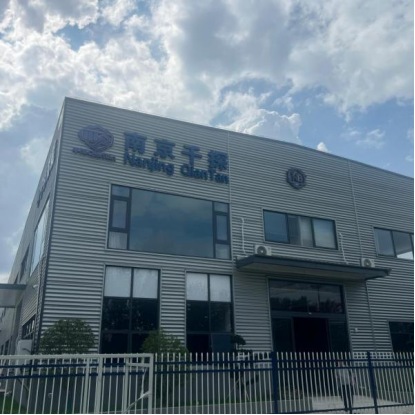
Nanjing Qiantan Energy Storage Technology Co., Ltd., with more than 30 years of industry experience and turnkey projects around the world, from Russia to Southeast Asia, integrates the supply of high-quality precipitated barium sulfate into its comprehensive solutions. We understand that the stability of chemical processes in a plant depends on the consistency of the quality of raw materials, therefore our approach to supply is based on strict incoming control and certification of each batch.
The role of barium sulfate in the electrochemical system of the battery
To understand why the precipitated form of barium sulfate is the de facto industry standard, it is necessary to consider its function within the negative electrode. During the discharge of a lead-acid battery, the active mass of the negative electrode is converted into lead sulfate. Upon subsequent charging, this sulfate should be reduced back to metallic sponge lead. However, without special additives, lead sulfate crystals tend to grow and become larger, which leads to loss of active surface and, as a result, a decrease in battery capacity - a phenomenon known as sulfation.
Barium sulfate, being isomorphic to lead sulfate (having a similar crystal lattice), acts as crystallization centers. It ensures the formation of many small lead sulfate crystals instead of several large ones. This preserves the porosity of the active mass, allowing the electrolyte to freely penetrate deep into the electrode even after hundreds of charge-discharge cycles. In addition, BaSO₄ mechanically strengthens the structure of the lubricant, preventing it from falling off the grid during vibrations, which is especially important for traction and car batteries.
It is important to note that the efficiency of barium sulfate directly depends on its dispersity. Particles that are too large will not be able to serve as a seed for crystallization, and particles that are too small can agglomerate, creating non-conducting zones in the active mass. Therefore, when choosing a supplier, the key parameter becomes not just the chemical formula, but the granulometric composition of the product.
Technical characteristics and quality requirements
When purchasing precipitated barium sulfate in bulk for battery production, technicians must rely on strict specifications. A deviation in even one of the parameters can lead to instability in the lead oxide mixing process or to deterioration in the performance characteristics of the finished battery. Below are the key parameters that are subject to mandatory control.
| Parameter | Typical requirement for a battery | Impact on production |
|---|---|---|
| Purity (BaSO₄) | > 98.5 – 99.0% | Reduced risk of adverse reactions and self-discharge |
| Solubility in water | <0.0002 g/100 ml | Ensuring chemical inertness in the electrolyte |
| Particle size (D50) | 0.4 – 0.8 µm | Optimal distribution in the active mass |
| Iron content (Fe) | <0.005% | Preventing grid corrosion and capacity loss |
| Chloride content (Cl) | <0.005% | Elimination of aggressive effects on lead |
| Whiteness | >95% | Indicator of the absence of organic and metal impurities |
| Specific surface | 5 – 10 m²/g | Affects the rate of formation of crystallization centers |
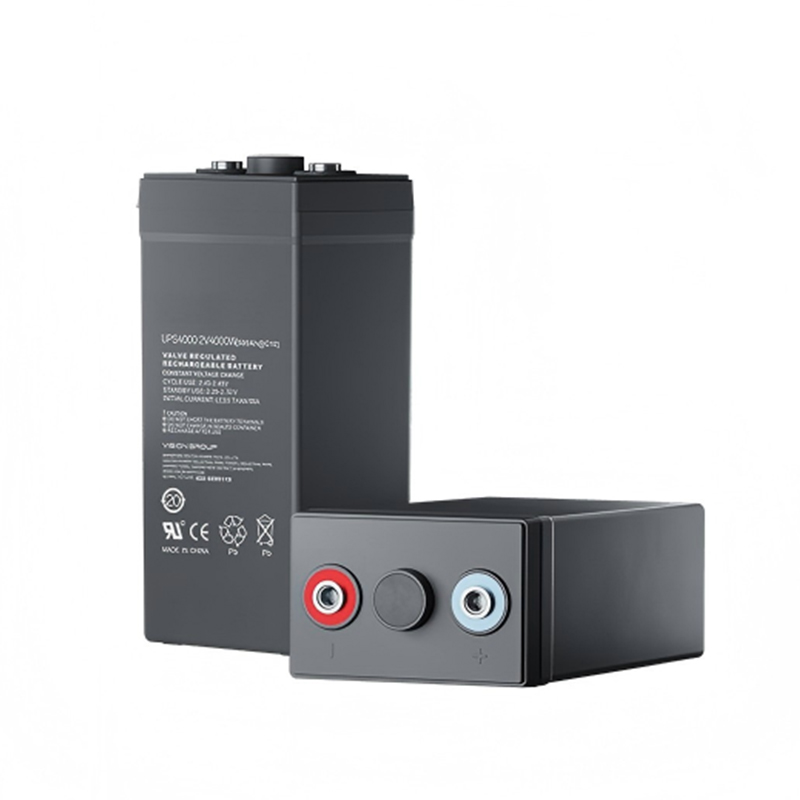
Please note that specific values may vary depending on the type of battery manufactured. For example, starter batteries (SLI), where high starting currents are important, require finer grinding and a high specific surface area. For stationary batteries of the CP series or tubular monoblocks CL 2V, where long service life and deep discharge are a priority, the absolute purity of the product and the absence of trace elements that catalyze corrosion become more critical.
Engineers at Nanjing Qiantan Energy Storage Technology LLC take these nuances into account when designing production lines. Our experience of working with leading Chinese and international corporations allows us to recommend optimal raw material specifications for specific equipment and the customer’s active mass formulation.
Comparison of precipitated barium sulfate and natural barite
Buyers often have questions about the advisability of using expensive precipitated barium sulfate instead of cheaper ground natural barite. The answer lies in the level of technological discipline and the quality of the final product. Natural barite, even after thorough cleaning and grinding, contains inevitable impurities of quartz, calcite and, most dangerously, soluble salts of other metals.
| Criterion | Precipitated barium sulfate | Natural barite (ground) |
|---|---|---|
| Chemical purity | High (>98.5%), controlled composition | Low/Medium, varies by field |
| Particle size | Narrow distribution, submicron range | Wide distribution, presence of large fractions |
| Heavy metal impurities | Minimal (trace amounts) | High risk of presence of Fe, Cu, Ni |
| Effect on self-discharge | Neutral | Can significantly increase self-discharge |
| Cost | Higher | Below |
| Applicability in batteries | The standard for quality batteries | Only for low-grade products or as a filler |
The use of natural barite in modern maintenance-free batteries (1S series) or gel batteries (OPzV, CG) is unacceptable, since impurities cause intense gas evolution and water loss, which contradicts the very concept of these technologies. Precipitated barium sulfate ensures predictable behavior of the active mass, which is a prerequisite for compliance with warranty obligations to the end consumer.
Application in various types of lead-acid batteries
The geography of application of precipitated barium sulfate covers all segments of the battery industry. However, the dosage and requirements for the quality of the material vary depending on the purpose of the battery. Let's look at the main use cases.
Starter and car batteries
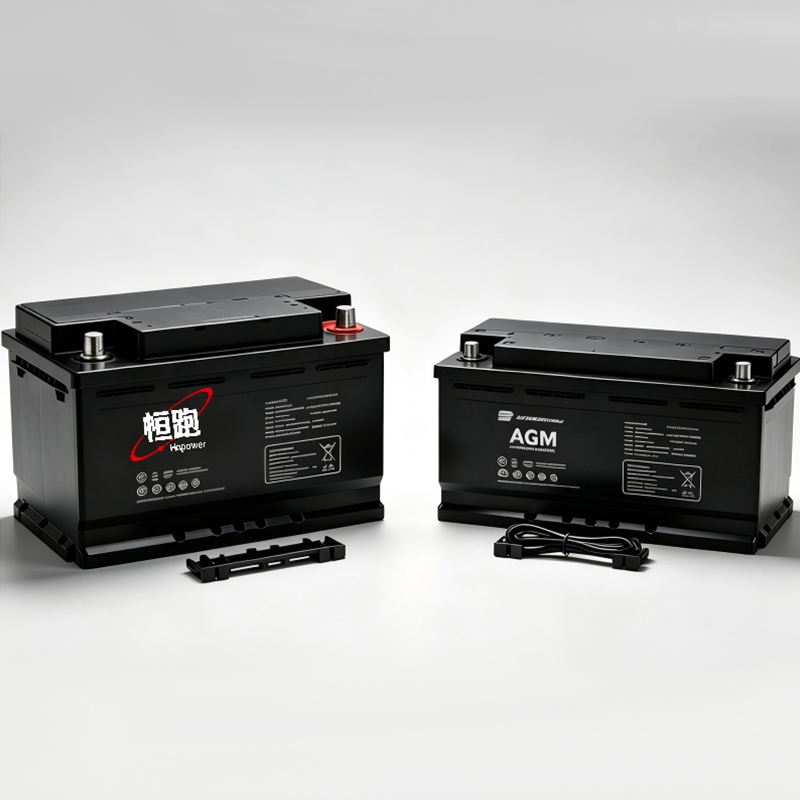
In the production of maintenance-free 1S series automotive batteries, a key challenge is ensuring high inrush currents at low temperatures. Precipitated barium sulfate here works in synergy with lignin and other expanders. It prevents sintering of the active mass during frequent surface charge-discharge cycles characteristic of the operating mode of a car generator. The purity of the material is critical: any impurities of copper or iron lead to a sharp drop in voltage when the starter is cranked in winter.
Traction and industrial batteries
EV series lead-acid traction batteries used in electric forklifts and warehouse equipment are characterized by deep discharges and long operating cycles. In this case, barium sulfate acts as a mechanical stabilizer. It prevents the destruction of the electrode structure with constant changes in the volume of the active mass (cyclic expansion and contraction). Nanjing Qiantan Energy Storage Technologies LLC, when implementing projects for logistics companies in Russia and the CIS countries, pays special attention to the selection of raw materials that ensure the maximum resource of such batteries.
Stationary and telecommunication systems (UPS)
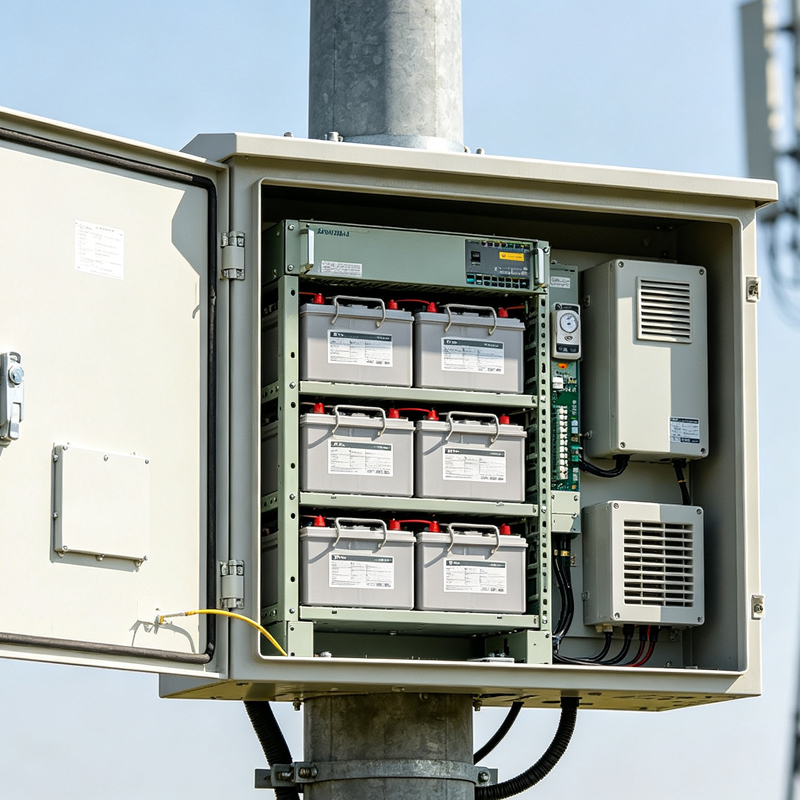
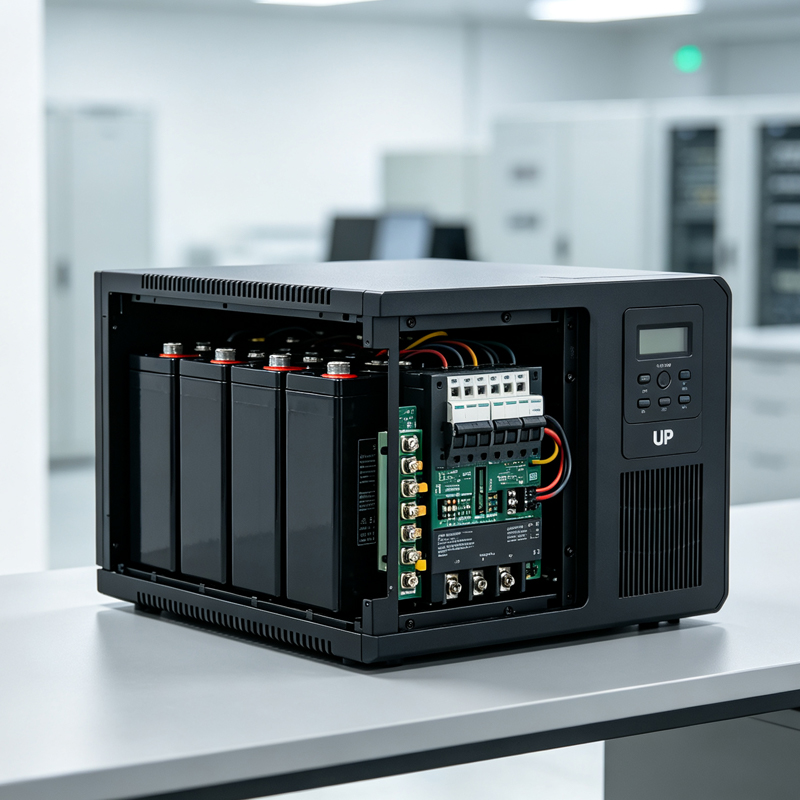
In long-life stationary batteries of the CP series and uninterruptible power supply systems (UPS), the service life can reach 10-15 years. Here, the main role is played by the absence of impurities that contribute to corrosion of the positive lattice or degradation of the separator. Precipitated, highly purified barium sulfate ensures that over decades of use, the battery will not accumulate reaction byproducts that could cause short circuits or valve leaks.
Logistics, packaging and quality control for wholesale supplies
Organizing the supply of chemical raw materials for battery production requires a special approach to logistics and storage. Precipitated barium sulfate, despite its chemical inertness, is sensitive to contamination by foreign substances and moisture. Clumping of the powder makes it difficult to dispense in mixers and leads to uneven distribution in the paste.
Standard packaging practices include the use of multi-layer paper bags with polyethylene liners weighing 25 kg or big bags (soft containers) weighing 500-1000 kg for large industrial quantities. It is important that the packaging is sealed and protected from dust. During transportation, it is necessary to exclude the possibility of damage to the container and ingress of moisture.
Nanjing Qiantan Energy Storage Technologies LLC has built effective logistics chains for supplies to Russia, Iran, Turkey and other countries. We provide a full cycle of cargo support, including the provision of the necessary quality certificates, safety data sheets and customs documentation. Each batch is accompanied by a test report confirming compliance with the stated specifications.
An engineering perspective on supplier selection
As a matter of engineering practice, the selection of a precipitated barium sulfate supplier should not be based solely on price per ton. A more important criterion is the consistency of quality from batch to batch. Fluctuations in particle size or impurity content require constant adjustment of the active mass formulation at the plant, which leads to equipment downtime and an increase in the percentage of defects.
A reliable supplier, such as Nanjing Qiantan Energy Storage Technology Co., Ltd., provides not just a product, but technical support. Our specialists, who have experience working at leading battery factories, are ready to advise on optimizing barium sulfate dosages depending on the lead oxide used and the type of separator. We help our partners achieve a balance between the cost of materials and the performance of finished products.
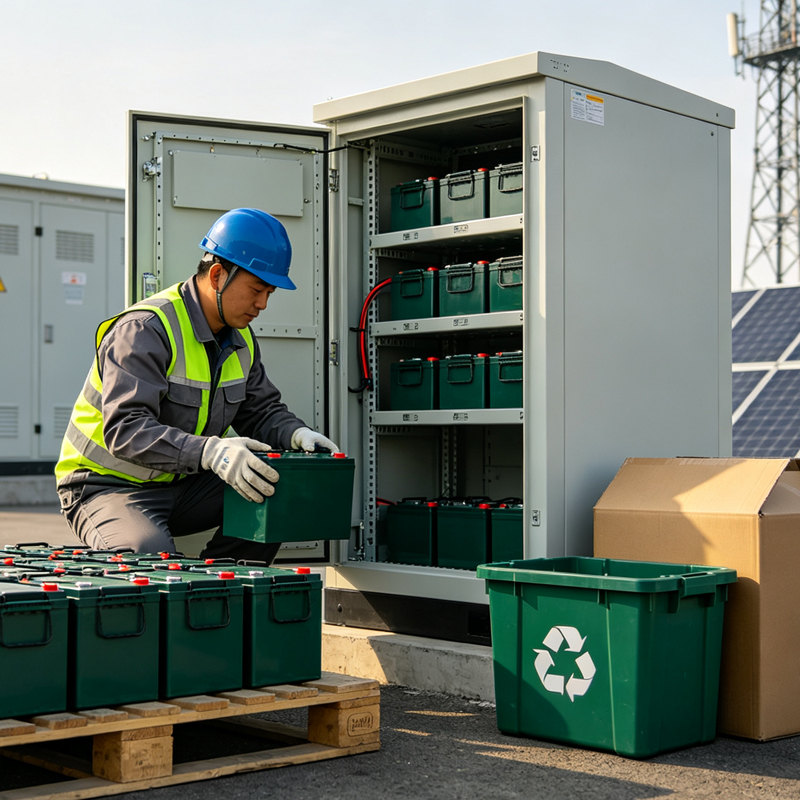
In addition, it is important to consider environmental aspects. Our company is actively implementing the principles of sustainable development, including the recycling of used batteries. The use of clean, safe raw materials during the production stage simplifies the subsequent disposal of batteries and reduces the environmental burden, which is becoming an increasingly important factor when entering international markets and complying with strict environmental regulations.
Frequently asked questions (FAQ)
What is the optimal dosage of precipitated barium sulfate in the active mass?
Typical dosage ranges from 0.5% to 1.5% by weight of the dry active mass of the negative electrode. The exact value depends on the specific formulation, the presence of other additives (lignin, carbon black, fibers) and the required battery characteristics. Exceeding the dosage may lead to an increase in the internal resistance of the battery.
Can precipitated barium sulfate be stored outdoors?
No, outdoor storage is not recommended. Although barium sulfate itself is not hygroscopic, it easily absorbs moisture from the air and can become contaminated with dust and dirt. Storage must be carried out in dry, closed warehouses on pallets, in original, undamaged packaging.
Does the color of barium sulfate affect the quality of the battery?
Yes, color is an indicator of purity. High quality precipitated barium sulfate should be pure white. A gray, yellowish or reddish tint indicates the presence of impurities (iron oxides, organic substances or insoluble residue) that can adversely affect electrochemical processes.
How does barium sulfate affect the battery forming process?
Properly selected barium sulfate facilitates the molding process, ensuring a more uniform distribution of current throughout the electrode volume. This facilitates the rapid and complete conversion of lead oxide into the active mass, reducing molding time and reducing energy costs at this stage of production.
Is special preparation required before adding the material to the mixer?
Typically, precipitated barium sulfate is used in the form of a dry powder. However, it is important to make sure there are no lumps. In some cases, pre-screening or the use of air feed systems with aeration are recommended to ensure uniform mixing with the lead oxide and acid.
Conclusion and recommendations on procurement
Precipitated barium sulfate is an integral component of modern lead-acid battery technology. Its quality directly determines such important indicators as capacity, starting current, battery life and reliability. For manufacturers focused on producing competitive products that meet international standards, the use of a highly purified precipitated product is the only choice.
When planning purchases, it is recommended to pay attention not only to price, but also to the reputation of the supplier, the presence of its own quality control laboratory and the ability to ensure stable supplies of the required volumes. Cooperation with a company with deep technical expertise, such as Nanjing Qiantan Energy Storage Technology LLC, allows you to minimize production risks and optimize product costs by reducing the defect rate and improving battery performance.
We invite industrial buyers, technologists and owners of battery factories to cooperate. Our specialists are ready to provide product samples, technical advice and commercial proposals tailored to your production needs. Together we can create a reliable base for the production of energy-efficient and environmentally friendly energy storage solutions.
For detailed information about specifications, delivery conditions and prices forprecipitated barium sulfate and other components for battery production, contact us through the form on the website or directly with the sales department.