
Used battery for UPS: purchase and disposal
2026-09-11
Used UPS battery: economic and environmental aspects of disposal
In the context of tightening environmental regulations in 2026, the issue of handling failed uninterruptible power supplies (UPS) has moved from the category of operating expenses to a strategic task of the enterprise.Used battery for UPSis not just industrial waste, but a valuable secondary resource containing lead, plastic and electrolyte. Proper organization of the purchasing and subsequent recycling process allows companies not only to comply with the legislation of the Russian Federation, but also to optimize the budget for the purchase of new batteries. The key aspect is to understand that the residual value of a battery depends on its type, the degree of degradation of the plates and the integrity of the case.
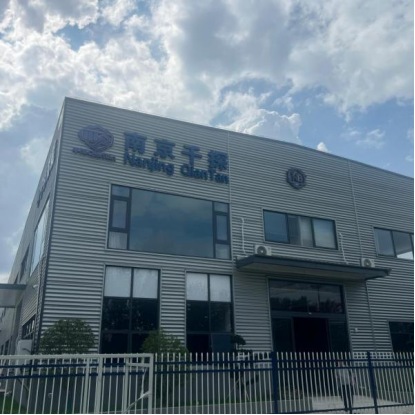
It is critical for CTOs and procurement professionals to select partners who can handle the full end-to-end hazardous waste management cycle. Nanjing Qiantan Energy Storage Technologies LLC demonstrates a full cycle approach: from the supply of highly efficient stationary batteries of the CP and CL 2V series to the organization of environmentally safe disposal of used analogues. This integrated service reduces the risk of fines for improper storage and ensures transparency in the raw material supply chain.
Classification of used batteries and their residual value
Not all batteries removed from UPS equipment have the same marketability on the recyclables market. The assessment begins with identification of chemical composition and design features. In the data center (DPC) and industrial facilities industry, the most common batteries are lead-acid batteries, which are subject to mandatory recycling.
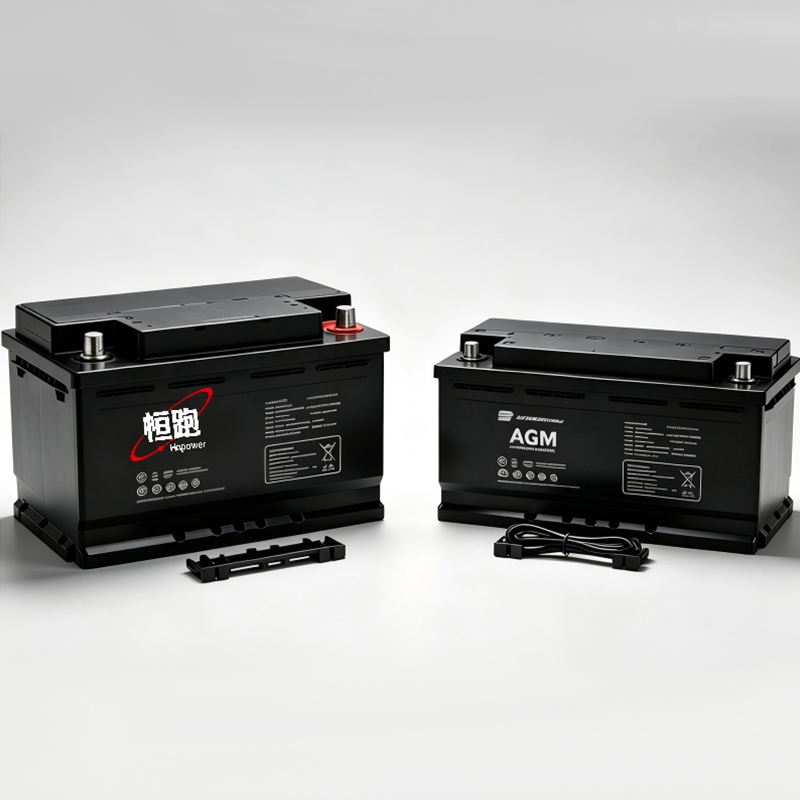
- AGM batteries (Absorbent Glass Mat):The most popular type in the low- and medium-power UPS segment. The electrolyte is absorbed in fiberglass mats. When recycled, they are valued for the high content of pure lead in the grids and the absence of liquid electrolyte, which simplifies logistics.
- GEL batteries (Gel):Used in long-term backup systems. The gelled electrolyte makes removal difficult, but the plates themselves are often thicker, which increases the weight of the scrap lead. The OPzV series, offered by specialized manufacturers, belongs to this class and requires specific regeneration methods.
- Tubular batteries (OPzS/CL 2V):Used in large stationary installations. Thanks to the massive tubular plates, they have the highest specific gravity of lead. Their disposal is the most cost-effective, but transportation requires enhanced safety measures due to the presence of a liquid acid electrolyte.
It is important to note that lithium-ion batteries, which are becoming increasingly popular in modern UPS systems, are not taken to traditional lead scrap yards. For them, there are separate technological lines for the extraction of cobalt, nickel and lithium, which requires other contracts and licenses from the contractor.
Technological recycling process: from dismantling to regeneration
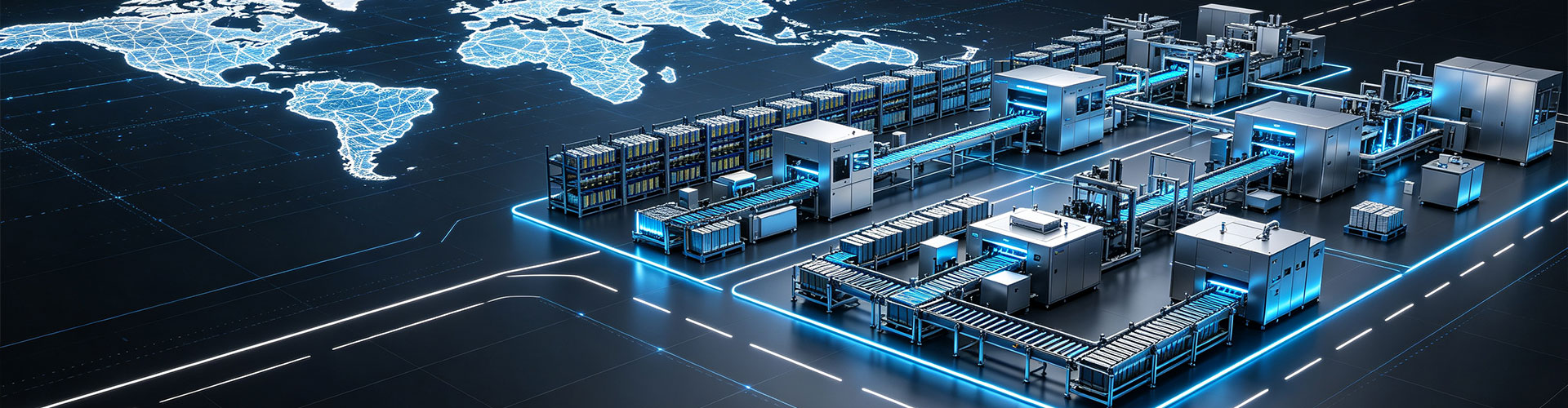
The process of recycling used UPS batteries is a high-tech production cycle that eliminates the release of toxins into the environment. Modern enterprises, such as the infrastructure divisions of Nanjing Qiantan Energy Storage Technologies LLC, use automated lines that provide deep recycling.
- Dismantling and sorting:Batteries are checked for case integrity. Damaged cells are insulated to prevent electrolyte leakage. Sorting occurs according to lattice type and chemical composition.
- Crushing and separation:The cases are crushed in sealed chambers. The resulting mass is divided into fractions: polypropylene (plastic), lead sludge (paste with lead oxide) and metal gratings.
- Electrolyte neutralization:The acidic solution is purified from heavy metal impurities and neutralized to the state of process water or sodium sulfate, which can be used in the glass or textile industries.
- Pyrometallurgical remelting:Lead components are loaded into smelting furnaces. At temperatures above 1000°C, lead is separated from the slag. It is important to control emissions using gas cleaning systems to prevent dioxins from entering the atmosphere.
- Refining:The resulting rough lead is purified from copper, tin and antimony. The result is C1 or C2 grade lead, suitable for the production of new EV, HFS or CT series battery plates.
Engineering experience shows that the quality of recycled lead directly affects the service life of new batteries. The use of contaminated raw materials leads to rapid sulfation of the plates. Therefore, the choice of a processor should be based on the availability of incoming and outgoing quality control laboratories.
Economic model of purchasing: pricing factors
The price at which used UPS batteries are accepted is not fixed. It is formed on the basis of stock exchange quotations for non-ferrous metals and internal processing costs. Buyers evaluate several key parameters:
| Evaluation parameter | Impact on price | Expert commentary |
|---|---|---|
| Net weight | Direct proportional influence | The price is indicated per kilogram of lead content. The higher the proportion of active materials, the higher the price. |
| Grille type | Correction factor | Alloyed lead gratings (with antimony or calcium) may be priced differently due to the difficulty of refining. |
| Case condition | Penalties | Broken cases lead to loss of electrolyte and contamination of the plastic, which reduces the overall cost of the batch. |
| Batch size | Logistics discount | Large quantities (from 1 ton) allow you to optimize transportation costs, which increases the selling price for the client. |
| Purity of plastic | Additional payment | If polypropylene is separated with high quality and is not contaminated with lead paste, it is paid separately as secondary raw materials. |
Lead prices are trending towards stabilization in 2026, but logistics costs remain volatile. Companies implementing turnkey projects, including Nanjing Qiantan Energy Storage Technology LLC, often offer fixed tariffs for removal and disposal, subject to long-term contracts for the supply of new equipment. This allows customers to plan their budget without being tied to daily fluctuations in the scrap market.
Regulatory and Environmental Responsibility
Transferring waste batteries to unreliable intermediaries carries serious legal risks. In the Russian Federation, lead-acid batteries are classified as hazardous waste of hazard class II. Violation of the rules for their collection, transportation and disposal is regulated by Federal Law No. 89-FZ “On Production and Consumption Waste”.
The enterprise owner of the UPS is obliged to enter into an agreement only with organizations licensed by Rosprirodnadzor to collect, transport and process waste of I-IV hazard classes. The absence of a waste passport or incorrect execution of acceptance certificates can lead to large fines and suspension of activities.
Global partners, such as Nanjing Qiantan LLC's customers in Russia, Iran and Turkey, require environmentally friendly recycling certificates. This is part of corporate social responsibility (CSR) and ESG standards. Documentary evidence that the used UPS battery was recycled and not disposed of in a landfill becomes a competitive advantage for the company at tender sites.
Comparison of options for disposing of used batteries
When deciding on the fate of old batteries, technicians are often faced with a choice between several options. Below is a comparison of the main strategies.
| Criterion | Delivery to licensed processing | Sales to “gray” buyers | Storage on balance |
|---|---|---|---|
| Legality | Fully complies with the legislation of the Russian Federation | High risk of administrative and criminal liability | Permissible temporarily, but requires special storage conditions |
| Ecological footprint | Minimal, closed loop | Soil and groundwater contamination with acid and lead | Risk of depressurization and leaks over time |
| Economic benefit | Average, transparent pricing | Possibly higher in the short term, but without documents | None, plus warehouse maintenance costs |
| Document flow | Recycling certificates and licenses are provided | No official documents | Waste logs required |
| Recommendation | Recommendedfor all legal entities | Strongly not recommended | Allowed only until the transport batch has been accumulated |
Integrating recycling into your UPS fleet renewal strategy
Experience in implementing projects in Asia and Eastern Europe shows that the most effective model is a Trade-in or a comprehensive service contract. Instead of a one-time transaction for the sale of scrap, the company transfers old equipment to a supplier of new solutions. Nanjing Qiantan Energy Storage Technology LLC takes exactly this approach. The company not only produces a wide range of batteries, including high-temperature batteries and series with front terminals (HFS, CT), but also takes care of the dismantling of old systems.
This integration solves several engineering problems:
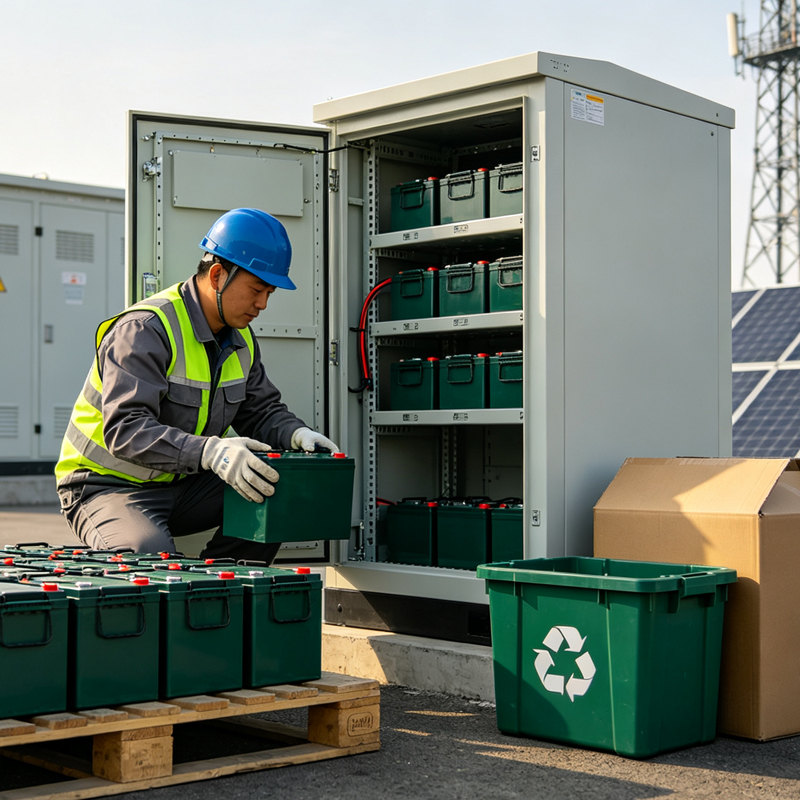
- Dismantling safety:The work is carried out by certified specialists who know the rules of electrical safety and working with acids.
- Logistics optimization:The removal of old equipment is combined with the delivery of new equipment, which reduces transportation costs by half.
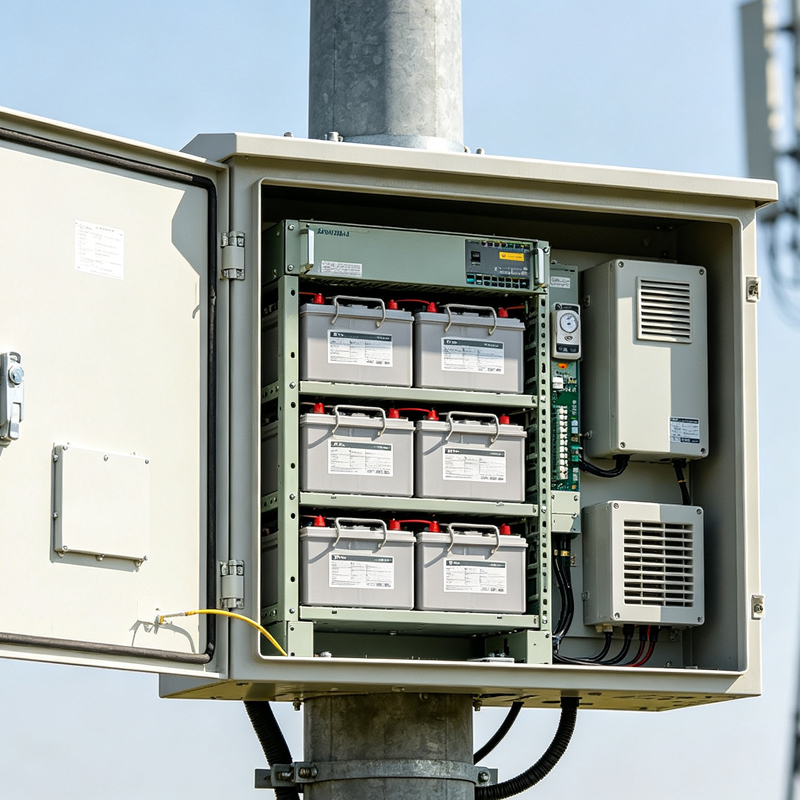
- Technical audit:During dismantling, specialists can assess the condition of cable connections and racks, making recommendations for upgrading the data center or switchboard infrastructure.
It is important to understand that battery life in buffer mode (UPS) is significantly different from cyclic mode. A battery that has worked for 5 years in a UPS may have a residual capacity of 80%, whereas in traction mode it would fail much earlier. Therefore, the rating “spent” does not always mean “completely dead”. Some blocks can be used in less critical systems after testing, but popular practice tends to favor complete redesign to ensure the reliability of new systems.
Practical recommendations for preparing a batch for delivery
To maximize refunds and simplify the acceptance process, technical services should follow the following procedure:
- Inventory:Make an accurate list of models, years of manufacture and number of batteries. Pay attention to the labeling: the presence of lead (Pb) must be clearly indicated.
- Visual inspection:Look for batteries with bulging casings or visible cracks. They must be packaged separately in airtight containers or film.
- Terminal insulation:To avoid short circuits during transportation, the terminals must be protected with dielectric caps or insulating tape.
- Palletizing:Use standard Euro pallets. The weight of the pallet must not exceed the carrying capacity of the vehicle and the requirements of the loading equipment. Usually it is 1–1.5 tons.
- Preparation of documents:Request a draft agreement and a list of required licenses from your chosen partner in advance. Make sure that the contract stipulates liability for environmental violations after the transfer of the cargo.
Experts note that mixing different types of batteries (for example, AGM and GEL) in one batch is acceptable, but may require additional sorting on the recycler's side, which sometimes affects the final price. Clean batches of homogeneous batteries are rated higher.
FAQ: Frequently asked questions about recycling UPS batteries
Is it possible to disassemble the UPS battery yourself to return the plastic and lead separately?
Strongly not recommended. Independent disassembly of lead-acid batteries violates safety precautions and environmental standards. You risk getting chemical burns from sulfuric acid and lead dust poisoning. In addition, illegal dismantling deprives you of the opportunity to obtain official documentation of disposal, which is necessary for reporting to government agencies. Deliver entire batteries to licensed operators.
How is the price per kilogram of used battery determined?
The price is based on the market value of lead, but includes deductions for the processor's costs: transportation, energy costs for smelting, cleaning reagents and plastic disposal. On average, the price is a percentage of the market value of pure lead. An accurate calculation is made after weighing the batch and visually assessing the condition of the cases. Nanjing Qiantan Energy Storage Technology Co., Ltd. provides transparent calculations based on current market indices.
What to do if the battery leaks?
A leaking battery poses an immediate threat. It is necessary to use personal protective equipment (gloves, goggles). The leak site should be neutralized with an alkaline solution (for example, soda solution), then collected with absorbent materials. Such batteries cannot be placed on common pallets with intact ones. They should be packaged in separate plastic containers with a lid and labeled as “damaged.” Please inform the service provider in advance as special transport may be required for removal.
Does the brand of the battery affect the price of its disposal?
For a processor, the brand is not of paramount importance; the chemical composition and weight are important. However, well-known brands (such as products manufactured by Nanjing Qiantan LLC partners) often have more predictable designs and purity of materials, making them easier to recycle. In some cases, if the battery is not completely degraded, branded batteries may have a higher residual value for reuse (second life), but this requires individual testing of each element.
What documents will I receive after returning the batteries?
After completing the transaction, you must receive a waste acceptance certificate and a certificate (or certificate) of disposal. These documents indicate the number of batteries transferred, their weight and confirmation that they were sent for recycling and not landfill. These documents are the basis for writing off assets from the balance sheet of your enterprise and confirming compliance with environmental standards.
Conclusion and prospects for sustainable development
Disposal of used UPS batteries in 2026 is an integral part of the life cycle of energy equipment. The transition from a linear buy-use-throw model to a circular economy requires the participation of responsible partners. Nanjing Qiantan Energy Storage Technology LLC, with thirty years of experience and global expertise, offers not just a scrap removal service, but comprehensive resource management. Integrating the processes for supplying new CP, CL 2V series batteries and recycling old ones allows enterprises to reduce their carbon footprint and optimize operating costs.
An engineering approach to choosing a partner ensures that every kilogram of lead is returned to production in the form of high-quality raw materials, and plastic cases become material for new products. This is a contribution not only to the economy of a particular enterprise, but also to the preservation of the environment for future generations. When planning to replace your UPS fleet, it is recommended that you consider suppliers who can provide complete transparency into the process.
For advice on battery replacement and environmentally friendly disposal of old equipment, check out ourtechnical solutions and products.