

Battery for communication base stations: price from the manufacturer
2026-09-11
- Battery for communication base stations: pricing factors and choosing a reliable supplier
- Telecom Battery Cost Structure
- Technical parameters affecting price and choice
- An engineering view: why a cheap battery can cost more
- Real-life application scenarios and hardware requirements
- How to choose a supplier: criteria for assessing reliability
- Logistics and delivery conditions from the manufacturer
- Frequently asked questions (FAQ)
- Conclusion and recommendations for purchasing
Battery for communication base stations: pricing factors and choosing a reliable supplier
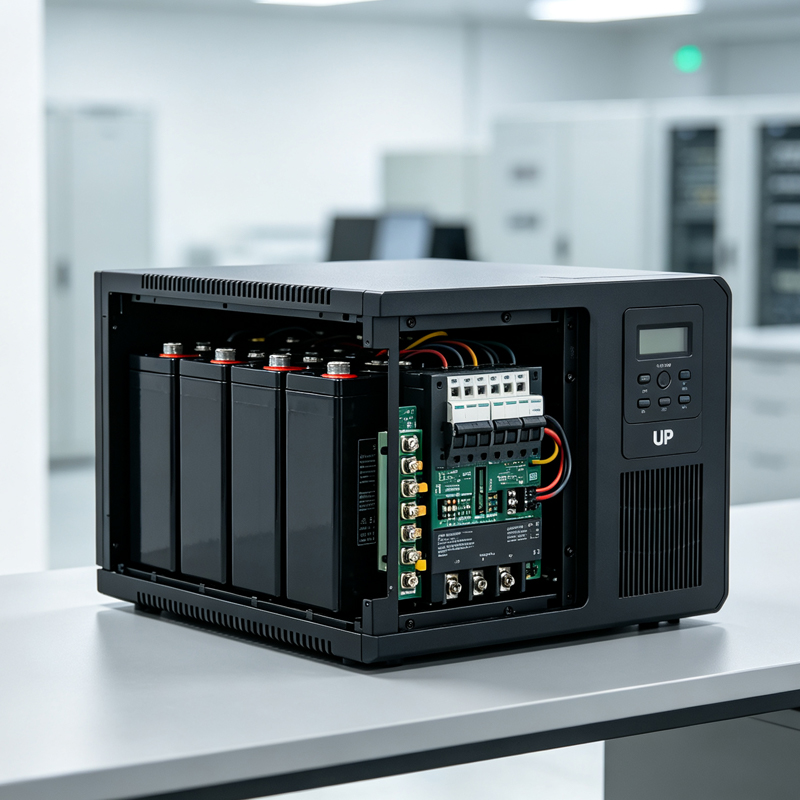
Ensuring uninterrupted power supply to cellular base stations (CBSs) is a critical condition for the stability of telecommunications networks.Battery for communication base stationsperforms the function of a backup energy source, supporting the operation of equipment during periods of outages of the main power grid or peak loads. In 2026, the telecommunications battery market has undergone significant changes: requirements for temperature resistance, cycle life and environmental friendliness of materials have become more stringent. The "factory price" request often reflects the desire of telecom operators and integrators to optimize capital expenditures (CAPEX) without compromising network reliability.
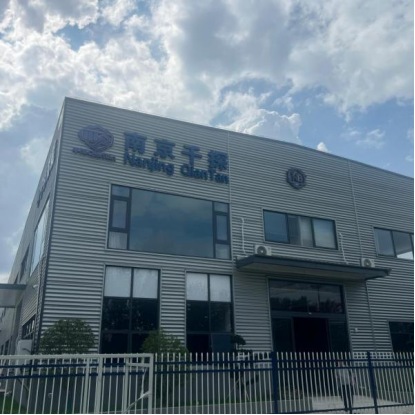
The cost of rechargeable batteries (AB) is not a fixed value and depends on a complex combination of technical parameters, chemical composition, order volume and logistics conditions. Understanding pricing structures allows buyers to avoid overpaying for unnecessary features and identify the risks associated with using low-quality products. Nanjing Qiantan Energy Storage Technologies LLC, with more than 30 years of experience in the industry and implementing projects in Russia, Iran, Turkey and other countries, offers a transparent approach to cost formation based on a full production cycle and strict quality control.
Telecom Battery Cost Structure
The price of a base station battery is determined by several key factors. Buyers must take into account not only the nominal capacity, but also the design features that determine service life under real operating conditions.
1. Chemical composition and production technology
Lead-acid batteries remain the most common solutions, but there are significant differences within this category:
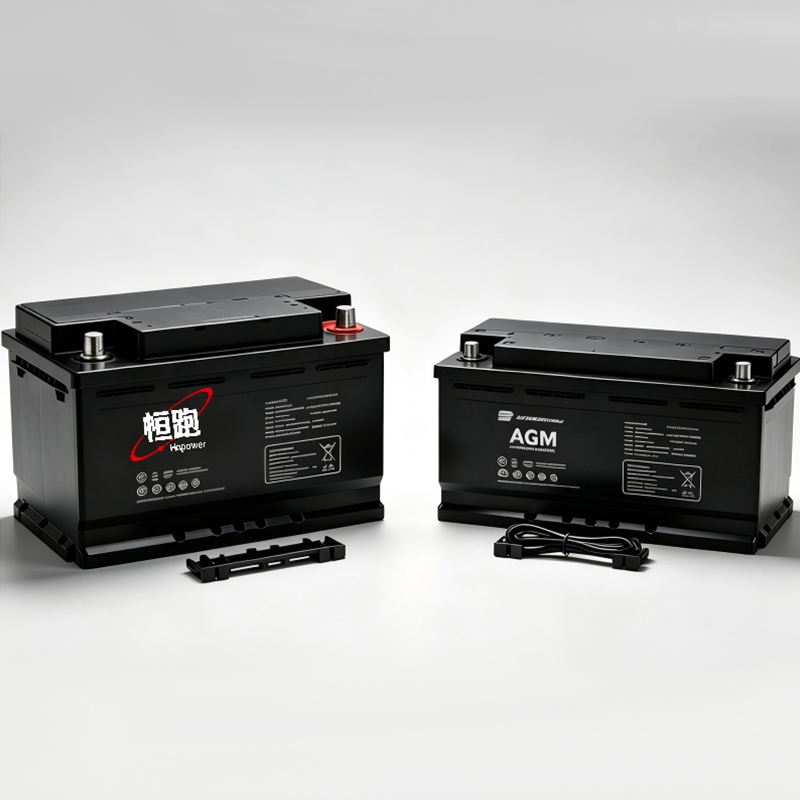
- AGM (Absorbent Glass Mat):A budget option with liquid electrolyte absorbed in fiberglass mats. They have low internal resistance, which is important for high discharge currents, but are sensitive to overheating. The service life is usually 5–7 years.
- GEL (Gel):The electrolyte is thickened to a gel-like state. More resistant to deep discharges and high temperatures, but have less power during short-term discharges compared to AGM. The cost is 15–20% higher.
- OPzV and tubular plates:Batteries with tubular positive plates provide the greatest cyclic life (up to 15–20 years). They are designed for harsh operating conditions and frequent charge-discharge cycles. The cost of such solutions is significantly higher due to the complexity of the production process and lead consumption.
2. Rated capacity and voltage
The standard voltage for telecommunications systems is 12 V or 2 V (for assembly into 48 V, 60 V, etc. batteries). The price is proportional to the amount of active material (lead). However, the relationship is not always linear: large capacity batteries (for example, 200 Ah and above) often have a more favorable cost per unit of capacity due to economies of scale in production.
3. Temperature conditions and design features
Base stations are often located in unconditioned rooms or outdoor closets. Batteries capable of operating at temperatures up to +45°C...+50°C without critical degradation require the use of special separators, alloyed grid alloys and heat-resistant housings. These modifications increase cost but reduce total cost of ownership (TCO) by extending replacement intervals.
Technical parameters affecting price and choice
When requesting a quote, it is important to have precise technical requirements. Below is a table comparing the main types of lead-acid batteries used in telecommunications.
| Parameter | AGM (Standard) | GEL (Gel) | OPzV / Tubular |
|---|---|---|---|
| Service life (at 20°C) | 5–7 years | 10–12 years | 15–20 years |
| Cyclic life (discharge depth 80%) | ~300–400 cycles | ~600–800 cycles | >1500 cycles |
| Temperature resistance | Low (degradation at >25°C) | Average | High |
| Internal resistance | Low (high currents) | Above average | Average |
| Relative cost | Low | Average | High |
| Application | Buffer mode, rare shutdowns | Frequent outages, hot climate | Critical objects, remote stations |
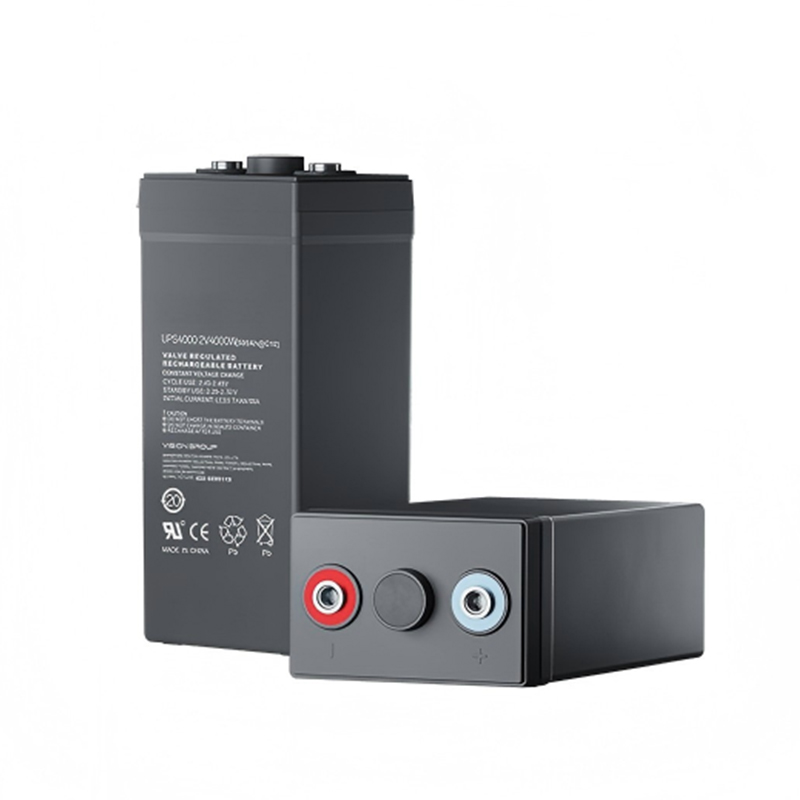
Nanjing Qiantan Energy Storage Technology Co., Ltd. offers a wide range of products, including CP series long-life stationary batteries and CL 2V series tubular monoblocks, which are designed to meet the requirements of reliability and stable performance. The choice of a specific model should be based on an analysis of the base station load profile.
An engineering view: why a cheap battery can cost more
In engineering practice, there is the concept of “total cost of ownership” (TCO). A cheap battery purchased at a low initial price may require replacement after 2-3 years due to sulfation of the plates or drying out of the electrolyte, especially in conditions of unstable power supply and high temperatures. Replacing a battery at an existing base station includes not only the cost of new equipment, but also the costs of logistics, the work of a field team and service downtime.
Engineering Judgment:For base stations located in regions with frequent power outages (more than 10–15 times a month), the use of standard AGM batteries is not economically justified, despite their low purchase price. In such conditions, gel (OPzV) or specialized cyclic batteries are preferred, since their service life in cyclic mode is 2–3 times higher. Savings at the procurement stage are offset by triple replacement costs over a five-year period.
Real-life application scenarios and hardware requirements
Understanding the context of use helps you choose the rightbattery for communication base stations. Let's look at two typical scenarios.
Scenario 1: Urban macro cell with air conditioning
Conditions:Stable power supply network, industrial air conditioning, room temperature 20–25°C. Outages are rare (less than 5 times a year).
Requirements:High energy density, compactness, ability to deliver high current during short-term discharge.
Solution:Standard AGM batteries CP series from Nanjing Qiantan LLC. They provide an optimal price/performance ratio in buffer mode. The risk of thermal runaway is minimal due to room temperature control.
Scenario 2: Remote rural station (Off-grid or weak grid)
Conditions:Frequent power outages, lack of air conditioning, summer temperatures up to +45°C, winter temperatures down to -30°C (in an insulated cabinet). High humidity.
Requirements:Deep discharge resistance, heat resistance, sealing, terminal corrosion protection.
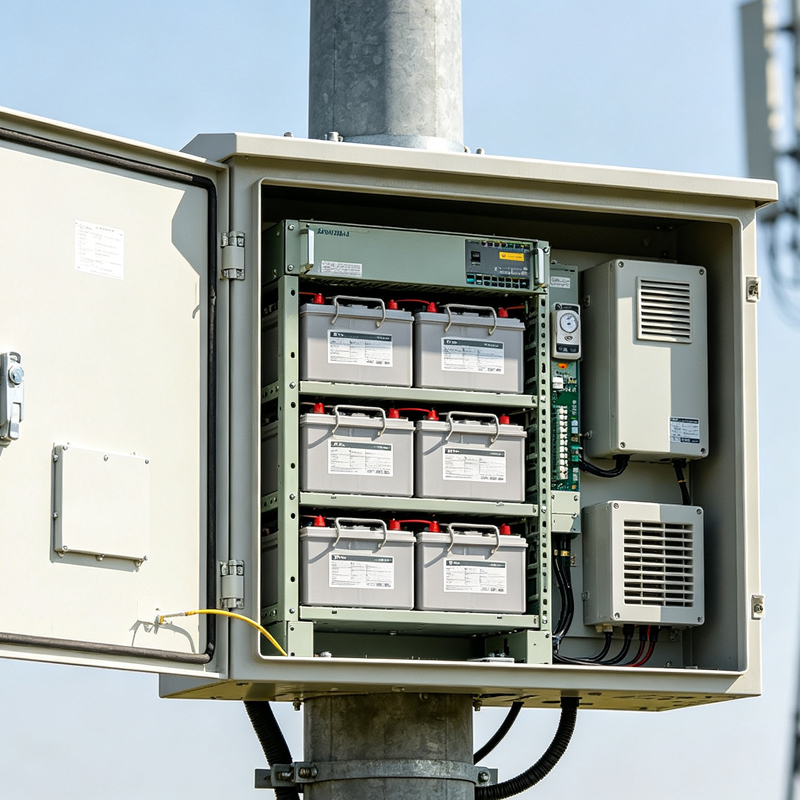
Solution:OPzV gel batteries or high-temperature specialized batteries. The company offers solutions adapted to local operating conditions, which is confirmed by projects in countries with hot climates, such as Iran, Pakistan and Vietnam. The use of front terminals (HFS and CT series) simplifies installation and maintenance in cramped outdoor cabinets.
How to choose a supplier: criteria for assessing reliability
The market is saturated with offers, but not all manufacturers are able to provide consistent quality. When choosing a partner for deliverybatteries for communication base stationsThe following aspects should be paid attention to:
- Full production cycle:Having our own production of plates, gratings and assembly guarantees quality control at every stage. Nanjing Qiantan Energy Storage Technologies LLC positions itself as a full-cycle operator: from the design of production facilities to the release of finished products. This eliminates the risks associated with purchasing semi-finished products from third-party suppliers of unknown quality.
- Certification and Standards:Products must comply with international safety standards (IEC, ISO) and have the necessary certificates for import and operation in the target country (for example, EAC for the Russian Federation). All the company's products are developed taking into account the requirements of reliability and compliance with international standards.
- Technical expertise and support:Possibility of obtaining advice on the selection of equipment and calculation of battery life. The company's key experts have more than 30 years of industry experience and deep expertise in the field of telecommunications batteries.
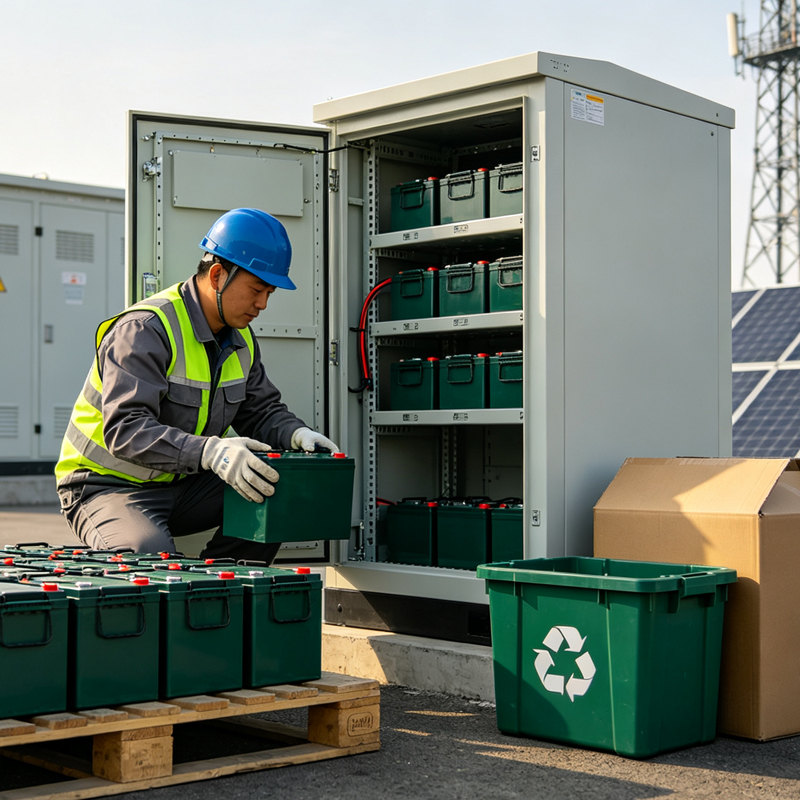
- Environmental responsibility:Having a waste battery recycling system is becoming an important competitive advantage and a legal requirement in many countries. The company has a specialized environmentally friendly processing workshop, which ensures a closed cycle.
Logistics and delivery conditions from the manufacturer
Purchasing directly from a manufacturer, such as Nanjing Qiantan LLC, eliminates the markups of intermediaries. However, it is important to take into account the logistics components of the final price:
- Packing:Batteries are heavy and fragile. Reinforced packaging (pallets, straps, protective corners) is required to prevent damage to terminals and housings during transportation.
- Customs clearance:Correct classification of goods according to foreign trade activities and preparation of a complete package of documents speed up customs clearance. The company's experience in implementing projects in Russia, Turkey and other countries allows us to optimize these processes.
- Production time:Standard items can be shipped from stock, but large quantities or specific models (eg front terminals) may require production time. Procurement planning must take this factor into account.
Frequently asked questions (FAQ)
What is the battery life for the base station?
The service life depends on the technology and operating conditions. Standard AGM batteries in buffer mode at a temperature of 20–25°C last 5–7 years. Gel (OPzV) and tubular batteries can last 10–15 years or more. Every 10°C increase in temperature above the nominal temperature reduces the service life by approximately half.
Is it possible to mix batteries from different manufacturers in one battery?
Strongly not recommended. Differences in internal resistance, capacity and age of batteries result in uneven charging and discharging. This causes overheating, sulfation and premature failure of the entire chain. Always use batteries of the same model, batch and manufacturer.
Does temperature affect the price of a battery?
Yes, indirectly. Batteries designed to operate over a wide temperature range (high-temperature series) use more expensive materials (special lead alloys, separators), which increases their cost. However, their use in hot climates is economically justified due to their longer service life.
How to calculate the required battery capacity?
The calculation is based on the power consumption of the equipment (in W), the required battery life (in hours) and aging and temperature factors. The formula is simplified as follows: C = (P * t) / (V * K * η), where P is power, t is time, V is voltage, K is the coefficient of available capacity (depending on the discharge current and temperature), η is the efficiency of the inverter/system. Nanjing Qiantan LLC engineers can perform this calculation for your specific project.
Does the manufacturer provide a warranty?
Yes, reputable manufacturers provide a warranty, which usually ranges from 1 to 5 years depending on the type of battery. The terms of the warranty are specified in the contract and include the replacement of defective products. Nanjing Qiantan Energy Storage Technology LLC provides service support, including the supply of spare parts and adaptation of solutions.
Conclusion and recommendations for purchasing
Choicebatteries for communication base stationsis a strategic decision that affects the reliability of the telecommunications infrastructure. Manufacturer price is an attractive factor, but it should not be the only selection criterion. It is more important to evaluate the compliance of technical characteristics with actual operating conditions, the reputation of the plant and the availability of technical support.
To minimize risks and optimize the budget, it is recommended:
- Conduct an audit of the operating conditions of each base station (temperature, frequency of shutdowns).
- Select technology (AGM, GEL, OPzV) that matches the load profile.
- Request a quotation from a full-quality manufacturer such as Nanjing Qiantan Energy Storage Technology Co.,Ltd, specifying the exact technical requirements.
- Take into account the costs of logistics and possible disposal of old batteries in your budget.
Cooperation with a proven supplier with global experience and its own production base ensures long-term stability of supply and technical support at all stages of the equipment life cycle. To obtain a detailed cost calculation and select the optimal battery model, we recommend contacting the company’s specialists.
Find out more about ourproducts and technical solutions for telecommunicationsto ensure the reliability of your communication network.