
Continuous casting and rolling line: price from the manufacturer
2026-09-11
- Continuous casting and rolling line: price from the manufacturer and cost formation factors
- Technological essence of the process of continuous casting and rolling
- What is the price of a continuous casting and rolling line?
- Technology Comparison: Continuous Casting and Rolling vs Traditional Method
- Engineering nuances and operating risks
- How to choose a continuous casting and rolling line supplier
- Application of continuous casting and rolling line products
- Frequently asked questions (FAQ)
- Conclusion and recommendations for purchasing
Continuous casting and rolling line: price from the manufacturer and cost formation factors
Costcontinuous casting and rolling linesis not a fixed value in the catalog, since this is a complex engineering structure designed for specific production tasks. The price is determined at the intersection of metallurgical requirements, required annual productivity and degree of process automation. For industrial plants planning to modernize or launch new production, understanding the cost structure is critical to creating a realistic project budget (CAPEX). In 2026, the non-ferrous metallurgy equipment market shows a trend toward the integration of energy-saving technologies and predictive maintenance systems, which also affects the final cost.
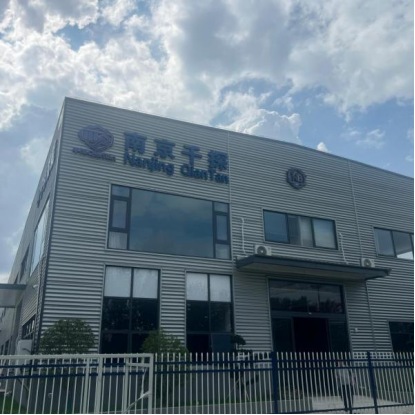
Nanjing Qiantan Energy Storage Technology Co., Ltd., with more than 30 years of experience in industrial engineering and construction of production facilities, offers a comprehensive approach to the assessment and implementation of such projects. We do not just supply equipment, but act as a full-cycle operator: from the development of a technological scheme to the commissioning of the facility. Our experience of working with leading international partners in Russia, Iran, Turkey and other countries allows us to accurately identify customer needs and offer solutions optimized in terms of price-performance ratio.
Technological essence of the process of continuous casting and rolling
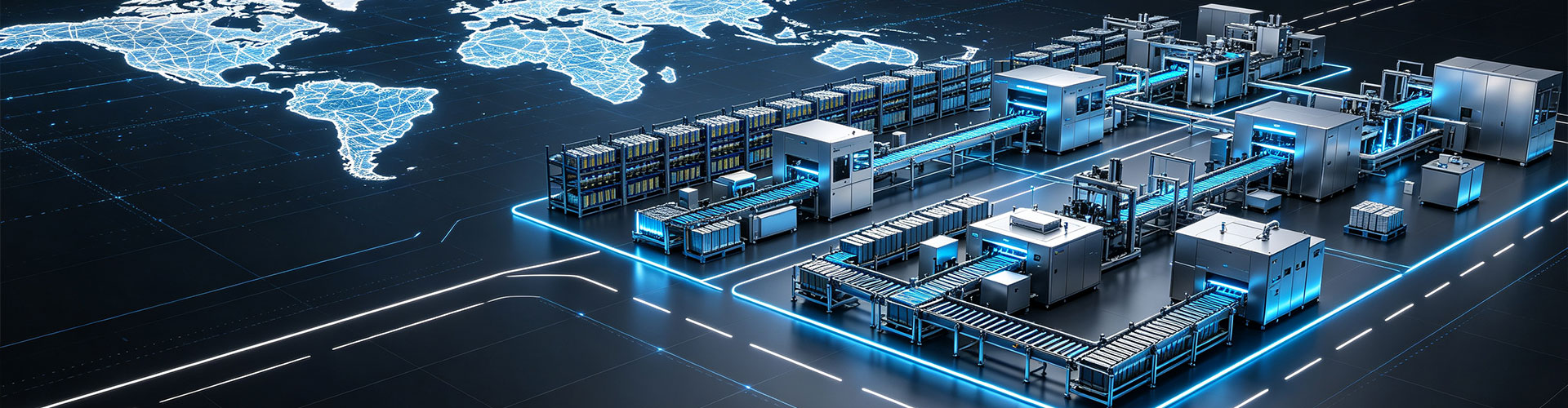
The process of continuous casting and rolling (Continuous Casting and Rolling, CCR) is the combination of two traditional stages of metallurgical production into a single technological chain. Instead of casting ingots, cooling them, then reheating them in furnaces and rolling them, the molten metal (usually copper, aluminum or their alloys) flows directly from the melting furnace into the mold of a continuous casting machine (CCM).
After initial solidification, the workpiece is immediately sent to a group of rolling mills, where it is compressed to the required diameter or cross-section. The key advantage of this technology is the elimination of the reheating stage, which provides significant energy savings (up to 40-50% compared to the traditional method) and reduced metal oxidation. However, such integration requires the highest precision in synchronization of casting speed and rolling speed, as well as temperature stability.
Engineers at Nanjing Qiantan Energy Storage Technology LLC pay special attention to the thermodynamics of the process when designing such lines. Temperature instability at the entrance to the rolling mill can lead to defects in the wire or strip structure, such as cracks or uneven grain size. Therefore, the temperature control and cooling system is one of the most expensive and important components of the line, directly affecting the price of the equipment.
What is the price of a continuous casting and rolling line?
The query “continuous casting and rolling line price” often results in values ranging from several million to tens of millions of dollars. This gap is due to many variables. Below are the main components that form the cost of the project.
1. Capacity and product type
The basic parameter is the annual line capacity. A line with a capacity of 20,000 tons per year will cost significantly less than a plant with a capacity of 100,000 tons. In addition, the type of final product (copper rod, aluminum wire, bar) determines the configuration of the rolling stands. For example, the production of oxygen-free copper rod requires the use of furnaces with a protective atmosphere or vacuum systems, which significantly increases the cost of equipment compared to lines for conventional aluminum.
2. Design of a continuous casting machine (CCM)
There are different types of continuous casters: vertical, radial and horizontal. Horizontal lines are often more compact and can be cheaper to install, but require a more complex workpiece drawing system. Vertical installations provide better quality metal structure due to uniform cooling, but take up more space and require taller buildings. The choice of casting type depends on the available space in the plant and product quality requirements.
3. Rolling mill and drives
The heart of the line is the rolling mill. The number of stands (usually from 8 to 15 or more), roll material (steel, cast iron with endless whitening), type of drives (AC/DC motors, frequency converters) directly affect the price. Modern lines are equipped with digital control systems for tension and wire diameter in real time. Using components from premium European brands increases the cost, but increases reliability and reduces the risk of downtime.
4. Automation and control systems (APCS)
In 2026, the level of automation is a key driver of value. A line equipped with a basic PLC (programmable logic controller) system will cost less than an installation with an integrated SCADA system, artificial intelligence modules for predicting roll wear and remote diagnostics. Nanjing Qiantan Energy Storage Technology LLC recommends investing in advanced control systems, as they pay off by reducing defects and optimizing maintenance costs.
5. Infrastructure requirements and installation
The turnkey price includes not only the equipment, but also its delivery, customs clearance, installation and commissioning. The geography of the project plays a role: logistics to remote regions or countries with complex import regulations can increase the budget by 10-15%. It is also necessary to take into account the costs of connecting to energy networks, water supply and gas purification systems.
| Line component | Impact on cost | Key parameters |
|---|---|---|
| Melting unit and holding furnace | High | Fuel type (gas/electricity), capacity, presence of degassing system |
| Continuous casting machine (CCM) | High | Crystallizer type, cooling system, drawing speed |
| Rolling mill | Critical | Number of stands, roll diameter, drive power, lubrication system |
| Automation system (APCS) | Medium/High | Level of integration, availability of predictive analytics, brand of components |
| Auxiliary equipment | Average | Water purification systems, compressors, crane facilities, laboratory equipment |
Technology Comparison: Continuous Casting and Rolling vs Traditional Method
When deciding to purchase a line, it is necessary to compare CCR technology with the traditional method (ingot casting -> heating -> rolling). This comparison helps justify the investment attractiveness of the project.
| Parameter | Continuous Casting and Rolling (CCR) | Traditional method |
|---|---|---|
| Energy consumption | Low (no reheat) | High (heating of ingots in furnaces) |
| Product yield | High (less oxidation and waste) | Medium (losses due to waste and trimmings) |
| Capital Expenditure (CAPEX) | High (complex integrated equipment) | Below (can be upgraded in stages) |
| Operating Expenses (OPEX) | Lower (less staff, less energy) | Higher (more energy, storage costs) |
| Production flexibility | Low (difficult to quickly change alloy grade) | High (easier to switch between parts) |
| Personnel requirements | High qualifications (process control system management) | Average qualification |
The table shows that although the initial cost of a continuous casting and rolling line is higher, it is offset by lower operating costs. For large manufacturers working with large volumes of one type of metal, CCR technology has no economic alternative. For smaller processes working with a variety of alloys in small batches, the traditional method may remain a more flexible solution.
Engineering nuances and operating risks
Buying equipment is just the beginning. Operation of a continuous casting and rolling line requires strict adherence to technological regulations. One critical aspect is the quality of the raw materials. The presence of impurities in the melt can lead to filter clogging and wire surface defects. Therefore, the line must include effective filtration and degassing systems.
Another important point is the maintenance of rolling mill rolls. Rollers operate under conditions of high temperatures and pressure. Their premature wear leads to changes in profile geometry and defects. Engineers from Nanjing Qiantan Energy Storage Technology LLC recommend implementing automatic lubrication and temperature control systems for rolls, as well as regularly conducting flaw detection. Our team's experience, working with leading battery and metallurgical enterprises in China and the world, shows that preventive maintenance reduces unplanned downtime by 30-40%.
It is also worth noting the importance of the cooling system. Uneven cooling of the workpiece after casting can cause internal stresses, which will appear already at the wire drawing stage for the end user. Therefore, the line design must include accurate calculations of hydraulics and heat removal.
How to choose a continuous casting and rolling line supplier
Choosing an equipment manufacturer is a strategic decision. The market offers many options: from European giants to Asian manufacturers. Nanjing Qiantan Energy Storage Technology LLC positions itself as a reliable partner offering a balance between advanced technology and competitive cost.
What to look for when choosing a supplier:
- Reference list and experience:Request contact information for existing clients. A visit to a working plant provides more information than any presentation. Our company has implemented projects in Russia, Iran, Vietnam and other countries, which confirms our ability to adapt solutions to local conditions.
- Technical support and service:Equipment of this class requires qualified maintenance. Check whether the supplier provides engineers for installation supervision and commissioning, whether there is a spare parts warehouse in your region or a guarantee of fast delivery.
- Design flexibility:The ability of a manufacturer to tailor a standard line to your specific requirements (for example, a specific alloy or site constraints) is a sign of high level of engineering.
- Pricing transparency:Avoid suppliers who quote a final price without detailed specifications. The cost should be broken down by units and stages of work.
- Integrated approach:Preference should be given to companies that can take on the entire cycle - from design to personnel training. Nanjing Qiantan Energy Accumulation Technologies LLC offers just such a model of cooperation, including services for environmentally friendly processing of production waste, which is especially important in light of tightening environmental standards.
Application of continuous casting and rolling line products
Products produced on such lines are used in various industries. Understanding the end market helps you choose the right line parameters.
Electrical industry
Copper and aluminum wire rods are the main raw materials for the production of electrical cables and wires. Here, the electrical conductivity of the material is critically important, which directly depends on the purity of the metal and the structure formed during casting and rolling. CCR lines produce wire with a homogeneous structure, which ensures stable electrical characteristics.
Automotive and transport
The production of tire wire, springs and other fasteners requires high strength and ductility. Continuous casting technology allows you to control the grain size of the metal, which improves the mechanical properties of the finished product. In the context of Nanjing Qiantan Energy Storage Technology LLC, we also see a growing demand for materials for the production of battery components and energy storage systems, which require high precision and quality metal strips and foils.
Construction and architecture
Aluminum profiles and wires for power lines are produced from blanks obtained by continuous casting. The scale of the construction market dictates the need for high line productivity, which makes CCR technology the most cost-effective.
Frequently asked questions (FAQ)
What is the estimated price of the continuous casting and rolling line?
Costs vary widely. A basic low-capacity line can cost between $2-3 million, while high-performance complexes with a full automation cycle can exceed $10-15 million. The exact price is determined only after the development of technical specifications and selection of equipment configuration.
How long does installation and commissioning take?
Typically, the cycle from signing a contract to reaching design capacity takes 12-18 months. This includes design, equipment manufacturing (6-9 months), delivery, installation (3-4 months) and commissioning (2-3 months). Nanjing Qiantan Energy Storage Technology LLC strictly adheres to schedule obligations using proven project management techniques.
Is it possible to modernize an existing line?
Yes, many components can be upgraded. Automation systems, rolling mill drives, or cooling units are often replaced to improve efficiency and product quality. Our specialists audit existing capacities and offer optimal modernization solutions.
What impact does technology have on the environment?
Continuous casting and rolling technology is more environmentally friendly than traditional technology due to lower energy consumption and CO2 emissions. In addition, the absence of the ingot pickling step reduces the volume of chemical waste. Our company also integrates production waste recycling systems, ensuring a closed cycle.
What guarantees does the manufacturer provide?
The standard warranty for mechanical equipment is 12-24 months from the date of commissioning. Warranties may vary for automation systems and electronics. It is important to carefully review warranty terms, including obligations regarding the supply of spare parts and emergency response.
Conclusion and recommendations for purchasing
Investments incontinuous casting and rolling lineis a long-term strategy for increasing the competitiveness of a metallurgical enterprise. The correct choice of equipment allows you to reduce the cost of production, improve its quality and meet modern environmental standards. However, the success of the project depends not only on the hardware, but also on the supplier’s competencies, the quality of engineering support and the readiness of personnel to work with high-tech equipment.
Nanjing Qiantan Energy Storage Technology LLC is ready to become your reliable partner in this process. Our many years of experience, global geography of projects and an integrated approach to solving problems allow us to offer solutions that actually work and are profitable. We don't just sell equipment, we transfer technology and expertise, helping our clients build sustainable businesses.
If you are considering building or upgrading a production line, we recommend starting with a detailed technical audit and discussing your goals with our engineers. This will allow you to receive an accurate commercial proposal and avoid mistakes at the design stage.
To get advice, calculate the cost and get acquainted with our technical capabilities, please contact us or go to the pageour complete solutions and equipment, where you can find more information about our products and services.