
Glue for body and lid: price from the manufacturer
2026-09-11
Glue for body and lid: technical requirements and pricing from the manufacturer
Choiceglue for body and lidBattery sealing is a critical step in ensuring the integrity, safety and durability of the finished product. In the industrial production of lead-acid batteries, this component is often underestimated, considering it only as a consumable material. However, in practice, it is the quality of the adhesive connection that determines the battery’s ability to withstand internal gas pressure, vibration loads during transportation and thermal expansion during operation. Incorrect selection of chemical composition or violation of application technology leads to microcracks, leakage of electrolyte and, as a consequence, premature failure of equipment.
For manufacturers seeking to optimize costs without sacrificing quality, direct collaboration with technology solution providers is becoming a key factor in competitiveness. With over 30 years of industry experience and turnkey projects in Russia, Asia and the Middle East, Nanjing Qiantan Energy Storage Technology Co., Ltd. integrates proven adhesive materials into its production lines. This approach allows not only to guarantee product compliance with international standards, but also to create a transparent cost structure, where the price of adhesive for the case and cover is justified by its technical characteristics and contribution to the overall service life of the battery.
The role of adhesive materials in the design of lead-acid batteries
A lead-acid battery is a complex electromechanical system, where the body (container) and the cover must form a monolithic, gas-tight shell. The adhesive for the body and lid performs several interrelated functions:
- Sealing:Preventing evaporation of the electrolyte and the release of detonating gas (a mixture of hydrogen and oxygen) formed during charging.
- Structural Integrity:Compensation for the difference in thermal expansion coefficients between the body materials (often polypropylene or ABS plastic) and the cover.
- Chemical resistance:Protection of the seam from the aggressive effects of sulfuric acid vapors, which can condense in the upper part of the battery.
- Vibration resistance:Maintaining connection strength under dynamic loads, which is especially important for EV series traction batteries used in electric vehicles and loading equipment.
Engineers from Nanjing Qiantan Energy Accumulation Technologies LLC note that under conditions of cyclic temperature changes characteristic of the operation of stationary CP series batteries or telecommunication systems, the mechanical strength of the adhesive seam must exceed the strength of the plastic housing itself. If the glue turns out to be brittle, microcracks will appear along the gluing line, which will lead to depressurization even with insignificant internal pressure.
Technical parameters and types of adhesive compositions
There are many solutions available in the industrial adhesives market, but strictly specific types of adhesives are used for battery assembly. The basic requirements for them are regulated by the internal standards of manufacturers and international safety standards. Below is a table comparing the most common types of adhesives used in the modern battery industry.
| Parameter | Epoxy resins | Polyurethane adhesives (PU) | Specialized hotmelt adhesives (Hot Melt) | Solvents/Cold welding |
|---|---|---|---|---|
| Connection strength | High | Medium/High | Average | Depends on material |
| Seam elasticity | Low (fragile) | High | Low | Absent (monolith) |
| Chemical resistance | Excellent | good | Average | Excellent |
| Polymerization speed | Long-term (hours) | Average | Instant (seconds) | Fast (minutes) |
| Temperature range | -40°C…+120°C | -30°C…+80°C | -20°C…+60°C | -40°C…+90°C |
| Applicability for batteries | Stationary batteries | Traction and automobile | Mass assembly of small batteries | ABS/PP housings |
The choice of a specific type depends on the production technology. For example, for high-temperature batteries and front terminal solutions of the HFS and CT series, where stability and heat resistance are important, epoxy or modified polyurethane compounds are often preferred. At the same time, for maintenance-free 1S series automotive batteries, where high assembly line speed is important, advanced hot-melt adhesives with increased heat resistance can be used.
Factors affecting the price of body and lid adhesive
The request “adhesive for body and lid price” often leads buyers to compare solely the cost of a kilogram of material. However, in the industrial B2B segment, the price is formed under the influence of a complex of technical and logistics factors. Understanding these mechanisms allows you to avoid hidden losses during the operation phase.
1. Chemical composition and raw material base.The cost of base polymers (epoxy oligomers, isocyanates) fluctuates depending on the petrochemical market conditions. Adhesives containing special additives to increase fire resistance or resistance to acid vapors are more expensive than standard analogues. Products supplied as part of the integrated solutions of Nanjing Qiantan Energy Storage Technologies LLC undergo strict incoming quality control, which guarantees the stability of the batch, but may be reflected in the price compared to non-certified cheap analogues.
2. Purchase volume and packaging.Industrial adhesives are supplied in buckets, barrels or special cartridges for dispensing equipment. Purchasing wholesale quantities (from several tons) allows you to significantly reduce the unit cost of production. In addition, the automated application lines implemented by the company during the construction of turnkey plants minimize the waste of material, reducing the actual cost of gluing one battery.
3. Certification and compliance with standards.Adhesives used in exported products must comply with the environmental regulations of the importing countries (for example, RoHS directives in Europe or local standards in Russia and Iran). The presence of the necessary certificates and test reports increases the cost of the product, but relieves the manufacturer from the risks of customs delays and complaints.
4. Logistics and storage conditions.Some two-component adhesives require temperature control during transportation and storage. Delivery of such materials to remote regions (Siberia, the Far East, Central Asian countries) requires special packaging and logistics solutions, which are included in the final price.
An engineering perspective: why cheap glue costs more
From the point of view of engineering practice, savings on adhesive materials are false. Cheap glue may have unstable viscosity, which leads to uneven application and the formation of “air pockets” in the seam. During operation, especially in traction batteries of the EV series, which are subject to constant vibration, such defects become sources of destruction.
From the experience of implementing projects in Russia and Vietnam, specialists from Nanjing Qiantan Energy Storage Technologies LLC know that defects due to depressurization amount to up to 15% in cases of using unqualified materials. The costs of disposal of defective products, loss of reputation and warranty replacements many times exceed the difference in price between high-quality and budget glue. Therefore, when designing a production line, it is important to take into account not only the price of the glue, but also its manufacturability: the lifetime of the mixture, the setting speed and compatibility with automatic dispensers.
Application scenarios and material selection
Different battery types have unique adhesive bonding requirements. Let's look at two typical industrial scenarios.
Scenario 1: Stationary backup systems (UPS, telecommunications).
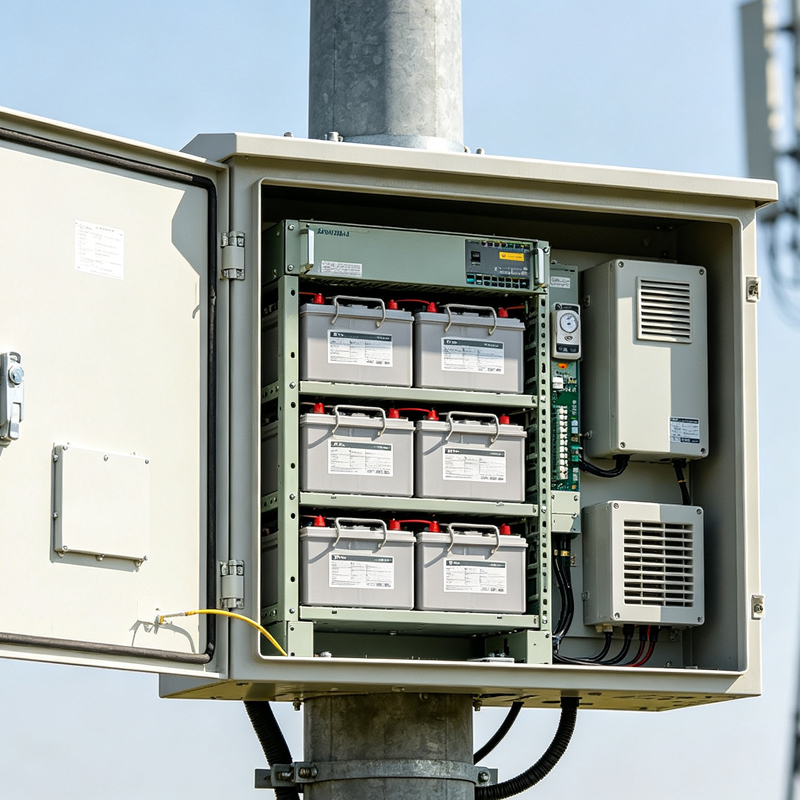
CP series batteries and CL 2V tubular monoblocks operate in constant recharge mode for many years. Long-term stability of the seam and resistance to drying out are critical here. It is recommended to use epoxy or high molecular weight polyurethane adhesives that provide a rigid but durable connection. It is important that the adhesive does not release volatile compounds that could cause corrosion of the contacts inside the UPS cabinet.
Scenario 2: Traction batteries for warehouse equipment and electric vehicles.
EV series batteries and OPzV gel batteries are subject to intense charge-discharge cycles and severe mechanical shock. The glue must have high elasticity to compensate for microdeformations of the case when heated during fast charging. Polyurethane compounds with elasticity modifiers show the best results here. The company's engineers adapt formulations to specific operating conditions, taking into account the climatic characteristics of the regions of use - from the hot climate of Pakistan to the cold winters of Russia.
Quality control process when gluing cases
In the production cycle of Nanjing Qiantan Energy Storage Technologies LLC, quality control of the adhesive joint is carried out at several stages:
- Surface preparation:Housings and covers are cleaned of dust, oils and oxide films. For some plastics, surface activation with plasma or chemical primers is used to improve adhesion.
- Dosing and application:Automatic robotic systems are used to ensure accuracy of glue application with a tolerance of ±0.1 mm. This eliminates the human factor and waste of material.
- Holding time control:Maintaining time intervals between application and assembly of parts is critical for the formation of the correct polymer layer.
- Leak tests:Finished batteries undergo air leakage or vacuum tests. Sampling testing includes destructive methods for checking the strength of the seam.
This multi-stage approach allows the company to supply the markets of China, Turkey, Bangladesh and other countries with products that meet the most stringent reliability requirements.
Comparison of gluing technologies: hot and cold welding vs glue
In addition to classic adhesives, the industry uses plastic welding methods. Below is a comparison to help you choose the optimal technology.
| Criterion | Adhesive connection | Ultrasonic welding | Chemical welding (solvent) |
|---|---|---|---|
| Tightness | High (subject to technology) | Absolute (monolith) | High |
| Maintainability | Disassembly possible (for some types) | Impossible | Impossible |
| Hardware requirements | Dispensers, low investment | High investment, complex settings | Minimum |
| Impact on geometry | Minor | Possible deformation of thin walls | Missing |
| Versatility | High (various materials) | Low (only identical heads) | Average |
For large production lines, such as those implemented by Nanjing Qiantan Energy Storage Technology LLC, a combined approach is often used: ultrasonic welding for the main seams and glue for installing additional elements or sealing complex assemblies. This strikes a balance between production speed and reliability.
Frequently asked questions (FAQ)
What is the best adhesive for polypropylene battery cases?
Polypropylene (PP) is a material with low surface energy, which makes bonding difficult. Specialized two-component polyurethane adhesives with a primer or modified acrylic compounds are best suited for it. Conventional epoxy resins without prior surface activation may not provide sufficient adhesion. The company’s specialists select the composition individually depending on the brand of plastic used.
Does ambient temperature affect the strength of the adhesive joint?
Yes, temperature directly affects the physical properties of the polymer. At extremely low temperatures, some adhesives become brittle, and at high temperatures they soften. For batteries operated in a wide climatic range (for example, in Russia or Iran), it is necessary to use adhesives with a wide operating temperature range (from -40°C to +80°C and above). This prevents the seam from cracking in winter and deforming in summer.
Can regular construction adhesive be used to repair a battery?
Strongly not recommended. Construction adhesives do not have the necessary resistance to sulfuric acid vapors and can degrade over time, releasing substances that contaminate the electrolyte. In addition, they do not provide the required tightness to prevent the escape of explosive gases. Battery repairs must be performed using specialized industrial adhesives approved by the manufacturer.
How is glue consumption per battery calculated?
Consumption depends on the geometry of the seam, the width of the applied strip and the thickness of the layer. Typically, for a standard car battery, the consumption is from 5 to 15 grams of glue. On automated lines, flow is controlled by dispensers with high precision, which minimizes waste. When applied manually, the consumption may be higher due to the unevenness of the layer.
Does the manufacturer provide technical support for choosing adhesive?
Yes, Nanjing Qiantan Energy Storage Technology Co., Ltd. offers comprehensive service including on-site engineering support. Our specialists help not only with the supply of equipment and materials, but also with the adaptation of technological processes to local conditions, including the selection of optimal adhesive materials for specific types of batteries produced.
Recommendations for procurement and integration into production
When choosing a supplier of adhesive for body and lid, industrial enterprises should pay attention not only to the price per kilogram, but also to the reputation of the manufacturer, the availability of technical documentation and the ability to provide test samples. It is important to request aging and chemical resistance testing data.
For companies planning to launch a new production or modernize an existing one, the optimal solution is to turn to full-cycle integrators. Nanjing Qiantan Energy Storage Technologies LLC demonstrates successful experience in implementing such projects in various countries, offering not just materials, but technologically proven solutions. The use of certified adhesive compositions in conjunction with modern assembly equipment allows us to achieve a high percentage of yield of suitable products and reduce operational risks.
Investments in quality adhesive materials pay off by reducing defects, reducing warranty claims and increasing end-consumer confidence in the battery brand. In an increasingly competitive energy storage market, the reliability of every part, including the adhesive joint, is becoming a significant competitive advantage.
For detailed information on technological solutions, supplies of equipment and materials for the production of batteries, as well as for advice on choosing the optimal adhesive compositions, we recommend that you familiarize yourself with ourproducts and technical solutions.