
Battery for communication power supplies: prices from the manufacturer
2026-09-11
- Battery for communication power supplies: selection criteria and pricing from the manufacturer
- Technical features of batteries for telecommunications
- Factors Affecting Battery Price for Communication Power Supplies
- Comparative analysis: AGM versus Gel batteries in Russian conditions
- Key parameters when choosing a battery for communication
- Real application scenarios and cases
- Maintenance and service life extension
- Frequently asked questions (FAQ)
- Conclusion and recommendations on procurement
Battery for communication power supplies: selection criteria and pricing from the manufacturer
The stability of telecommunication networks directly depends on the reliability of backup power supply systems.Battery for communication power suppliesis a key element of the infrastructure that ensures the continuity of data transmission in case of failures in the main power grid. In 2026, the requirements for such batteries have become more stringent: telecom operators and industrial enterprises are looking for solutions with extended service life, high energy density and resistance to temperature fluctuations. The choice between traditional lead acid, gel and AGM technologies determines not only the initial capital costs, but also the total cost of ownership (TCO) over the entire life cycle of the equipment.
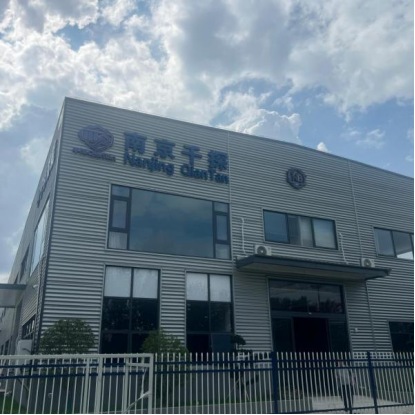
The market offers a wide range of solutions, but purchasing without a deep understanding of technical specifications often leads to premature failure of equipment. A professional approach requires analysis of not only the capacity (Ah), but also the design of the plates, electrolyte composition, internal circuit resistance and operating conditions. Nanjing Qiantan Energy Storage Technologies LLC, with more than 30 years of experience in the industry and implementing projects in Russia, Asia and Europe, provides comprehensive solutions where the price is justified by engineering reliability and compliance with international safety standards.
Technical features of batteries for telecommunications
Uninterruptible power supplies (UPS) in telecommunications operate in a specific mode: a long time in a buffer charge and rare but critical discharges when the external power is turned off. This places special demands on the chemical stability and structural integrity of the battery.
Types of technologies and their applications
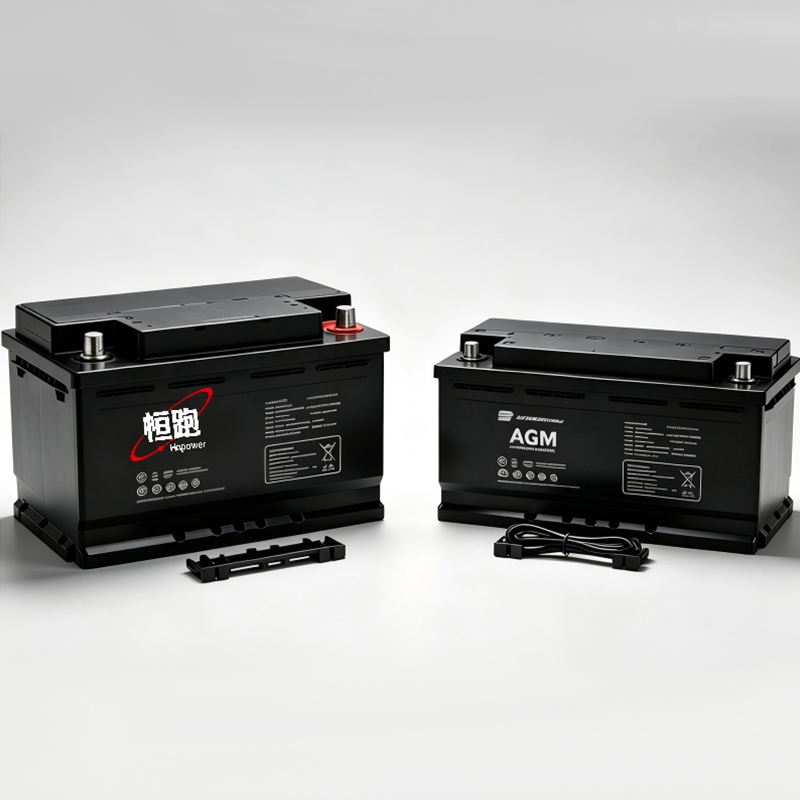
- AGM (Absorbent Glass Mat):The electrolyte is absorbed in fiberglass separators. Such batteries have low internal resistance, which allows them to deliver high currents in a short time. They are optimal for communication centers with high power consumption during peak loads. However, AGM technology is sensitive to overheating: increasing the temperature above 25°C reduces the service life exponentially.
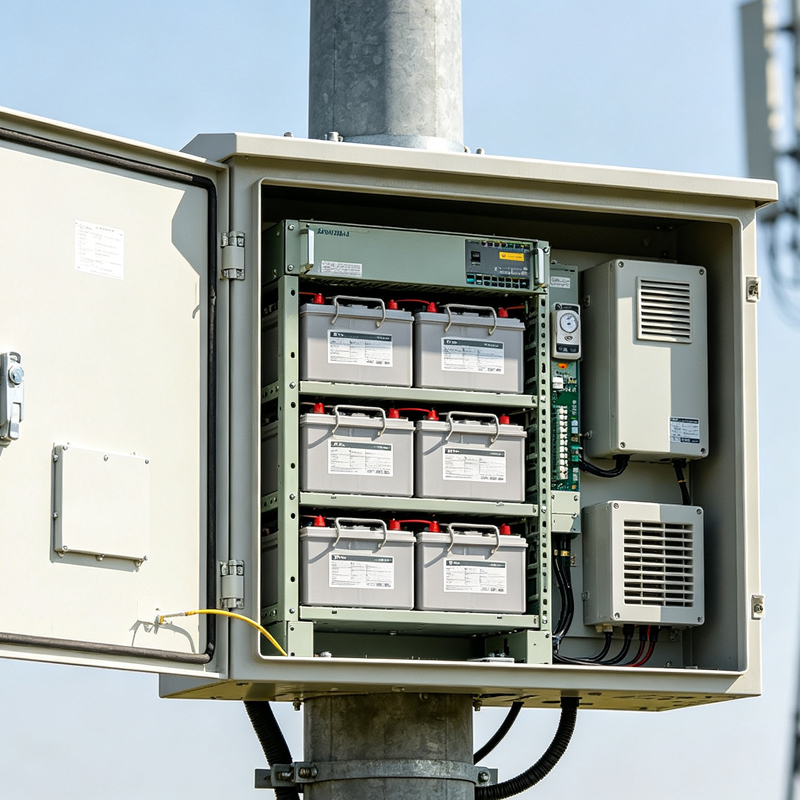
- GEL (Gel batteries):The electrolyte is thickened to a gel state using silicon dioxide. Gel batteries, such as the OPzV and CG series, demonstrate excellent resistance to deep discharge and cyclic loading. They are less susceptible to sulfation and are better able to withstand high temperatures, making them ideal for unattended remote base stations (BS) and outdoor cabinets.
- OPzS and tubular plates:Stationary batteries with tubular positive plates (for example, CL 2V series) provide maximum service life (up to 15–20 years) due to the thickness of the active mass and the ability to top up with distilled water. They are used in central telephone exchanges and large data centers where durability is critical.
Engineering expertise shows that the choice of technology should be based on the load profile. For short-term emergency shutdowns (less than 1 hour), AGM batteries are preferred due to their high power density. For long-term autonomy (more than 4–8 hours) or in regions with an unstable network and frequent outages, gel batteries are more economical due to their resistance to cycling.
Factors Affecting Battery Price for Communication Power Supplies
Pricing in the industrial battery segment is not linear. The cost is formed under the influence of a number of technological and logistics factors. Understanding these components helps buyers avoid hidden costs and get the best value for money.
| Influence factor | Impact on cost | Engineering justification |
|---|---|---|
| Lead weight and grid design | Direct correlation: more lead - higher price | Thick plates and reinforced lead-calcium grids increase cycle life but require more raw materials. |
| Separation technology (AGM vs Gel) | Gel batteries are usually 15–25% more expensive than AGM | The gelation process and the use of imported separators are more difficult to manufacture, but provide better thermal stability. |
| Rated voltage and capacity | Logarithmic increase in price with increasing capacity | 2V batteries (monoblocks) require more complex assembly and balancing compared to 12V packs, but offer better scalability to high voltages. |
| Certification and Standards | Extra charge for compliance with IEC, GOST, EAC | The need to undergo rigorous vibration, fire, and seal tests increases quality control costs. |
| Logistics and packaging | Depends on the delivery region and batch size | Batteries are classified as dangerous goods (Class 8). Specialized packaging and shipping costs make up a significant portion of the final price. |
Nanjing Qiantan Energy Storage Technology LLC optimizes costs through a full production cycle: from grating casting to final molding. Having our own environmentally friendly processing workshop allows us to reduce dependence on fluctuations in prices for primary lead, which has a positive effect on the stability of selling prices for partners in Russia and the CIS countries.
Comparative analysis: AGM versus Gel batteries in Russian conditions
For Russian operating conditions, characterized by a wide temperature range, the choice between AGM and GEL is one of the most common issues when designing communication power systems. Below is a detailed comparison for typical use cases.
| Parameter | AGM batteries | Gel batteries (GEL/OPzV) |
|---|---|---|
| Operating temperature range | -15°C … +45°C (optimum +20…+25°C) | -20°C … +50°C (best temperature resistance) |
| Sensitivity to deep discharges | High. More than 50% of discharges below 80% DOD are critical. | Low. Withstands multiple deep discharges without loss of capacity. |
| Buffer life | 5–7 years subject to temperature control. | 10–12 years or more. |
| Internal resistance | Low (high discharge currents). | Average (peak current limitation). |
| Cost of Ownership (TCO) | Lower initial price, but higher risk of replacement. | Higher initial price, but lower replacement frequency. |
| Recommended Application | Air-conditioned data centers, office PBXs. | Outdoor cabinets, base stations in regions with hot climates or lack of air conditioning. |
Engineering conclusion:If the telecommunications equipment is installed in a room with 24-hour air conditioning, AGM batteries (such as the CP series from Nanjing Qiantan) will provide sufficient reliability for a lower initial investment. However, for sites where temperatures can exceed 30°C in summer, gel batteries (OPzV series) will prevent thermal runaway effects and premature degradation, which will save the budget for battery replacement in the long term.
Key parameters when choosing a battery for communication
When forming technical specifications (TOR) for delivery, it is necessary to take into account not only capacity, but also a number of secondary, but critically important parameters. Errors at this stage lead to incompatibility with chargers or reduced system efficiency.
- Float charge voltage:For AGM it is usually 2.25–2.30 V per cell, for GEL it is 2.23–2.27 V. Using the wrong charge voltage will quickly damage the battery.
- Short circuit current (Isc):The most important parameter for calculating the selectivity of protective automation. The battery must provide sufficient current to trip the fuses in an emergency, but not exceed the limits of the cables.
- Self-discharge:High-quality lead-acid batteries lose no more than 3% of their capacity per month at 20°C. High self-discharge indicates defective separators or contamination of the electrolyte.
- Sealing and valve system (VRLA):The valves should open only when the internal pressure is exceeded, preventing the release of electrolyte, but maintaining the recombination of gases. This allows batteries to be installed directly in server rooms without special ventilation.
Specialists from Nanjing Qiantan Energy Storage Technologies LLC recommend carrying out incoming inspection of each batch: measuring internal resistance and open circuit voltage. The spread of parameters between individual monoblocks in one batch should not exceed 5%, otherwise an imbalance will occur during charging, leading to overcharging of individual elements.
Real application scenarios and cases
Scenario 1: Remote Cellular Base Station (4G/5G)
Conditions:Outdoor cabinet, no active cooling, temperature range from -30°C in winter to +45°C in summer. Frequent power outages (up to 3-4 times a week).
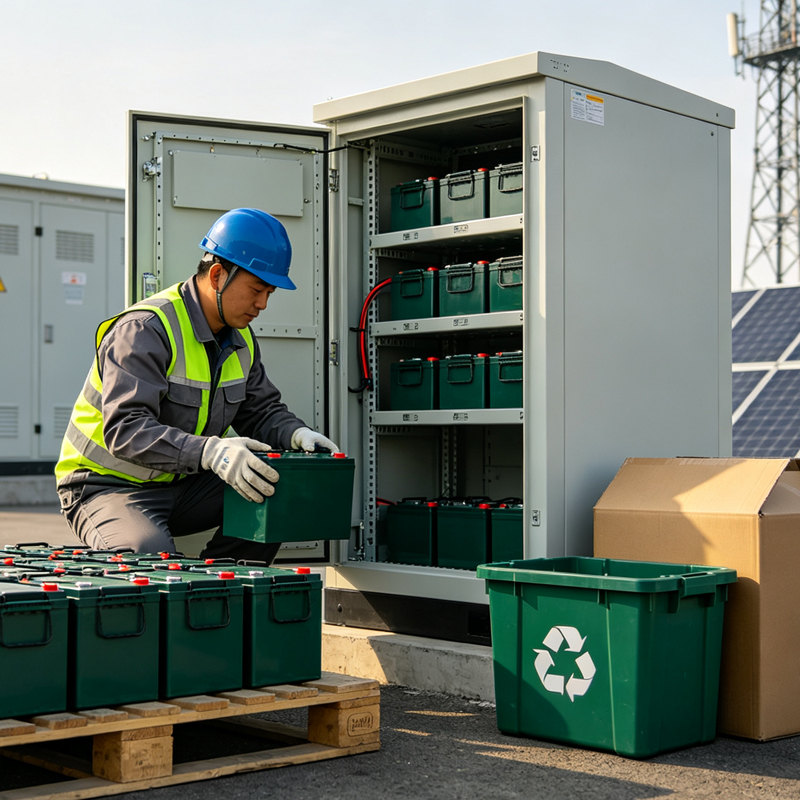
Technical solution:Installation of gel batteries of the OPzV series. Thanks to viscous electrolysis, they do not dry out at high temperatures and are resistant to vibrations from wind or equipment. Thick tubular plates withstand frequent discharge-charge cycles.
Result:The battery life was more than 8 years, which is 1.5 times higher than that of conventional AGM analogues under similar conditions. Reduced maintenance costs due to the absence of the need for frequent replacement.
Scenario 2: Tier III data center
Conditions:Strict climate control (22±2°C), high density of server equipment, requirement for instant switching to backup power in case of power surges.
Technical solution:Use of high power AGM batteries with front terminals (HFS and CT series). The forward pinout design simplifies rack mounting and reduces busbar length, reducing overall circuit resistance.
Result:Providing a battery life of 15 minutes, sufficient to correctly shut down servers or start a diesel generator set. Low internal resistance guaranteed stable voltage at the UPS input even during peak loads.
Maintenance and service life extension
Even the best quality batteries require proper maintenance. The main reasons for premature failure of communication batteries are sulfation of the plates due to undercharging and corrosion of the grids due to overcharging or high temperature.
Recommendations for use:
- Temperature compensation charge:Chargers must have a temperature compensation function. As temperature increases, the charge voltage must be reduced (approximately -3 mV/°C per cell) to prevent thermal runaway.
- Regular load tests:At least once a year, a control training cycle (CTC) or a partial discharge test should be carried out to identify weak elements.
- Connection tightening torque:Loose contacts lead to sparking, heating and loss of capacity. Use torque wrenches during installation, following the manufacturer's recommendations (usually 10–15 Nm for M6 bolts).
- Cleanliness of the case:Contaminants on the surface of the battery can create leakage currents between the terminals. Regular cleaning with a dry cloth is mandatory.
Frequently asked questions (FAQ)
What is the battery life for communication power supplies?
The service life depends on the technology and operating conditions. Standard AGM batteries last 5–7 years in buffer mode. Gel batteries (GEL/OPzV) and tubular plate batteries (OPzS) can last 10–15 years or more. It is important to remember that service life is halved for every 10°C increase in average temperature above the nominal 20–25°C.
Is it possible to mix old and new batteries in the same array?
Strongly not recommended. Old batteries have increased internal resistance and altered capacity. When they are connected in parallel with new ones, an imbalance of currents occurs: the new batteries will be constantly recharged, trying to charge the old ones, and the old ones will be undercharged. This will lead to rapid failure of the entire array.
How to store batteries before installation?
Batteries should be stored in a cool, dry place (temperature 10–25°C). If the storage period exceeds 3 months, it is necessary to carry out preventive recharging. Lead-acid batteries are susceptible to self-discharge, and prolonged storage in a discharged state causes irreversible sulfation of the plates.
Does the depth of discharge affect battery life?
Yes, the influence is critical. The deeper the discharge, the fewer cycles the battery will withstand. For example, an AGM battery can withstand 1000 cycles at 30% discharge, but only 200–300 cycles at 80–100% discharge. For communications systems where discharges are rare, this is less relevant, but for hybrid systems with solar panels, depth of discharge is a key selection parameter.
Why should you buy batteries directly from the manufacturer?
Purchasing from a manufacturer such as Nanjing Qiantan Energy Storage Technology LLC eliminates middleman markups and guarantees the freshness of the product (batteries begin to age from the moment they are released). The manufacturer provides complete technical documentation, certificates of conformity (EAC, IEC) and engineering support for selecting equipment for specific tasks, which reduces the risk of design errors.
Conclusion and recommendations on procurement
Choicebatteries for communication power suppliesis an investment in the reliability of the entire telecommunications infrastructure. Savings on initial cost often result in multiple costs for equipment replacement and network downtime. In 2026, the trend is shifting towards intelligent battery monitoring systems and the use of technologies with extended service life, such as gel and OPzS solutions.
When setting your budget, consider not only the price per amp hour, but also the cost of ownership, including maintenance and disposal costs. Cooperation with a trusted manufacturer with its own R&D centers and a full production cycle ensures consistent quality from batch to batch.
Nanjing Qiantan Energy Storage Technology LLC is ready to provide technical consultations, calculation of backup power systems and supply of certified battery solutions for projects of any scale. Our specialists will help you choose the optimal configuration, taking into account the climatic characteristics of the region and the specific load of your equipment.
To obtain the current price list, technical data sheets and engineer consultation, go to the sectionproducts and technical solutionson our website.