
Wafer production line: price from the manufacturer
2026-09-12
- Wafer production line: price from the manufacturer and cost formation factors
- Wafer production line architecture: main modules and their impact on price
- Technical parameters and equipment specifications
- Pricing Factors: Why do prices vary between suppliers?
- Technology comparison: Flat plates vs Tubular plates
- Real industrial application scenarios
- How to choose a supplier for a wafer production line: a checklist for the buyer
- Frequently asked questions (FAQ)
- Conclusion and recommendations for implementation
Wafer production line: price from the manufacturer and cost formation factors
Costwafer production linesfor lead-acid batteries is not a fixed value and depends on a set of technological, production and logistics parameters. In 2026, the market for industrial equipment for the battery industry is characterized by a high degree of customization: customers are increasingly less likely to purchase standard solutions “from the catalog”, preferring to configure lines for specific types of batteries (traction, starter, stationary) and the required annual power. Understanding the pricing structure allows CTOs and buyers to avoid overpaying for redundant features or, conversely, risking underproduction due to bottlenecks in the process cycle.
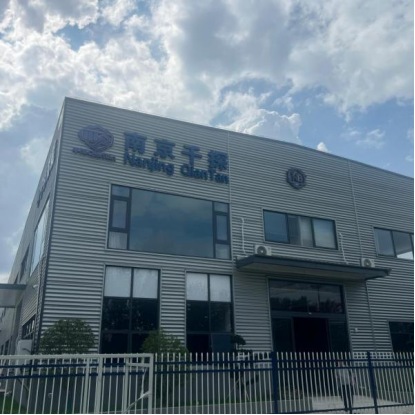
A key aspect when evaluating an investment is not only the initial price of the equipment, but also the total cost of ownership (TCO), which includes energy consumption, material consumption (especially lead alloy), scrap rate and maintenance costs. Nanjing Qiantan Energy Storage Technologies LLC, having more than 30 years of experience in the industry and having implemented projects in Russia, Iran, Turkey and other countries, offers an approach in which the price of the line is justified by engineering calculations of efficiency, and not just the cost of metal structures. This material examines in detail the components of the line that affect the budget, technical requirements for production and supplier selection criteria.
Wafer production line architecture: main modules and their impact on price
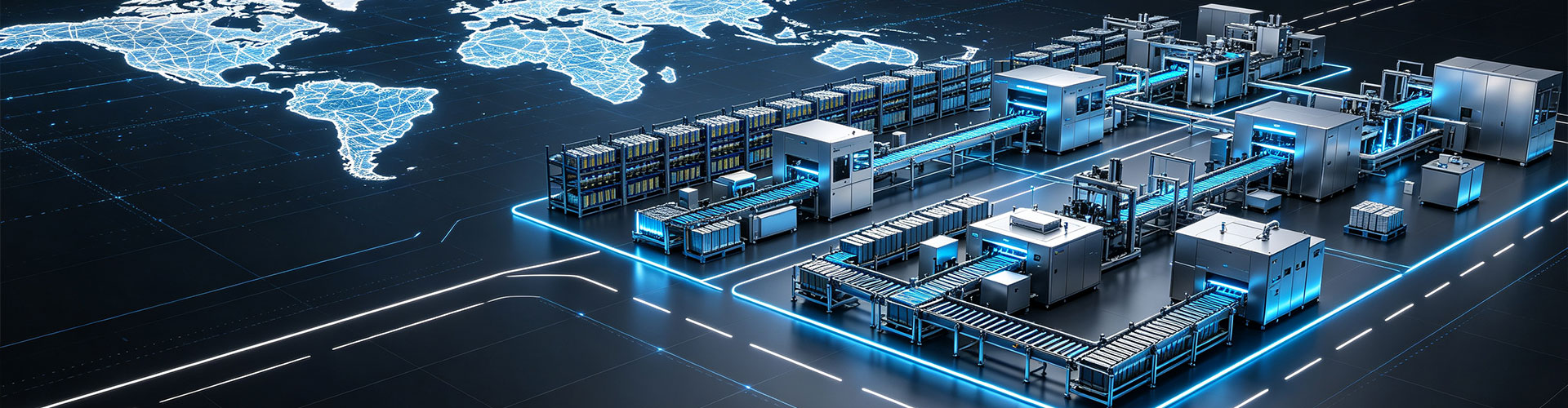
The production line for grid casting line and pasting line is a complex unit consisting of several interconnected units. The price is based on the performance of each node and the level of automation. The main steps include melting lead, casting gratings, preparing lead paste, spreading, drying and edge finishing.
1. Grid Casting Section
This is the heart of any line. The cost of this module varies depending on the type of injection molding machine:
- Gravity machines:A more affordable option suitable for mass production of starter batteries (SLI). Requires careful control of mold temperature.
- High pressure machines (HPDC):Provides a denser lattice structure, which is critical for traction batteries (EV) and deep cycle batteries. The price of such equipment is 30–50% higher, but it reduces the percentage of defects due to leaks.
- Expanded Metal:Used for antimony-free gratings. The technology requires a different approach to the preparation of lead tape and is significantly more expensive than traditional casting, but provides the highest corrosion resistance.
An important parameter is the material of the molds. Cast iron molds are cheaper, but have a limited service life. Coated steel or composite molds increase the initial investment but reduce operating costs in the long run.
2. Paste Mixing Section
The quality of the paste directly determines the capacity and service life of the battery. Modern mixers are equipped with vacuum systems and precise dosing of water, acid and lead oxide. The price of this module depends on:
- Batch volume (from 100 kg to 2 tons per cycle).
- Availability of heat and dust recovery systems (environmental standard).
- Accuracy of paste density and temperature control systems.
Nanjing Qiantan Energy Storage Technologies LLC integrates automatic humidity control systems into these units, which is especially important for regions with variable climates, such as Russia or Central Asia.
3. Pasting and Drying machine
The spreading machine must ensure uniform application of the paste onto the grate without disturbing its geometry. Drying chambers occupy a significant part of the workshop area and energy budget. Modern lines use multi-zone dryers with controlled humidity and temperature at each stage (pre-drying, main drying, cooling). The energy efficiency of dryers is one of the main factors influencing operating costs once the line is up and running.
Technical parameters and equipment specifications
When requesting a quotation, the technical requirements must be clearly defined. Below is a table of typical parameters that affect the final cost of a wafer production line.
| Parameter | Economy segment | Premium/High Automation | Impact on price |
|---|---|---|---|
| Productivity (grids/hour) | up to 3000 pcs/h | 4500–6000+ pcs/h | High speed requires precision mechanics and servos. |
| Control type | Relay/Basic PLC | Siemens/Omron + HMI panels + SCADA | Automation increases costs by 20–40% but reduces the need for personnel. |
| Paste dosing accuracy | ± 5 g | ± 1–2 g | High precision saves lead and increases the stability of battery characteristics. |
| Dust collection system | Basic filtering | Multistage with HEPA and recovery | Critical for compliance with environmental standards of the Russian Federation and the EAEU. |
| Material of contact parts |
Specifications may vary depending on the type of product being manufactured. For example, tubular plates (OPzV series, often used in stationary energy storage systems) require completely different equipment to extrude the tubes, making the line significantly more expensive than a standard flat plate.
Pricing Factors: Why do prices vary between suppliers?
The price range in the battery production equipment market can reach 100% or more. This is due not only to the brand, but also to the depth of engineering development of the project.
1. Level of localization and components
A line assembled entirely from European components (SKF bearings, Festo pneumatics, Siemens electronics) will cost more than its counterpart with Asian components. However, for industrial enterprises in Russia and the CIS countries, the key factor is not only the purchase price, but also the availability of spare parts. Nanjing Qiantan Energy Storage Technology LLC optimizes supply chains by offering hybrid solutions: reliable basic mechanics combined with serviceable electronic components, which reduces the risk of downtime.
2. Engineering consulting and adaptation
Cheap lines are often sold as a “boxed solution”. In practice, this leads to problems when integrating into an existing workshop: mismatch in heights, requirements for foundations or communications. A professional supplier includes in the price the stage of site audit, development of a layout plan and adaptation of equipment to local conditions (for example, taking into account water hardness for cooling systems or voltage fluctuations in the network).
3. Environmental standards and safety
In 2026, labor protection and environmental requirements in the production of lead batteries have become more stringent. Aspiration systems, wastewater treatment and personnel protection from lead dust make up a significant portion of the budget. Ignoring these systems in order to reduce the initial price leads to huge fines and risks of closure of production.
Technology comparison: Flat plates vs Tubular plates
The choice of production technology determines the type of line purchased. Below is a comparison to help you make your investment decision.
| Criterion | Flat Plate Line | Tubular Plate Line |
|---|---|---|
| Application | Starter (SLI), motorcycle, budget traction batteries. | Traction (forklifts, electric vehicles), stationary (UPS, telecom), OPzV/OPzS. |
| Equipment complexity | Average. Standard luting and casting machines. | High. An extruder for tubes and equipment for filling with active mass are required. |
| Line cost | Below. Fast payback for large volumes. | 40–60% higher. More complex mechanics and process control. |
| Product lifespan | 3–5 years (cyclic life is limited). | 10–15 years or more. High resistance to deep discharges. |
| Market Niche | Mass market, high competition. | Premium segment, industrial sector, RES (renewable energy). |
Engineering experience shows that if your target audience is warehouses and logistics centers using electric forklifts, investing in a line for tubular plates is justified, despite the higher CAPEX, since the product will have significantly higher margins and demand in the B2B segment.
Real industrial application scenarios
Scenario 1: Modernization of a traction battery plant in a cold climate
Task:Increased production capacity of EV series traction batteries for electric vehicles in a region with low winter temperatures.
Technical challenges:Traditional lines suffer from uneven drying of the plates due to cold air entering the shop, which leads to cracks in the active mass.
Solution:Introduction of a line with a closed drying circuit and heat recovery. Nanjing Qiantan Energy Storage Technology LLC adapted the ventilation system by adding air preheating and humidity stabilization zones. This made it possible to reduce defects in the quality of the spread by 15% and ensure the stability of the paste parameters regardless of the external temperature.
Scenario 2: Launch of production of stationary batteries for telecommunications
Task:Organization of production of maintenance-free gel batteries (OPzV) for communication base stations.
Technical challenges:The highest purity of the lead alloy and precision application of the paste are required to ensure a service life of over 12 years.
Solution:Installation of a high-precision grating casting line with an alloy vacuum system to remove oxides and inclusions. Integration of an automatic system for monitoring the weight of each plate after lubrication with feedback to the dispenser. This approach guarantees the identity of all cells in the battery, which is critical for serial assemblies in a UPS.
How to choose a supplier for a wafer production line: a checklist for the buyer
Choosing a partner is risk management. When evaluating proposals from equipment manufacturers (including Nanjing Qiantan Energy Storage Technology LLC), it is recommended to check the following points:
- Availability of reference list:Request contacts of existing clients in your region or in similar climates. A visit to a working plant provides more information than any presentation.
- Engineering support:Does the contract include installation supervision, commissioning and training of local personnel? Is the supplier able to promptly provide drawings and specifications in Russian?
- Configuration flexibility:Could the line be upgraded in the future? For example, the ability to switch from one type of grating to another without completely replacing the equipment.
- Logistics and customs:The supplier's experience in processing export documents and turnkey delivery to your warehouse. Having experience working with the markets of Russia, Kazakhstan and other EAEU countries is a significant advantage.
- Service and spare parts:Guaranteed delivery time for critical spare parts. Availability of a spare parts warehouse in the region of presence or clear logistics routes.
Frequently asked questions (FAQ)
What is the approximate return on investment for a wafer production line?
The payback period depends on capacity utilization and the marginality of the final product. For medium-power lines (production of 50–100 thousand batteries per year), the average payback period is 2–3 years, subject to stable sales. Using energy-efficient dryers and reducing scrap rates through automation can reduce this period.
Does the type of lead alloy affect the line setting?
Yes, it is significant. Alloys with different contents of antimony, calcium or tin have different fluidity and crystallization temperatures. The line must be configured for a specific alloy recipe. Your equipment supplier should provide melting and casting temperature recommendations for the raw materials you use.
Is it possible to integrate the new line with existing battery assembly equipment?
In most cases, yes. Modern wafer production lines are designed taking into account standard product transfer interfaces (conveyor belts, storage tables). Engineers from Nanjing Qiantan Energy Storage Technologies LLC conduct an audit of the customer’s existing equipment fleet to ensure seamless integration of new units into the old technological process.
What documents are required to import equipment to Russia?
In addition to the standard contract and invoice, you will need a certificate of origin, a detailed technical description for the classification of the HS code, and, in some cases, an industrial safety report. A supplier with experience in the Russian Federation must provide a complete package of documents that meets the requirements of the customs authorities.
Is special room preparation required to install the line?
Yes. The room must have reinforced foundations for vibration equipment (mixers, casting machines), an effective supply and exhaust ventilation system with filtration of lead dust, as well as a stable power supply. Humidity and temperature in the workshop must be maintained within certain ranges to ensure quality drying of the plates.
Conclusion and recommendations for implementation
Investments inplate production lineis a strategic decision that determines the competitiveness of the battery plant for years to come. In 2026, success depends not so much on the low initial price of equipment, but on its technological flexibility, energy efficiency and compliance with strict environmental standards.
The experience of the Nanjing Qiantan Energy Storage Technologies LLC team, which includes specialists with 30 years of experience in the world's leading companies, allows us to offer solutions that balance between advanced technologies and practical feasibility. We don’t just supply iron, we transfer competencies: from setting up a paste recipe to optimizing the logistics of finished products.
For CTOs and business owners, a key recommendation is to conduct a detailed technical audit before purchasing. Don't strive for maximum performance at any cost if your market requires flexibility and a variety of battery types. It is better to choose a modular line that can be scaled up in stages.
If you are considering upgrading an existing facility or launching a new plant, it is important to evaluate not only the cost of the machines, but also the potential of partnering with a supplier that can provide long-term support.
To receive a detailed technical specification, calculate the cost for your volumes and advice on adapting the line to your conditions, contact our engineers. We are ready to discuss yourproducts and technical solutionsin the field of production of lead-acid batteries.