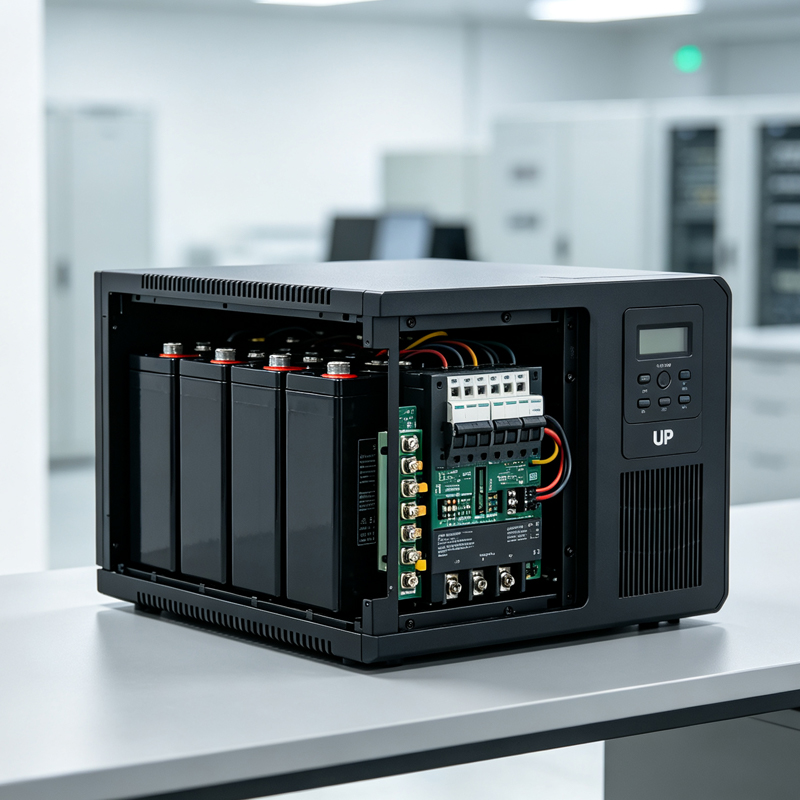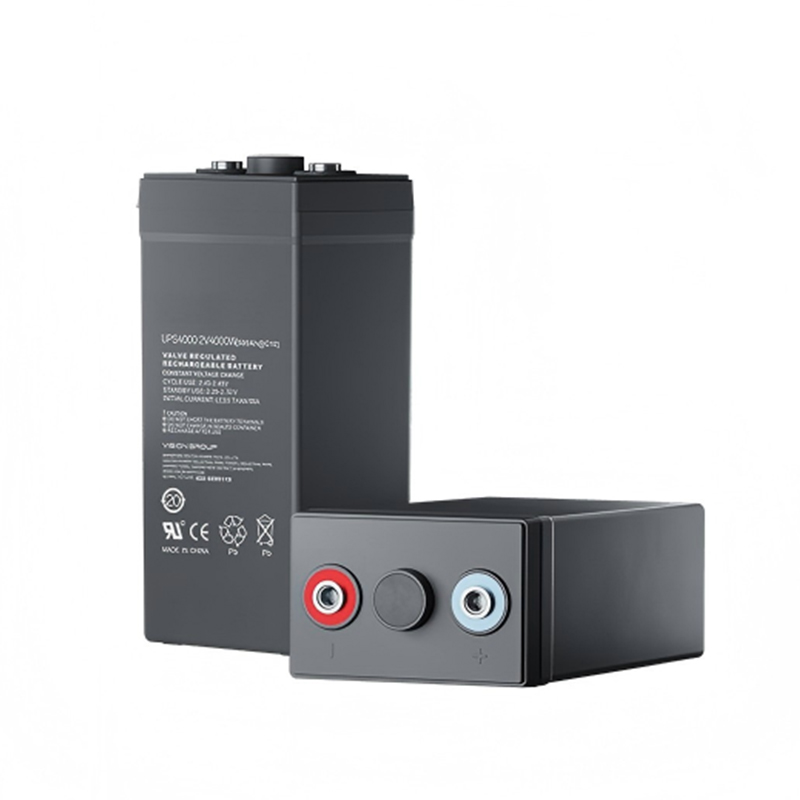


Lead-acid deep cycle battery: price from the manufacturer
2026-09-11
Lead-acid deep cycle battery: price from the manufacturer and cost factors
When choosing a power source for systems with cyclic operation, the key parameter is not just capacity, but the ability of the battery to withstand multiple discharges up to 80% and below without critical degradation.Lead-acid deep cycle batteryis a specialized device, structurally different from starter analogs in the thickness of the lead plates and the composition of the active mass. For industrial buyers and engineers, understanding the pricing structure of such products is critical: the cost difference between budget models and premium solutions can be as much as 40-60%, which directly correlates with the number of guaranteed cycles and operating conditions.
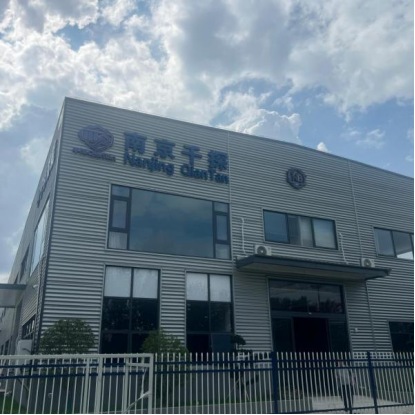
In 2026, the energy storage market demands transparency in technical specifications. Purchasing a deep cycle battery involves long-term investment in infrastructure, be it renewable energy systems, warehouse logistics or telecommunications hubs. The price from the manufacturer is formed not only from the cost of raw materials (lead, sulfuric acid, separators), but also from technological solutions that ensure resistance to sulfation and corrosion of the gratings. Nanjing Qiantan Energy Storage Technology LLC, with more than 30 years of experience in the industry and a full production cycle, offers an approach in which the cost is justified by engineering calculations of service life, and not just marketing positions.
Design features affecting resource and price
The main difference between a deep cycle battery and a starter battery is the architecture of the electrodes. Starter batteries have many thin plates to maximize contact area and deliver high starting current in a short time. Deep cycle batteries use thick solid plate or tubular designs (like the OPzV or CL 2V series). This allows the active mass to penetrate deeper into the electrode structure and withstand mechanical stress during constant expansion and contraction during charge-discharge.
Wafer manufacturing technology is the first factor that determines price. There are two main methods:
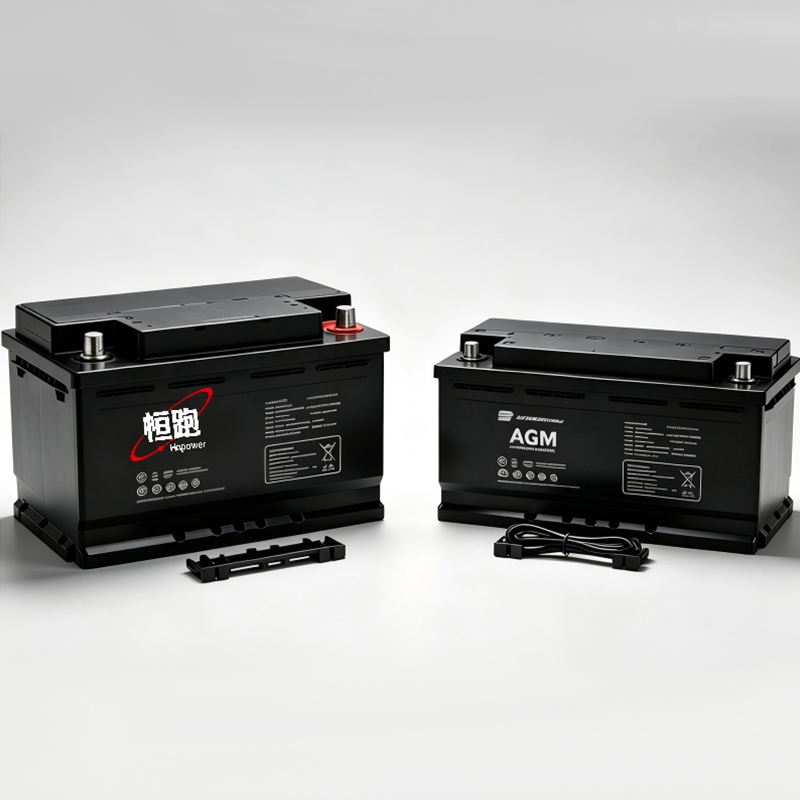
- Pasteurized Flat Plate:A more common and affordable option. The active mass is applied to a lead grid. These batteries (such as the EV or AGM series) have a good price/performance ratio, but can be sensitive to overheating when charging quickly.
- Tubular Plate:Used in OPzV and OPzS class batteries. The active mass is enclosed in microporous tubes, which prevents it from shedding even after thousands of cycles. This technology is significantly more expensive to produce, but provides a service life of up to 15–20 years in buffer mode and high cyclicity.
Engineering practice shows that for applications with daily cycling (for example, off-grid solar power plants), the premium for tubular technology pays off by reducing the frequency of equipment replacements. At the same time, for backup systems with rare discharges, high-quality AGM solutions with flat plates are sufficient.
Typology of deep cycle lead-acid batteries
The choice of a specific battery type dictates the final cost of the project. There are three main technologies on the market, each of which has its own application niches and price ranges.
1. AGM (Absorbent Glass Mat) technology
The electrolyte is absorbed into fiberglass mats, making the battery completely maintenance-free and sealed. AGM batteries have low internal resistance, which allows them to deliver high currents. They are cheaper than gel analogues, but have a shorter service life with deep discharges (usually 300–600 cycles up to 50% DOD). Optimal for UPS, security systems and light electric vehicles.
2. Gel batteries (GEL)
The electrolyte is thickened to a gel-like state using silicon dioxide. Gel batteries (CG, OPzV series) tolerate deep discharges and high temperatures better than AGM. They are less susceptible to electrolyte separation. The resource is 600–1200 cycles. The price is higher due to the difficulty of controlling the gelation process and the requirements for the purity of materials.
3. Tubular gel and liquid (OPzV / OPzS)
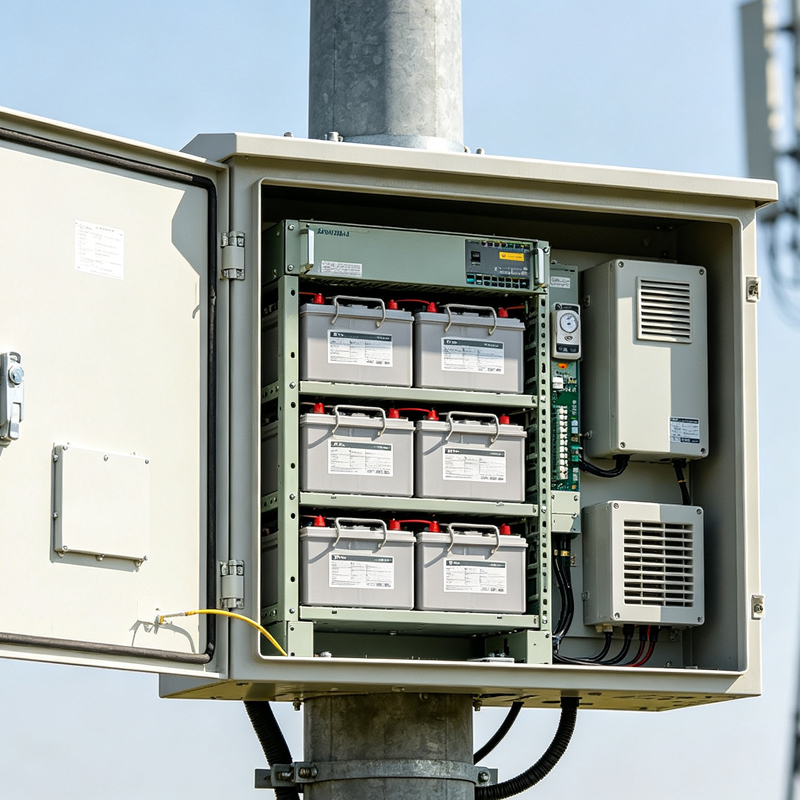
The flagship solution for stationary energy storage. The OPzV series combines the advantages of tubular plates and gel electrolyte. These batteries can withstand up to 1500–2000 cycles at 80% discharge. They cost the most, but the total cost of ownership (TCO) is often lower due to a service life exceeding 10-12 years in cyclic mode.
Comparative analysis of technologies for industrial selection
To help you make your decision, below is a comparison table of key parameters that affect operating costs and initial investment.
| Parameter | AGM (Flat Plate) | GEL (Deep Cycle) | OPzV (Tubular Gel) |
|---|---|---|---|
| Number of cycles (80% DOD) | 300 – 500 | 600 – 900 | 1200 – 1800+ |
| Service life (buffer mode) | 5 – 7 years | 8 – 10 years | 12 – 15 years |
| Temperature sensitivity | High (degradation at >25°C) | Average | Low (better thermal stability) |
| Charge speed | High | Low/Medium (requires voltage control) | Average |
| Cost (relative) | Low | Average | High |
| Application | UPS, light transport, start-stop | Solar energy, boats, wheelchairs | Telecom, large solar power plants, industrial loaders |
The table shows that the choice depends on the load profile. If the system involves daily charge-discharge cycles (for example, solar energy storage during the day and consumption at night), using cheap AGM batteries will lead to their replacement every 1.5–2 years, which in the long run is more expensive than installing one OPzV battery.
Pricing factors: what makes up the price from the manufacturer
The query “deep cycle lead acid battery price” often results in comparing numbers without taking into account context. The cost of a product from a manufacturer, such as Nanjing Qiantan Energy Storage Technologies LLC, is formed under the influence of several objective factors:
- Market value of lead.Lead accounts for up to 60–70% of a battery’s weight and a significant portion of its cost. Prices on the LME (London Metal Exchange) directly affect the plant's selling price. Manufacturers with their own scrap recycling lines (as is the case with our dedicated green recycling facility) can stabilize costs by using highly purified recycled lead, reducing dependence on virgin raw materials.
- Technology of separators and additives.The use of carbon additives in the active mass (Carbon-enhanced Lead-Acid technology) increases the cost, but significantly increases charge acceptance and reduces the risk of sulfation. The quality of the glass fiber in AGM or the purity of silica in GEL also varies widely.
- Quality control and testing.Cheap batteries often skip the formation stage or carry it out in an accelerated mode, which reduces the actual resource. A full forming cycle, taking several days, and 100% exit testing of each cell increases production costs, but ensures compliance with the stated characteristics.
- Logistics and packaging.Lead-acid batteries are classified as dangerous goods (Class 8). Requirements for packaging, labeling and transportation are strictly regulated. Optimization of supply chains, especially for international deliveries to Russia, the CIS and other regions of the company’s presence, allows us to reduce the final price for the client.
Real-life application scenarios and hardware requirements
Understanding how a battery will perform in a specific environment helps avoid selection errors. Let's look at two typical industrial cases.
Case 1: Autonomous hybrid power plant for a remote site
Conditions:The facility is located in a region with a cold climate (winter temperatures up to -20°C, summer temperatures up to +30°C). Energy comes from solar panels and a diesel generator. Daily cycling is required.
Technical requirements:The battery must effectively accept a charge at low temperatures and withstand deep discharges in winter when insolation drops.
Solution:Using standard AGM batteries is risky here due to loss of capacity in the cold and the risk of electrolyte freezing during deep discharge. Deep cycle gel batteries (CG or OPzV series) with temperature compensation are recommended. The gel electrolyte does not freeze at such temperatures and is less susceptible to delamination. Nanjing Qiantan LLC engineers in such projects insist on installing thermally insulated containers and using charge controllers with I-U-T (current-voltage-temperature) algorithms.
Case 2: A fleet of electric forklifts in a warehouse
Conditions:Intensive work in two shifts. Frequent short recharges during lunch breaks. High inrush currents when lifting loads.
Technical requirements:Vibration resistance, fast charging, high torque motors.
Solution:EV series lead-acid traction batteries. Unlike stationary batteries, they are structurally reinforced to operate in vibration conditions. Not only the capacity is important here, but also the design of the terminals (the front terminals of the HFS and CT series are convenient for quick connection) and the possibility of adding water (if liquid acid versions are selected) or complete sealing (for AGM/GEL traction versions). Choosing maintenance-free AGM/GEL traction units reduces the cost of personnel responsible for maintaining the fleet.
How to check the quality of a battery when purchasing: a checklist for an engineer
When working with suppliers, it is important to check not only the price, but also the technical viability of the proposal. Here are the key points to clarify:
- Battery weight.Lead is a heavy metal. If a battery of the declared capacity weighs significantly less than its analogues, this is a sure sign of savings on lead (thinner plates or less active mass). Compare the rated weight with the reference weights of leading brands.
- Internal resistance.Request test reports. Low internal resistance is critical for efficient power delivery and battery heating. High resistance leads to energy loss due to heat and accelerated aging.
- Certification and standards.Make sure that the products comply with international standards (IEC, GOST, CE). The presence of certificates confirms that the battery has passed tests for safety, vibration resistance and tightness.
- Warranty conditions.A manufacturer confident in its product offers a clear warranty, divided into periods of full replacement and prorated reimbursement. Check the terms of the warranty for cyclic use, as many manufacturers only provide a warranty for the buffer mode.
Operating limitations and life extension
Even the most expensivedeep cycle lead acid batterywill fail prematurely if the operating rules are violated. The main enemy of such batteries is incomplete charge and storage in a discharged state.
Sulfation- the process of formation of large crystals of lead sulfate on plates that are not restored during normal charging. This irreversibly reduces capacity. To prevent this:
- Use chargers with a multi-stage algorithm (Bulk, Absorption, Float).
- Avoid discharging below a critical voltage (usually 1.75V per cell for deep cycle).
- Perform periodic equalization charges (for liquid acid and some GEL batteries) to equalize the density of the electrolyte in the cells.
- Monitor the ambient temperature. For every 10°C increase in temperature above 25°C, battery life is approximately halved.
Engineering experience suggests that installing voltage and temperature monitoring systems on each bank (especially in large bank assemblies) makes it possible to identify weak elements before they damage the entire system.
Why choose solutions from Nanjing Qiantan Energy Storage Technology LLC
The market is saturated with offers, but not all manufacturers have full-cycle competencies. Nanjing Qiantan Energy Storage Technology Co., Ltd. stands out due to its vertical integration of processes. We don’t just assemble batteries from purchased components - we control the quality at the stage of producing mesh grids, preparing the active mass and forming the plates.
Our team, consisting of specialists with 30 years of experience who have worked in leading corporations in China and the world, understands the specifics of various markets - from the cold regions of Russia to the hot climate of the Middle East. We offer a wide range of products: from EV series traction batteries for logistics to durable stationary solutions CP series and CL 2V tubular monoblocks for critical infrastructure.
Having our own environmentally friendly recycling workshop allows us to comply with the principles of sustainable development and reduce production costs due to a closed cycle of lead use. This gives our partners in Russia, Iran, Turkey, Vietnam and other countries a competitive advantage in price without losing quality.
We provide not just a product, but technical support: assistance in calculating bank capacity, selecting chargers and adapting solutions to local standards. Transparency of production processes and willingness to provide technical data for audit make us a reliable partner for long-term projects.
Frequently asked questions (FAQ)
Can I use a regular car battery instead of a deep cycle battery?
No, this is absolutely not recommended. Starter batteries are designed to deliver high current for a few seconds and then be quickly charged by the alternator. With a deep discharge (below 50%), their thin plates quickly deform and crumble. Even a few of these cycles can permanently damage the starter battery. For cyclic loads, special batteries with thick plates are required.
What is the real difference in service life between AGM and GEL batteries?
In buffer mode (constant recharging, rare discharges), the difference is small: both types last 5–7 years (AGM) and 8–10 years (GEL). However, in cyclic mode (regular discharges of 50–80%), gel batteries show significantly better results, withstanding 1.5–2 times more cycles due to better resistance of the active mass to deep discharges and less gas emission.
Does temperature affect the capacity of a lead-acid battery?
Yes, the impact is significant. The nominal capacity is indicated for a temperature of +25°C. When the temperature drops to 0°C, the available capacity can be reduced by 20–30%, and at -20°C by 40–50%. In this case, charging at negative temperatures should be carried out with a reduced current to avoid damage to the plates. For cold climates, it is recommended to use batteries with an increased volume of electrolyte or install them in heating cabinets.
How to properly dispose of lead-acid batteries?
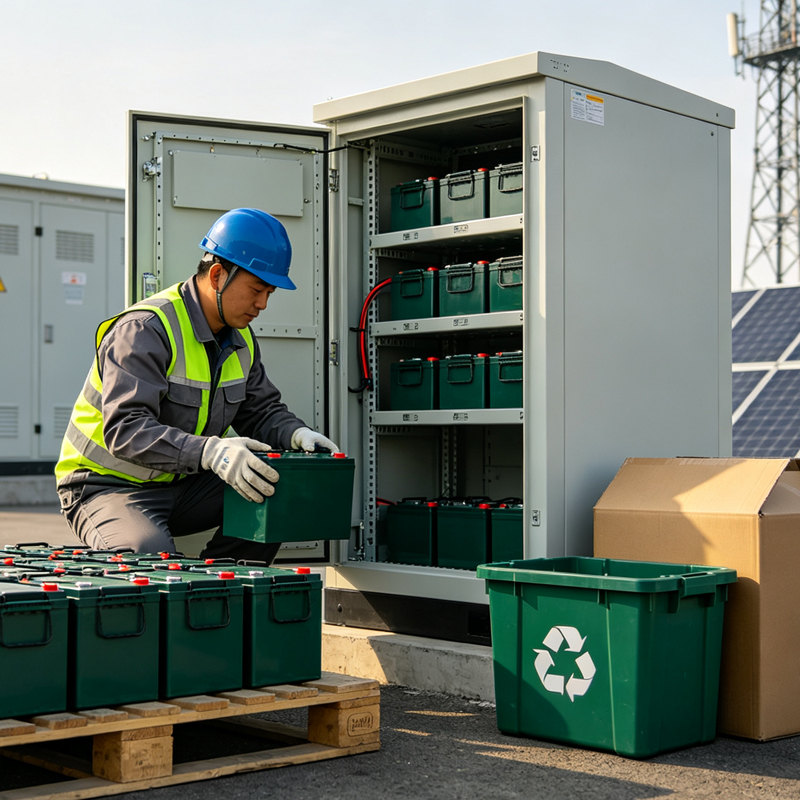
Lead-acid batteries must be recycled due to their lead and sulfuric acid content. It is prohibited to throw them away with household waste. Nanjing Qiantan Energy Storage Technology LLC implements recycling and recycling programs, ensuring a closed cycle. Transfer used batteries to specialized organizations or return them to the supplier, if such a service is provided for in the contract.
What does the term DOD (Depth of Discharge) mean and why is it important to price?
DOD (depth of discharge) shows how much of the battery's capacity has been used. The deeper the regular discharge, the fewer cycles the battery will last. Batteries that can withstand 80-100% DOD without rapid degradation are more expensive because they require higher quality materials and technologies (such as tubular plates). Proper DOD calculation allows optimization of battery bank size and overall costs.
Conclusion and recommendations for purchasing
Choicedeep cycle lead acid batteryis a balance between the initial investment and the cost of ownership over the entire life cycle. Don't aim for the lowest unit price if it comes at the expense of wafer weight reduction or quality control savings. A mistake in choosing the battery type (AGM instead of GEL or OPzV) can lead to equipment downtime and double replacement costs.
To receive an accurate calculation of the batch cost, technical advice on the selection of equipment or request specifications for the EV, CG, OPzV, HFS, CT, 1S, CP and CL 2V series, please contact our engineers. We will help you choose the optimal solution that suits your tasks and budget, taking into account all the operating features in your region.
Check out the full catalog of our solutions:products and technical solutions for energy storage.