

Mold for gratings from the manufacturer: prices and production
2026-09-12
Grating Mold: Engineering Aspects of Design and Manufacturing
In the production of lead-acid batteries, the quality of the current-carrying grid is a critical factor determining the battery's service life, its internal resistance and its ability to deliver inrush currents.Press mold for gratingsis a high-precision tool used in injection molding or continuous casting machines to form the metal base of plates. Not only the productivity of the line, but also the final characteristics of battery products depend on the geometry of the mold cells, the quality of polishing of the working surfaces and the thermal stability of the alloy.
For industrial enterprises producing traction, stationary and starter batteries, choosing an equipment supplier becomes a strategic task. A discrepancy between the dimensions of the grid and the technical specifications leads to defects at the stage of assembling the blocks, deterioration of contact with the active mass and premature failure of the battery. This article discusses the technical requirements for the manufacture of molds, the impact of design on battery performance, and key parameters that must be considered when purchasing equipment for the production of grids.
Technological purpose and operating principle
The battery grid performs two main functions: a mechanical basis for holding the active mass (lead dioxide on the positive electrode and lead sponge on the negative) and a conductor of electrical current from the active mass to the pole terminals. The manufacturing process of gratings is most often carried out by injection molding or continuous expansion (stretching).
In case of injection moldingmold for gratingsis a complex assembly unit consisting of a matrix, a punch, cooling systems and ejectors. Molten lead alloy is injected under high pressure into the mold cavity, where it quickly crystallizes. The accuracy of cell geometry reproduction is ensured by precision processing of mold parts on CNC machines. Any deviations in the size of the jumpers or the thickness of the down conductors can lead to uneven current distribution and local overheating of the battery during operation.
When using the expansion method, the mold serves as a basis for applying a lead layer or is used as a template for subsequent processing of the lead tape. However, injection molds remain the standard for the production of high-performance batteries, where strict control of the weight and geometry of each individual grid is required.
Key parameters of grating mold
Engineering design of the mold determines its service life and the quality of the resulting product. When ordering or selecting equipment, it is necessary to take into account a number of technical parameters that directly affect the production process.
| Parameter | Description and impact on the process | Typical Values/Requirements |
|---|---|---|
| Mold material | Determines wear resistance and thermal conductivity. Must withstand thermal cycles and the corrosive effects of lead alloys. | Alloyed tool steels (for example, analogues of H13, 1.2344) with high heat resistance. |
| Surface hardness | Affects resistance to abrasive wear and lead adhesion. | 48–52 HRC after heat treatment; Additional nitriding or coating is possible. |
| Precision manufacturing | Ensures grid dimensions match the drawing and weight stability. | Tolerances are no more than ±0.05 mm for critical dimensions (cell pitch, down conductor thickness). |
| Cooling system | Responsible for the rate of crystallization of the alloy and the casting cycle. | Uniform distribution of cooling channels to prevent grate deformation during cooling. |
| Number of slots | Determines the productivity of the casting machine. | From 1 to 4 slots depending on the size of the grille and the power of the injection unit. |
| Surface cleanliness | Affects the ease of grating removal and the absence of surface defects. | High class polishing of working surfaces (mirror polishing) to reduce friction. |
It is important to note that the specific parameters depend on the type of battery being manufactured. For example, deep-cycle traction batteries (EV or OPzV series) require grids with more massive current leads to ensure the mechanical strength of the active mass under cyclic loads. At the same time, starter batteries (1S series) prioritize minimizing weight and maximizing surface area to deliver high starting currents.
Effect of grid design on battery performance
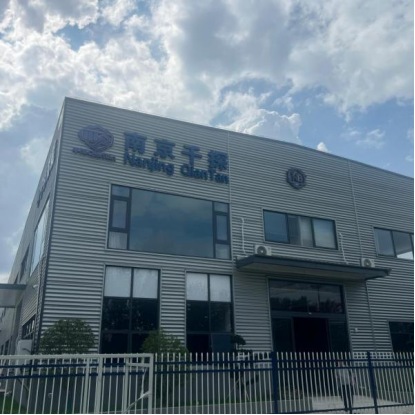
The cell geometry formed by the mold has a direct impact on the electrochemical processes inside the battery. Nanjing Qiantan Energy Storage Technology LLC engineers, with more than 30 years of experience in the industry, highlight several key aspects:
- Surface area:The smaller the cells and the more complex the lattice structure, the larger the contact area with lead paste. This reduces internal resistance and improves battery dynamic performance, which is critical for high-power front terminal solutions (HFS and CT series).
- Mechanical strength:The thickness of the vertical and horizontal bridges must be sufficient to hold the active mass during vibrations and thermal expansion. In tubular monoblocks of the CL 2V series, the grille design is supplemented with special elements for fixing tubular shells.
- Corrosion resistance:The form must provide a homogeneous structure of the cast metal without pores and cavities, which become centers of corrosion. Corrosion of the current conductor is one of the main reasons for the failure of stationary batteries of the CP series.
The company's specialists integrate knowledge about the behavior of active masses into the form design process. This allows you to create equipment that produces gratings optimized for specific paste chemistry and operating conditions.
Materials and alloys: an engineering approach
The choice of material for the mold itself and the alloy for casting the gratings are interconnected. Lead alloys used in the battery industry typically contain additives of antimony, calcium, tin or silver. These additives change the melt flow and crystallization temperature, requiring adaptation of casting parameters and mold design.
For example, calcium alloys used in maintenance-free batteries have higher casting temperatures and are prone to oxidation. The mold for such gratings must have an effective ventilation system to remove gases and prevent the formation of oxide films on the metal surface. In companies such as Nanjing Qiantan Energy Storage Technologies LLC, quality control of raw materials and preparation of alloys are carried out in-house, which allows the equipment to be precisely tuned to specific recipes.
Mold wear occurs primarily due to thermal fatigue and erosion by melt flow. The use of steels with high thermal conductivity and the use of thermal control systems makes it possible to extend the tool life to hundreds of thousands of casting cycles. Regular maintenance, including cleaning of cooling channels and checking geometry, is a prerequisite for consistent product quality.
Comparison of grating manufacturing technologies
When organizing battery production, it is worth choosing between different methods for producing grids. Each of them has its own advantages and limitations, depending on the type of product and volume of production.
| Criterion | Injection molding (using a mold) | Expansion (stretching) | Continuous strip casting |
|---|---|---|---|
| Geometry accuracy | High. Strict control of the size of each cell. | Average. There may be variations in thickness in different areas of the sheet. | High in thickness, but limited in complex profiles. |
| Productivity | Average. Depends on the cooling cycle time. | High. Continuous tape production process. | High. Suitable for mass production. |
| Grate strength | High. Molded structure ensures good integrity. | Below. The hood can thin out the metal in the nodes. | Average. Depends on subsequent processing. |
| Application | Traction, stationary, premium starter batteries. | Budget starter batteries, mass segment. | Stationary batteries, large plates. |
| Design flexibility | High. You can change the design of the cells to order. | Low. Limited by the capabilities of the stretching machine. | Average. |
For manufacturers focused on quality and durability of products, such as Nanjing Qiantan Energy Storage Technology Co., Ltd., injection molding remains the preferred method. It allows the implementation of complex engineering solutions required for OPzV gel batteries and high-temperature batteries, where the reliability of the current conductor is critical.
Manufacturing process and quality control
Manufacturingmolds for gratingsis a multi-stage process that requires highly qualified engineers and modern equipment. It starts with 3D modeling, which takes into account material shrinkage, melt flow directions and the location of cooling systems. After approval of the model, mechanical processing of tool steel blanks is carried out on milling and electrical discharge machines.
Particular attention is paid to assembly and testing of the mold. Before going into mass production, test castings are carried out and carefully measured. The weight of the grating, flatness, absence of burrs and compliance of the dimensions with the drawing are checked. At Nanjing Qiantan Energy Storage Technologies LLC, quality control has been implemented at all stages: from incoming control of raw materials for molds to output testing of finished gratings. This ensures the stability of the characteristics of the produced batteries.
Engineering practice shows that saving on the quality of steel or surface treatment of the mold leads to rapid wear and an increase in the percentage of defects. Defects in the grids, such as underfilling or pores, often appear only at the stage of battery formation or even during operation by the end user, which entails complaints and loss of brand reputation.
Real industrial application scenarios
Understanding how operating conditions affect grating requirements helps you select the correct mold design.
Scenario 1: Traction batteries for warehouse equipment.
In intensive forklift operating conditions, batteries are subject to deep discharge and frequent charge cycles. The gratings must have high corrosion resistance and mechanical strength so that the active mass does not crumble. Here, forms are used that create gratings with reinforced vertical ribs and a special cell profile that improves adhesion to the paste. The company is implementing projects for the supply of such solutions for partners in Russia and the CIS countries, ensuring adaptation to local operating conditions.
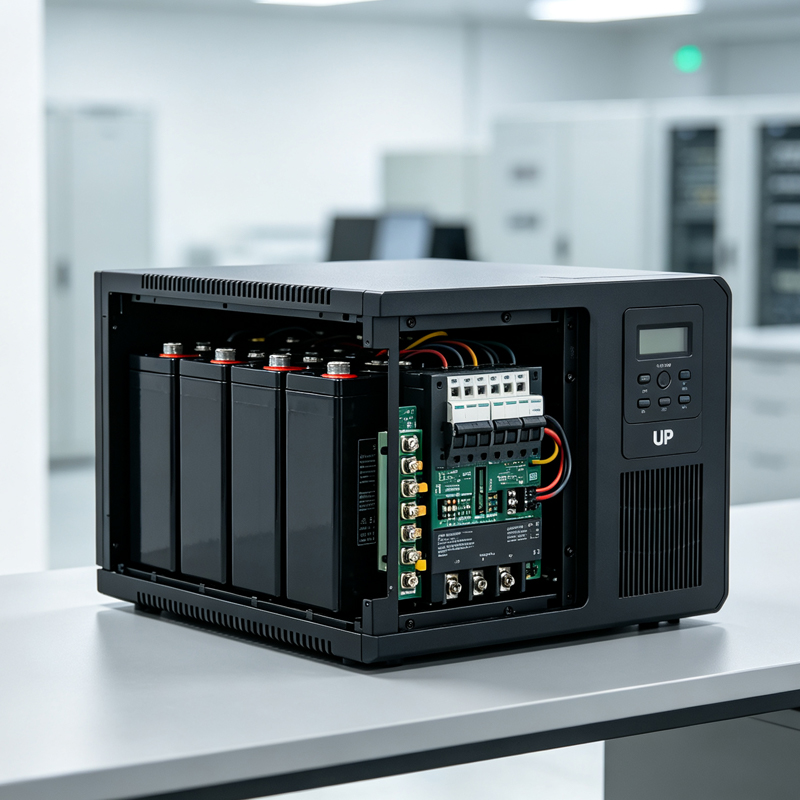
Scenario 2: Stationary batteries for uninterruptible power supply systems (UPS).
In data centers and telecommunications hubs, batteries operate in buffer mode, but must guarantee instant current delivery when the network is disconnected. Minimum variation in internal resistance between elements is important. Molds for such gratings are manufactured with increased precision requirements to ensure the identity of all plates in the block. The OPzV and CG gel batteries offered by the company use precisely such high-precision grids.
How to choose a supplier of molds and equipment
When purchasing equipment for the production of gratings, industrial enterprises should pay attention not only to the price, but also to the technical competence of the manufacturer. Key selection factors include:
- Experience in the battery industry:The supplier must understand the specifics of lead casting processes and the requirements for grating geometry. Nanjing Qiantan Energy Storage Technologies LLC has the expertise accumulated by leading specialists who have worked in large international corporations.
- Possibility of customization:The ability to design a mold to meet a customer's unique requirements, be it a non-standard battery size or a special cell configuration.
- Integrated approach:The offer is not just a mold, but a complete technological solution, including setting up injection molding machines and training personnel.
- Service support:Availability of the ability to promptly repair molds, supply spare parts and provide advice on optimizing the casting process.
n
The company's geographical presence covers China, Russia, Iran, Vietnam, Turkey and other countries, which allows us to provide local engineering support and adapt solutions to various regulatory and climatic conditions.
Frequently asked questions (FAQ)
What is the service life of a quality grating mold?
The service life depends on the mold material, operating conditions and the alloy being serviced. With proper care and the use of quality tool steels, a mold can withstand 200,000 to 500,000 casting cycles. Regular cleaning and temperature control are critical factors in durability.
Does the grid design affect the charging speed of the battery?
Yes, the grid design affects the internal resistance of the battery. Grids with a larger surface area and an optimized structure of current leads provide better contact with the active mass, which reduces resistance and allows charge to be accepted more efficiently. This is especially important for fast charge cycles in traction applications.
Is it possible to upgrade an existing mold?
In some cases, it is possible to make changes, for example, replacing worn inserts or modifying the cooling system. However, a significant change in cell geometry usually requires the production of a new mold. The company’s specialists can conduct an audit of existing equipment and offer the optimal solution.
Which lattice defects are the most critical?
The most dangerous are underfills (lack of metal in part of the cell), pores and cavities, as well as significant deviations in weight and flatness. Such defects lead to disruption of electrical contact, uneven current distribution and premature destruction of the plate.
Does the company provide documentation for the forms?
Yes, Nanjing Qiantan Energy Storage Technology LLC provides a full package of technical documentation, including drawings, material data sheets and operating recommendations. This is in line with the principles of technological transparency and long-term customer support.
Conclusion and recommendations for integration
Selection and productionmolds for gratingsis an investment in the quality of the final product. It is important for battery manufacturers to partner with suppliers who understand the physics of the process and offer engineering-based solutions. Nanjing Qiantan Energy Storage Technology LLC demonstrates an integrated approach, combining design, equipment manufacturing and deep expertise in the field of battery technology.
Engineers and purchasers are encouraged to focus not only on the initial cost of the tooling, but also on its ability to provide consistent product quality throughout its life cycle. The introduction of modern solutions in the field of grid casting makes it possible to increase the competitiveness of battery products in the global market.
For detailed information about technical capabilities, ordering the development of equipment or advice on modernizing a production line, contact our specialists. We are ready to offer customized solutions to suit your production needs.
Find out more about our technology solutions and products:Battery solutions and equipment.