
Buy O-ring seal from the manufacturer
2026-10-04
Buy O-ring from the manufacturer: selection criteria for industrial systems
The O-ring is one of the most common and reliable sealing elements in modern mechanical engineering, hydraulics and power engineering. Despite the apparent simplicity of the design, choosing the right seal requires a deep understanding of materials science, operating conditions and fluid dynamics. An error in the selection of material or size can lead to depressurization of the system, leakage of electrolyte or oil, and in the case of battery production, to serious disruptions in the technological process and environmental risks.
When industrial plants look to purchase an O-ring from a manufacturer, they are looking not just to obtain the part, but to ensure the long-term reliability of their components. Direct deliveries from the manufacturer allow you to control the quality of raw materials, maintain the accuracy of geometric dimensions and adapt the material to specific tasks, such as working with aggressive acids or extreme temperatures. In this article we will look at the technical aspects of O-ring selection, compare materials and describe quality requirements relevant for 2026.
Design features and operating principle of the O-shaped seal
The O-ring is a toroidal piece with a circular cross-section. The principle of its operation is based on the deformation of the elastomer during compression between two surfaces (groove and cover, shaft and housing). This deformation creates an initial contact pressure that prevents the passage of liquid or gas.
A key feature of O-rings is their ability to compensate for small surface imperfections and vibration. As the internal pressure in the system increases, the self-sealing property of the ring increases: the pressure of the medium additionally presses the elastomer against the walls of the groove, increasing the tightness. However, this effect only works if the compression ratio is correctly calculated (usually from 15% to 30%) and there is no extrusion of material into the gap.
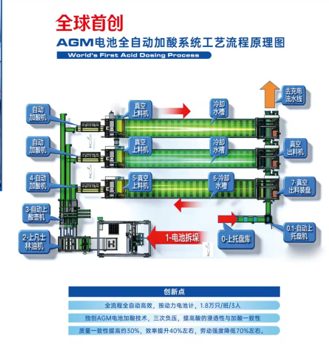
For equipment manufacturers such as Nanjing Qiantan Energy Storage Technology Co., Ltd., seal quality is critical. The company, which specializes in complete solutions for the production of lead-acid batteries, uses high-precision seals in acid filling systems, battery forming systems and automated assembly lines. Any leakage of sulfuric acid or electrolyte is unacceptable, so the requirements for chemical resistance and integrity of the O-rings are maximum here.
Seal materials: selection for specific environments
There is no universal material for all tasks. The choice of elastomer is determined by three factors: operating temperature, chemical compatibility with the environment and mechanical loads. Below is a comparison of the main materials used in the industry.
| Material | Temperature range | Chemical resistance | Typical Application |
|---|---|---|---|
| NBR (Nitrile rubber) | -40°C … +100°C | Excellent resistance to oils, fuels, water. Poor resistance to ozone and acids. | Hydraulic systems, pneumatics, general engineering components. |
| FKM/FPM (Fluororubber, Viton) | -20°C … +200°C | High resistance to acids, alkalis, solvents, oils. Not suitable for ketones. | Chemical industry, automobile engines, units for working with aggressive environments. |
| EPDM (Ethylene Propylene Rubber) | -50°C … +150°C | Excellent resistance to hot water, steam, ozone, acids and alkalis. Not resistant to oils. | Cooling systems, food industry, outdoor applications, batteries (contact with electrolyte). |
| Silicone | -60°C … +230°C | Good heat resistance, inertness. Low mechanical strength, poor abrasion resistance. | Food and medical industries, low-load thermal units. |
| PTFE (Polytetrafluoroethylene) | -200°C … +260°C | Almost complete chemical indifference. High coefficient of friction (requires lubrication). | Extreme chemical environments, high pressures where elastomers cannot withstand. |
Engineering experience suggests that in the production of batteries, where sulfuric acid and alkaline solutions are actively used, the number one material is EPDM. Its ability to withstand the oxidative attack of acids and maintain elasticity over a wide temperature range make it ideal for sealing battery caps, electrolyte lines and reservoirs. Using NBR in such conditions will cause the seal to quickly deteriorate and become leaky.
Geometry and standards: why size matters
When ordering O-rings, it is not enough to specify only the internal diameter. The critical parameters are:
- Inner Diameter (ID):must provide tension on the shaft or groove, but not cause excessive stretching, which reduces service life.
- Section thickness (CS or d2):determines the degree of compression. A ring that is too thin may not close the gap, while a ring that is too thick may cause excessive friction and jamming.
- Tolerances:industrial standards (for example, ISO 3601 or GOST 9833) regulate maximum deviations. Tolerances can be wider for static seals than for dynamic seals, where high precision is required to prevent wear.
Manufacturers such as Nanjing Qiantan Energy Storage Technology Co., Ltd. pay special attention to component compatibility when designing turnkey lines. Automated assembly lines and acid-pouring systems require seals with tight tolerances so that robotic arms can position parts correctly without risk of damage. Geometric inaccuracy of the ring can lead to failure of the entire automatic line.
Applications in energy and battery production
The applications of O-rings in the energy storage industry are broad and specific. Let's look at two key scenarios where seal quality directly impacts safety and efficiency.
Scenario 1: Sealing battery packs and covers
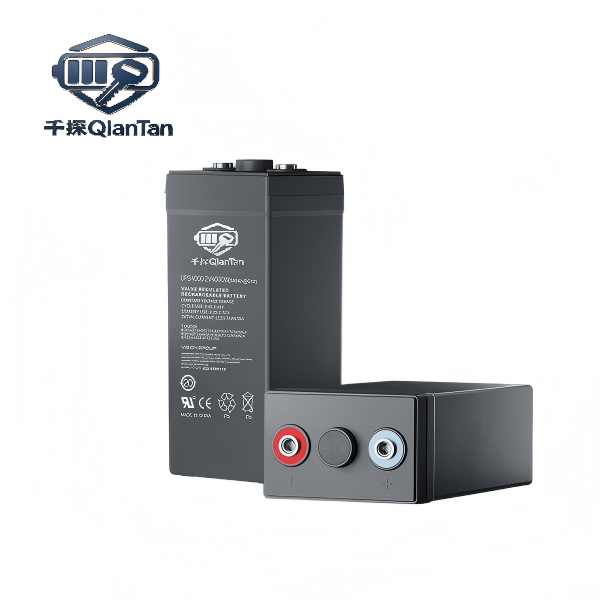
In lead-acid batteries (EV, OPzV, CG, CL 2V series offered by the company), O-rings are used to seal the pole terminals and can lids. Here the medium is an aqueous solution of sulfuric acid (electrolyte).
Technical requirements:
- The material must be absolutely inert to sulfuric acid of any concentration.
- The seal must withstand the internal pressure of gases released during charging/discharging.
- Resistance to aging due to ozone, which can be released during electrolysis, is required.
Solution:Using high hardness EPDM rings (Shore A 70-80). This ensures reliable contact even during microvibrations of the vehicle (for traction batteries) or a stationary installation.
Scenario 2: Recycling and recycling systems
Nanjing Qiantan Energy Storage Technology LLC is implementing projects that include workshops for environmentally friendly recycling of used batteries. These systems pump aggressive slurries, acidic residues and alkaline neutralizers.
Technical requirements:
- High abrasive resistance (due to the presence of solid particles in the sludge).
- Heat resistance (processing processes may be accompanied by heating).
- Reliability under cyclic pressure loads in pumps and valves.
Solution:For pumping equipment, rings made of FKM (fluoroelastomer) or special PTFE composites reinforced with elastomer are often used. They provide long service life in conditions of constant contact with chemically active and abrasive media.
Common Causes of Seal Failure and Prevention Methods
Even the best quality O-ring can fail prematurely if installation and operating conditions are not taken into account. Failure analysis shows the following main causes:
- Extrusion (extrusion):Occurs when the gap between parts is too large for the operating pressure. The soft material is squeezed into the gap and cut off.Solution:Reducing the gap or using seals with back-up rings.
- Thermal degradation:Loss of elasticity, cracking due to exceeding the temperature limit of the material.Solution:Selecting a material with a higher temperature index (for example, replacing NBR with FKM or Silicone).
- Chemical swelling:An increase in the volume of the ring due to the absorption of working fluid, which leads to a loss of strength and a change in size.Solution:Check chemical compatibility tables before selecting a material.
- Mechanical damage during installation:Cuts with sharp edges or threads.Solution:Using mounting cones, chamfering parts, lubricating the seal with a compatible lubricant before installation.
The company's engineers emphasize that quality control at the stages of incoming inspection of raw materials and output testing of finished products allows us to minimize the risk of using defective seals. In turnkey projects implemented in Russia, Iran, Vietnam and other countries, adapting solutions to local climatic conditions (for example, extreme cold or heat) also requires careful selection of sealing materials.
How to choose an O-ring supplier: checklist for buyers
Purchasing O-rings in bulk or for a specific project requires checking the supplier on a number of technical and organizational parameters. Don't just focus on the price per piece. The cost of equipment downtime due to a leak is many times greater than the savings on cheap components.
- Availability of quality certificates:Require quality certificates for batches confirming hardness (Shore), tensile strength and elongation.
- Possibility of customization:Can the manufacturer produce rings in non-standard sizes or from specific compounds? For unique equipment such as the CL 2V series tubular monobloc production lines, standard sizes may not be suitable.
- Stability of supplies:For mass production, it is important that the material properties do not change from batch to batch. A difference in hardness of even 5 Shore A units may require equipment readjustment.
- Technical support:Is the supplier able to advise on material selection for a new, unusual environment?
Nanjing Qiantan Energy Storage Technology LLC demonstrates a full-cycle approach not only in the production of batteries, but also in providing its projects with high-quality components. Many years of industry expertise of the team, which has worked in leading Chinese and international corporations, allows us to accurately determine the requirements for each component, including sealing elements. Partnerships with trusted seal manufacturers and strict internal controls ensure that every HFS, CT or CP Series battery is sealed and safe.
FAQ: Frequently asked questions about O-rings
Which O-ring is best to use for sulfuric acid?
For contact with sulfuric acid, especially at the concentrations used in lead-acid batteries, EPDM (ethylene propylene rubber) is the best choice. It has exceptional resistance to polar liquids, acids and alkalis. Petroleum-based materials such as NBR degrade quickly in such an environment.
Can the same O-ring be used for dynamic and static sealing?
Theoretically it is possible, but it is ineffective. Dynamic seals (moving rods, shafts) require materials with low friction and high wear resistance (often PTFE or special polyurethanes), as well as a lower compression ratio. Static seals can be made from softer materials with greater compression for better sealing. Using a static ring dynamically will lead to rapid wear and overheating.
What does Shore A hardness mean for an O-ring?
Shore hardness characterizes the resistance of a material to indentation. For O-rings, values from 60 to 90 Shore A are usually used. Softer rings (60-70 Shore A) better compensate for surface unevenness, but are more easily damaged during installation. Harder ones (80-90 Shore A) resist high pressure extrusion better, but require smoother mating surfaces and greater compression force.
What is the service life of an O-ring?
The service life depends on operating conditions: temperature, pressure, presence of aggressive media and dynamics. Under static conditions at room temperature, quality rings can last for decades. In dynamic components or at high temperatures, the service life can range from several months to several years. Regular technical inspection and replacement of seals according to regulations are mandatory to prevent accidents.
Does the color of the O-ring affect its properties?
Color in itself does not determine properties, it only indicates the type of material (for example, black - most often NBR or EPDM with carbon black, green or brown - FKM, white or transparent - Silicone or PTFE). However, it is important to remember that dyes can affect chemical resistance in specific environments (for example, in the food or pharmaceutical industry). Always rely on the material data sheet, not the color.
Conclusion and recommendations on procurement
Selecting an O-ring is an engineering challenge that requires a balance between cost, performance and reliability. For industrial applications, especially in energy and chemical engineering, skimping on seal quality is unacceptable. A properly selected seal ensures not only tightness, but also the safety of personnel and the environment.
When planning purchases, pay attention to the reputation of the supplier, the availability of technical documentation and the ability to provide samples for testing. Working with companies with deep industry experience, such as Nanjing Qiantan Energy Storage Technology Co., Ltd., results in not just a product, but an integrated solution where every element, including seals, meets the highest quality and safety standards. Global experience in implementing projects in Asia, the Middle East and Eastern Europe confirms the ability of such partners to adapt technical solutions to the most difficult operating conditions.
For advice on selecting sealing elements for your equipment or to view complete technical solutions in the field of battery technology, go toproducts and technical solutions.