

Buy a leak detector: prices from the manufacturer
2026-09-14
- Leak detector: selection criteria and impact on battery quality
- Technical parameters and equipment specifications
- Comparison of control methods: which to choose for your line?
- Factors Affecting the Cost of Leak Detectors
- How to choose an equipment supplier: reliability criteria
- Frequently asked questions (FAQ)
- Conclusion and recommendations on procurement
Leak detector: selection criteria and impact on battery quality
In modern industrial manufacturing, especially in the energy and automotive sectors, assembly quality control is not just a formality, but a critical requirement for product safety and durability.Leak detector(or leak detector) is a high-precision measuring equipment designed to detect microscopic leaks in closed systems. In the context of lead-acid battery production, where the sealing of the case directly affects the service life, operational safety and compliance with environmental standards, the use of reliable control methods becomes a mandatory step in the process cycle.
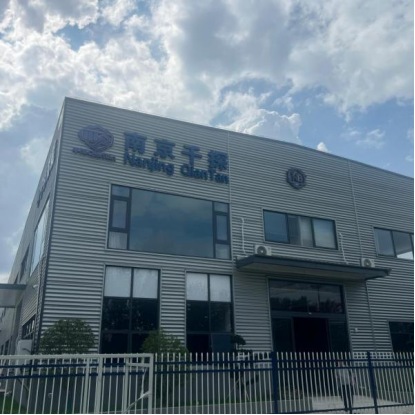
Purchasing a leak detector from the manufacturer allows businesses to integrate inspection systems directly into the production line, ensuring 100% inspection of every item produced. Prices for such equipment vary depending on the control method (vacuum, differential, helium), the required accuracy and level of automation. For companies like Nanjing Qiantan Energy Storage Technology LLC, which has turnkey projects around the world - from Russia to Southeast Asia - selecting the right testing equipment is fundamental to a reputation for providing reliable battery solutions.
Operating principles and main types of leak detectors
Understanding the physics of the leakage process is necessary for proper selection of equipment. Tightness is characterized by the ability of the product shell to maintain internal pressure or prevent the penetration of external substances. In industrial practice, several basic methods are used, each of which has its own advantages and limitations.
- Pressure Decay method:The most common method for mass production. The product is filled with compressed air, insulated, and the sensor records the change in pressure over a fixed period of time. This method is effective for detecting relatively large defects in casting or welding of battery cases.
- Differential method:Uses a reference product (master part) for comparison. Allows you to compensate for thermal expansion and deformation of the material, which is critical when testing plastic battery cases exposed to thermal environmental influences.
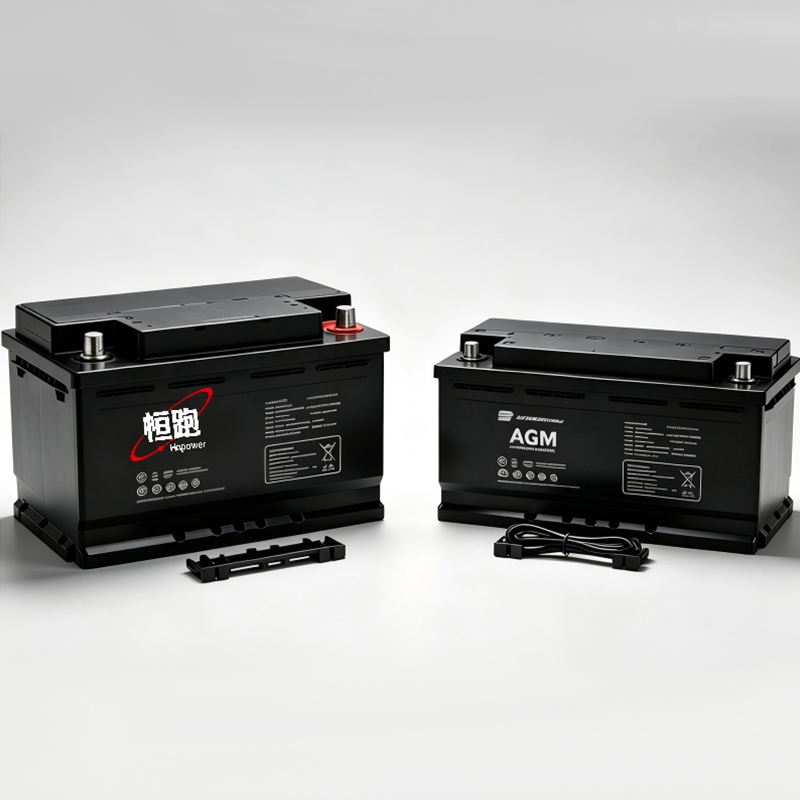
- Helium mass spectrometric method:Provides the highest sensitivity (up to 10⁻⁹ mbar l/s). Helium, being an inert gas with a small molecular size, penetrates through the smallest pores. This method is used for critical components where even minimal leakage of electrolyte is unacceptable, such as sealed maintenance-free 1S series batteries or stationary CP batteries.
- Vacuum method:The product is placed in a vacuum chamber. Suitable for large objects, such as EV series traction batteries, where generating internal pressure may be difficult or dangerous.
Engineering experience shows that for lead-acid battery production lines, a combined approach is often optimal: a rapid pneumatic test at the stage of case assembly and more accurate helium or differential control at the stage of final acceptance of the finished product.
Technical parameters and equipment specifications
When selecting a leak detector, the technical characteristics determine its applicability in a specific production environment. Below is a table of comparative parameters specific to industrial equipment used in the battery industry.
| Parameter | Description and impact on the process | Typical values for production batteries |
|---|---|---|
| Test pressure range | The maximum pressure that can be applied to the product without risk of damage. | 0 – 100 kPa (for plastic enclosures usually up to 30-50 kPa) |
| Sensor resolution | The minimum change in pressure that the device can record. | 0.1 Pa – 1 Pa (high precision for micro leaks) |
| Test cycle time | Total time spent on one product (filling, stabilizing, testing, resetting). | 10 – 60 seconds (depending on battery capacity) |
| IP protection class | Protecting the detector itself from dust and moisture in the workshop. | IP54 – IP65 (important for acid production conditions) |
| Communication Interfaces | Possibility of integration with MES systems and PLC line controllers. | RS-485, Ethernet/IP, Profinet, Modbus TCP |
| Temperature compensation | Algorithms for taking into account the thermal expansion of air inside the battery. | A must for consistent results |
It is important to note that specific parameters depend on the detector model and test station configuration. For example, high conveyor speeds require equipment with fast valves and powerful vacuum pumps, while laboratory control requires maximum sensor accuracy.
Specifics of application in the production of lead-acid batteries
Battery manufacturing places unique demands on the leak control system. Battery cases, made of ABS plastic or polypropylene, are joined by hot-melt welding or gluing. Microcracks in the seams of the cover and body can lead to drying out of the electrolyte, corrosion of the terminals and, in the worst case, to the release of aggressive vapors.
Nanjing Qiantan Energy Storage Technology LLC, with more than 30 years of experience in the industry and implementing projects in various climatic zones (from humid Vietnam to mainland China and Russia), pays special attention to quality control at all stages. The introduction of automated testing lines ensures that products such as OPzV and CG gel batteries, as well as high-power front terminal batteries HFS and CT series, meet stringent international safety standards.
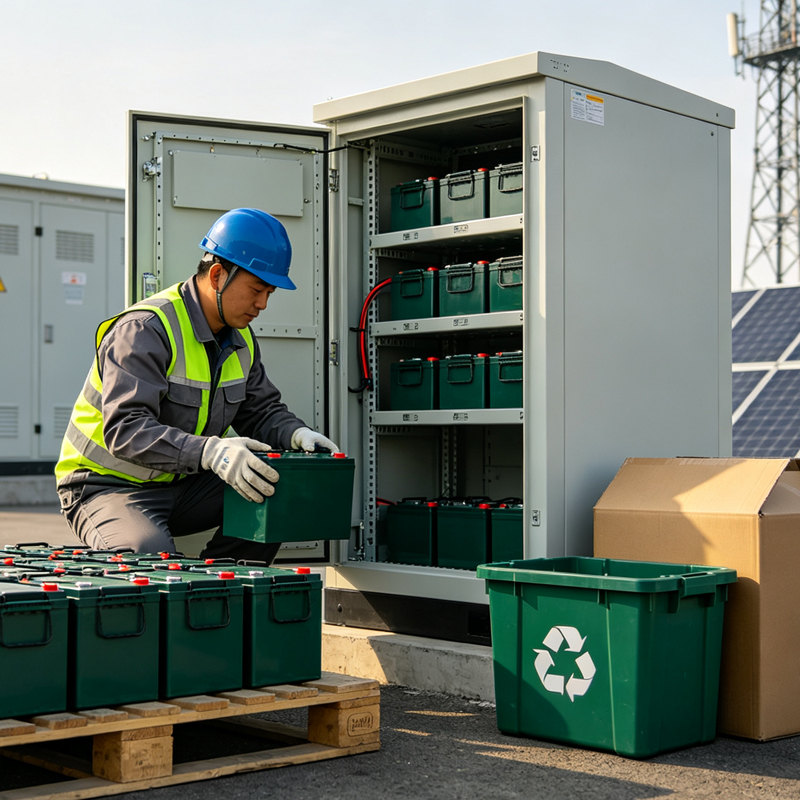
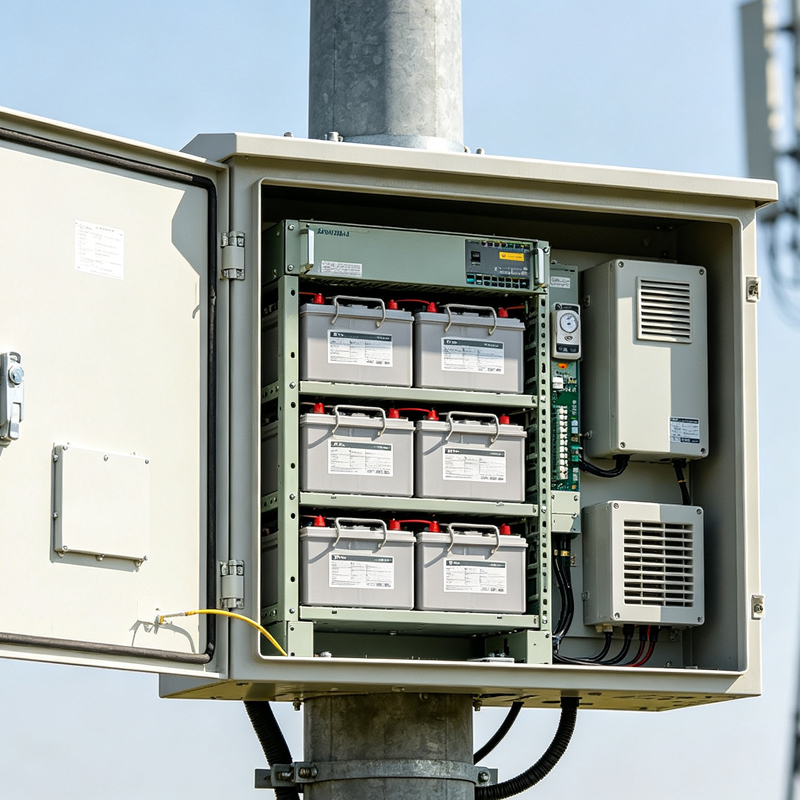
Particular attention should be paid to testing tubular monoblocks of the CL 2V series and stationary batteries of the CP series. These products are often used in telecommunications closets or data centers, where any leakage could result in damage to expensive electronic equipment. Therefore, the leakage rejection threshold for such products is set at a minimum level.
Comparison of control methods: which to choose for your line?
The choice between different detection technologies is not always clear and depends on the budget, required performance and type of product. Let's consider a comparative analysis of popular approaches.
| Criterion | Pneumatic (air) | Helium (tracer gas) | Ultrasonic |
|---|---|---|---|
| Equipment cost | Low / Medium | High | Average |
| Cost of operation | Low (air only) | High (helium cost) | Low |
| Sensitivity | Average (10⁻³ mbar l/s) | Very high (10⁻⁹ mbar l/s) | Low (large holes) |
| Test speed | High | Medium (requires pumping out) | High |
| Effect of temperature | Significant (requires compensation) | Minimum | Missing |
| Recommended Application | Mass production of car batteries (1S series), EV traction batteries | Premium sealed batteries (OPzV, AGM), critical components | Preliminary rough inspection of welds |
For most mass production applications, such as maintenance-free 1S series automotive batteries or forklift traction batteries, a high-quality differential sensor pneumatic detector is the most cost-effective solution. It provides sufficient accuracy to prevent warranty claims while maintaining high conveyor speed.
However, when it comes to specialized solutions such as high temperature batteries or energy storage systems for critical infrastructure, where the cost of failure is extremely high, investing in helium leak detectors is justified. They allow you to identify defects that are invisible to air tests, providing absolute confidence in the tightness.
Factors Affecting the Cost of Leak Detectors
The request “buy price leakage detector from the manufacturer” is often driven by the desire to optimize capital costs. However, the price of equipment is determined not only by the brand, but also by the technical content. Key pricing factors include:
- Sensor type:Piezoresistive sensors are less expensive than capacitive or mass spectrometric analyzers.
- Automation level:Manual stands are much cheaper than fully automated test robots integrated into the conveyor.
- Software:The presence of advanced algorithms for temperature compensation, statistics (Cpk/Ppk) and integration with factory networks increases the cost of the license.
- Equipment customization:The development of individual adapters (fixtures) for specific battery models (for example, for the geometry of HFS series batteries) requires engineering work and materials.
- Service and support:Suppliers that offer on-site training and maintenance, as Nanjing Qiantan Energy Storage Technology LLC's team does in their countries of operation, can include these services in the overall contract price, reducing the risk of future downtime.
Integration into the production cycle: expert experience
Successful implementation of a leak control system requires not just purchasing a “box”, but a deep understanding of the technological process. Specialists from Nanjing Qiantan Energy Storage Technologies LLC, who have experience working in leading Chinese and international corporations, emphasize the importance of correct positioning of the test station.
Typically, a leak test is carried out after assembling the body and welding the cover, butup topouring electrolyte and forming plates. This avoids acid contamination of the test equipment and ensures clean test results. If the test is carried out on finished products, special methods are used to eliminate the risk of damage to safety valves (overpressure valves).
Engineering Tip: When setting up your detector, be sure to consider the amount of available space inside the battery. The large traction batteries of the EV series have a significant internal volume, which requires more time to stabilize the pressure compared to compact starter batteries. Ignoring this factor leads to false defects or, worse, missing defective products.
How to choose an equipment supplier: reliability criteria
The industrial equipment market is saturated with offers, but not all manufacturers are able to provide long-term support. When choosing a partner for the supply of leak detectors and associated production lines, you should pay attention to the following aspects:
- Technical expertise:The ability of the supplier to adapt the solution to the specifics of your product. A company with experience in the battery industry understands the difference between liquid cooling testing and battery gas space testing.
- Global service:Availability of service centers or partners in the region of operation. For Russian enterprises, it is important to have local support or prompt logistics of spare parts.
- Integrated approach:Possibility of supplying not only the tester, but also the entire line - from equipment for the production of plates and mesh grids to automated assembly lines. Nanjing Qiantan Energy Storage Technology LLC positions itself as a full-cycle operator, which allows customers to receive coordinated solutions where test equipment is perfectly synchronized with assembly robots.
- Data Transparency:Providing detailed technical documentation, calibration protocols and quality trend analysis software.
Frequently asked questions (FAQ)
What is the best leak testing method for batteries?
For mass production of lead-acid batteries, the most effective method is Pressure Decay with a differential sensor. It strikes a balance between speed, cost and accuracy sufficient to detect seam weld defects. For premium sealed batteries (AGM, Gel), the gel method can be used to eliminate any risk of electrolyte leakage.
Does the temperature in the workshop affect the test results?
Yes, temperature has a direct effect on the gas pressure inside the product (Gay-Lussac's law). Modern leakage detectors are equipped with temperature compensation algorithms or use differential sensors that compare the tested product with a standard, which neutralizes the influence of temperature fluctuations in the production room.
Is it possible to test batteries already filled with electrolyte?
Testing full batteries is possible, but it is more difficult and requires care not to damage internal components due to pressure. Typically, testing the tightness of the case is carried out on an empty battery. The finished product is tested for the absence of external electrolyte leaks and the correct operation of the valves, and not for the tightness of the housing itself in the classical sense of a pneumatic test.
How often should a leak detector be calibrated?
The recommended calibration frequency is once a year or every 2000 hours of operation, depending on the intensity of use. However, daily testing using a master part (a reference with a known leak) is mandatory to ensure system functionality before starting your shift.
Why is it important to buy equipment from the manufacturer and not from a middleman?
Purchasing directly from the manufacturer or from an integrator with in-house engineering, such as Nanjing Qiantan Energy Storage Technology LLC, guarantees original software, access to algorithm updates and direct technical support. This is critical for quickly troubleshooting and minimizing production line downtime.
Conclusion and recommendations on procurement
Investment in qualityleak detector- This is a contribution to the brand’s reputation and a reduction in warranty costs. Errors in equipment selection can result in defective batteries reaching the end user, which is especially critical for segments such as backup power systems or electric vehicles.
When planning purchases, it is recommended to conduct pilot tests on real product samples. Evaluate not only the stated accuracy of the device, but also the ease of its integration into an existing line, the speed of changeover for different models and the quality of the software interface.
Nanjing Qiantan Energy Storage Technologies LLC is ready to offer comprehensive solutions for organizing the production of batteries of any type. Thanks to the team’s many years of experience and the global geography of projects (Russia, Iran, Turkey, Vietnam, etc.), we provide not only the supply of equipment, but also deep technological support, adaptation of solutions to local conditions and personnel training. Our approach is based on the principles of partnership and the creation of environmentally friendly, intelligent production bases.
To receive detailed advice on the selection of equipment for leak testing, as well as to discuss projects for the construction of turnkey battery plants, contact our specialists. We will help you select the optimal configuration of test stations that matches your production tasks and budget.
Find out more about ourproducts and technological solutionsfor the battery industry.