
Batteries for forklifts: prices from the manufacturer
2026-09-14
- Batteries for forklifts: prices from the manufacturer and cost factors
- Technical characteristics and classification of industrial batteries
- Application in various industrial sectors
- How to correctly calculate the required capacity and choose a battery
- Production process and quality control: why does it affect price
- Operation and Maintenance: Extending Service Life
- Frequently asked questions (FAQ)
- Recommendations for purchasing and cooperation with the manufacturer
Batteries for forklifts: prices from the manufacturer and cost factors
Selecting a traction battery is a critical step in ensuring smooth operation of warehouse logistics.Forklift batteriesconstitute up to 30% of the total cost of equipment ownership, and their incorrect selection or operation can lead to equipment downtime and significant financial losses. In 2026, the industrial power supply market will see a shift in focus from solely the initial purchase price to the total cost of ownership (TCO), which includes energy efficiency, service life and maintenance costs.
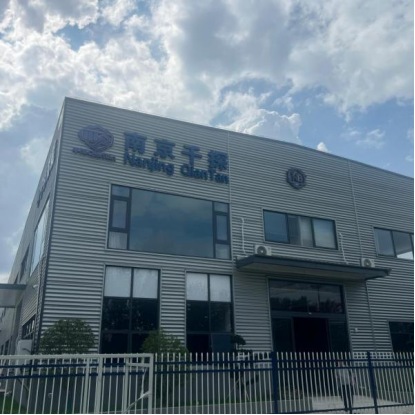
Nanjing Qiantan Energy Storage Technology Co., Ltd., as a professional full-cycle solution provider, offers a transparent pricing model based on technical specifications and operating conditions. Understanding what goes into the price of industrial batteries allows buyers and chief engineers to optimize budgets without compromising the reliability of the loading equipment fleet.
Key factors influencing the cost of traction batteries
The price of a forklift battery is not a static value. It is formed under the influence of a complex of technological and market factors. Buyers are often faced with a range of prices for seemingly similar models. This is due to differences in the quality of raw materials, production technology and declared cyclic resources.
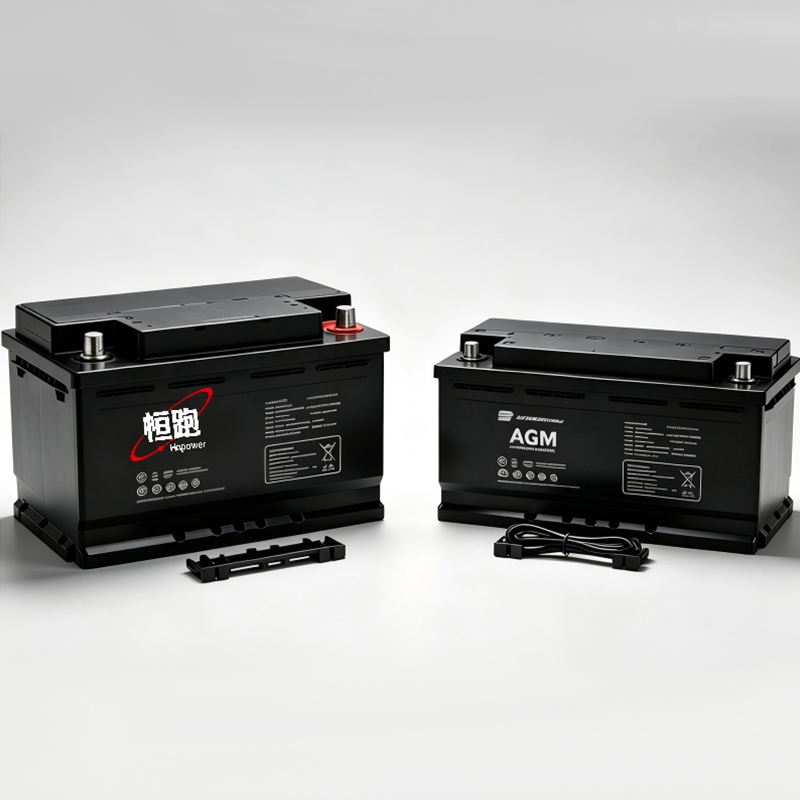
- Electrochemical system type:Traditional lead-acid batteries (wet electrolyte) remain the most affordable at initial cost. Gel (GEL) and AGM technologies require more expensive raw materials and a complex separation process, which increases the price by 20-40%, but reduces maintenance costs.
- Capacitance and Voltage:The basic relationship “the larger the capacity, the higher the price” is supplemented by the design complexity factor. Batteries with a voltage of 48V, 80V or 96V for large equipment require more cells connected in series and reinforced inter-cell connections.
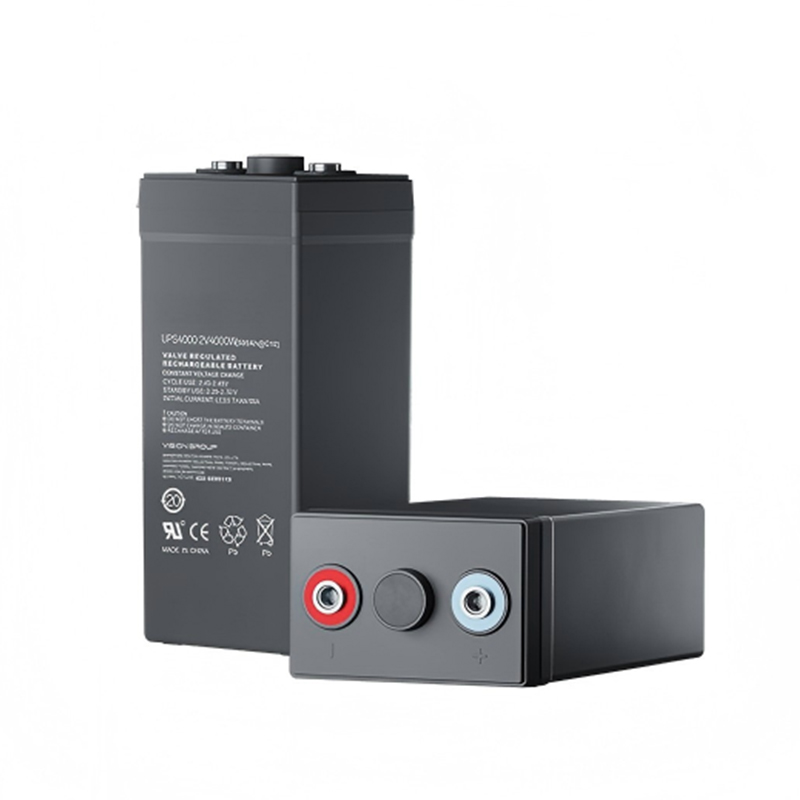
- Plate design:The use of tubular plates (as in the CL 2V series from Nanjing Qiantan LLC) provides a significantly longer service life of charge-discharge cycles compared to flat plates. The high density of the active mass and special alloying additives in lead increase resistance to corrosion, which is reflected in the premium pricing segment.
- Protection and housing:The presence of a steel container, protective covers, electrolyte level indication systems and temperature sensors increases the final cost of the product, but is critical for safety in high-demand warehouses.
Technical characteristics and classification of industrial batteries
To correctly compare offers from different manufacturers, it is necessary to operate with common technical parameters. The warehouse equipment industry is dominated by two main types of lead-acid batteries: wet and maintenance-free (gel/AGM). Each type has its own engineering features and applications.
Specialists from Nanjing Qiantan Energy Storage Technology LLC, with more than 30 years of experience in the industry, recommend dividing the choice of battery according to the operating modes of the forklift. The intensity of shifts, the availability of refrigeration chambers and requirements for charging speed dictate the choice of a specific technology.
Comparative analysis of technologies: Liquid electrolyte vs Gel (OPzV/CG)
Below is a table showing the key differences between traditional traction batteries and modern gel solutions such as the OPzV and CG series offered by our enterprise.
| Parameter | Lead-acid (liquid electrolyte) | Gel (OPzV/CG) |
|---|---|---|
| Initial cost | Low (basic segment) | High (premium segment) |
| Service | Requires regular addition of distilled water, density control | Completely maintenance-free, sealed |
| Cyclic resource | 1200–1500 cycles (at 80% discharge) | Up to 2000–2200 cycles (at 80% discharge) |
| Charge speed | Standard (8–10 hours + cooling) | Fast charging possible (optional) |
| Sensitivity to depth of discharge | High (deep discharge reduces service life) | Low (better resistance to deep discharges) |
| Operational safety | Risk of acid spillage, release of gases during charging | No leaks, minimal gas emissions |
Engineering experience shows that for single-shift work at moderate intensity, traditional wet batteries remain economically feasible. However, for multi-shift operations (2-3 shifts) or food and pharmaceutical warehouse applications where cleanliness and maintenance-free operation are important, the OPzV Series gel batteries provide a lower total cost of ownership due to durability and no maintenance personnel costs.
Application in various industrial sectors
Forklift operating environments range from heated warehouses to -30°C freezers. Nanjing Qiantan Energy Storage Technologies LLC adapts its solutions, including high-temperature batteries and specialized EV series, to the specific needs of customers in Russia, Iran, Turkey and other countries where it operates.
Scenario 1: Logistics centers and FMCG sector
Conditions:Intensive work 24/7, high requirements for shipment speed, limited charging time.
Technical requirements:Batteries must withstand frequent partial discharge cycles and the possibility of intermediate recharging (opportunity charging). Low internal resistance is critical here.
Solution:Use of high power front terminal solutions (HFS and CT series) or gel batteries. They allow quick charging during breaks without the risk of plate sulfation, which is common with conventional batteries.
Risk:Battery overheats during continuous operation. It is necessary to have an effective thermoregulation system or select batteries with improved heat dissipation.
Scenario 2: Cold storage and freezers
Conditions:Temperatures from -18°C to -30°C. Low temperatures slow down chemical reactions, reducing available battery capacity by 30–50%.
Technical requirements:Standard batteries lose their charge quickly in the cold. A special design of separators and electrolyte is required that maintains mobility at low temperatures.
Solution:Specialized high-temperature batteries or the use of heated insulating casings. The company offers solutions adapted to the climatic conditions of regions with harsh winters, which is confirmed by the experience of projects in Russia and Eastern Europe.
Engineering advice:When operating in cold conditions, the battery capacity should be selected with a margin of +20–30% relative to the design load to compensate for the drop in efficiency.
How to correctly calculate the required capacity and choose a battery
An error in capacity selection leads to either a short shift or overpayment for excess capacity. The calculation is based on the energy consumption of the loader and its operating mode.
- Determination of on-board network voltage:This is usually 24V (for small stackers), 48V (standard for most 1.5-3 ton trucks) or 80V/96V (for heavy equipment).
- Current consumption calculation:It is necessary to know the average current consumption of the forklift (in Amperes) and the duration of the work shift (in hours).
- Usage rate:The loader does not operate at full capacity all the time. The average coefficient is 0.7–0.8. However, to calculate capacity, peak consumption is taken taking into account the reserve.
- Calculation formula: Capacity (Ah) = (Average current consumption × Operating time) / Discharge depth coefficient.For lead-acid batteries, it is recommended not to discharge them more than 80% (DOD 80%) to prolong their life.
For example, if a forklift consumes an average of 30A over an 8-hour shift, the required usable capacity is 240Ah. Taking into account the coefficient of 0.8, the required nominal battery capacity will be 300Ah. Choosing a battery with a smaller capacity will lead to its deep discharge and rapid failure.
Production process and quality control: why does it affect price
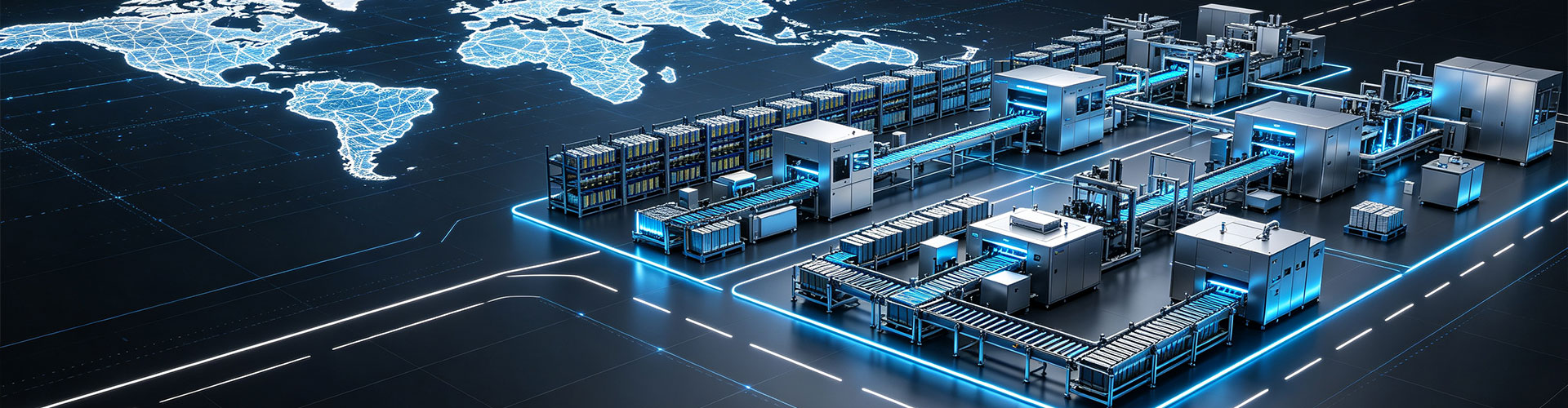
The cost of a battery is directly related to the technology used at the manufacturer's factory. Nanjing Qiantan Energy Storage Technology LLC positions itself as a full-cycle operator, which allows quality control at every stage - from the manufacture of mesh grids to the final formation of the battery.
Key steps to ensure product reliability:
- Casting plates and gratings:The use of automated lines guarantees the precise geometry and uniformity of the lead alloy structure. This prevents the active mass from shedding during vibration when the loader is operating.
- Assembly and welding:The use of automated assembly lines minimizes the human factor. High-quality welding of inter-element connections reduces internal resistance and the risk of contact overheating.
- Formation and charge:The process of initial plate formation takes considerable time and energy consumption, but it is this process that determines the future capacity and service life of the battery. Violation of the formation mode leads to premature degradation of the battery.
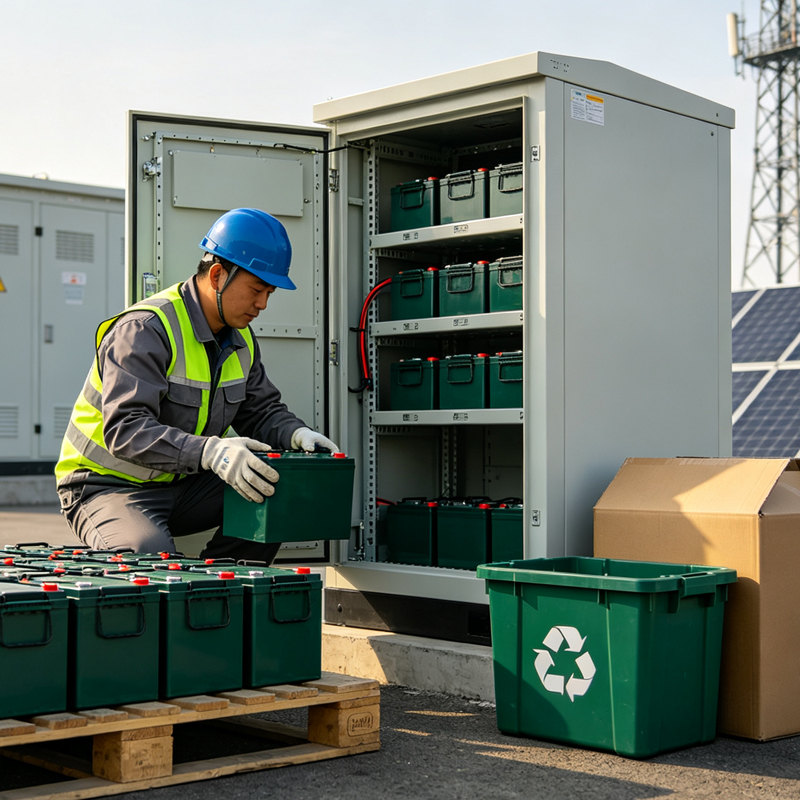
- Ecological recycling:The presence of a specialized workshop for recycling used lead-acid batteries allows the company to comply with the principles of sustainable development and offer competitive conditions for recycling, which is also included in the overall economics of the product.
Global experience in implementing projects in Asia, the Middle East and Eastern Europe confirms that investments in a high-quality production cycle pay off by reducing complaints and increasing the loyalty of partners such as Tianneng and Chaowei.
Operation and Maintenance: Extending Service Life
Even the most expensive battery will fail prematurely if the operating rules are not followed. It is important for technicians and warehouse operators to comply with the following regulations:
1. Charging rules:
Charging should only begin after the battery has cooled down (case temperature should not exceed 30–35°C). Charging a hot battery causes accelerated corrosion of the positive plates. Use only chargers that match the battery type (gel batteries require special charge profiles with voltage limitation).
2. Monitoring the electrolyte level (for liquid batteries):
The electrolyte level should always cover the plates. Topping up should be done only with distilled water. The use of tap water is unacceptable due to the content of impurities that cause self-discharge and sulfation.
3. Fight against sulfation:
Regular equalization charges help desulfate the plates and restore capacity. If the loader operates in partial discharge mode, it is recommended to carry out a full charge-discharge cycle once a week.
4. Purity and integrity:
Contaminants on the battery surface (dust, dirt, electrolyte) create conductive bridges, leading to current leakage and self-discharge. The housing must be dry and clean.
Frequently asked questions (FAQ)
What is the lifespan of forklift batteries?
Service life depends on the type of battery and intensity of use. Traditional lead-acid batteries last on average 3–5 years (or 1200–1500 cycles). Gel batteries (OPzV) and tubular plate batteries can last up to 5–7 years (up to 2000 cycles) if proper charging and temperature conditions are observed.
Can I use a regular charger for gel batteries?
No, this is not recommended. Gel batteries are sensitive to excess charge voltage. Conventional chargers for liquid batteries can “dry out” the gel and irreversibly damage the battery. It is necessary to use chargers with a profile specifically configured for GEL or AGM technologies.
Why does the battery lose capacity quickly in winter?
At low temperatures, the viscosity of the electrolyte increases, which slows down the diffusion of ions and reduces the chemical reactivity of the plates. Capacity may drop 30–50% at -20°C. Solution: use insulated heated covers, store the battery in a warm room at night, or select specialized low-temperature models.
How to dispose of used batteries?
Lead-acid batteries must be recycled due to their lead and sulfuric acid content. Nanjing Qiantan Energy Storage Technology Co., Ltd. provides environmentally friendly recycling services, ensuring a closed cycle and compliance with environmental standards. The transfer of batteries to uncertified persons is prohibited by law in many countries.
Does depth of discharge affect battery life?
Yes, the influence is critical. Regularly discharging a lead-acid battery below 20% remaining charge (80% depth of discharge) dramatically reduces the number of cycles available. To extend the life of the battery, it is recommended to plan work so that the average discharge does not exceed 70–80% of the rated capacity.
Recommendations for purchasing and cooperation with the manufacturer
When choosing a supplierforklift batteriesBuyers should look not only at unit price, but also at technical support and flexibility. Direct cooperation with a manufacturer such as Nanjing Qiantan Energy Storage Technology LLC eliminates middleman markups and provides access to engineering expertise.
Before placing an order, we recommend:
- Provide technical data sheets for loading equipment for accurate selection of dimensions and connectors.
- Describe the operating mode (number of shifts, temperature conditions) for choosing the optimal technology (liquid electrolyte or gel).
- Request certificates of conformity and test reports confirming the declared capacity and cycle life parameters.
- Discuss the conditions for service support and the availability of spare parts at the supplier’s warehouse.
The company is ready to offer individual solutions, including adaptation of products to local operating conditions in Russia, the CIS and other regions. The team’s many years of industry expertise and a full production cycle allow us to guarantee the stability of the characteristics of each delivered batch.
To receive a detailed commercial offer, technical calculation of capacity or advice on choosing the type of battery, contact our specialists. We will help you optimize your costs for energy supply to warehouse equipment.
Find out more about ourproducts and technical solutionsfor warehouse logistics.