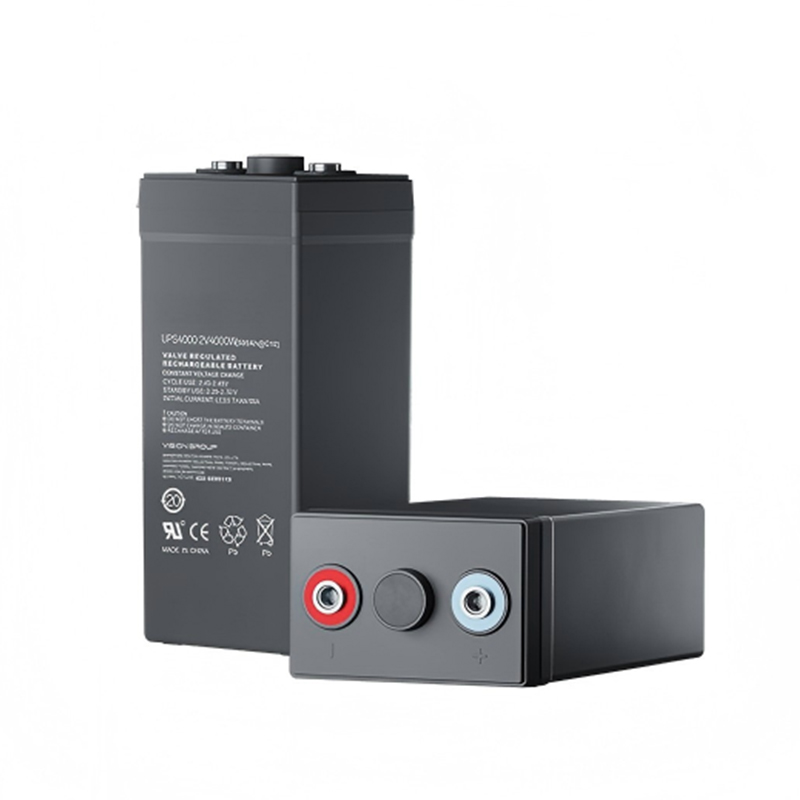


Electrolyte level indicator: price from the manufacturer
2026-09-14
- Electrolyte level indicator: technical analysis, selection and pricing from the manufacturer
- Technical parameters and classification of indicators
- Applications in various industries: an engineering perspective
- How to choose a supplier: quality assessment criteria
- Frequently asked questions (FAQ)
- Conclusion and recommendations on procurement
Electrolyte level indicator: technical analysis, selection and pricing from the manufacturer
In industrial power supply systems and transportation, monitoring the condition of lead-acid batteries is a critical reliability factor. The key element of this control iselectrolyte level indicator— a device or visual marker that allows you to quickly assess the density and volume of the working fluid in the battery cells. For technicians and purchasers, understanding the operating principles of these components, as well as the transparency of cost formation, directly affects the reduction of operating costs and the prevention of equipment failures.
The price of an electrolyte level indicator from the manufacturer varies depending on the type of design (mechanical, optical, electronic), housing materials and chemical resistance requirements. However, saving on this component often leads to significant losses due to premature sulfation of the plates or thermal runaway. This article examines the technical aspects of indicator selection, their integration into modern battery systems, and the factors that will determine their market value in 2026.
Functional purpose and operating principle
The electrolyte in lead-acid batteries is an aqueous solution of sulfuric acid. Its level and density directly correlate with the battery charge level and its overall health. A drop in level below the permissible minimum exposes the lead plates, which leads to their oxidation in air, irreversible loss of capacity and an increase in internal resistance.
The electrolyte level indicator solves the problem of monitoring without the need to open sealed cases or use hazardous chemicals for measurements. There are three main categories of devices:
- Mechanical float indicators:They work on the principle of Archimedean force. A float associated with a visual scale or contact group moves depending on the density and level of the liquid. This is the most reliable and cheapest solution for industrial stationary batteries.
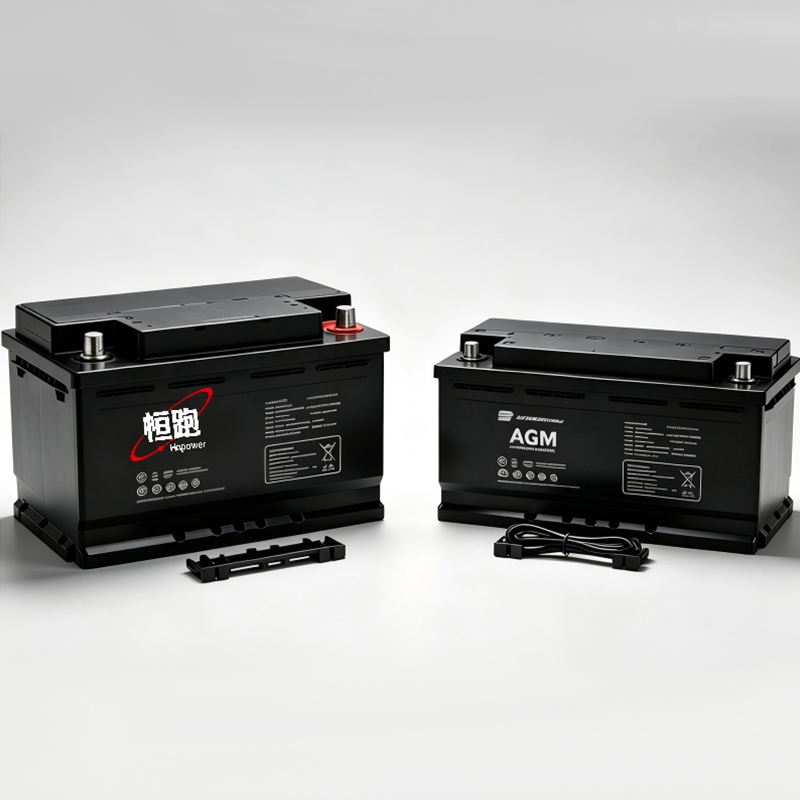
- Optical indicators (eye):Often installed on maintenance-free car and traction batteries. They use light refraction through a prism, the color of which changes depending on the density of the electrolyte (green - normal, black - low charge/level, transparent - critical drop in level).
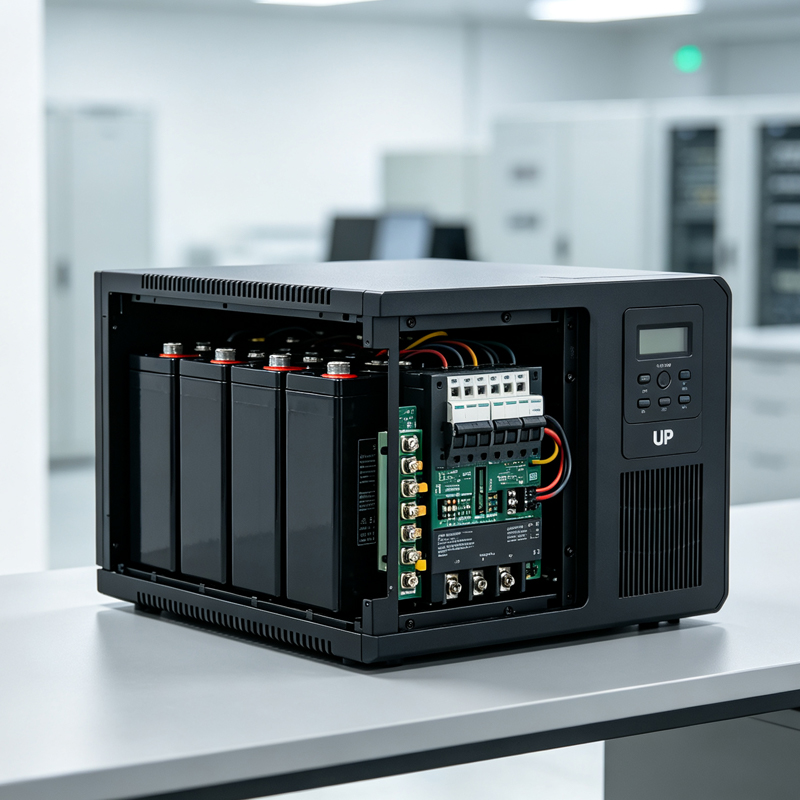
- Electronic level sensors:Used in complex battery management systems (BMS) for telecommunications UPS and backup systems. They transmit a digital signal about the state of each cell, allowing the data to be integrated into a unified facility monitoring system.
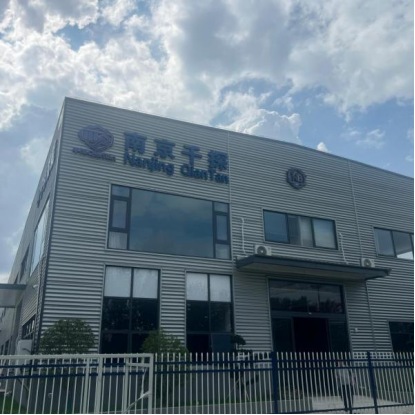
For battery manufacturers such as Nanjing Qiantan Energy Storage Technology Co., Ltd., implementing quality indicators is part of a strategy to ensure product safety and durability. The company, with over 30 years of experience in the industry, integrates these components at the assembly stage, ensuring compliance with international standards.
Technical parameters and classification of indicators
When choosing an electrolyte level indicator, engineers must consider not only its cost, but also compatibility with a specific battery type. Incorrect selection of material or measuring range can lead to corrosion of the indicator itself or inaccurate readings.
Below is a table comparing the main types of indicators used in modern industry:
| Parameter | Mechanical float | Optical (visual) | Electronic sensor |
|---|---|---|---|
| Operating principle | Changing the float position | Refraction of light (optics) | Dielectric constant/conductivity measurement |
| Accuracy | High (±2 mm) | Average (threshold) | Very high (digital signal) |
| Housing material | Polypropylene, PVDF | Transparent plastic, glass | ABS, stainless steel |
| Chemical resistance | High (to H₂SO₄) | Medium (risk of cloudiness) | High (sealed sensors) |
| Integration into BMS | Requires additional contacts | Impossible | Native support |
| Cost (rel.) | Low | Low | High |
| Application | Stationary OPzV, CL 2V | Automotive 1S, traction EV | UPS, telecom, data center |
It is important to note that for the CL 2V series tubular monoblocks offered by Nanjing Qiantan Energy Storage Technology LLC, mechanical indicators with an external scale are most often used. This is due to the long service life of such batteries (up to 20 years) and the need for simple visual monitoring without complex electronics, which can fail before the battery itself.
Influence of design on price from the manufacturer
Pricing for an electrolyte level indicator depends on several technological factors. Understanding these aspects helps buyers justify their budget and avoid purchasing low-quality analogues.
- Manufacturing materials:Using standard polypropylene reduces cost, but high-temperature applications or aggressive environments require fluoroplastics (PVDF) or special alloys, which increases the price by 2-3 times.
- Casting and calibration accuracy:Cheap indicators often have scale errors due to plastic shrinkage during molding. Manufacturers with full quality control, such as Nanjing Qiantan LLC, calibrate each batch, which guarantees the accuracy of the readings, but requires additional production costs.
- Input unit tightness:The point where the indicator passes through the battery cover is a potential point of gas and electrolyte leakage. High-quality indicators are equipped with multi-stage seals and a gas recombination system, which is critical for maintenance-free batteries of the HFS and CT series.
- Certification and testing:Products intended for export to Russia, Europe or Asia must undergo tests for vibration resistance, thermal shock and chemical inertness. Including these tests in the cost makes the product more expensive, but reduces the risk of complaints.
Applications in various industries: an engineering perspective
The choice of indicator type is dictated by the operating conditions of the battery. Let's look at two typical industrial scenarios where electrolyte monitoring requirements differ significantly.
Scenario 1: Telecommunications base stations and data centers
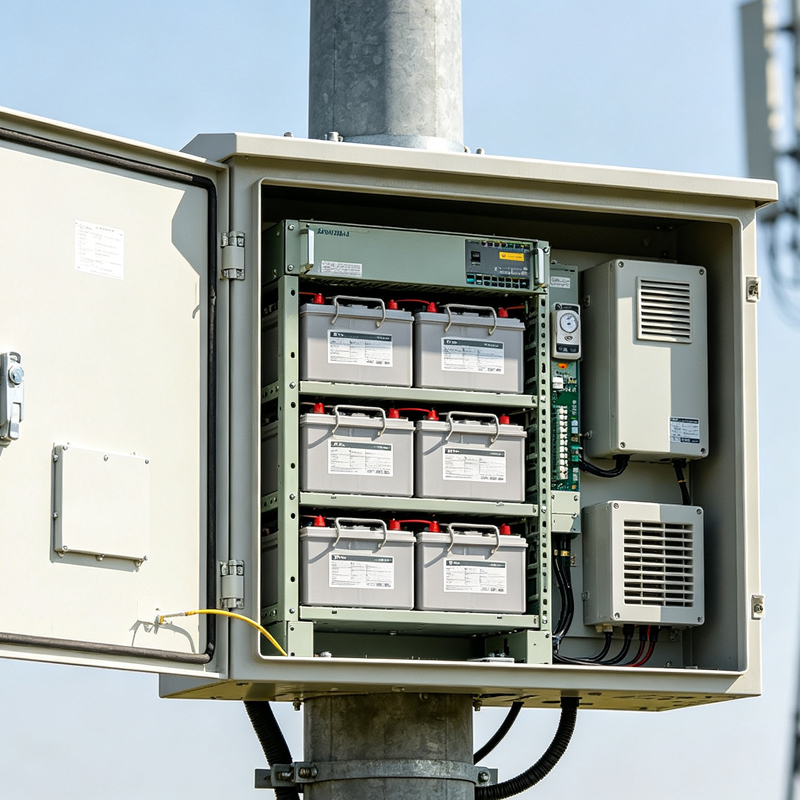
Conditions:Round-the-clock operation in buffer mode, high temperatures (up to +40°C and above in container solutions), remote location of objects.
Technical requirements:The need for remote monitoring. Visual inspection of thousands of batteries is not possible.
Solution:Use of CP series stationary batteries with electronic level and density sensors. This data is integrated into a monitoring system that alerts maintenance personnel to add distilled water or replace the cell before failure occurs.
Risk:Failure of the electronic indicator due to overheating. Therefore, it is important to choose components with an extended temperature range.
Scenario 2: Mining equipment and warehouse logistics
Conditions:High vibrations, shock loads, dust, frequent deep discharge cycles.
Technical requirements:Mechanical strength, resistance to contamination of optics, ease of inspection by the operator.
Solution:EV series traction batteries are equipped with reinforced mechanical indicators or simple inspection windows with shock protection. Optical “eyes” are ineffective here due to rapid contamination.
Engineering advice:In conditions of strong vibration, the threaded connection of the indicator with the cover must be additionally secured with a sealant that is resistant to acid vapors in order to prevent microcracks around the seat.
How to choose a supplier: quality assessment criteria
The market is filled with offers where the price of an electrolyte level indicator can differ by an order of magnitude. However, for an industrial customer, it is not so much the initial costs that are decisive, but rather the total cost of ownership (TCO). When choosing a partner, you should pay attention to the following aspects:
- Availability of own production:Trading companies cannot guarantee the consistency of the quality of plastic and seals. Nanjing Qiantan Energy Storage Technology LLC implements a full cycle: from casting parts to battery assembly, which ensures uniform characteristics.
- Standard Compliance:Check for ISO 9001 certifications as well as specific industry standards (eg IEC 60896 for stationary batteries). Indicators must withstand prolonged exposure to sulfuric acid without degradation.
- Technical support:Availability of drawings, material specifications and installation recommendations. The manufacturer must provide data on the compatibility of indicators with various types of separators and plates.
- Logistics and stock availability:For large projects, the supplier’s ability to provide a one-time shipment of components or finished batteries with indicators already installed is important.
The geographic presence of Nanjing Qiantan LLC covers China, Russia, Iran, Vietnam and other countries, which allows the company to adapt supply chains and offer competitive delivery conditions, minimizing delivery times and customs costs.
Frequently asked questions (FAQ)
Does the type of indicator affect battery life?
The indicator itself does not extend service life, but a high-quality electrolyte level indicator allows you to identify problems in a timely manner. Early detection of a drop in level prevents sulfation of the plates, which can increase battery life by 20-30%. A poor-quality indicator that allows electrolyte leakage, on the contrary, accelerates battery failure.
Is it possible to replace the optical indicator with a mechanical one?
In most cases, this is not possible without breaking the seal of the case and voiding the warranty. Optical indicators are usually fused into the cap during production. Replacement is possible only in specialized service centers using industrial equipment for welding plastic.
Why can the price of an electrolyte level indicator from the manufacturer be lower than the market price?
Direct deliveries from the manufacturer, such as Nanjing Qiantan Energy Storage Technology LLC, eliminate intermediary markups. In addition, large-scale production of components (plastic parts, seals) reduces unit costs. However, one should beware of dumping through the use of recycled materials that do not have the necessary acid resistance.
How often should the indicator be checked?
For stationary batteries with mechanical indicators, monthly visual inspection is recommended. For traction batteries in intensive operation - weekly. Electronic monitoring systems provide real-time monitoring, requiring intervention only when an alarm occurs.
Which materials are most resistant to electrolyte?
The greatest resistance to sulfuric acid is demonstrated by polyvinylidene fluoride (PVDF), high-density polyethylene (HDPE) and special polypropylene. Glass is used in optical components, but requires care due to its fragility. Avoid indicators made from untested polymer blends, which may swell or crack over time.
Conclusion and recommendations on procurement
The electrolyte level indicator is a small but strategically important component of the battery system. Its correct selection and quality of execution determine the possibility of preventive maintenance and operational safety. In 2026, the trend is shifting towards the integration of simple mechanical solutions into smart monitoring systems, which requires flexibility and high competence from manufacturers.
When creating a budget for purchasing battery solutions or components, do not consider the indicator as an isolated part. Evaluate it in the context of overall battery reliability. Cooperation with a full-cycle manufacturer such asNanjing Qiantan Energy Storage Technology LLC, allows you to get not just a product, but a comprehensive solution, including engineering support, adaptation to local climatic conditions and guaranteed quality of all elements, from the grille to the indicator.
Recommendation for purchasers:Ask the supplier not only for the price, but also for a passport of the materials used to manufacture the indicator, as well as the results of tests for the tightness of the input unit. This simple action will weed out unscrupulous producers and ensure the long-term reliability of your energy system.