
Materials for lead-acid batteries: prices from the manufacturer
2026-09-14
- Lead Acid Battery Materials: Impact of Raw Materials on Cost and Performance
- Key components and their impact on battery price
- Comparative analysis of materials for different types of batteries
- Pricing Factors: Why Prices Vary
- Quality control and certification of materials
- How to choose a supplier of materials and batteries: practical recommendations
- Frequently asked questions (FAQ)
- Conclusion and recommendations on procurement
Lead Acid Battery Materials: Impact of Raw Materials on Cost and Performance
The quality and durability of a lead-acid battery are determined not only by the design of the case or assembly technology, but primarily by the chemical composition and physical properties of the materials used.Materials for lead-acid batteriesis a complex engineering system that includes lead alloys for the grids, the active mass of the plates, separators, electrolyte and housing components. Understanding the specifics of each component is critical for technicians, buyers and engineers making sourcing decisions for energy, transportation and industrial equipment.
In 2026, the raw materials market is undergoing a transformation: environmental standards are becoming stricter, and requirements for energy efficiency and the cyclic life of batteries are growing. Manufacturers are forced to balance between the cost of raw materials and the need to introduce alloying additives (calcium, tin, silver), which improve corrosion resistance and reduce self-discharge. Prices for materials for lead-acid batteries directly depend on the market value of lead, the complexity of purification of secondary raw materials and production technologies of composite separators.
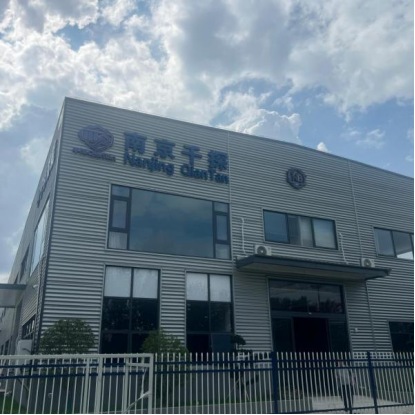
Nanjing Qiantan Energy Storage Technology LLC, with more than 30 years of experience in the industry, implements a full cycle approach: from quality control of incoming raw materials to the production of finished battery solutions of the EV, OPzV, HFS and CL series. This vertically integrated approach allows us to minimize supply risks and guarantee the stability of the chemical parameters of each batch of products, which is especially important for projects in Russia, Iran, Turkey and other countries with diverse climatic conditions.
Key components and their impact on battery price
The cost of the final product is determined by several factors related to materials. Below is a detailed analysis of the main components and their role in determining the price and performance characteristics.
1. Lead alloys and lattice structure
The basis of any lead-acid battery is a grid that serves as a current conductor and carrier of the active mass. Pure lead is too soft for mechanical stress, so alloys are used.
- Antimony alloys (Sb):Traditional solution for traction batteries (EV series). Antimony increases mechanical strength and deep discharge capacity, but increases gas formation and the need for maintenance (topping up water).
- Calcium alloys (Ca/Ca):Used in maintenance-free batteries (1S, CP series). Calcium significantly reduces the rate of electrolysis of water, allowing the housing to be sealed. However, such gratings are more sensitive to deep discharges.
- Alloying with tin and silver:To increase the corrosion resistance of the positive grid in stationary batteries (OPzV, CL 2V), tin and microdoses of silver are added. This significantly increases the cost of the material, but extends the battery life to 15–20 years in buffer charge mode.
Engineering Observation: When choosing a grating material for cyclic applications (e.g., warehouse equipment), the priority should not be initial capacity, but the alloy's resistance to corrosion and grating growth. The use of cheap alloys without sufficient tin content leads to premature destruction of the down conductor after 2–3 years of intensive use.
2. Active mass and additives
The active mass is applied to the gratings and undergoes chemical transformations during charge/discharge. To improve the structure, expanders and conductive additives are used.
- Barium sulfate and lignosulfonates:Prevents negative plate compaction and sulfation.
- Carbon additives (graphene, carbon nanotubes):The introduction of carbon materials (lead-carbon battery technology) improves charge acceptance and recoverability after deep discharge. This is an advanced direction, actively developed by specialists from Nanjing Qiantan LLC.
3. Separators: short circuit barrier
The separator separates the positive and negative plates, allowing electrolyte ions to pass through. The internal resistance and the risk of internal short circuit depend on its quality.
- Microporous polyethylene (PE) separators:Standard for most industrial batteries. Provide low resistance and good oxidation resistance.
- AGM fiberglass:Used in sealed valve regulated accumulators (VRLA). Fiberglass keeps the electrolyte bound, which allows the battery to operate in any position and increases vibration resistance.
- Tubular separators (for OPzV/CL):Special microporous sleeves placed over positive tubular plates. They prevent the active mass from shedding, which is a key factor in the longevity of stationary batteries.
4. Electrolyte and gas recombination system
Classic batteries use a liquid sulfuric acid solution. In modern VRLA batteries (Gel and AGM), the electrolyte is modified:
- Gel:The electrolyte is thickened with silicon dioxide (silica gel). This eliminates acid stratification (stratification) and makes the battery resistant to temperature changes. Gel batteries OPzV and CG from Nanjing Qiantan LLC are ideal for the hot climate of the Middle East and Asia.
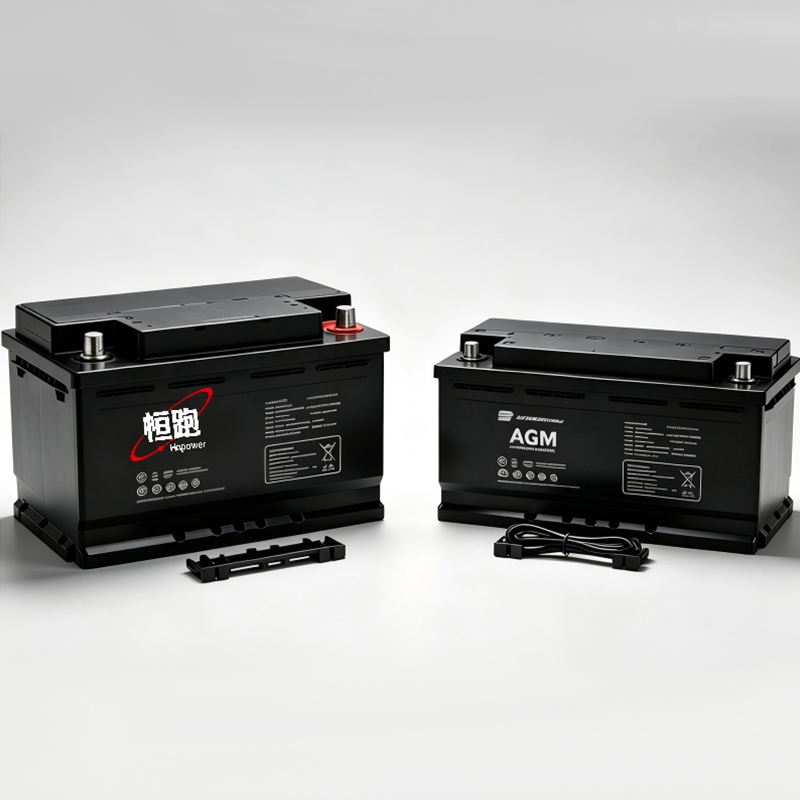
- AGM (Absorbent Glass Mat):The electrolyte is absorbed into fiberglass mats. Provides high starting currents and fast charging.
Comparative analysis of materials for different types of batteries
The choice of materials is dictated by operating conditions. Below is a table illustrating the differences in material base for the main types of lead-acid batteries offered on the market.
| Parameter / Battery type | Traction (EV) | Stationary (OPzV, CL 2V) | Sealed AGM/Gel (HFS, CT, CP) |
|---|---|---|---|
| Grating material | Lead-antimony (Pb-Sb) with high antimony content for strength | Lead-tin-silver (Pb-Sn-Ag) for maximum corrosion resistance | Lead-calcium (Pb-Ca) with added tin to reduce outgassing |
| Plate design | Panzer (tubular) or thick flat | Tubular positive, flat negative | Thin flat plates with a large area |
| Separator | Microporous PE, resistant to active mass pressure | Special microfiber tubular sleeves | AGM mats or gel electrolyte (SiO2) |
| Main Application | Electric forklifts, stackers, electric vehicles | Telecommunications, data centers, energy (UPS) | UPS, solar energy, starter systems |
| Cyclic resource | High (up to 1500 cycles at 80% DOD) | Medium (buffer mode orientation, 20+ years) | Low/Medium (depending on depth of discharge) |
| Impact on price | High lead mass, simple alloy technology | High cost of alloying and complex separators | Optimal price/performance ratio |
Pricing Factors: Why Prices Vary
The query “materials for lead-acid batteries prices” is often driven by the desire to understand the cost structure. The price is not a static value and depends on the following factors:
- Lead market quotation (LME):Lead makes up up to 70% of a battery's weight. Any fluctuations on the London Metal Exchange are instantly reflected in the cost of raw materials. Manufacturers such as Nanjing Qiantan LLC, which operates its own recycling lines, can partially hedge these risks through closed loop recycling of recycled lead.
- Purity of secondary raw materials:The use of scrap requires complex cleaning from impurities (copper, iron, antimony). Insufficient cleaning leads to increased self-discharge. High-quality refined lead is more expensive, but guarantees stable parameters.
- Alloying technology:The addition of tin and silver increases the cost of the alloy significantly compared to pure lead or antimony alloys. However, for tasks where reliability is important (for example, backup power for hospitals or data centers), saving on alloying elements is unacceptable.
- Logistics and packaging:Heavy cargo requires specific logistics. For export deliveries to Russia, Turkey or Pakistan, Incoterms conditions and the presence of certified packaging that prevents damage to housings and terminals are important.
- Incoming control of raw materials:Spectral analysis of lead alloys for impurity content. Each batch of lead is tested for compliance with its chemical composition.
- Active mass control:Monitoring of application density and moisture content of the paste before forming the plates.
- Output tests:Each finished battery is tested for internal resistance, open circuit voltage and valve tightness (for VRLA).
- Transparency of the origin of raw materials:Request quality certificates for lead alloys. Check to see if the manufacturer uses primary or secondary lead and the degree of purification.
- Technical support and adaptation:The supplier must understand the specifics of your region. For example, frost resistance and resistance to voltage surges are important for Russia, while protection from high humidity and temperatures is important for Vietnam and Bangladesh. Nanjing Qiantan LLC provides on-site engineering support and adapts solutions to local conditions.
- Availability of a full cycle:Companies that control the entire process from grate casting to assembly and disposal are better able to guarantee consistency of quality than assembly shops that buy components from outside.
- Warranty conditions and service:Please note the availability of spare parts warehouses and the ability to promptly replace defective units. Long-term partnership, as experience with the Tianneng and Chaowei companies shows, is more profitable than one-time purchases at a minimal price.
The engineering approach requires adapting the composition of materials to specific conditions.
Scenario 1: Warehouse logistics and intensive cycles
Conditions:Daily deep discharges (up to 80%), vibrations, possible shocks, work in enclosed spaces.
Solution:EV series traction batteries. Here, the mechanical strength of the gratings (Pb-Sb alloy) and the use of panzer (tubular) positive plates, which retain the active mass even with intense gas evolution, are critically important. Separators must have high porosity to quickly restore acid concentration.
Risk:Using regular starter batteries in this mode will cause the plates to shed within a few months.
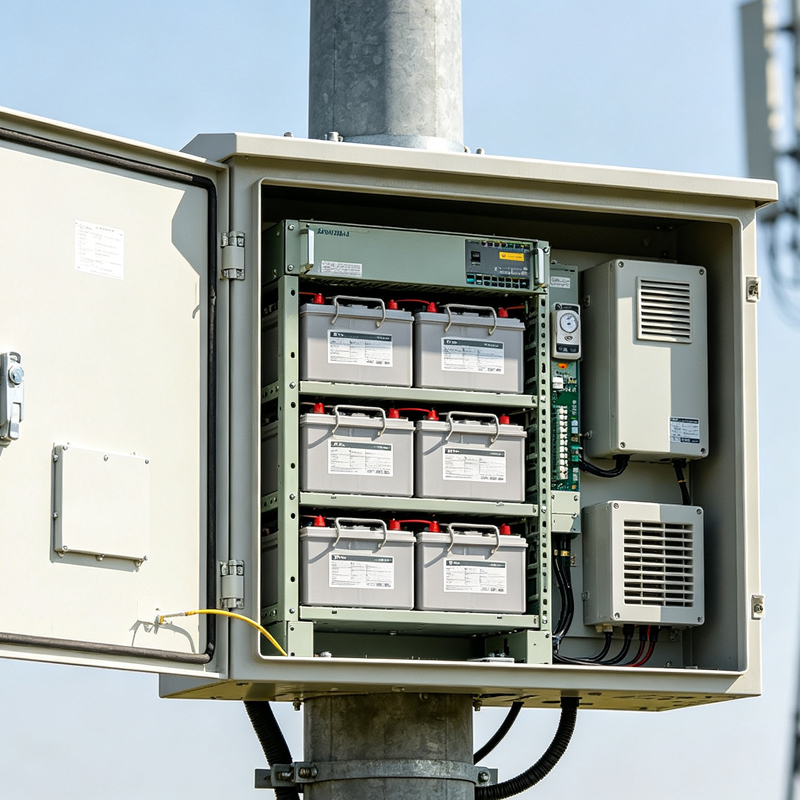
Scenario 2: Telecommunications towers and remote sites
Conditions:High ambient temperatures (up to +40…+50°C), lack of regular maintenance, need to operate in buffer mode 24/7.
Solution:OPzV gel batteries or high temperature batteries. The gel electrolyte is not subject to evaporation and stratification, which is critical at high temperatures. Housings must be made of heat-resistant ABS plastic. Nanjing Qiantan LLC offers solutions adapted for the hot climate of the Middle East and Southeast Asia, where such conditions are the norm.
Engineering advice:For every 10°C increase in temperature above 25°C, the service life of a standard battery is halved. The choice of materials with increased thermal stability (special additives in the separator and gel) makes it possible to neutralize this effect.
Scenario 3: Uninterruptible power supply systems (UPS) for data centers
Conditions:Requires high power in a short time, compactness, and no gas emissions in the room.
Solution:Batteries with front terminals of the HFS and CT series. The use of calcium alloys and AGM technology ensures high energy density and safety. Front terminals simplify rack mounting and reduce connection resistance.
Quality control and certification of materials
For industrial customers, the deciding factor is not only price, but also predictable quality. Nanjing Qiantan Energy Storage Technology LLC has implemented a multi-level control system:
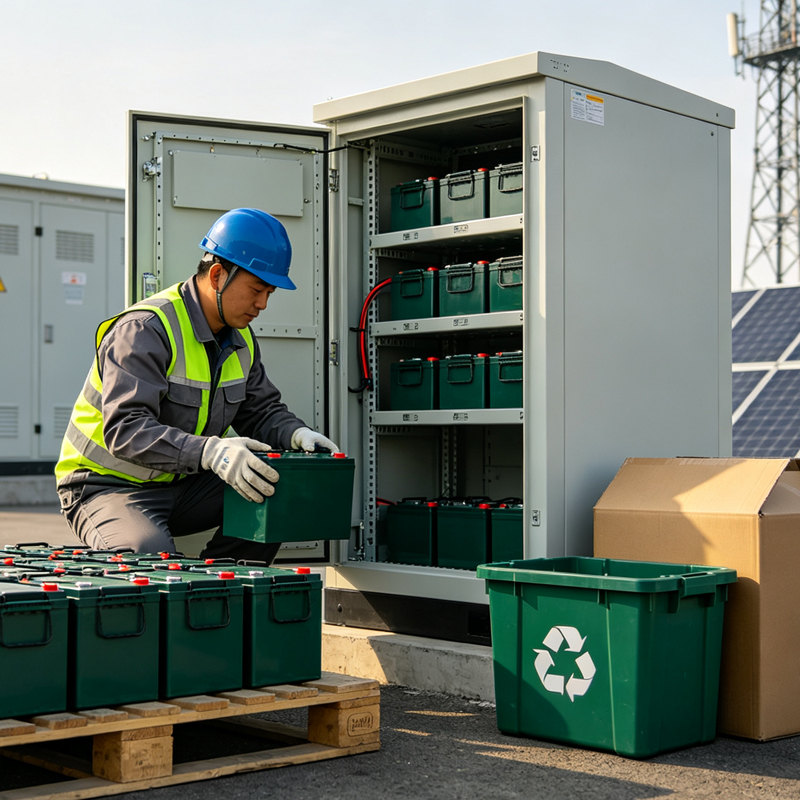
The company's products comply with international safety and environmental standards. Having its own environmentally friendly processing workshop allows the company to comply with the principles of sustainable development and offer customers solutions that meet modern environmental standards of importing countries.
How to choose a supplier of materials and batteries: practical recommendations
When purchasing lead-acid batteries or components for their production, technical directors and buyers should pay attention to the following aspects:
Frequently asked questions (FAQ)
What materials have the greatest impact on the life of a lead-acid battery?
The greatest influence is exerted by the composition of the lead alloy of the gratings (the presence of tin and antimony) and the quality of the separators. Corrosion of the positive grid and shedding of the active mass are the two main causes of failure. The use of tubular plates and gel electrolyte significantly slows down these processes.
Why are gel batteries more expensive than regular AGM batteries?
Gel batteries (GEL) require a more complex electrolyte preparation process using high-quality silicon dioxide. Additionally, they typically use tubular plates (as in the OPzV series), which are more expensive to produce than flat AGM plates. However, they last longer in cycling and at high temperatures.
Can car batteries be used in solar energy systems?
Highly not recommended. Car batteries (starter) are designed to deliver high current for a short time and then quickly charge from the generator. In solar systems, deep discharges occur daily, which quickly leads to sulfation and destruction of the thin plates of the starter batteries. For these purposes, special traction or stationary batteries should be used (EV, CP, OPzV series).
How does temperature affect battery materials?
High temperature accelerates chemical reactions, including grate corrosion and water decomposition. Low temperature increases the viscosity of the electrolyte and reduces the available capacity. Materials must be selected taking into account the operating range: for hot climates, gel technologies and alloys with increased corrosion resistance are preferred.
Does Nanjing Qiantan LLC offer customized material solutions?
Yes, the company has the competence to adapt technological solutions to specific customer requirements. This may involve changing the plate configuration, terminal type, or electrolyte composition for extreme operating conditions. The company’s specialists are ready to conduct a technical audit and offer the optimal configurationbattery solutionsfor your project.
Conclusion and recommendations on procurement
Selecting the right materials for lead-acid batteries is an investment in the reliability of the entire energy system. Skimping on lead alloy quality or separators inevitably results in higher total cost of ownership (TCO) due to frequent battery replacements and equipment downtime.
For industrial companies seeking long-term efficiency, it is recommended to partner with manufacturers with a full technological cycle and deep engineering expertise. Nanjing Qiantan Energy Storage Technology LLC demonstrates this approach by combining 30 years of industry experts, state-of-the-art production facilities and global experience in implementing projects in Russia, Asia and the Middle East.
When planning purchases, pay attention not only to the starting price, but also to technical parameters, compliance with operating conditions and the availability of service support. To receive detailed specifications, advice on the selection of materials or request a commercial offer forproducts and technological solutionscontact the company's technical specialists.