
Equipment for lead-acid batteries from the manufacturer
2026-09-12
- Equipment for lead-acid batteries: selection criteria and technological features of production
- Key production steps and related equipment
- Technical parameters and equipment specifications
- Technology Comparison: Traditional Casting vs. Continuous Casting
- Real industrial application scenarios
- Environmental aspects and recycling
- How to choose an equipment supplier: practical recommendations
- Frequently asked questions (FAQ)
- Conclusion and next steps
Equipment for lead-acid batteries: selection criteria and technological features of production
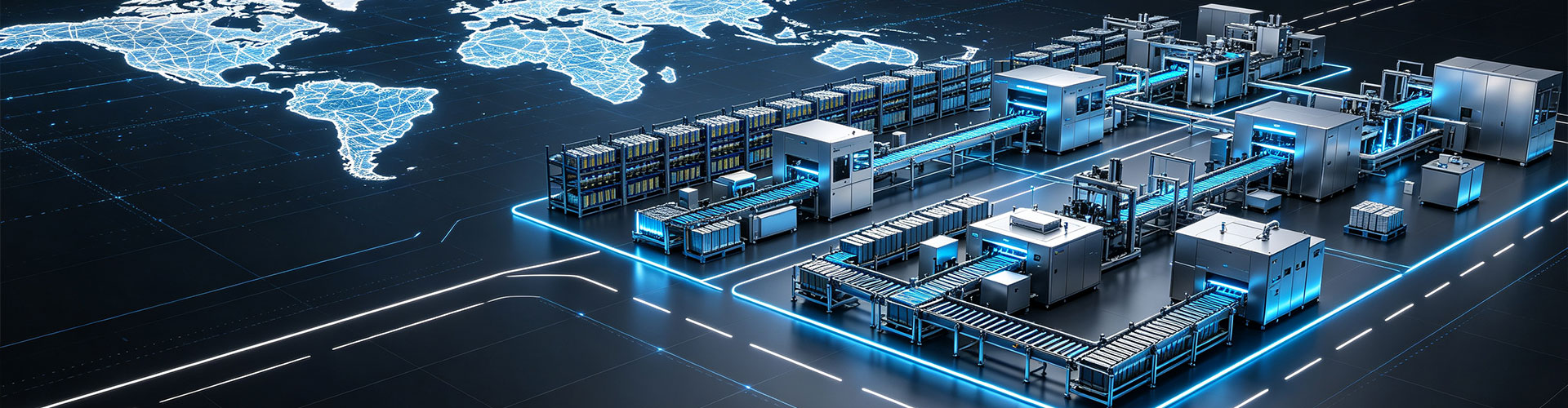
The choice of production line for lead-acid batteries determines not only the initial capital costs, but also the long-term profitability of the entire enterprise.Lead Acid Battery Equipmentis a complex set of machines and automated systems that provide a full cycle of transformation of raw materials - from lead smelting and grating casting to block assembly, charge formation and final testing. In 2026, the requirements for such equipment have shifted towards a high degree of automation, energy efficiency and environmental safety.
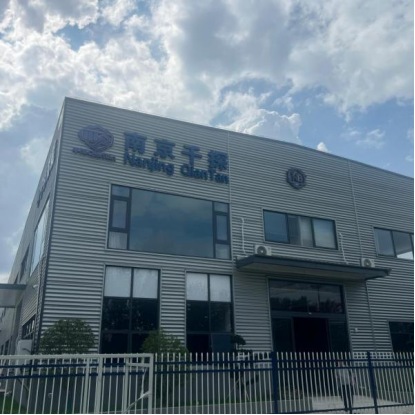
Modern manufacturing plants, such as Nanjing Qiantan Energy Storage Technology Co., Ltd., demonstrate that the success of a project depends on the integration of all stages of production into a single controlled system. The company, which has more than 30 years of experience in the industry and has implemented projects in Russia, Iran, Turkey and other countries, positions itself as a full-cycle operator. This means that the supply of equipment is inextricably linked with technological audit, workshop design and subsequent service support. It is important for engineers and technical managers to understand that each piece of equipment in a line must be time-coordinated to avoid bottlenecks that reduce overall plant productivity.
Key production steps and related equipment
The manufacturing process of lead-acid batteries is divided into several critical stages. Each of them requires specialized equipment, the characteristics of which directly affect the quality of the final product.
1. Preparation of lead alloy and casting of gratings
The process begins with preparing the lead alloy. The quality of the grid determines the battery life and its ability to withstand cyclic loads. Lead smelting furnaces with automatic temperature and alloy composition control systems are used. For casting gratings, high-pressure machines or continuous casting machines are used (for example, Expanded Metal Grid technology).
- Lattice casting machines:Ensures the accuracy of cell geometry and the absence of casting defects (sinks, cracks). Modern models allow you to quickly change matrices to switch between different types of batteries (starter, traction, stationary).
- Cooling systems:Critical to prevent hot grates from deforming immediately after leaving the mold.
Engineering experience shows that instability of the alloy temperature even by 5-10°C can lead to a change in the crystalline structure of lead, which reduces the corrosion resistance of the lattice during operation.
2. Preparation of the active mass and spreading of the plates
The active mass is prepared from lead powder, lead oxide, sulfuric acid, water and special additives (expanders). The process requires strict control of the density and viscosity of the paste.
- Active mass mixers:Vacuum mixers ensure the homogeneity of the mixture and remove air bubbles that can cause the active mass to peel off in the future.
- Plate coating machines:The paste is applied to the gratings with a given thickness and density. Dosing accuracy affects battery capacity. Excess paste leads to shedding, too little leads to reduced capacity.
- Drying chambers:Multi-zone dryers with humidity and temperature control allow you to control the process of hydration of lead oxide, forming a strong structure of the active mass.
3. Assembling battery packs
The assembly stage includes installation of separators, laying of plate packs into monoblocks and welding of inter-element connections. Speed and reliability of connections are important here.
- Separator and converter installers:Automate the process of insulating positive and negative plates.
- Machines for welding inter-element joints:They use Through-the-Partition welding technology or bar welding. The quality of the weld determines the internal resistance of the battery.
- Laser or ultrasonic welding of covers:Ensures the housing is sealed, which is especially important for maintenance-free AGM and GEL batteries.
4. Formation and quality control
After assembly, the batteries are filled with electrolyte and undergo the formation process (first charge). This is the most energy-intensive stage, taking from 24 to 72 hours.
- Acid filling machines:The electrolyte is dosed with high precision, often under vacuum for better impregnation of the separators (in AGM batteries).
- Forming stands:Modern energy recovery systems can return up to 70% of electricity back to the grid, significantly reducing plant operating costs.
- Test equipment:Includes voltage, internal resistance and leak testing. Nanjing Qiantan Energy Storage Technology Co., Ltd. pays special attention to output inspection, using automated testing lines for each unit produced.
Technical parameters and equipment specifications
When purchasing a production line, it is necessary to take into account technical parameters that must correspond to the planned product range. Below are indicative parameters for a standard line with a capacity of 100,000 Ah per month.
| Equipment type | Key parameters | Impact on the product |
|---|---|---|
| Lattice casting machine | Casting pressure: 10-20 MPa; Cycle speed: 10-15 sec. | Lattice density, absence of defects, lattice weight. |
| Active mass mixer | Tank volume: 500-2000 l; Temperature control: ±1°C. | Paste uniformity, adhesion to the grid, service life. |
| Spreading machine | Layer thickness accuracy: ±0.1 mm; Belt speed: up to 20 m/min. | Battery capacity, charge/discharge uniformity. |
| Welding machine (inter-element) | Welding current: adjustable; Seam strength control. | Internal resistance, reliability against vibrations. |
| Forming stand | Channels: 100-500 pcs.; Energy recovery: yes/no. | Stability of characteristics, energy consumption of production. |
Specific parameters depend on the type of batteries produced. For example, the EV series traction batteries offered by Nanjing Qiantan LLC require thicker plates and reinforced grids, which necessitates setting up equipment for higher casting pressures and longer lubrication times. For high temperature battery or front terminal solutions (HFS and CT series), precision lead welding and terminal sealing are critical.
Technology Comparison: Traditional Casting vs. Continuous Casting
The choice of technology for manufacturing gratings is one of the strategic decisions when building a plant. Let's look at a comparison of the two main approaches.
| Criterion | Traditional casting (Gravity/Pressure Casting) | Continuous Grid Casting / EMG |
|---|---|---|
| Productivity | Below, limited by the form opening/closing cycle. | Above, continuous process, ideal for mass market. |
| Structure quality | Coarse crystalline structure, higher risk of corrosion. | Fine-crystalline structure, higher corrosion resistance. |
| Flexibility | High, fast change of dies for different models. | Low, line reconfiguration takes a long time. |
| Equipment cost | Lower, easier to maintain. | Above, requires qualified personnel. |
| Application | Stationary batteries (CP), OPzV, special series. | Starter batteries (1S), mass traction batteries. |
For manufacturers focused on niche products such as OPzV gel batteries or CL 2V series tubular monoblocs, traditional casting is often preferred due to the ability to produce heavy, reinforced arrays with complex geometries. At the same time, to produce maintenance-free 1S series automotive batteries in large volumes, continuous casting provides better economies of scale.
Real industrial application scenarios
Understanding how equipment works in real-world conditions helps you avoid mistakes when designing a production line.
Scenario 1: Production of traction batteries for warehouse equipment (EV series)
Conditions:High discharge currents, deep discharge cycles (up to 80% DOD), vibration loads.
Technical requirements:Reinforced positive electrode grids, high density of active mass, reliable fixation of plate packages.
Solution:Using high pressure injection molding machines to create gratings with thick ribs. The spreading machine is adjusted for increased paste density. The assembly line is equipped with a system for pressing the bags before installing them in a monoblock to ensure tight contact.
Risk:Shedding of the active mass due to improper drying conditions.
Engineering advice:The introduction of a multi-stage drying mode with controlled humidification allows the formation of a durable mesh of 4BS (tetrabasic lead sulfate), which significantly increases the cyclic life of EV series batteries.
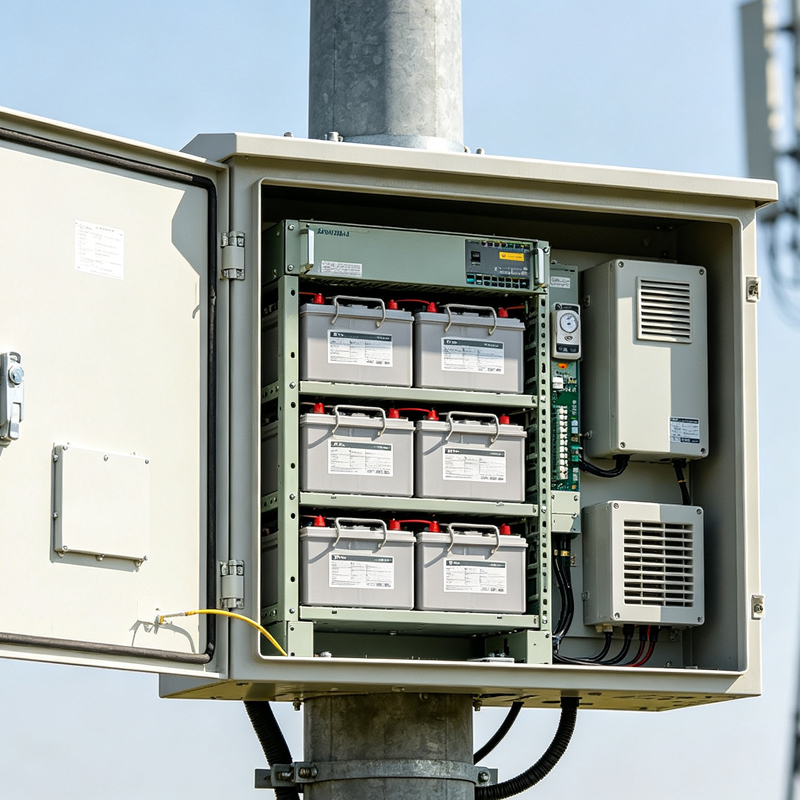
Scenario 2: Production of stationary batteries for telecommunications and data centers (CP and OPzV Series)
Conditions:Floating charge mode, long service life (10-15 years), operation in a wide temperature range.
Technical requirements:Lead alloy purity (low impurity content), valve tightness, voltage stability.
Solution:Use of furnaces with double lead refining. The use of automatic lines for laser welding of covers to eliminate microcracks. Strict control of the tightening torque of VRLA valves.
Risk:Thermal runaway during overcharging due to a separator defect.
Engineering advice:For OPzV and CG batteries, it is critical to use high quality microporous separators and control the tape tension when winding the cells. Nanjing Qiantan LLC uses optical control systems for separators on the assembly line, which minimizes the risk of short circuits.
Environmental aspects and recycling
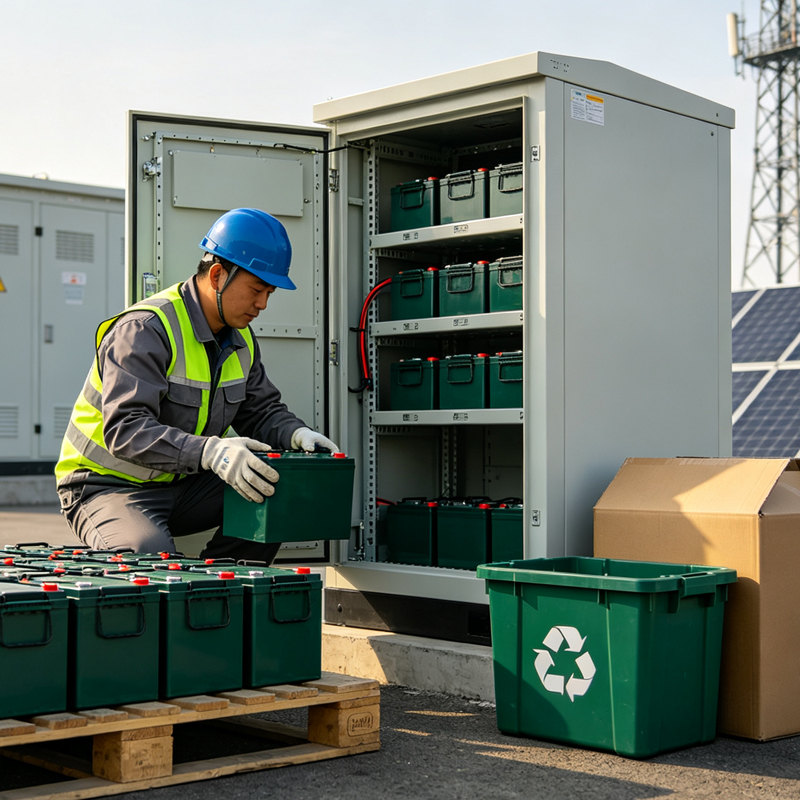
Modern production of lead-acid batteries is impossible without a closed recycling cycle. Nanjing Qiantan Energy Storage Technologies LLC integrates specialized workshops for environmentally friendly recycling of used batteries into its projects. This not only complies with the principles of sustainable development, but also reduces the cost of raw materials.
Recycling equipment includes crushers, hydroseparation systems to separate plastic, lead and electrolyte, and furnaces for smelting scrap lead. An important element is gas cleaning systems that capture lead dust and acid mists. Investment in such systems pays off through reduced fines and the ability to use recycled lead in the production of grids for certain types of batteries.
How to choose an equipment supplier: practical recommendations
Purchasing a production line is an investment that lasts for decades. When choosing a supplier, you should be guided by the following criteria:
- Experience in implementing turnkey projects:The supplier must have competence not only in the sale of machines, but also in the design of factory premises, installation and commissioning. A company with global experience, such as presence in Russia, Vietnam and Turkey, has a better understanding of local regulatory requirements.
- Technological support:Availability of an engineering team capable of adapting active mass formulations to local raw materials and climatic conditions. Service support should include the supply of spare parts and personnel training.
- Production line flexibility:The equipment should allow the production of different types of batteries (for example, switching from starter to traction) with minimal time spent on reconfiguration.
- Energy efficiency:Please note the presence of energy recovery systems at the forming stands. In conditions of high electricity tariffs, this can reduce operating costs by 30-40%.
- Component quality:Check the brands of PLC controllers, pneumatics and sensors used. The use of known components simplifies further maintenance and search for spare parts.
Avoid suppliers who only offer individual machines without integration into an overall Manufacturing Execution System (MES). Disparate equipment is difficult to synchronize, which leads to wasted time and waste.
Frequently asked questions (FAQ)
What is the approximate cost of a complete lead-acid battery production line?
Cost varies depending on capacity, degree of automation and type of product produced. A small scale line for niche products can cost from a few hundred thousand dollars, while highly automated plants with a capacity of millions of Ah per year require an investment of tens of millions. An accurate estimate is formed after a technical audit and determination of the nomenclature.
Is it possible to produce both AGM and GEL batteries on the same equipment?
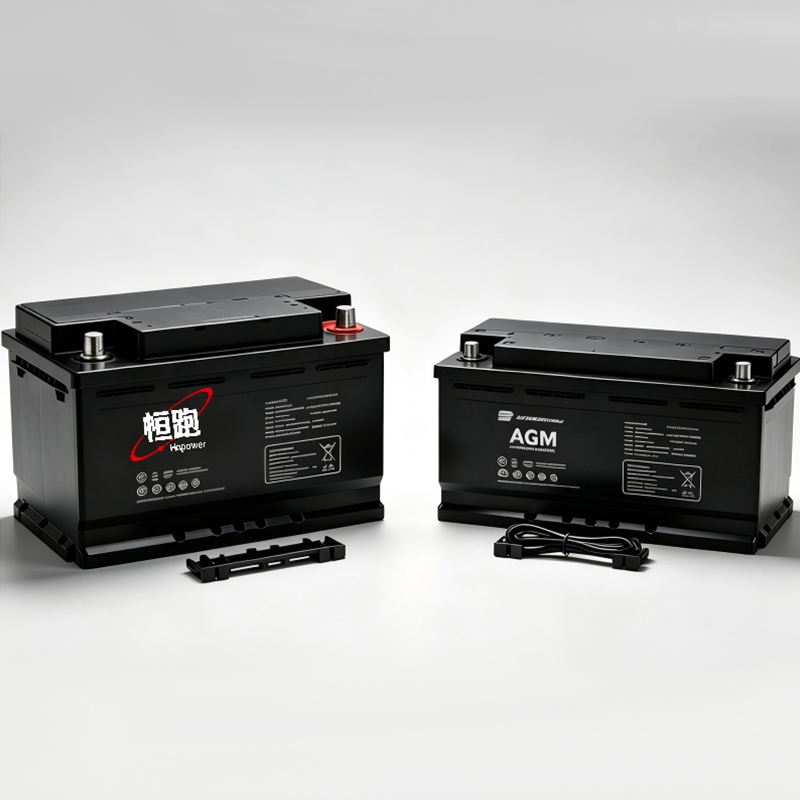
Yes, the basic equipment (casting, coating, assembly) is universal. The differences lie in the formulation of the active mass, the type of separator and the acid filling process. GEL batteries require equipment to dispense the gelling agent or mix the silica gel with the electrolyte. Nanjing Qiantan LLC provides technological regulations for both types of batteries.
What equipment is most critical to the quality of starter batteries (1S series)?
For starter batteries, a grid casting machine (provides starting current) and an automatic assembly machine (welding speed and reliability) are critical. Control of the weight of the electrolyte being poured and the quality of formation are also important, since these batteries operate in high current and partial discharge modes.
Is special permission required to install equipment?
Yes, the production of lead-acid batteries is an environmentally hazardous activity. A design of a sanitary protection zone, ventilation and emissions treatment system is required. The equipment supplier must provide emissions data and help develop engineering solutions to neutralize them.
What is the payback period for a production line?
The payback period depends on market conditions, the cost of raw materials (lead) and sales efficiency. On average, with proper management and the presence of a sales network, the payback period ranges from 3 to 5 years. Using energy efficient equipment and recycled lead speeds up this process.
Conclusion and next steps
Investments inlead acid battery equipmentrequire a deep understanding of technological processes and market requirements. The success of the plant depends not only on the hardware, but also on technological expertise, the quality of raw materials and the control system. Nanjing Qiantan Energy Storage Technology LLC offers a comprehensive approach that combines advanced equipment, many years of engineering experience and support at all stages - from design to production launch.
If you are planning to modernize an existing plant or launch a new production facility, it is important to start with a detailed technical audit and develop a concept that takes into account your target markets and product line. Our specialists are ready to consult and offer a solution tailored to your needs.
For detailed technical documentation, production line diagrams and project consultation, please contact our engineers. Find out more about ourcomplete solutions for battery productionand start your project with a reliable partner.