

Surface drying machine: price from the manufacturer
2026-09-11
- Surface drying machine: price from the manufacturer and cost formation factors
- Operating principle and classification of drying machines
- Key technical parameters when choosing equipment
- Specifics of drying in the production of battery systems
- Factors affecting the price of surface drying machine
- Drying Technologies Comparison: Convection vs. IR
- Common mistakes during procurement and operation
- How to choose a reliable manufacturer and supplier
- Frequently asked questions (FAQ)
- Conclusion and recommendations for implementation
Surface drying machine: price from the manufacturer and cost formation factors
The selection of equipment for removing moisture from metal, polymer or composite surfaces is a critical step in the production chain of many industrial plants.Surface Drying Machine(or drying tunnel/chamber) doesn't just evaporate water; it ensures that the material is adhesively ready before coating, assembly or packaging. In 2026, the industrial equipment market has shifted from universal solutions to specialized systems that take into account energy efficiency and precise temperature control.
The cost of such equipment varies widely and depends not only on the dimensions, but also on the type of heating element, air recirculation system and level of automation. Buying directly from the manufacturer eliminates middleman markups, but requires a thorough understanding of the technical specifications. An incorrect choice of power or flow aerodynamics can lead to over-drying of fragile parts or, conversely, to residual moisture, causing corrosion and defective paintwork.
In this article, we will analyze the engineering aspects of choosing drying equipment, analyze the pricing structure and consider how to integrate such solutions into modern production lines, including the specifics of preparing components for battery assemblies and metal containers.
Operating principle and classification of drying machines
The fundamental task of any dryer is to transfer thermal energy to the surface of the product and remove moisture-laden air. The efficiency of this process is determined by the heat transfer coefficient and air exchange rate. In the industrial segment, there are several main types of equipment, each of which solves specific technological problems.
Convective tunnel dryers
The most common type for conveyor production. The air is heated by electric heating elements, gas burners or steam heat exchangers and supplied by fans through nozzles to the surface of the moving product. The key parameter here is the uniformity of air flow distribution. If the air velocity in the center of the tunnel differs from the edges by more than 15%, it will cause uneven drying and staining of painted parts.
Infrared (IR) drying chambers
IR dryers transmit energy through electromagnetic radiation, heating the material itself rather than the air around it. This ensures a quick start of the process and high energy efficiency for thin-walled products. However, for complex geometries with deep cavities, IR radiation may be ineffective due to shadowing effects. Often IR heating is combined with convective drying to achieve optimal results.
Heat recovery dryers
In the context of rising energy tariffs in 2025-2026, systems with a closed cycle and recuperators are becoming increasingly popular. They allow up to 60-70% of thermal energy to be returned back into the process, significantly reducing operating costs (OPEX), although they increase initial capital costs (CAPEX).
Key technical parameters when choosing equipment
When forming technical specifications for the manufacturer, it is necessary to clearly define operating parameters. An error in calculations at the design stage often results in the machine not being able to cope with peak loads or consuming excessive amounts of energy.
| Parameter | Description and impact on the process | Recommendations for selection |
|---|---|---|
| Productivity (m/h or pcs/h) | Determines the speed of the conveyor and the residence time of the product in the drying zone. | Allow a margin of 15-20% to the maximum planned line productivity. |
| Temperature range (°C) | Maximum operating temperature of heating elements. | For plastic parts - up to 80°C; for metal before painting - 120-160°C; for powder polymerization - up to 200°C. |
| Heating power (kW) | Total power of heating elements or burners. | Depends on the mass of the loaded material and the required heating rate. The calculation must take into account the heat capacity of the material. |
| Control type | Manual, PID controllers, SCADA integration. | For consistent quality, PID control with an accuracy of ±1°C is required. Integration with the overall plant management system is mandatory for Industry 4.0. |
| Housing material | Stainless steel, galvanized, sandwich panels. | The inner chamber must be made of stainless steel (AISI 304/316) to resist condensation and chemical fumes. |
It is important to note that heating power is not the only indicator of efficiency. The aerodynamics of the chamber, the location of the nozzles and the presence of exhaust zones play an equally important role. For example, when drying large containers such as battery cases or fuel tanks, it is necessary to provide local airflow zones to remove moisture from the internal cavities.
Specifics of drying in the production of battery systems
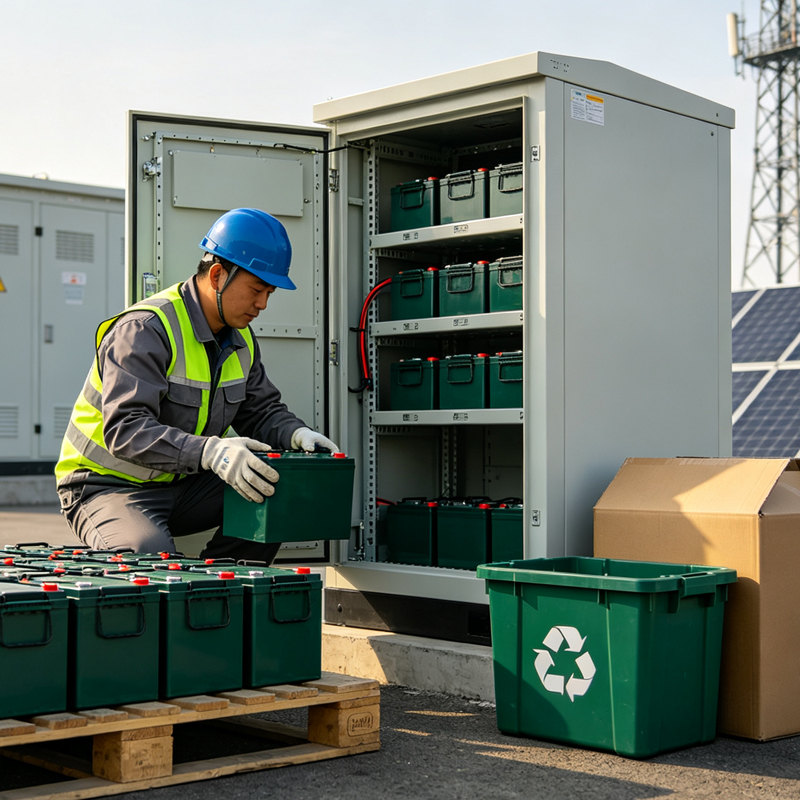
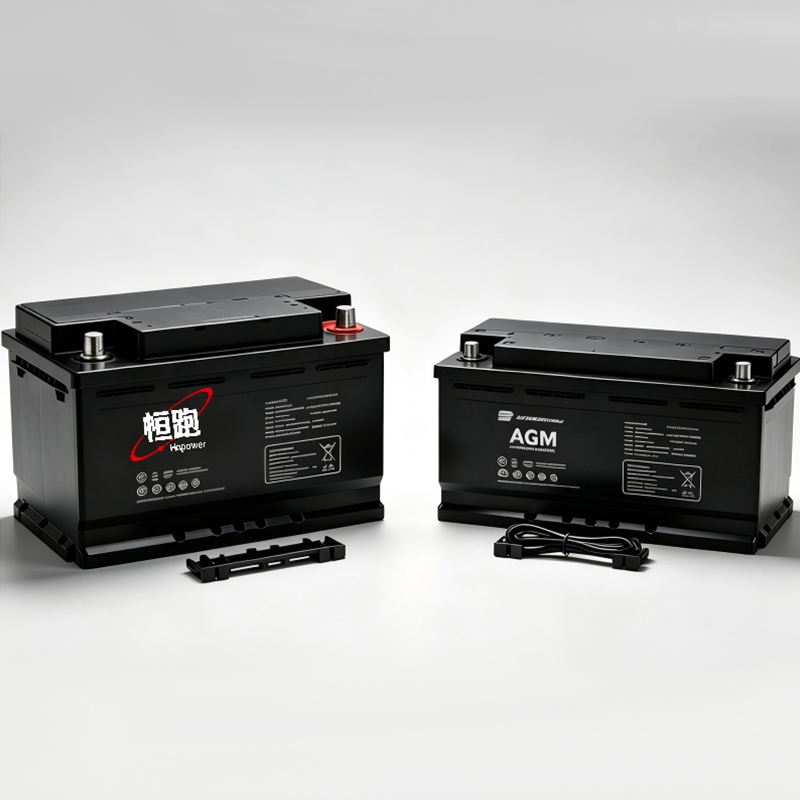
Particular attention to the quality of drying surfaces is required in high-tech industries such as the production of lead-acid and lithium-ion batteries. Moisture on the surface of the battery case or terminals can cause current leakage, corrosion of connections and reduced product life.
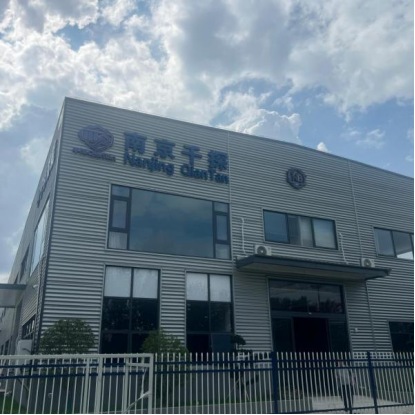
CompanyNanjing Qiantan Energy Storage Technology LLC, as a comprehensive solution provider for the battery industry, pays close attention to every stage of the production cycle. As part of turnkey battery plant projects, the company's engineers integrate specialized drying modules into assembly lines. These modules ensure surface preparation of EV, OPzV and CG series enclosures before final packaging and labeling.
With over 30 years of experience in the industry, the company's experts show that standard drying tunnels are often not suitable for delicate battery components. Precise temperature control is required to avoid thermal shock for plastic housings, and an effective system for removing possible electrolyte vapors is required if drying occurs after the testing or refilling phase. The use of tailored solutions allows us to minimize the percentage of defects and ensure product compliance with international safety standards.
Factors affecting the price of surface drying machine
The query “surface drying machine price” often results in values ranging from several thousand to hundreds of thousands of dollars. Understanding the cost structure helps you avoid overpaying for unnecessary features or purchasing low-quality equipment.
- Heat Source:Electric dryers are cheaper to manufacture and install, but more expensive to operate in regions with high electricity tariffs. Gas and diesel options require complex safety and ventilation systems, but can be more cost effective on larger volumes.
- Automation system:Basic models with a time relay are much cheaper. However, models with programmable logic controllers (PLC), touch panels and the ability to save drying recipes for different products are justifiably more expensive, since they reduce dependence on operator qualifications.
- Quality of components:The use of fans from well-known European brands, reliable frequency converters and high-quality thermal insulation made of mineral wool or ceramic fiber increases the service life of the machine by 5-7 years.
- Custom engineering:Standard mass-produced tunnel dryers are cheaper. If a custom conveyor width, special nozzle shape, or integration into an existing line with limited space is required, design and manufacturing costs increase.
Drying Technologies Comparison: Convection vs. IR
To make an informed decision, it is useful to compare the two main technologies used in the industry.
| Criterion | Convective drying | Infrared (IR) drying |
|---|---|---|
| Heating rate | Average. It takes time to warm up the air and transfer heat to the material. | High. Instant heating of the surface without heating the air. |
| Uniformity | High with correct airflow settings. Suitable for complex shapes. | Depends on line of sight. Shadows and complex geometries may dry unevenly. |
| Energy efficiency | Below. Part of the heat leaves with the exhaust air (if there is no recovery). | Higher. The energy is transferred directly to the product. |
| Impact on the product | Soft impact. The risk of overheating is minimal with thermocouples. | Risk of local overheating and deformation of thin materials due to incorrect power. |
| Maintenance cost | Requires regular cleaning of filters and checking fan bearings. | Replace lamps/emitters as they burn out. Cleaning reflectors. |
Engineering conclusion:For massive metal parts, such as car frames or large battery cases, convective drying is preferable due to its ability to heat the entire volume and remove moisture from hidden cavities. For fast drying of flat sheet materials or surface fixation of coatings, IR technology demonstrates better economics.
Common mistakes during procurement and operation
An analysis of calls to service departments reveals a number of typical problems that industrial enterprises face after putting equipment into operation.
Ignoring supply and exhaust ventilation
Drying is the process of removing moisture. If moist air is not removed from the chamber effectively, the relative humidity inside the tunnel rises and the evaporation process slows or stops. Many manufacturers skimp on the power of exhaust fans, which leads to a drop in drying quality in the second half of the shift.
Incorrect conveyor loading
Each dryer is designed for a specific heat load. Placing products too close to each other disrupts the aerodynamics of the flow. The air follows the path of least resistance, leaving the “shadow” areas untreated. The operating instructions must strictly regulate the loading step.
Lack of maintenance of heat exchangers
The accumulation of dust on heating elements or heat exchangers acts as a heat insulator, reducing the efficiency of heat transfer and leading to local overheating of the elements, which reduces their service life. Regular cleaning is essential for equipment longevity.
How to choose a reliable manufacturer and supplier
The industrial equipment market is oversaturated, but not all suppliers have the necessary engineering competence. When choosing a partner for the supply of drying equipment, you should be guided by the following criteria:
- Having our own engineering office:The manufacturer should be able to perform thermal calculations specifically for your product, and not just sell a box from a catalog.
- Experience in your industry:Drying car wheels and drying printed circuit boards are different technological processes. Experience with similar materials is critical.
- Service support:Availability of spare parts (heating elements, fans, sensors) and the ability to quickly send a specialist for setup.
- Design transparency:A quality manufacturer will provide detailed drawings, electrical connection diagrams and a product passport with real, not inflated, characteristics.
CompanyNanjing Qiantan Energy Storage Technology LLCdemonstrates a full cycle approach not only in the production of batteries, but also in equipping production lines. Thanks to the implementation of projects in Russia, Iran, Turkey and other countries, the company has accumulated unique experience in adapting industrial equipment to various climatic and regulatory requirements. This global experience allows us to offer solutions that work reliably in both the hot climates of Southeast Asia and the cold regions of Eastern Europe, ensuring reliability and predictability of the production process.
Frequently asked questions (FAQ)
What is the average cost of an industrial dryer?
The price depends greatly on the size and power. Small benchtop or laboratory units can cost between $2,000 and $5,000. Medium capacity industrial conveyor tunnels are typically in the $15,000 – $50,000 range. Large automated lines with heat recovery and complex control systems can exceed $100,000. The exact price can only be obtained after drawing up the technical specifications.
Is it possible to retrofit an existing drying chamber?
Yes, in most cases an upgrade is possible. Often they replace outdated control systems with modern PLCs, install frequency converters on fans to regulate air flow, or add additional heating elements. However, replacing thermal insulation or changing the geometry of the tunnel is less economically feasible than purchasing new equipment.
How to calculate the required length of the drying tunnel?
The tunnel length is determined by the formula: L = V * t, where V is the conveyor speed (m/min), and t is the required drying time (min). Drying time is determined experimentally for a specific material and coating. For example, if paint takes 20 minutes to dry and the conveyor moves at a speed of 1 m/min, then the active drying zone must be at least 20 meters.
Is it safe to use electric dryers in hazardous areas?
Standard electric dryers are not designed for explosive atmospheres. If flammable solvents are released during the drying process, it is necessary to use explosion-proof equipment (with spark-proof motors, sensors and special ventilation) or switch to water/steam heat exchangers located outside the chamber.
Does ambient humidity affect dryer performance?
Yes, it has a significant effect. On rainy days or in regions with high humidity levels, the load on the dehumidification and heating system increases. Equipment must be designed to withstand the worst weather conditions (eg 90% relative humidity at +30°C) to ensure consistent product quality all year round.
Conclusion and recommendations for implementation
Investment in qualitysurface drying machinepay off by reducing the percentage of defects, saving energy resources and increasing the overall speed of the production cycle. The key to success is not in finding the cheapest equipment, but in selecting a technology solution that exactly matches the parameters of your product.
Before purchasing, it is recommended to conduct test tests on the manufacturer’s equipment or request a reference list with contacts of existing customers in your industry. Please note service support and parts availability in your area. Integration of drying equipment into a single plant ecosystem, as is practiced in the company’s projectsNanjing Qiantan Energy Storage Technology LLC, allows you to achieve maximum synergistic effect, ensuring stable product quality and compliance with strict international standards.