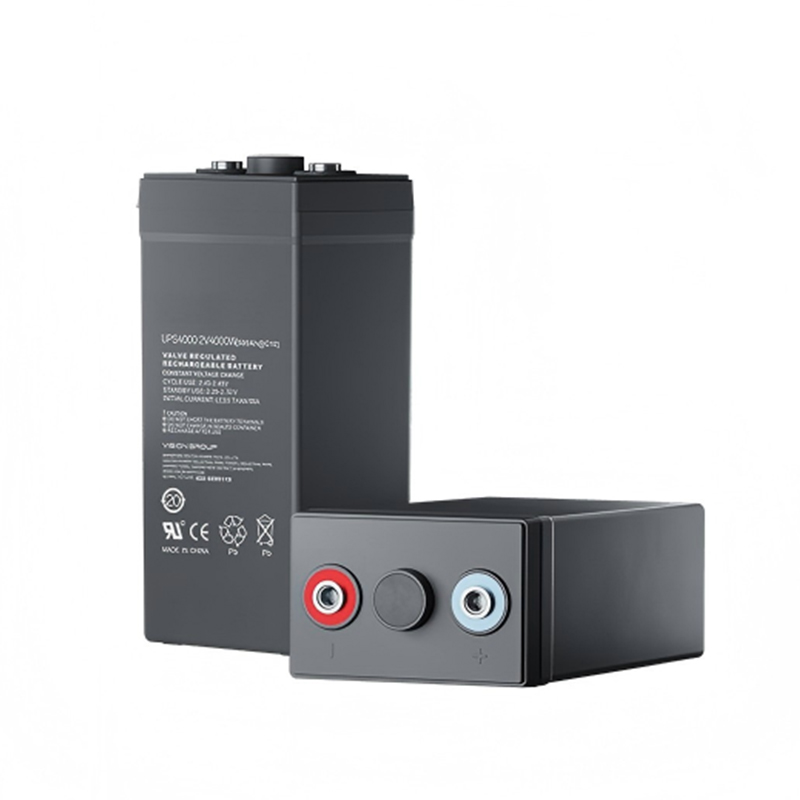


Buy DC backup battery from the manufacturer
2026-09-12
- DC Backup Battery: Selection Criteria and Technical Features for Industrial Systems
- Operating principle and role in DC systems
- Technological types of backup batteries: comparative analysis
- Key parameters when choosing a backup battery
- Engineering Experience: Impact of Discharge Depth on Durability
- Application in various industries
- Operation and Maintenance
- How to choose a supplier: reliability criteria
- Frequently asked questions (FAQ)
- Conclusion and recommendations for purchasing
DC Backup Battery: Selection Criteria and Technical Features for Industrial Systems
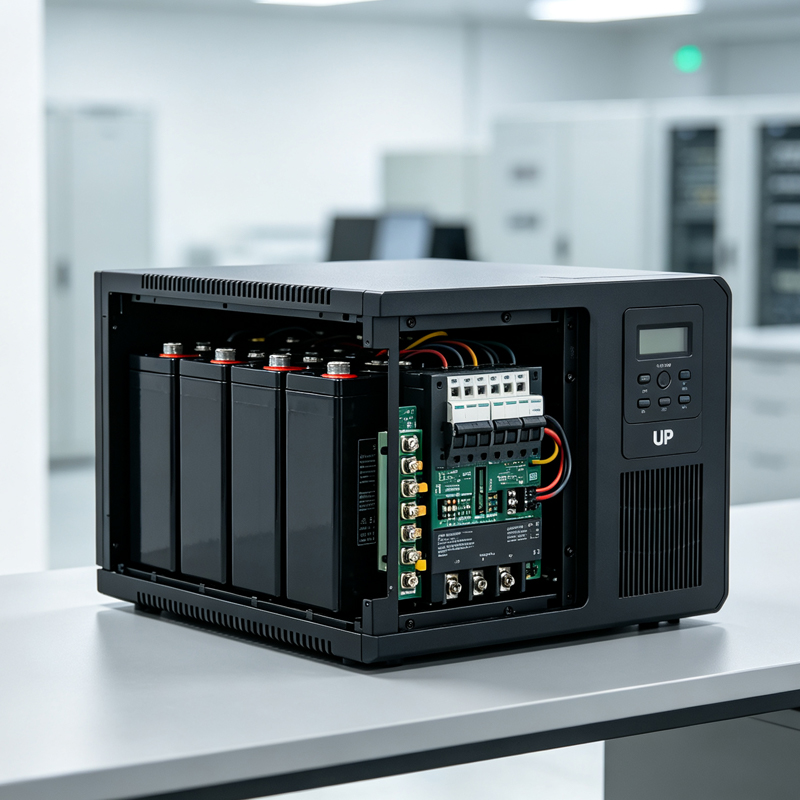
Ensuring uninterrupted power supply to critical infrastructure requires the use of reliable energy sources that can be instantly connected during failures in the main network.DC backup batteryis a key element of such systems, acting as a buffer between the power source and the load. Unlike starter batteries, which are designed to provide a short-term pulse of high current, backup batteries are designed to operate for a long time in low-current discharge mode or to support the load for a strictly defined time until the main power is restored or the equipment is safely stopped.
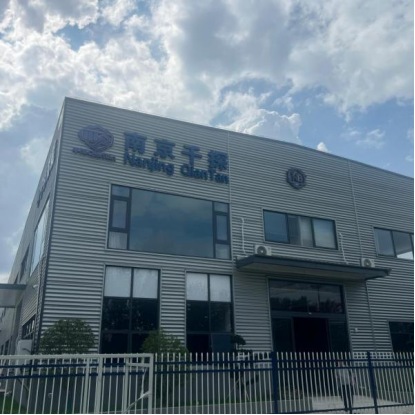
In 2026, the requirements for backup power systems (UPS), telecommunications cabinets and industrial controllers have increased significantly. Engineers and purchasers are faced with balancing the initial cost of equipment, its service life and operating conditions. The correct choice of battery technology - be it classic lead-acid solutions with liquid electrolyte, OPzV gel batteries or modern AGM technologies - determines the overall reliability of the system. Nanjing Qiantan Energy Storage Technologies LLC, having more than 30 years of experience in the industry and implementing projects in Russia, Iran, Turkey and other countries, offers an integrated approach to the supply of certified battery products, taking into account the specifics of each industrial facility.
Operating principle and role in DC systems
Direct current (DC) systems are widely used in power generation, substations, data centers and industrial plants. The main task of the backup battery in such a system is to maintain the voltage on the DC buses within acceptable limits when the external power is turned off. This allows relay protection, automation, emergency lighting and communication systems to operate correctly.
The backup battery operation process includes two main modes:
- Float Mode:The battery is constantly connected to a charger, which compensates for self-discharge and maintains a full charge. In this mode, the battery is in a ready state, and the load is powered from the main network through a rectifier.
- Discharge Mode:When the input voltage fails, the battery instantly takes over power to the load. Switching times are milliseconds, ensuring process continuity.
The key parameter here is not only the capacity (Ah), but also the ability of the battery to maintain a stable voltage under load. Lead-acid batteries, such as the CP series stationary batteries or the CL 2V series tubular monoblock batteries from Nanjing Qiantan Energy Storage Technology Co., Ltd., are designed specifically for such cyclic or buffer operation modes, providing predictable performance behavior throughout their service life.
Technological types of backup batteries: comparative analysis
The choice of battery technology depends on specific operating conditions: temperature, required service life, installation space and budget. There are several main types of lead-acid batteries on the market, each with its own engineering features.
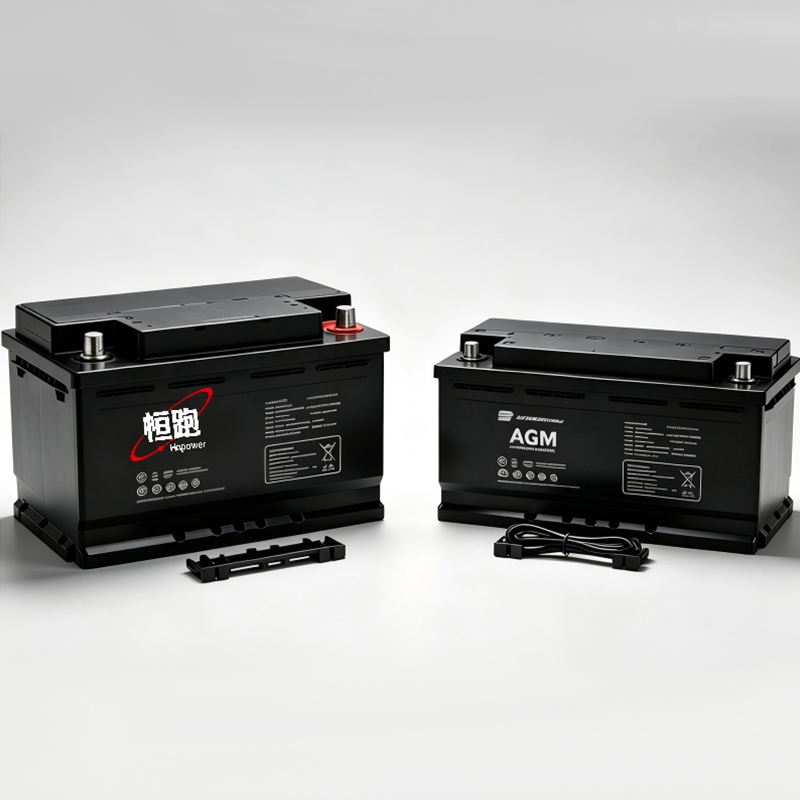
| Parameter | AGM (Absorbent Glass Mat) | Gel (OPzV/CG) | Tubular plates (OPzS / CL 2V) |
|---|---|---|---|
| Electrolyte | Absorbed in fiberglass | Thickened (gel-like) | Liquid, free |
| Lifetime (buffer) | 5–10 years | 12–15 years | 15–20 years or more |
| Cyclic resource | Medium (up to 300 cycles) | High (up to 1500 cycles) | Very high (up to 2000+ cycles) |
| Temperature resistance | Sensitive to overheating | Good thermal stability | High, require maintenance |
| Service | Maintenance-free | Maintenance-free | Electrolyte level monitoring required |
| Cost | Low / Medium | Medium/High | High (CAPEX), low (OPEX) |
For applications where maximum reliability and long service life without replacement are required, OPzV gel batteries and tubular batteries are preferred. Nanjing Qiantan Energy Storage Technology Co.,Ltd supplies high-power front-terminal HFS and CT series solutions that are optimal for compact installations, as well as long-life stationary battery CP series for standard telecommunications applications.
Key parameters when choosing a backup battery
When forming a technical specification for a purchase, it is necessary to take into account a number of physical and electrical parameters. An error in calculations can lead to premature system failure or the inability to provide the required battery life.
1. Capacity and discharge current
Battery capacity is usually specified for a 10-hour (C10) or 20-hour (C20) discharge mode. However, in real conditions, the discharge current can be significantly higher. It is important to use the discharge characteristics tables provided by the manufacturer to determine the actual capacity at a given load current. For example, at high discharge currents, the effective capacity of a lead-acid battery decreases due to the Peukert effect.
2. Temperature coefficients
Ambient temperature critically affects performance and service life. The nominal capacity is specified for +20°C or +25°C. As the temperature drops, the capacity drops (at -15°C it can be only 50–60% of the nominal value), and as the temperature rises, grid corrosion and electrolyte degradation accelerate. The Arrhenius Rule states that for every 10°C increase in temperature above the rated temperature, the battery life will be halved. Therefore, for hot climates characteristic of a number of regions where the company’s partners operate (Iran, Pakistan, Vietnam), it is recommended to use high-temperature batteries or systems with enhanced thermal control.
3. Internal resistance
Low internal resistance is important for systems where fast power delivery is required. Over time, internal resistance increases, which serves as an indicator of battery aging. Monitoring this parameter allows you to predict the need to replace an element before it fails.
Engineering Experience: Impact of Discharge Depth on Durability
In terms of engineering practice, one of the most underestimated factors is depth of discharge (DoD). Although backup batteries often operate in buffer mode, any test discharges or emergency situations result in cycling. Lead-acid batteries are sensitive to deep discharges. If a battery is regularly discharged by more than 50%, its life is reduced exponentially compared to a shallow discharge mode (up to 20%).
From the experience of implementing projects of Nanjing Qiantan Energy Storage Technologies LLC, it follows that for systems where frequent and deep network outages are possible, it is advisable to use batteries with tubular plates (CL 2V series) or special gel batteries (OPzV), which are structurally better able to withstand cyclic loads due to thicker active masses and a stable structure of the separators. Using standard AGM batteries in such harsh environments often results in irreversible sulfation and failure within the first year of use.
Application in various industries
DC backup batteries have applications in a wide range of industries. Requirements for them vary depending on the specifics of the object.
Energy and substations
At electrical substations, DC systems power relay protection and automation devices. Absolute reliability is critical here. Mostly stationary batteries of the CP series or tubular monoblocks CL 2V are used, capable of operating for decades. An important aspect is resistance to vibrations and the ability to work in unheated rooms where temperatures can drop below zero. OPzV gel technologies show excellent results here due to the absence of the risk of electrolyte leakage and gel freezing.
Telecommunications and Data Center
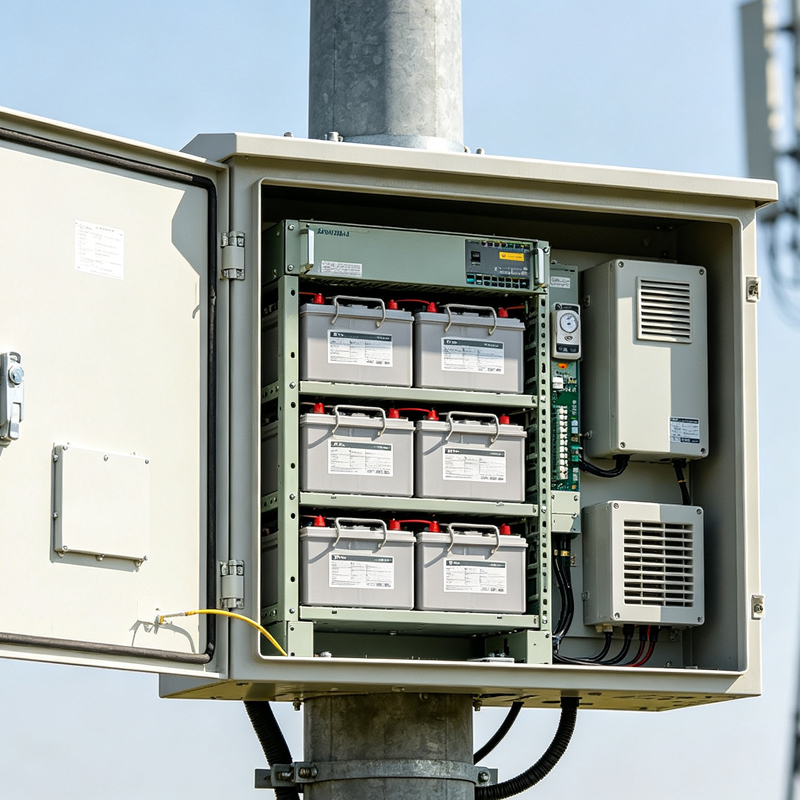
In communication base stations and data centers, the main requirement is compactness and security. Batteries are installed in close proximity to electronic equipment, so sealing (VRLA) is a must. The HFS and CT series high power front terminal solutions allow batteries to be conveniently rack mounted, saving space and simplifying cabling. Fast connection and low contact resistance ensure the efficiency of the UPS system.
Industrial production and housing and communal services
In factories, backup power is needed for process control systems (PCS) to avoid emergency shutdowns and product damage. In this sector, traction lead-acid batteries of the EV series are often used for specialized vehicles and warehouse equipment, as well as stationary batteries for security and fire extinguishing systems. The company offers tailored solutions that take into account the presence of dust, vibrations and aggressive environments at production sites.
Operation and Maintenance
Even the most reliable batteries require proper maintenance. To extend the life of DC backup batteries, the following guidelines are recommended:
- Charge voltage control:The voltage must strictly comply with the manufacturer's recommendations for this type of battery (AGM, Gel or Flooded). Overcharging causes electrolyte drying out and corrosion, while undercharging causes sulfation.
- Temperature management:Installing batteries in air-conditioned rooms or heating cabinets significantly extends their life.
- Regular tests:Carrying out control discharges (at least once a year) allows you to identify weak elements in the chain.
- Visual inspection:Check for swelling, electrolyte leaks and terminal oxidation.
Nanjing Qiantan Energy Storage Technology Co., Ltd. provides service support, including on-site engineering support and regular updates of technical documentation, which helps customers maintain systems in optimal condition.
How to choose a supplier: reliability criteria
The battery market is saturated with offers, but product quality can vary significantly. When choosing a DC backup battery supplier, you should pay attention to the following aspects:
- Production cycle and quality control:The presence of a full technological cycle, from wafers to assembly, allows the manufacturer to control quality at every stage. The company implements turnkey projects, including incoming inspection of raw materials and output testing of finished products.
- Certification and Standards:Products must comply with international safety and environmental standards. ISO certifications and compliance with local market requirements (for example, EAC for Russia) are mandatory.
- Technical expertise:The supplier must have competencies not only in sales, but also in system design. The company’s specialists have experience working in leading international corporations in the new energy sector, which guarantees competent selection of equipment.
- Environmental responsibility:An important factor is whether the supplier has the infrastructure to recycle used batteries. Nanjing Qiantan Energy Storage Technology Co., Ltd. has a specialized environmentally friendly processing workshop, ensuring a closed cycle and compliance with the principles of sustainable development.
Frequently asked questions (FAQ)
What is the lifespan of a DC backup battery?
The service life depends on the technology and operating conditions. Standard AGM batteries last 5–7 years in buffer mode, OPzV gel batteries last 12–15 years, and tubular batteries with liquid electrolyte last up to 20 years or more. Actual life may vary depending on temperature and number of discharge cycles.
Is it possible to mix batteries from different manufacturers in one circuit?
Strongly not recommended. Batteries, even of the same type, but from different batches or manufacturers, may have different internal resistance and capacity. This will lead to uneven distribution of charge and discharge currents, overheating of individual elements and rapid failure of the entire system.
How does temperature affect the capacity of a backup battery?
When the temperature drops below +20°C, the battery capacity decreases. At -15°C the available capacity may be only half of the rated capacity. Conversely, high temperatures accelerate chemical degradation reactions, shortening the overall battery life.
What is the difference between HFS and CT series batteries?
Both series are high-power, front-terminal solutions designed for easy rack mounting. Differences may lie in the geometry of the plates, the composition of the active mass and optimization for certain current loads. For accurate selection, it is recommended to contact the manufacturer’s technical specialists.
Do OPzV gel batteries require maintenance?
OPzV gel batteries are maintenance free (VRLA). They are sealed, do not emit gases during normal operation and do not require adding water. However, visual inspection of the condition of the terminals and housing, as well as voltage monitoring remain necessary procedures.
Conclusion and recommendations for purchasing
Choosing a DC battery backup is an investment in business stability and infrastructure security. You should not be guided solely by the initial cost. Total cost of ownership (TCO) calculations, which include replacement costs, maintenance and downtime risks, often show the benefit of more expensive but longer-lasting technologies such as OPzV or tubular batteries.
For projects that require an individual approach, adaptation to local climatic conditions and quality guarantees, it is important to partner with a manufacturer with global experience and full vertical integration. Nanjing Qiantan Energy Storage Technology LLC is ready to provide technical consultations, select the optimal configuration of the battery system and ensure the supply of certified products that meet the most stringent requirements of modern industrial standards.
For detailed technical specifications, capacity calculations for your load and commercial offer, please see our catalogproduct solutions and technical services.