
Battery for electric vehicle: prices from the manufacturer
2026-09-12
- Battery for an electric car: cost structure and selection criteria from the manufacturer
- Technology Choice: Lead Acid vs Lithium Solutions
- Key technical parameters when selecting a battery
- Application in real industrial and transport scenarios
- Procurement process and quality control from the manufacturer
- Frequently asked questions (FAQ)
- Conclusion and recommendations for purchasing
Battery for an electric car: cost structure and selection criteria from the manufacturer
Selecting a traction battery is a key step in the design or modernization of electric vehicles. Requestbattery for electric car autooften leads purchasers and engineers to find a balance between capacity, weight, service life and the final cost of the complex. In 2026, the energy storage market shows a clear technology divide: lithium-ion systems dominate the passenger segment due to their high energy density, while lead-acid solutions, including advanced gel and AGM batteries, remain the standard for commercial vehicles, warehouse equipment, low speed electric vehicles (LSVs) and auxiliary power systems.
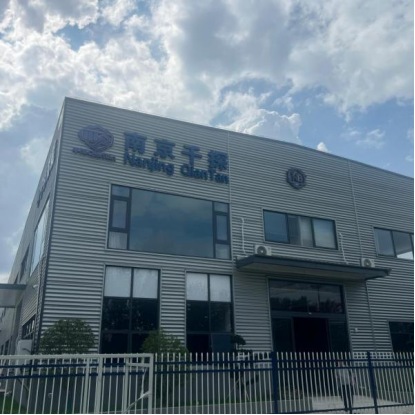
The price of a battery is determined not only by the cost of raw materials (lead, lithium, electrolyte), but also by the complexity of the battery management system (BMS), type of case, logistics conditions and warranty support. Direct cooperation with a manufacturer, such as Nanjing Qiantan Energy Storage Technologies LLC, allows you to eliminate intermediary markups and adapt technical parameters to specific operating conditions. The company, which has more than 30 years of experience in the industry and implements projects in Russia, China and the Middle East, offers an integrated approach: from the supply of production models of the EV series to the development of customized solutions for specific transport tasks.
Factors determining the price of traction batteries
When analyzing commercial proposals, it is important to understand which components affect the final cost. Manufacturing practice shows that the price cannot be linearly linked only to ampere hours (Ah). Below are the main pricing drivers:
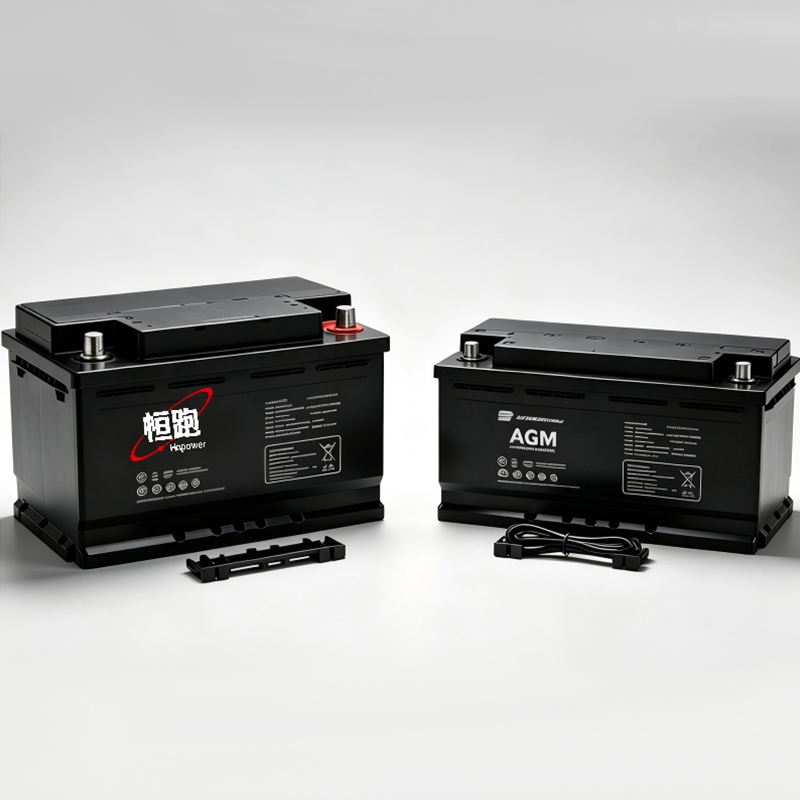
- Chemical composition and technology:Lithium iron phosphate (LiFePO4) cells are more expensive than lead acid, but provide longer cycle life. Within the lead-acid segment, gel batteries (OPzV, CG) and absorbed electrolyte batteries (AGM) rank above traditional liquid counterparts due to the complexity of separators and gas recombination technology.
- Management System (BMS):For lithium batteries, the BMS is a required and expensive component to ensure cell balancing and overheating protection. Lead-acid systems such as Nanjing Qiantan's EV series reduce the need for complex electronics, lowering the total cost of ownership for low-cost projects.
- Design:The presence of a reinforced housing, vibration-resistant mounts, front terminals (HFS and CT series) or a special cooling system increases production costs, but is critical to vehicle safety.
- Order quantity and customization:Serial models (for example, maintenance-free batteries of the 1S series) have a minimum cost. Individual development for non-standard body dimensions requires re-adjustment of lines and engineering support.
Technology Choice: Lead Acid vs Lithium Solutions
The question of choosing chemistry often comes down not to which technology is “better”, but to which one is cost-effective for a particular use case. Lithium batteries benefit in specific energy (Wh/kg), which is critical for passenger electric vehicles, where every kilogram of weight affects the dynamics and range. However, for commercial vehicles, forklifts, golf carts and small-capacity urban electric buses, lead-acid technologies remain uncontested in terms of price and reliability.
Nanjing Qiantan Energy Storage Technologies LLC specializes in deep expertise in lead-acid systems, offering a diversified line. The EV series lead-acid traction battery is designed to withstand the high inrush currents and deep discharges encountered in the urban cycle. OPzV and CG gel batteries provide sealing and the ability to work in any position, which simplifies the layout of the battery compartment.
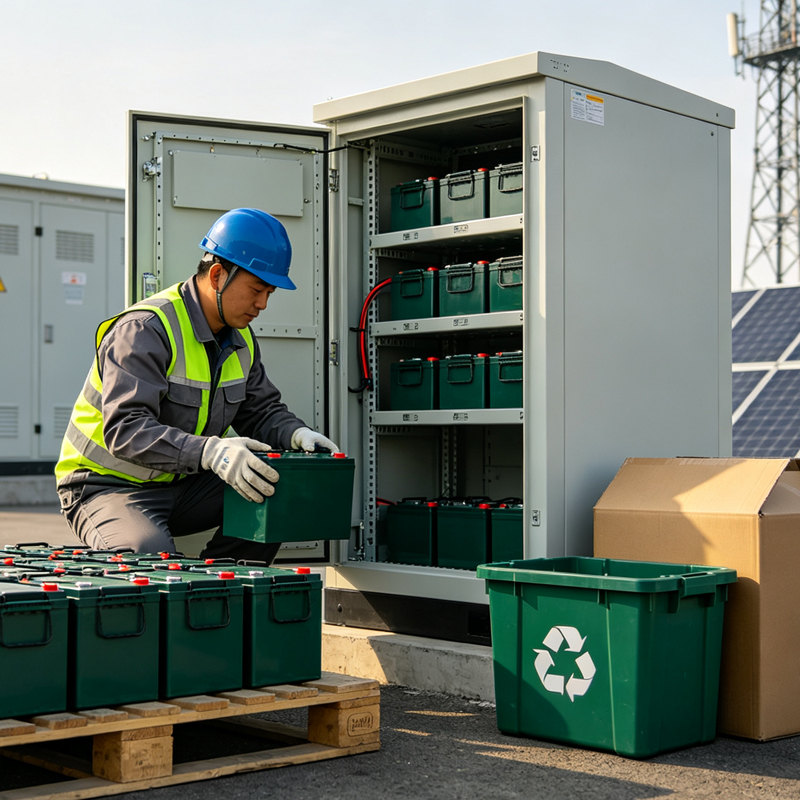
From an engineering perspective, an important advantage of lead-acid batteries is their predictable degradation and recyclability. The company includes environmentally safe recycling of used batteries in its cycle, which reduces environmental risks and complies with the principles of sustainable development increasingly required by international partners from Europe and Asia.
Comparative analysis of technologies for transport applications
To facilitate the decision-making process for technicians and buyers, below is a table comparing the key parameters of various types of batteries used in electric vehicles.
| Parameter | Lead-acid (EV/AGM/Gel) | Lithium-ion (Li-ion/NMC) | Lithium iron phosphate (LiFePO4) |
|---|---|---|---|
| Specific energy intensity | Low (30–50 Wh/kg) | High (150–250 Wh/kg) | Medium (90–120 Wh/kg) |
| Implementation cost | Low | High | Medium-high |
| Cycle life (80% DOD) | 500–1200 cycles | 1000–2000 cycles | 2000–4000 cycles |
| Safety (thermal stability) | High (no risk of thermal runaway) | Requires a complex cooling system | High |
| Temperature range | Cold sensitive, heat stable | Requires heating/cooling | Wide operating range |
| Recycling | Well-functioning infrastructure (up to 98% of materials) | Difficult and expensive processing | Developing infrastructure |
The table shows that for applications where weight is not a critical limitation, but low initial cost and safety are the priority, lead-acid solutions from Nanjing Qiantan are the optimal choice. In particular, the CL 2V series tubular monoblocks show outstanding durability in stationary and heavy-duty applications.
Key technical parameters when selecting a battery
An error in calculating capacity or starting current can lead to the fact that the electric vehicle will not be able to cover the planned route or will fail before the warranty period. When forming technical specifications for supply, the following parameters must be taken into account:
- Nominal capacity (Ah):Determines the power reserve. It is important to distinguish between the capacity at a 20-hour discharge (C20) and at high currents (C5 or C1). For traction applications, capacity at C5 mode is critical as electric vehicles often operate under high load conditions.
- Assembly voltage (V):Standard voltages for light electric vehicles are 48V, 60V, 72V or 96V. The manufacturer must ensure that elements in the assembly are accurately balanced to prevent stress imbalances.
- Maximum discharge current:Peak loads occur during acceleration and uphill. Nanjing Qiantan HFS and CT series front terminal batteries are specially designed to minimize internal resistance and provide high power output.
- Dimensions and weight:Strict space restrictions in the body require precise adherence to dimensions. Using compact solutions such as CG gel batteries saves payload space.
- Temperature resistance:For operation in Russian conditions, high-temperature batteries and solutions that remain operational at subzero temperatures are important. Although lead-acid batteries lose capacity in the cold, the correct selection of capacity with a reserve compensates for this effect.
Engineering Experience: Impact of Discharge Depth on Service Life
Operating practice shows that most premature failures of traction batteries are associated with chronic deep discharge below a critical voltage level. For lead-acid batteries, including the EV series, it is recommended to limit the depth of discharge (DOD) to 70-80% in daily cycles. A constant discharge “to zero” leads to sulfation of the plates and irreversible loss of capacity. Nanjing Qiantan engineers recommend configuring electric vehicle controllers to forcefully limit the residual charge, which can increase the overall battery life by 1.5–2 times compared to the nameplate data when used aggressively.
Application in real industrial and transport scenarios
There are no universal solutions. Battery efficiency is only revealed in relation to a specific usage scenario. Let's look at two typical cases where solutions from Nanjing Qiantan Energy Storage Technology demonstrate high efficiency.
Scenario 1: Urban electric freight transport and logistics
Conditions:Electric vehicles weighing up to 3.5 tons, delivering within city limits. Frequent stopping, acceleration and regenerative braking are typical. Mileage per shift is 150–200 km.
Requirements:High reliability, ability to accept charge from recovery, vibration resistance, low cost of ownership.
Solution:Use of EV series traction batteries or high power front terminal solutions. Lead-acid chemistry benefits here due to its ability to safely accept high charge currents during recovery without the risk of overheating inherent in some lithium systems without active cooling. The compactness of the 1S series batteries allows efficient use of body space.
Risk:Overheating of batteries in summer during intensive work.Recommendation:Ensuring forced ventilation of the battery compartment and the use of heat-resistant separators used in the company's products.
Scenario 2: Specialized vehicles and low speed electric vehicles (LSVs)
Conditions:Golf carts, electric excursion buses, cleaning equipment in open areas (parks, airports, factory areas). Work in a wide temperature range, possible exposure to moisture.
Requirements:Completely sealed (no gas emission), maintenance-free, long service life with partial discharges.
Solution:Gel batteries OPzV and CG. Their design eliminates the leakage of electrolyte and the emission of harmful gases, which allows them to be placed in closed passenger compartments of electric vehicles. The long-life stationary batteries of the CP series can also be adapted for applications where buffer operation with intermittent traction loads is required.
Risk:Sulfation during long-term downtime of equipment in winter.Recommendation:Connecting a maintenance charge or using smart chargers offered by the company's partners.
Procurement process and quality control from the manufacturer
Working with a direct manufacturer, such as Nanjing Qiantan Energy Storage Technology Co., Ltd., provides buyers with advantages in quality control and process transparency. The company positions itself as a full-cycle operator, which means control of every stage: from the production of mesh grids and plates to automated assembly and final testing.
When ordering a batch of batteries for electric vehicles, it is important to pay attention to the following aspects:
- Incoming control of raw materials:The quality of lead and separators directly affects internal resistance and service life. The company uses certified materials that meet international standards.
- Battery Formation:The process of primary charge and formation of the crystalline structure of the active mass is critical. Violation of technology at this stage leads to rapid degradation. Automated lines "Nanjing Qiantan" ensure the identical characteristics of each cell in the batch.
- Output tests:Each battery must pass a load plug test and an open circuit voltage test. For large batches, it is possible to organize random crash tests and deep discharge tests.
- Documentary support:The delivery is accompanied by a full package of technical data sheets, certificates of conformity and operating instructions in Russian, which simplifies the integration of products into Russian realities.
Global experience in implementing projects in Iran, Turkey, Vietnam and Russia confirms the company's ability to adapt products to various climatic and regulatory requirements. Service support includes on-site engineering support, which is especially important when launching new electric vehicle models.
Frequently asked questions (FAQ)
Which battery is best to choose for converting a regular car into an electric one?
For conversions, the key factor is the weight to capacity ratio. If the budget is limited and weight is not critical (for example, for a truck), traction lead-acid batteries of the EV series from Nanjing Qiantan will be the most economical solution. They are safe, cheap and easy to recycle. If maximum range and minimum weight are important, lithium solutions should be considered, but their cost will be 2–3 times higher, and the requirements for the safety system (BMS, fire extinguishing) will be much stricter.
Does low temperature affect the performance of lead-acid batteries in an electric vehicle?
Yes, at temperatures below -10°C the capacity of a lead-acid battery can be reduced by 30–50%. This is a physical limitation of a chemical process. To compensate in winter, it is recommended to install batteries with a capacity reserve of 20–30% relative to summer needs. Another effective solution is thermal insulation of the battery compartment and the use of electrolyte heating systems, which can be integrated into the project by the manufacturer’s engineering team.
Is it possible to mix old and new batteries in one assembly?
Strongly not recommended. Mixing batteries with different internal resistances and degrees of wear results in uneven load distribution. The new battery will wear out, trying to compensate for weak elements, which will lead to rapid failure of the entire assembly. When replacing, the entire set must be replaced at the same time. If a modular system is used, replace only the defective module, strictly observing voltage balancing requirements.
How to dispose of used traction batteries?
Lead-acid batteries must be recycled due to their lead and sulfuric acid content. Nanjing Qiantan Energy Storage Technology LLC has a specialized environmentally friendly processing workshop, which ensures a closed cycle. When purchasing a large batch, you can discuss the terms of return of used batteries (trade-in) or organize collection through a partner network, which reduces the environmental risks of the enterprise and can serve as a basis for receiving discounts on new batches.
What is the warranty for EV series traction batteries?
Warranty conditions depend on the specific contract and mode of operation. Typically, the manufacturer provides a warranty against manufacturing defects for a period of 12 to 24 months. It is important to note that the warranty does not cover cases of violation of operating rules: deep discharge below the permissible voltage, use of inappropriate chargers, mechanical damage or operation in temperature conditions outside the specification. Detailed conditions are recorded in the technical agreement when ordering.
Conclusion and recommendations for purchasing
Selecting a battery for an electric vehicle is an engineering task that requires taking into account many variables: from the load profile to climatic operating conditions. In 2026, lead-acid technologies, presented in the Battery Solutions line of Nanjing Qiantan Energy Storage Technology Co., Ltd., remain the most sustainable choice for commercial, special purpose and low-speed electric vehicles. They offer predictable economics, high safety and a streamlined processing system.
When planning purchases, it is recommended:
- Conduct an audit of actual transport energy consumption to accurately calculate the required capacity.
- Take into account seasonal temperature fluctuations and reserve power.
- Give preference to manufacturers with a full cycle of quality control and on-site technical support.
- Consider the possibility of a long-term partnership to ensure stability of supplies and service.
The Nanjing Qiantan company is ready to provide detailed technical consultations, samples for testing and calculation of the cost of the batch according to your specifications. Working with experts with over 30 years of industry experience ensures you receive a reliable energy solution for your fleet.
To receive an individual commercial offer and technical documentation, go to the sectionproducts and technical solutionson our website.