
Long life battery: price from the manufacturer
2026-09-15
- Long Life Battery: An Engineering Approach to Selection and Pricing
- Technological solutions to maximize resource
- Application scenarios for the use of long-life batteries
- How the price is formed: from raw materials to the finished product
- Supplier selection criteria for industrial procurement
- Frequently asked questions (FAQ)
- Engineering recommendations and conclusion
Long Life Battery: An Engineering Approach to Selection and Pricing
In industrial power systems, battery replacement is not just a component purchase, but a complex engineering challenge that impacts the reliability of the entire facility.Long life batteryis a device designed to minimize degradation of active materials and optimize thermal conditions, which makes it possible to achieve a resource of 10 to 20 years in buffer use mode. The key difference between such solutions and standard starter or traction batteries is the design of the plates, the composition of the electrolyte and the technology of the separators, which resist corrosion and sulfation much more effectively.
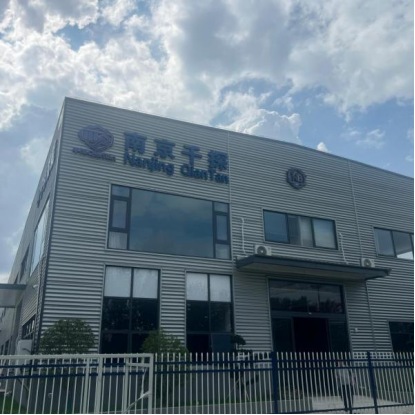
For CTOs, chief energy officers and procurement professionals, understanding the true cost of ownership (TCO) is critical. The initial price often becomes a secondary consideration compared to the costs of premature replacement, equipment downtime and disposal. In 2026, the market demands transparency: buyers want to know what exactly they are paying for when purchasing batteries from the OPzV, AGM series or tubular monoblocks. Nanjing Qiantan Energy Storage Technology LLC, with more than 30 years of experience in the industry and implementing turnkey projects from China to Russia and Europe, offers an approach based on technical feasibility, and not just marketing promises.
Factors that determine the actual service life of an industrial battery
The service life declared by the manufacturer (for example, 12 or 15 years) is always tied to ideal laboratory conditions: temperature 20–25°C, absence of deep discharges and stable charging voltage. In actual operation, these parameters are rarely met perfectly. Engineering practice shows that the longevity of a lead-acid battery is determined by three fundamental factors:
- Thickness and structure of the positive plate.It is the corrosion of the lattice structure of the positive electrode that is the main reason for the failure of long-lived batteries. Long-life batteries, such as the CP series or CL 2V tubular batteries from Nanjing Qiantan LLC, use reinforced grids with the addition of alloying elements (calcium, tin), which slows down the oxidation process of lead.
- Thermal stability and housing design.Every 8–10°C increase in temperature above the nominal temperature reduces the service life by half. Thanks to the immobilized electrolyte, OPzV gel batteries withstand temperature fluctuations better and have lower self-discharge compared to traditional liquid-acid counterparts.
- Cycling mode and depth of discharge (DoD).Stationary applications (UPS, telecommunications) are characterized by a buffer mode, where the battery is under a constant charge. For traction applications (forklifts, EV series electric vehicles), resistance to deep discharges is critical. Mixing these modes leads to rapid degradation.
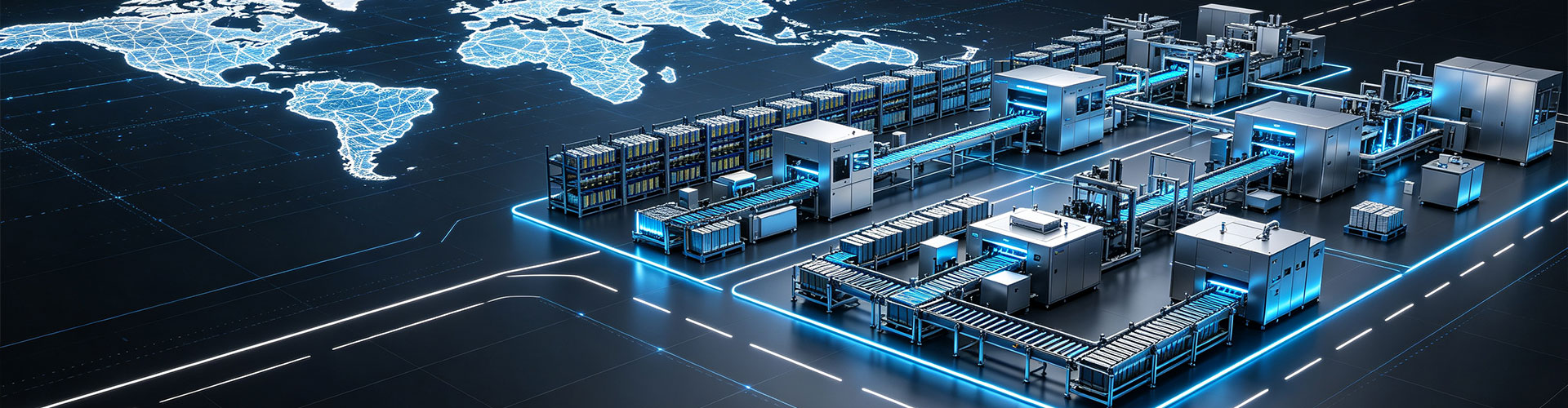
Engineers at Nanjing Qiantan Energy Storage Technology LLC take these nuances into account when designing production lines, introducing automated quality control systems at the stage of wafer formation. This allows us to guarantee the homogeneity of the active mass, which directly affects the balance of the cells and the overall battery life.
Technological solutions to maximize resource
Modernlong life batteryis the result of the evolution of materials science. The transition from antimony alloys to calcium and hybrid lattices has significantly reduced water losses for electrolysis. However, to achieve ultra-long service lives (15+ years) more complex technological solutions are required.
Gel technologies (OPzV) versus AGM
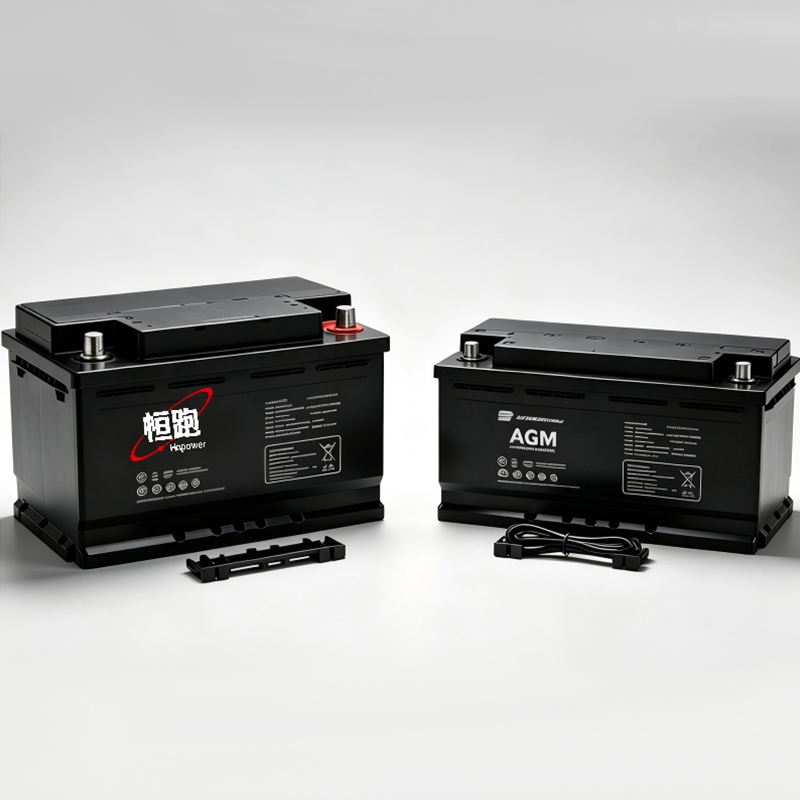
In the stationary energy storage segment, there is often a choice between AGM (Absorbent Glass Mat) and GEL (OPzV) technologies. Both types are VRLA, but their architecture is different:
| Parameter | AGM (Absorbed Electrolyte) | GEL/OPzV (Gel Electrolyte) |
|---|---|---|
| Electrolyte design | Glass mat impregnated with liquid electrolyte | Silica gel thickened electrolyte |
| Deep discharge resistance | Medium (DoD < 50% recommended) | High (allowed DoD up to 80% without critical damage) |
| Temperature range | Sensitive to overheating (>25°C reduces service life) | Better thermal stability, degrades slower when heated |
| Internal resistance | Low (good for high short circuit currents) | Higher than AGM (less suitable for pulsed high currents) |
| Life expectancy (buffer) | 5–10 years | 12–15 years or more |
| Cost | Below | 20–40% higher |
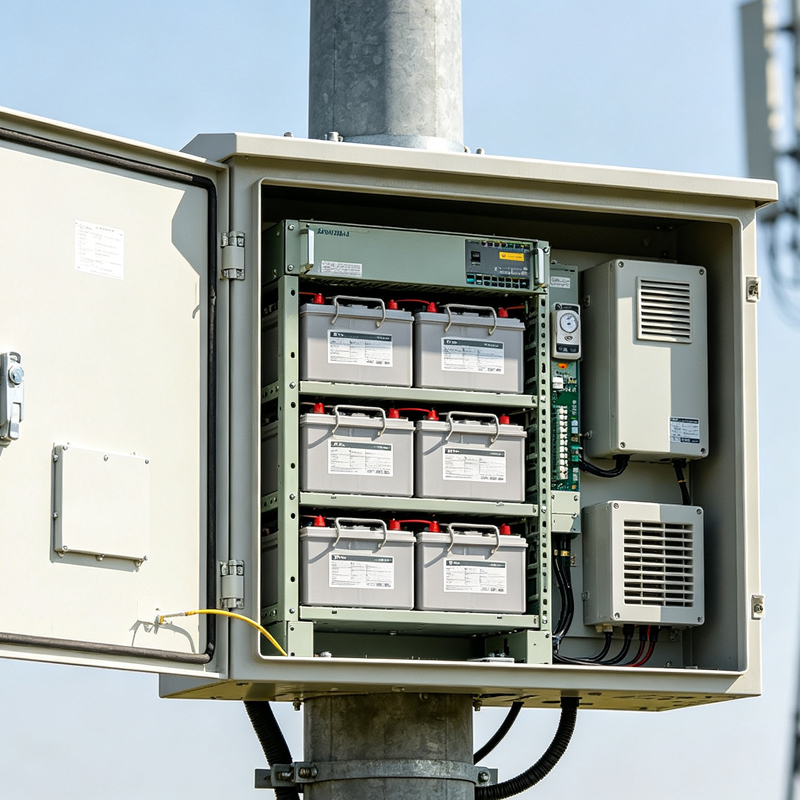
For sites where reliability is critical and there is no regular maintenance (such as remote communication base stations or underground data storage facilities), OPzV and CG gel batteries offered by Nanjing Qiantan LLC are the preferred choice. Their design with tubular plates (in the case of OPzV) or reinforced flat plates ensures mechanical stability of the active mass even after thousands of microcycles.
Tubular plates: the standard for longevity
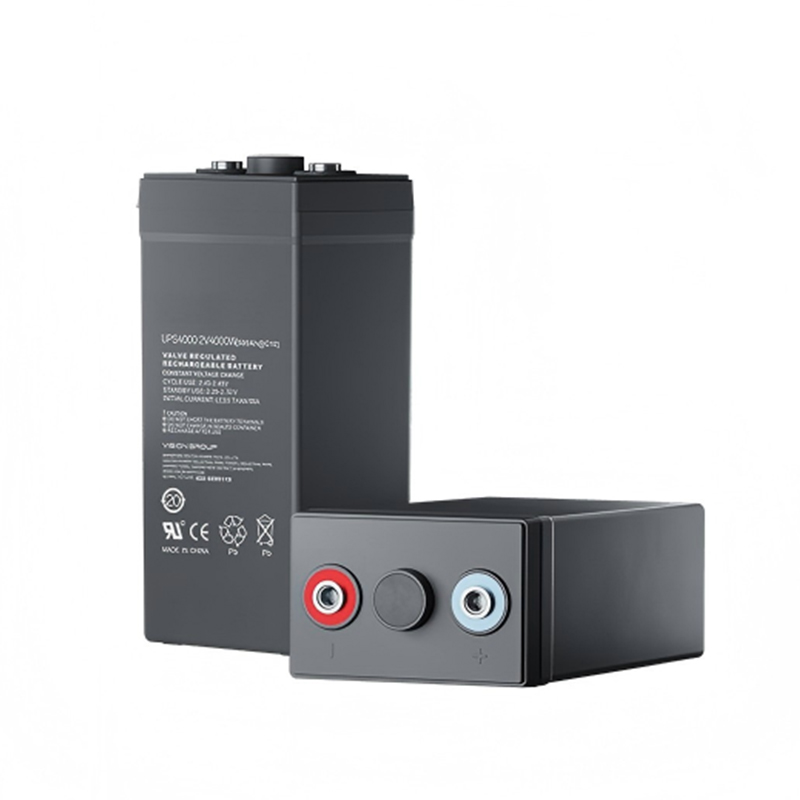
The CL 2V series from Nanjing Qiantan Energy Storage Technology Co.,Ltd uses tubular positive plate technology. In this design, the active mass is enclosed in porous polyester tubes, which prevents its shedding - the main reason for the aging of conventional batteries. This solution is especially in demand in the energy and industrial enterprises of Russia, Iran and Turkey, where uninterrupted power supply to critical components is required for decades.
Application scenarios for the use of long-life batteries
The choice of battery type should be dictated by specific operating conditions. There is no universal solution, and trying to use the starter battery in a constant trickle charge mode will lead to its failure in 1-2 years. Let's look at two typical industrial scenarios.
Scenario 1: Data center uninterruptible power supply systems (UPS)
Conditions:Constant temperature 22–24°C, float charge mode (constant voltage maintenance), rare discharges only in case of network failures. High reliability and predictability of residual capacity are required.
Technical requirements:Low self-discharge current, resistance to grid corrosion at constant potential, possibility of parallel connection of a large number of blocks.
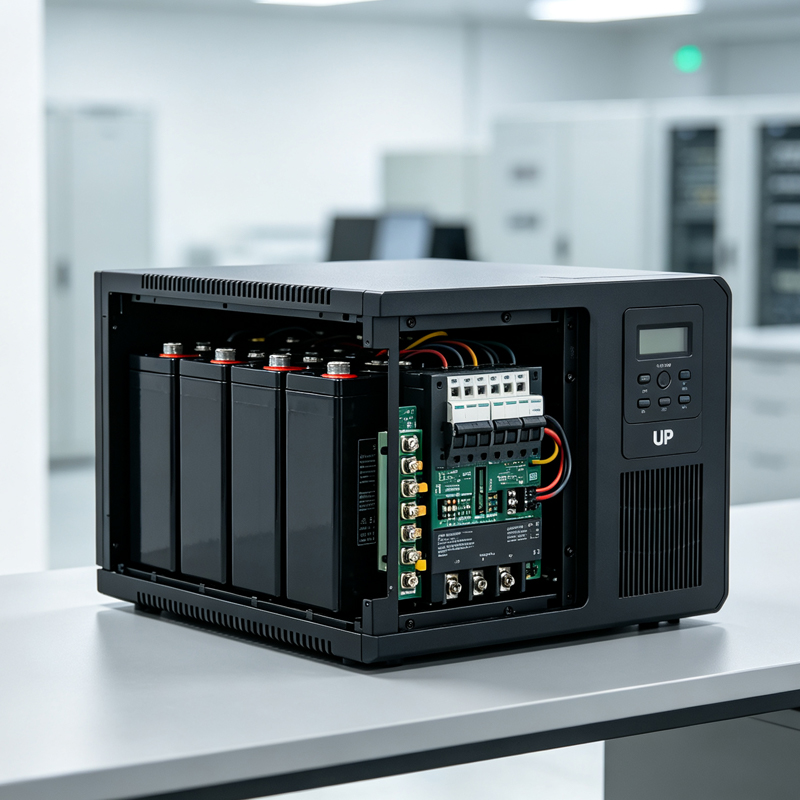
Solution:Stationary batteries of the CP series or gel OPzV. Long life batteries in this scenario reduce the replacement frequency from every 5 years to once every 12–15 years. Nanjing Qiantan LLC engineers recommend models with front terminals (HFS and CT series) for such applications, as they simplify installation in dense racks and improve ventilation, reducing the risk of thermal runaway.
Risk:Using cheap AGM batteries with thin plates. If stored for a long time in a charged state, they may undergo irreversible sulfation if the maintenance voltage is selected incorrectly.
Scenario 2: Traction equipment in warehouses and ports
Conditions:Daily charge-discharge cycles (1 cycle per day), vibrations, possible temperature changes, the need for quick charging during breaks.
Technical requirements:High cyclic resistance, resistance to deep discharges (up to 80%), mechanical strength of the housing and plate fastenings.
Solution:EV series lead-acid traction batteries. Although their absolute calendar service life is shorter than that of stationary ones (3–5 years with intensive use), their service life is measured in cycles. The use of technologies developed by company specialists with 30 years of experience makes it possible to increase the number of cycles by 20–30% compared to standard analogues.
Engineering advice:In high humidity and salt spray environments (harbour taps), it is necessary to use batteries with sealed terminals and additional contact protection to avoid corrosion of the external connections, which can simulate failure of the battery itself.
How the price is formed: from raw materials to the finished product
Request "long life battery price” often leads to comparisons of price list figures from different suppliers. However, the wide variation in prices is due not only to seller margins, but also to fundamental differences in production costs. Understanding price structure helps buyers avoid low-quality products.
- Quality of lead and alloys.Using purified lead (99.99%) and precision alloying with calcium and tin is more expensive than using recycled lead with impurities. Impurities accelerate self-discharge and corrosion.
- Plate thickness.Long life batteries contain more lead. Increasing the mass of the active mass directly proportionally increases the cost, but also the capacity and service life.
- Separators and valves.High-quality imported AGM separators and reliable pressure relief valves (VRLA) prevent the electrolyte from drying out. Cheap analogues may allow oxygen to pass through or not withstand internal pressure.
- Quality control.Nanjing Qiantan Energy Storage Technology LLC invests in a full cycle of control: from incoming inspection of raw materials to testing of each batch for formation. Defects identified at the factory do not reach the customer, which reduces the risk of hidden defects.
- Logistics and packaging.Lead-acid batteries are classified as dangerous goods. Proper packaging that meets international transportation standards and the availability of all necessary documents (MSDS, certificates of conformity) are included in the price.
Direct deliveries from the manufacturer, such as those carried out by Nanjing Qiantan LLC to Russia, Vietnam and other countries, eliminate intermediary markups. The company positions itself as a full-cycle operator, which makes it possible to offer competitive prices while maintaining a high level of technical support and adapting solutions to local climatic conditions.
Supplier selection criteria for industrial procurement
When choosing a partner to supply a plant with long-lasting batteries, CTOs and purchasing departments should consider the following aspects beyond just price per amp hour:
- Technical expertise and history.Having a team with many years of experience (as is the case with Nanjing Qiantan LLC experts who have worked for the world's leading corporations) ensures that the product is developed with an understanding of physical and chemical processes, and not just assembled on an assembly line.
- Transparency of production.The ability to audit the plant, provide video reports or photographs of production lines (wafer making, assembly, forming) increases confidence. The company implements turnkey projects, including training of customer personnel, which demonstrates a deep understanding of the technology.
- Width of product line.The supplier must offer specialized solutions: from high-power batteries with front terminals (HFS, CT) for compact UPSs to tubular monoblocks (CL 2V) for large power units. This indicates production flexibility.
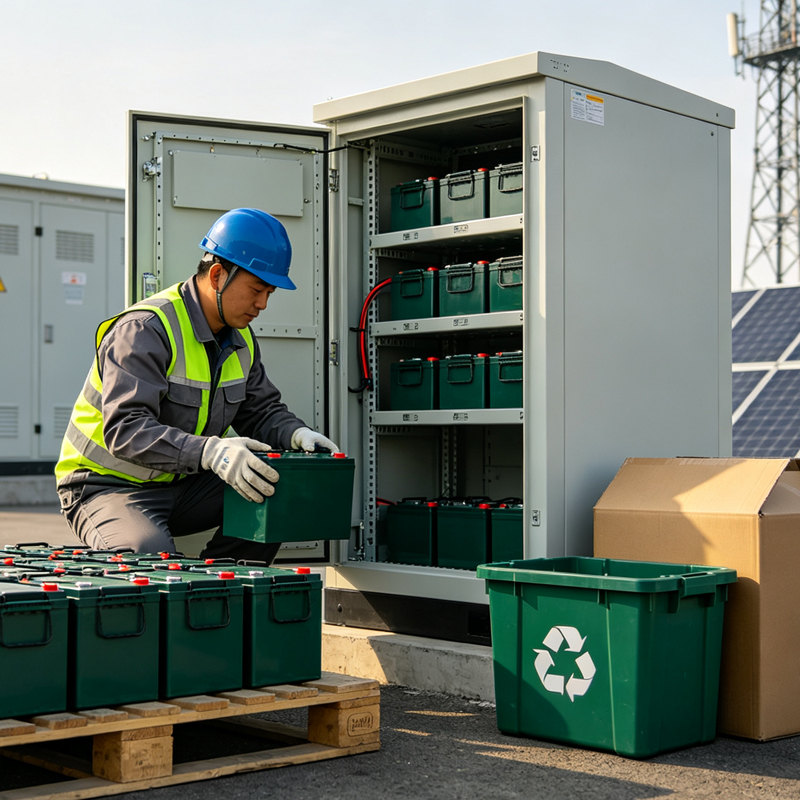
- Environmental responsibility.The presence of its own workshop for processing used lead-acid batteries, like Nanjing Qiantan LLC, indicates compliance with the principles of sustainable development and legal regulations, which is important for international contracts.
- Local support.Availability of spare parts warehouses, local engineering support and adaptation of documentation to market requirements (for example, certification for Russia or Iran) are critical to minimize downtime.
Frequently asked questions (FAQ)
Is it possible to mix old and new batteries in the same circuit?
Strongly not recommended. Old batteries have increased internal resistance and altered capacity. When charging, they will heat up more, and when discharging, they will reach critical voltage faster, causing overdischarge of the entire circuit. This leads to accelerated degradation of new batteries and the risk of thermal runaway. If replacement is unavoidable, isolation diodes or separate chargers must be used, but the best solution is to replace the bank completely.
What temperature is optimal for maximum service life?
The temperature rating for most long life lead acid batteries is 20-25°C. Operation at 30°C reduces the life by approximately 15–20%, and at 40°C - by more than 50%. For rooms without air conditioning, it is recommended to choose gel batteries (OPzV), which better withstand high temperatures, or install thermal charge compensation systems.
What is the difference between service life in years and number of cycles?
Service life in years (calendar) applies to buffer mode (UPS, power backup), where the battery is constantly connected to the charger. The number of cycles refers to cyclic mode (traction batteries, solar power with daily discharge). A long life battery may have a calendar life of 12 years, but only 500–800 cycles at deep discharge. It is important to choose a product that suits your usage.
How to properly store batteries before putting them into operation?
Lead-acid batteries are subject to self-discharge. They should be stored in a dry, cool place (not higher than 25°C). If the storage period exceeds 3–6 months, it is necessary to carry out control and training cycles (recharging) to compensate for losses. Deep discharge during storage leads to irreversible sulfation of the plates, and it is impossible to restore such a battery. Nanjing Qiantan LLC products are pre-charged and packaged to minimize self-discharge during transportation.
Is maintenance required for maintenance free (VRLA) batteries?
The term "maintenance free" means that no water needs to be added. However, maintenance is necessary: periodically checking the voltage on each cell, cleaning the terminals from oxides, monitoring the tightening torque of connections and visually inspecting for swelling of the housing. Regular monitoring allows you to identify weak elements before they damage the entire system.
Engineering recommendations and conclusion
Choosing a long-life battery is an investment in business continuity. A mistake in choosing a type or skimping on the quality of plates can cost significantly more than the price difference between a premium and budget product. In 2026, the trend is shifting towards integrated solutions, where the manufacturer is not just a supplier of “boxes”, but a technology partner.
Nanjing Qiantan Energy Storage Technology Co., Ltd. demonstrates this approach by combining full-cycle manufacturing capabilities with deep engineering expertise. From designing factory lines to delivering specific models, such as gel OPzVs for the hot climates of the Middle East or high-power HFS for European data centers, the company ensures that the product matches real-world operating conditions.
Practical advice for buyers:Before placing a large order, ask the supplier not only for the product data sheet, but also for graphs of the dependence of service life on temperature and depth of discharge for a specific model. Compare this data with your actual operating conditions. If a supplier, such as Nanjing Qiantan LLC, provides detailed technical advice and has experience implementing projects in your region (Russia, Turkey, Asia), this reduces the risk of products not meeting expectations.
To obtain detailed technical specifications, calculate the required capacity and discuss the terms of delivery of certified battery solutions, please contact our specialists. We are ready to tailor products to suit your unique needs.
View the full catalog of battery solutions and technical specifications