
Lead-carbon battery: price from the manufacturer
2026-09-13
Lead-carbon battery: technological features and pricing factors from the manufacturer
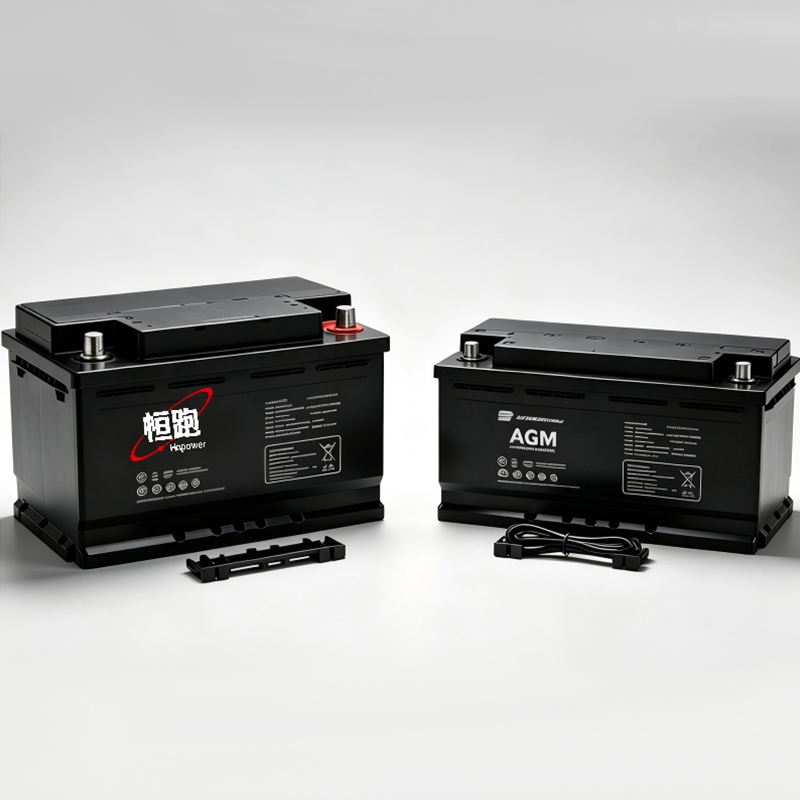
The lead-carbon battery is an evolutionary development of classical lead-acid technology, in which traditional lead plates are modified by the addition of carbon nanomaterials. This innovation solves a key problem with standard batteries - sulfation of the negative electrode mass during partial charge and high cyclic loads. For industrial buyers and engineers designing backup power systems or traction drives, understanding the differences between conventional AGM/GEL batteries and lead-carbon equivalents is critical to calculating total cost of ownership (TCO).
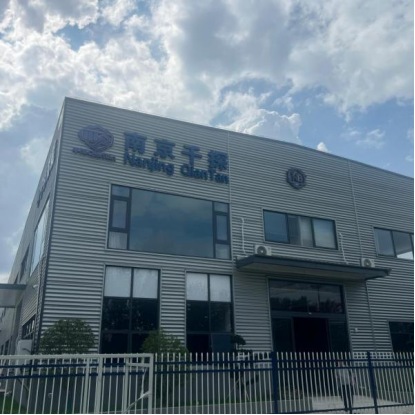
The price for a lead-carbon battery from the manufacturer is determined not only by the cost of raw materials, but also by the complexity of the technological process of introducing carbon additives into the lattice and active mass. In 2026, this type of energy storage is positioned between low-cost lead-acid solutions and expensive lithium-ion systems, offering the optimal balance of power, lifespan and safety. Nanjing Qiantan Energy Storage Technology Co.,Ltd., with more than 30 years of industry experience and full production cycle, ensures consistent quality of these batteries by integrating advanced materials into proven industry standards.
Operating principle and difference from classic lead-acid batteries
The traditional lead-acid battery suffers from a phenomenon known as early capacitance failure (PCL), especially under frequent partial charge conditions found in renewable energy systems or warehouse equipment. Adding carbon (in the form of graphene, carbon nanotubes or special carbon powder) to the negative plate significantly increases its electrical conductivity and mechanical strength.
The carbon matrix creates a three-dimensional conductive network that:
- Accelerates the chemical reactions of lead sulfate reduction during charging.
- Prevents agglomeration of the active mass, maintaining the porosity of the plate.
- Reduces the internal resistance of the battery, which allows it to deliver high currents without a critical voltage drop.
As a result, the lead-carbon battery can withstand 2-3 times more charge-discharge cycles than standard AGM batteries of similar capacity, approaching the performance of some lithium technologies while maintaining a non-flammable electrolyte and ease of disposal.
Factors affecting the price of lead-carbon battery
When requesting a quote forlead carbon battery, buyers are often faced with price variations. Understanding the pricing structure helps you avoid purchasing low-quality products. Key price drivers include:
- Type and concentration of carbon material.The use of highly purified graphene or functionalized carbon nanotubes costs significantly more than carbon black. Cheap analogues can only slightly improve performance, masquerading as a premium segment.
- Separator and electrolyte technology.Modern batteries often combine carbon plates with gel electrolyte (GEL) or advanced AGM separators to prevent acid stratification. The quality of the separator directly affects its service life.
- Lattice design.The use of corrosion-resistant alloys (e.g., tin and calcium) increases the cost of raw materials, but is critical for durability under cyclic conditions.
- Quality control and testing.Manufacturers such as Nanjing Qiantan Energy Storage Technology LLC invest in multi-stage control: from incoming raw material analysis to cyclic testing of finished batches. This reduces the risk of defects, but is included in the final price.
- Order volume and logistics.Direct deliveries from the manufacturer exclude distributor markups. The company's geographic presence, covering Russia, China, Iran and other countries, allows us to optimize logistics routes and reduce transportation costs for large shipments.
Technical parameters and specifications
For correct engineering selection, it is necessary to compare not only the capacity (Ah), but also the dynamic characteristics. Below are typical parameters for industrial grade lead carbon batteries.
| Parameter | Standard AGM | Lead-carbon (Carbon-enhanced) | Comment |
|---|---|---|---|
| Cyclic resource (DoD 50%) | 300–500 cycles | 800–1200+ cycles | Depends on operating temperature |
| Internal resistance | High | 30–50% lower | Better output of peak currents |
| Charge speed | Standard (0.1C–0.2C) | Accelerated (up to 0.4C–0.5C) | Critical for renewable energy sources and recovery |
| Operating temperature range | -20°C … +50°C | -30°C … +55°C | Improved cold performance |
| Self-discharge (at 25°C) | ~3% per month | ~2% per month | More stable storage |
| Cost of Ownership (TCO) | Basic | 20–30% lower | By increasing service life |
It is important to note that the specific charge current and number of cycles depend on the battery model and operating conditions. Nanjing Qiantan Energy Storage Technology LLC offers lines adapted for various applications: from EV series traction batteries for trucks to stationary CP series solutions for telecommunications.
Comparison with alternative energy storage technologies
Choosing between lead carbon, lithium iron phosphate (LiFePO4) and conventional lead batteries requires analysis of the specific application conditions. There is no universal “best” solution, there is an optimal one for a given task.
| Criterion | Lead-carbon | LiFePO4 (Lithium) | Regular lead acid |
|---|---|---|---|
| Initial cost | Average | High | Low |
| Safety (fire hazard) | High (non-flammable) | Medium (requires BMS) | High |
| Maintenance Requirements | Minimum | Requires a complex BMS | Periodic check |
| Disposal and recycling | Well-functioning infrastructure (>95%) | Complex and expensive | Well-functioning infrastructure |
| Temperature sensitivity | Moderate | High (needs heating/cooling) | High |
| Recommended Application | UPS, renewable energy sources, warehouse equipment | Electric cars, mobile devices | Starter systems, budget UPS |
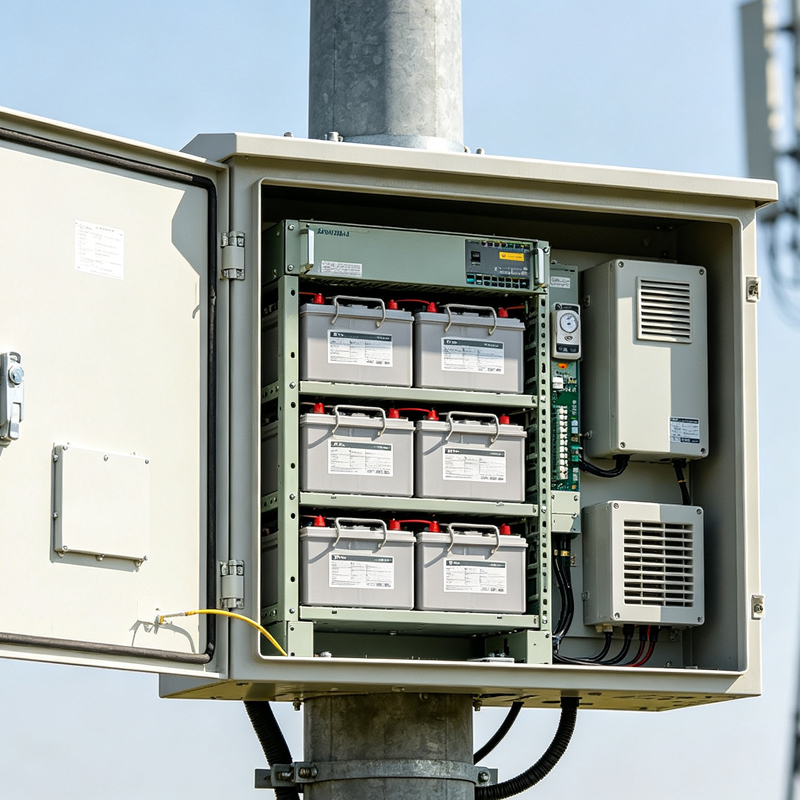
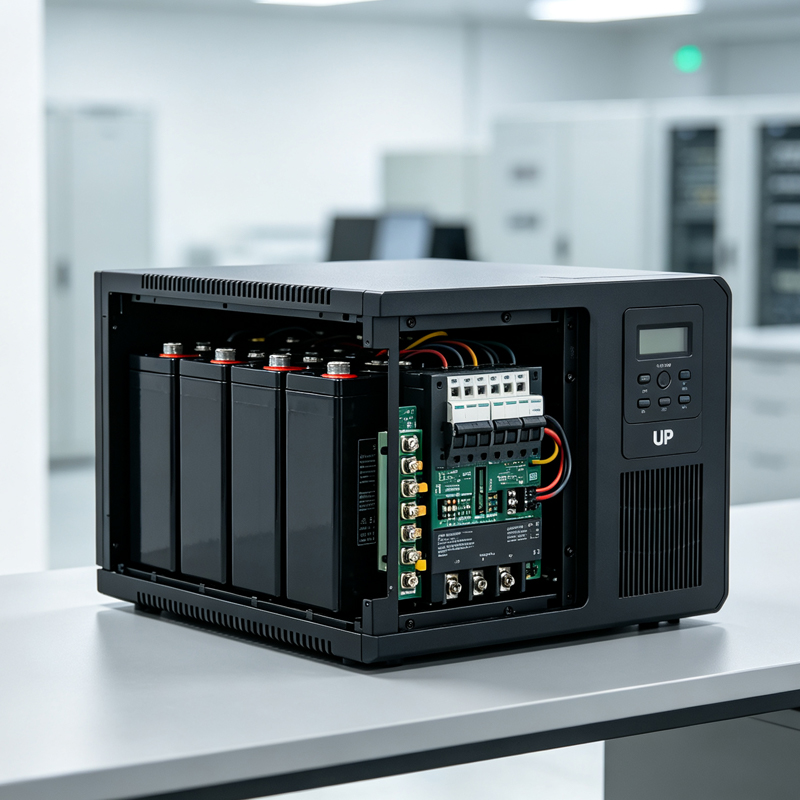
Engineering Opinion: In stationary uninterruptible power supply (UPS) systems and hybrid solar installations, lead-carbon batteries often outperform lithium batteries due to the elimination of the need for complex battery management systems (BMS) and fire safety. They integrate more easily into existing lead-acid battery infrastructure without requiring replacement chargers.
Industrial Application Scenarios
The effectiveness of lead-carbon batteries is most clearly demonstrated in conditions where classic batteries quickly degrade. Let's look at two typical cases.
1. Renewable energy systems (Solar and wind installations)
Conditions:Daily charge-discharge cycles, often incomplete charge on cloudy days, the need for quick acceptance of the charge when the sun appears.
Problem with conventional batteries:Chronic sulfation of negative plates due to partial state of charge (PSOC) operation. The service life may be reduced to 1–1.5 years.
Solution:Lead-carbon batteries efficiently accept charge even at low SOC (State of Charge) levels. The carbon additive prevents the growth of lead sulfate crystals.
Result:Increasing battery life to 4–5 years, reducing the level of energy storage (LCOS).
2. Electric warehouse equipment and forklifts
Conditions:Intensive use in several shifts, possibility of recharging during breaks (opportunity charging), high starting currents when lifting loads.
Problem with conventional batteries:Overheating during fast charging, loss of capacity due to deep discharges.
Solution:The low internal resistance of EV series lead-carbon batteries from Nanjing Qiantan Energy Storage Technology Co.,Ltd allows for safe fast charging without the risk of thermal runaway. High power ensures stable hydraulic operation even at discharge levels of up to 20%.
Result:Ability to operate in multi-shift mode without replacing batteries, reducing equipment downtime.
Production capabilities and quality control
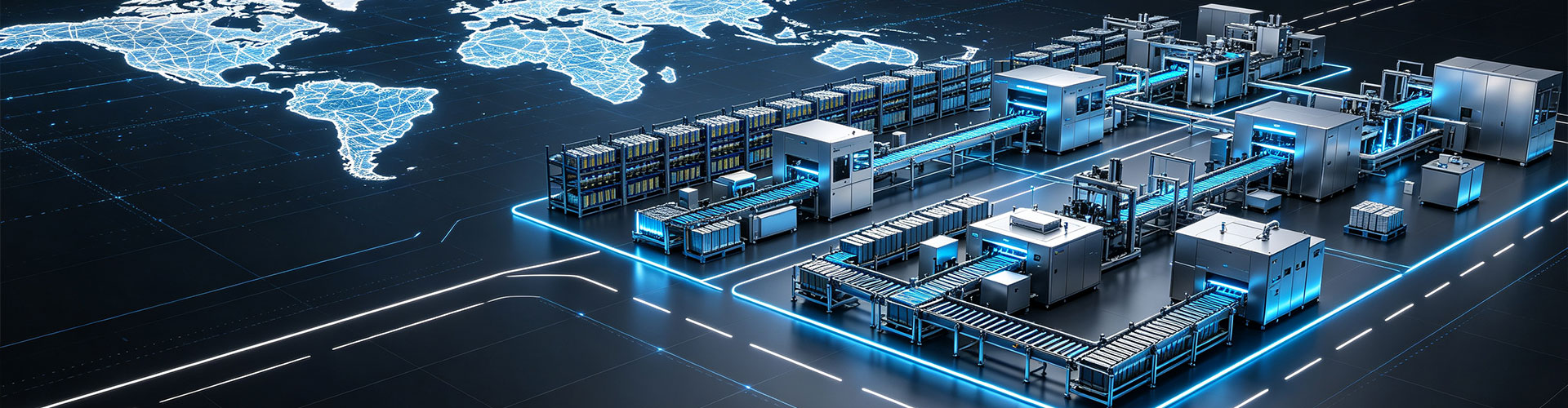
The quality of a lead-carbon battery directly depends on the accuracy of dosing of carbon additives and the uniformity of their distribution in the active mass. Nanjing Qiantan Energy Storage Technologies LLC implements a full technological production cycle. This includes in-house mesh fabrication, automated assembly lines and battery forming systems.
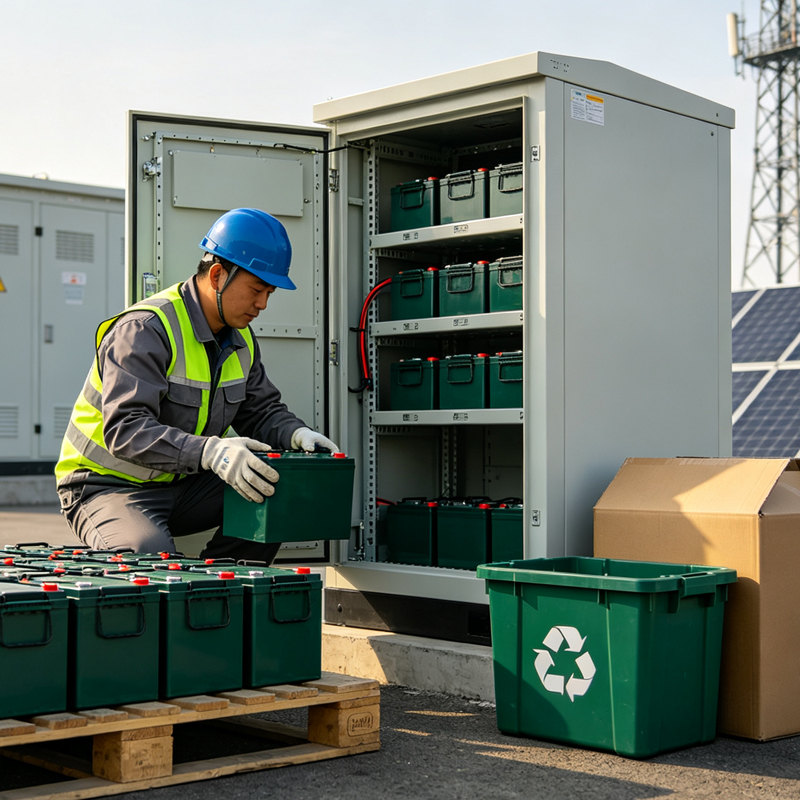
Particular attention is paid to the environmental component. The company has a specialized workshop for recycling used lead-acid batteries, which ensures a closed cycle of lead use and reduces the carbon footprint of products. This approach meets modern international requirements for sustainable development and attracts partners from Europe and Asia committed to green supply chains.
The competencies of the team, which worked in the world's leading new energy corporations, allow us to adapt products to local conditions. For example, solutions are offered for the Russian market that are resistant to extremely low temperatures, and for regions with hot climates (Iran, Pakistan) - batteries with enhanced thermal stability of separators.
Recommendations for selection and purchase
When planning the procurement of lead-carbon batteries for industrial applications, technical directors and suppliers should consider the following aspects:
- Checking real cyclic resistance.Request test reports according to IEC or GOST standards. Pay attention not only to the stated number of cycles, but also to the depth of discharge (DoD) at which they are achieved.
- Charger compatible.Although lead-carbon batteries are compatible with standard lead chargers, using charge profiles optimized for carbon additives can further extend life.
- Warranty conditions.Check the warranty conditions for cyclic use. Many manufacturers provide a guarantee only for the buffer standby mode, while for renewable energy sources and traction special conditions are needed.
- Logistics and packaging.Batteries are classified as dangerous goods. Make sure that the manufacturer has export experience and provides all the necessary certificates (UN3838, etc.) for transportation.
Nanjing Qiantan Energy Storage Technologies LLC offers not just the supply of goods, but comprehensive service support, including on-site engineering support and adaptation of solutions for specific projects. The presence of warehouses and partner networks in Russia, Turkey and the CIS countries allows us to reduce delivery times and simplify customs clearance.
Frequently asked questions (FAQ)
Question: Is it possible to replace regular lead batteries with lead-carbon batteries without replacing the charger?
Answer: In most cases, yes. Lead-carbon batteries have similar voltage profiles. However, to maximize the potential (especially charging speed), it is recommended to configure the charger to a higher current or use specialized charging algorithms.
Question: Does low temperature affect the performance of a lead-carbon battery?
Answer: Yes, like any lead batteries, they lose capacity in the cold. However, due to their low internal resistance, they retain the ability to deliver high currents at subzero temperatures better than standard AGMs. For extreme conditions, it is recommended to use thermal insulation or heating.
Question: What is the actual service life of a lead-carbon battery in UPS mode?
Answer: In buffer mode (constant recharging), the service life can reach 10–12 years. In cyclic mode (regular discharges) it depends on the depth of discharge, but is usually 2-3 times higher than conventional batteries, amounting to 5-7 years under moderate loads.
Question: Do lead carbon batteries require special maintenance?
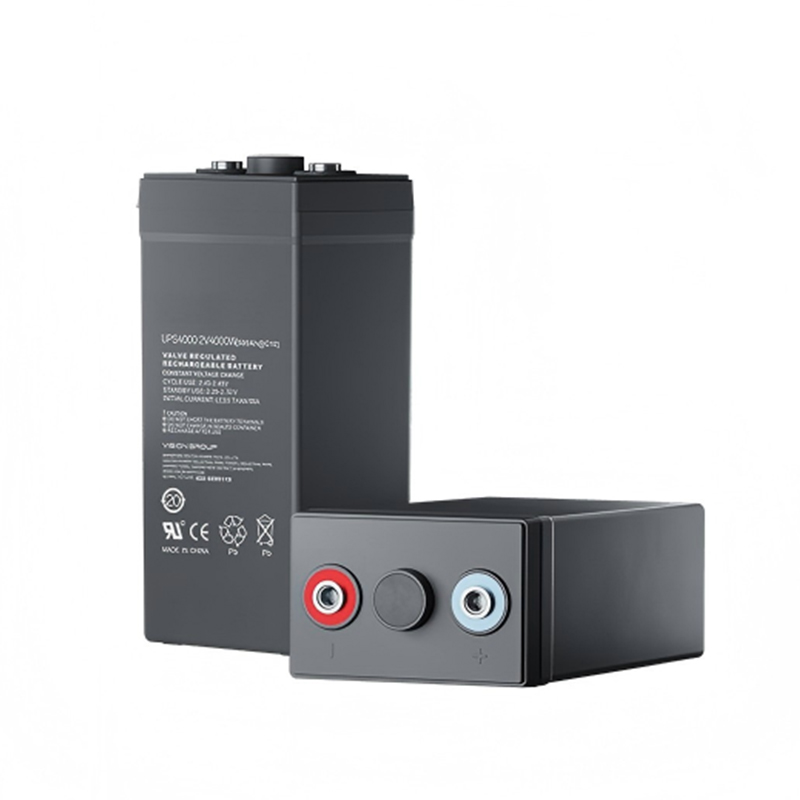
Answer: No, they are VRLA. It is enough to periodically check the voltage at the terminals and keep the batteries clean. No need to add water makes them convenient for remote sites.
Question: Why is the price of lead carbon battery higher than normal battery but lower than lithium battery?
Answer: The technology uses a cheap and available raw material (lead), but adds value through complex carbon materials and more stringent production controls. This creates a product with performance similar to lithium, but at a price that is affordable for mass industrial use.
Conclusion and next step
The lead-carbon battery is a mature technology solution for modernizing energy systems without radically changing infrastructure. They offer the reliability of lead and performance similar to lithium, making them an ideal choice for industrial UPS, solar power and electric vehicles.
To receive a detailed calculation of the batch cost, select the optimal battery configuration for your technical requirements, or advice on integration into existing systems, contact the technical specialists of Nanjing Qiantan Energy Storage Technologies LLC. We are ready to provide samples for testing and develop an individual proposal taking into account the specifics of your project.
Check out our full catalogbattery solutions and technical specificationsto select the appropriate equipment series.