

Industrial lead-acid battery: prices from the manufacturer
2026-09-14
- Industrial lead-acid battery: pricing factors and choosing a reliable supplier
- Classification of industrial batteries and their impact on the budget
- Technical parameters that determine cost
- Technology comparison: AGM vs GEL (OPzV) for industrial applications
- Real industrial application scenarios
- How to choose a supplier: criteria for assessing reliability
- Frequently asked questions (FAQ)
- Conclusion and recommendations on procurement
Industrial lead-acid battery: pricing factors and choosing a reliable supplier
The cost of an industrial lead-acid battery is not a fixed value and depends on a complex set of technical, economic and logistical parameters. Given the volatility of the raw material market and changes in requirements for energy efficiency of industrial facilities in 2026, the purchase of energy storage systems requires an in-depth feasibility study. A key misconception when purchasing is to focus solely on price per ampere hour (Ah). In practice, the total cost of ownership (TCO) is determined by the cycle life, resistance to deep discharges, temperature conditions of operation and the quality of service support.
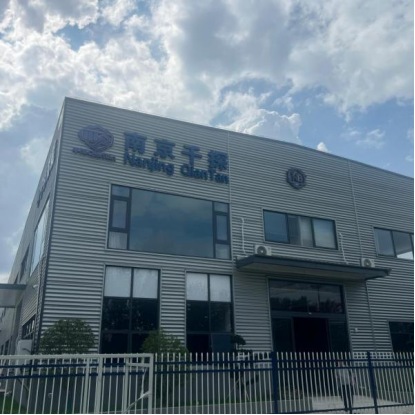
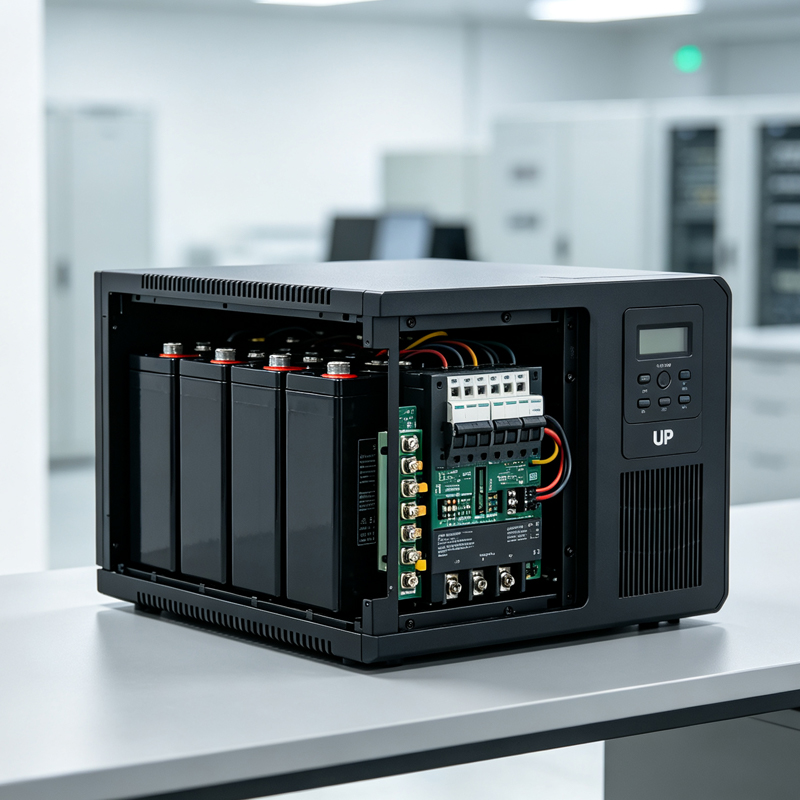
It is critical for engineers and procurement professionals to understand pricing structures.Industrial lead acid batteryis a high-tech product where the price is determined not only by the mass of lead, but also by the complexity of the lattice structure, the composition of the active mass, the type of separator and the tightness of the housing. Nanjing Qiantan Energy Storage Technologies LLC, having more than 30 years of experience in the industry and implementing projects in Russia, Iran, Turkey and other countries, applies a full cycle approach: from designing production lines to delivering certified products. This allows you to optimize costs without sacrificing reliability, offering solutions tailored to specific operating conditions.
Cost structure: what makes up the price of a battery
Understanding the cost components helps you avoid choosing low-quality alternatives. The main cost items in the production of industrial batteries include:
- Raw materials (60–70% of cost):The main share comes from lead (cathode and anode alloy), highly purified sulfuric acid, polypropylene for housings and separators (AGM or gel matrices). Fluctuations in exchange prices for lead directly affect the manufacturer's selling price.
- Production processes and equipment:The use of automated assembly lines, vacuum electrolyte filling and wafer quality control requires significant capital expenditure. Nanjing Qiantan LLC invests in advanced grid manufacturing and battery forming equipment to ensure consistency from batch to batch.
- Engineering and R&D:Creating alloy formulations that are resistant to corrosion at high temperatures, or developing tubular plates for long service life (OPzV, CL 2V series) requires the participation of highly qualified specialists.
- Logistics and certification:Industrial batteries are classified as dangerous goods (Class 8). Transportation, especially international, requires special packaging, documentation and compliance with EAC, IEC, GOST standards. These costs are inevitable and must be taken into account in the project budget.
Classification of industrial batteries and their impact on the budget
The choice of technology determines not only the initial price, but also the payback period of the investment. There are several main types of lead-acid batteries on the market, each with its own niche application and price range.
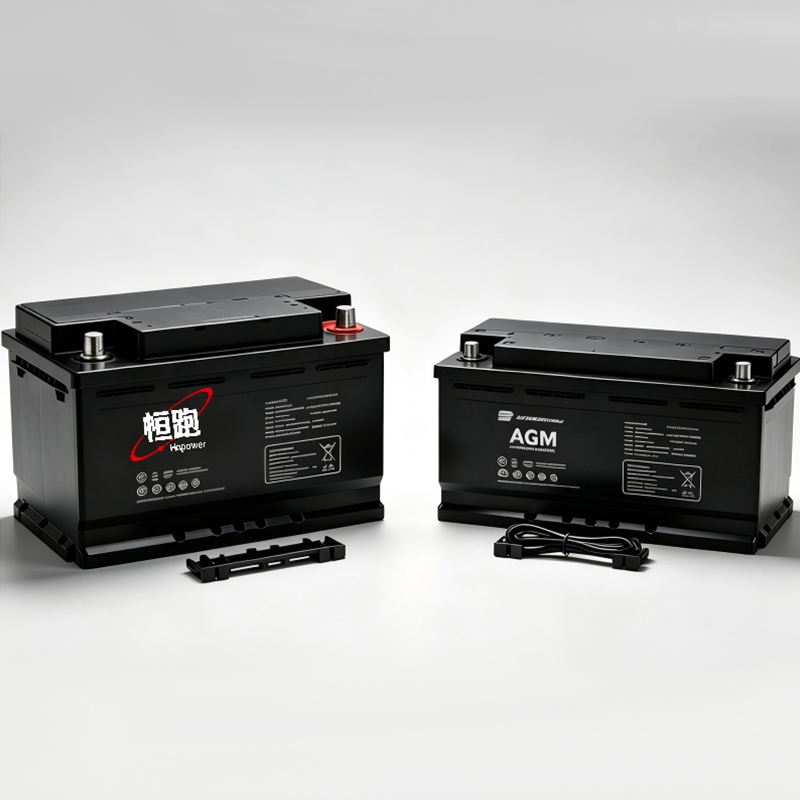
1. AGM technology (Absorbent Glass Mat)
Absorbed electrolyte batteries, where the acid is held in fiberglass mats. They are sealed, maintenance-free and have low internal resistance.
- Application:UPS (uninterruptible power supplies), telecommunication equipment, fire alarm systems, short-term inrush currents.
- Price segment:Average. Optimal price/power ratio for backup modes.
- Features:Sensitive to overheating. At temperatures above 25°C the service life is reduced exponentially. Not recommended for deep cyclic discharges greater than 50%.
2. Gel batteries (GEL, OPzV)
The electrolyte is thickened to a gel state using silicon dioxide. OPzV (tubular plate, valve-regulated) technology uses tubular positive plates, which significantly increases the cyclic life.
- Application:Solar power plants, wind generation, traction equipment (forklifts, electric vehicles), autonomous power supply systems with deep discharges.
- Price segment:Tall. The price is higher than AGM, but the cycle life can be 2-3 times longer.
- Features:They tolerate deep discharges and high temperatures better. They accept a charge more slowly, which requires adjusting the chargers.
3. Stationary lead-acid batteries (CP, CL 2V series)
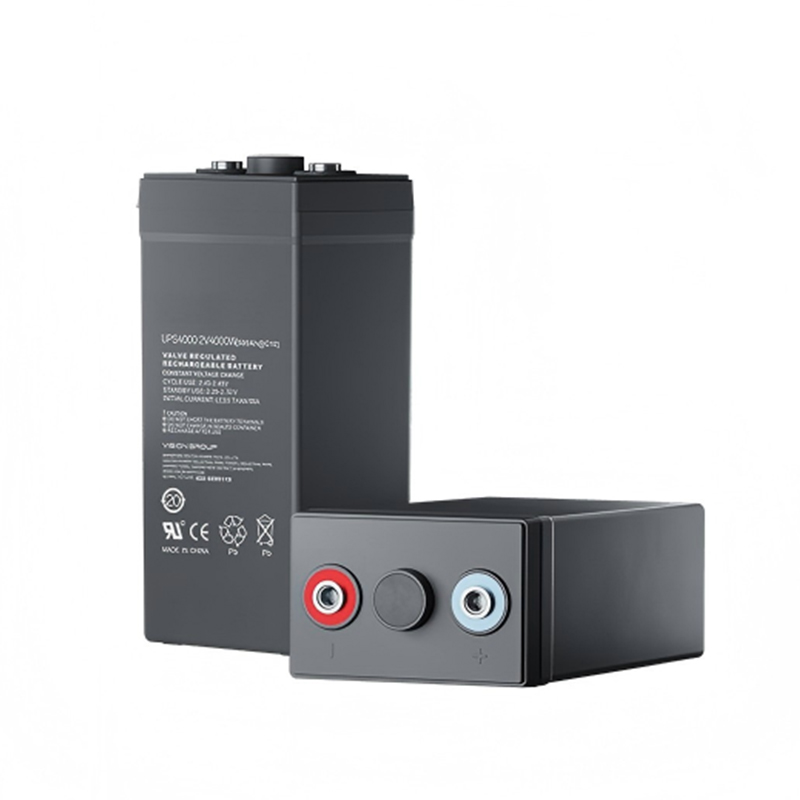
Monoblocks 2V, designed for series connection to high voltage batteries (48V, 110V, 220V). Tubular plate or reinforced grid technology is often used.
- Application:Large data centers (data processing centers), oil and gas industry, railway automation, energy substations.
- Price segment:Premium Provide a service life of up to 15–20 years in buffer mode.
- Features:Highest reliability and uniformity of characteristics. Requires professional installation and balancing.
Technical parameters that determine cost
When requesting a quote, it is important to indicate not only the capacity, but also the discharge mode. The same battery will have a different effective capacity and therefore a different required configuration depending on the load.
| Parameter | Impact on price and performance | Recommendations for selection |
|---|---|---|
| Capacity (C10, C20, C100) | The rated capacity is specified for a specific discharge time. The faster the discharge (for example, 1 hour), the less actual energy output. High current batteries require thicker plates and more active material. | For UPSs with a short autonomy time (15–30 min), choose batteries optimized for high discharge currents (HFS, CT series). For long-term operation - standard series. |
| Cyclic resource | The number of charge-discharge cycles until the capacity is reduced to 80%. Depends on depth of discharge (DoD). Gel OPzVs withstand more cycles at 80% DoD than AGMs. | For solar systems with daily cycles, the savings on the initial AGM price will result in battery replacement in 2-3 years. Gel batteries will pay for themselves due to their long service life. |
| Temperature range | Standard batteries are rated for 20-25°C. High temperature versions use special grille alloys that are corrosion resistant at 35–40°C. | If the room is not air-conditioned (for example, container solutions or the hot climate of the Russian Federation/Asia), specialized high-temperature batteries are required. Conventional batteries degrade in such conditions within 1–2 years. |
| Internal resistance | Low resistance ensures high short circuit power and charging efficiency. Depends on the design of the current collectors and the quality of assembly. | Critical for UPS and starting systems. Check datasheet data for compliance with IEC 60896 standards. |
Technology comparison: AGM vs GEL (OPzV) for industrial applications
The choice between AGM and GEL often raises questions among buyers. Below is a comparison for typical industrial scenarios.
| Criterion | AGM (Absorbent Glass Mat) | GEL/OPzV (Tubular Gel) |
|---|---|---|
| Initial cost | 20–30% lower | Higher |
| Service life (buffer mode) | 5–7 years | 10–15 years or more |
| Cyclic resource (DoD 50%) | 300–500 cycles | 1200–1500 cycles |
| Deep discharge resistance | Low. Deep discharge irreversibly damages the plates. | High. The design of the tubular plates is resistant to shedding of the active mass. |
| Charger requirements | Standard requirements. Fast charge acceptance. | Fine adjustment of charging voltage is required. Risk of gas evolution during overcharging. |
| Recommended Application | UPS, backup power, starter systems. | RES (solar/wind), traction applications, frequent discharge cycles. |
Engineering opinion:In projects where power outages lasting more than a few hours are possible, the use of AGM batteries is not economically justified due to rapid degradation. In such cases, investing in OPzV series gel batteries from Nanjing Qiantan LLC provides a 40% reduction in total cost of ownership over a five-year period.
Real industrial application scenarios
Let's look at two specific examples that illustrate the importance of choosing the right battery type.
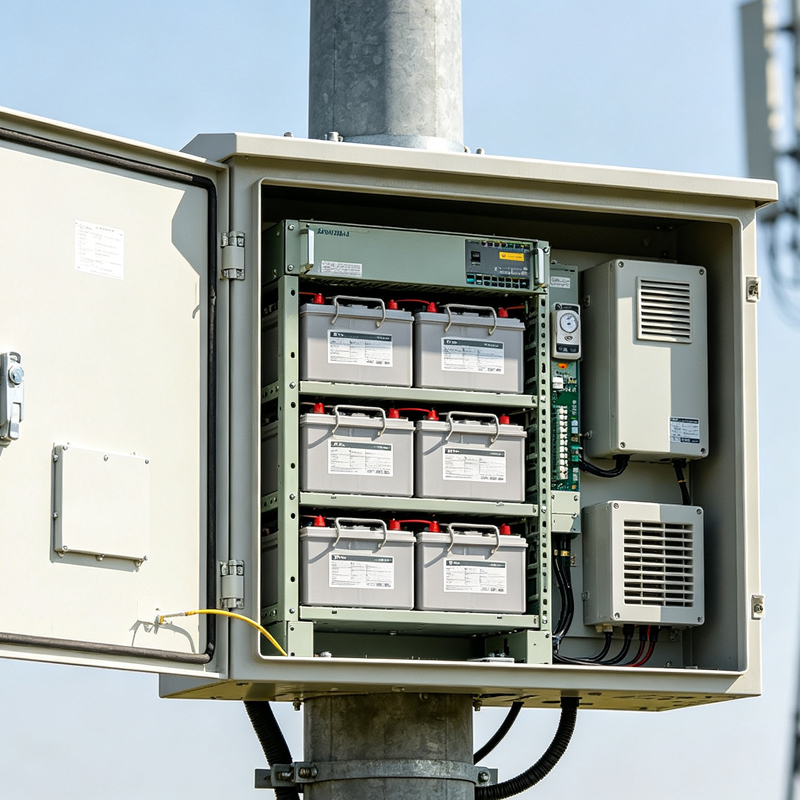
Scenario 1: Backup power system for a telecommunications tower in Siberia
Conditions:Temperatures in winter up to -40°C, in summer up to +30°C. Lack of constant maintenance. Uptime is critical.
Problem:Standard AGM batteries lose up to 50% of their capacity at low temperatures, and with frequent temperature fluctuations they quickly fail due to grid corrosion.
Solution:Use of specialized stationary batteries of the CP series or high-temperature versions with thermal charge compensation. Nanjing Qiantan LLC offers solutions with reinforced housings and additives to the grid alloy that increase corrosion resistance. It is also important to use heated ovens, but the batteries themselves must have a safety margin.
Result:Stable communication operation for 7–10 years without replacing the battery pack.
Scenario 2: Traction battery for warehouse forklift
Conditions:Two shifts of work, intense discharges up to 80%, the need for quick recharging during breaks.
Problem:Automotive or conventional AGM batteries do not withstand vibration and deep discharges, crumbling within 6–8 months.
Solution:Use EV series lead acid traction batteries or front terminal gel batteries (HFS/CT series for ease of service). Tubular plate construction (if applicable) or reinforced grids provide mechanical strength.
Result:The battery life is 3-5 years, which is the same as the depreciation life of the forklift. Reduced equipment downtime.
How to choose a supplier: criteria for assessing reliability
The market is saturated with offers, but not all manufacturers are able to provide the declared characteristics. When choosing a partner for deliveryindustrial lead acid batteriesPlease pay attention to the following aspects:
- Completeness of the production cycle:Companies that only assemble batteries from purchased wafers have less control over the quality of the raw materials. Nanjing Qiantan Energy Accumulation Technologies LLC carries out a full cycle: from casting gratings and applying active mass to assembly and formation. This guarantees product uniformity.
- Availability of our own laboratories and tests:The supplier must provide test reports for each batch (incoming inspection of raw materials, output testing for capacitance and internal resistance).
- Experience in implementing projects in your region:The climatic conditions of Russia, Central Asia and the Middle East are specific. The company's experience in these regions (projects in Russia, Iran, Kazakhstan, etc.) confirms the adaptability of the products.
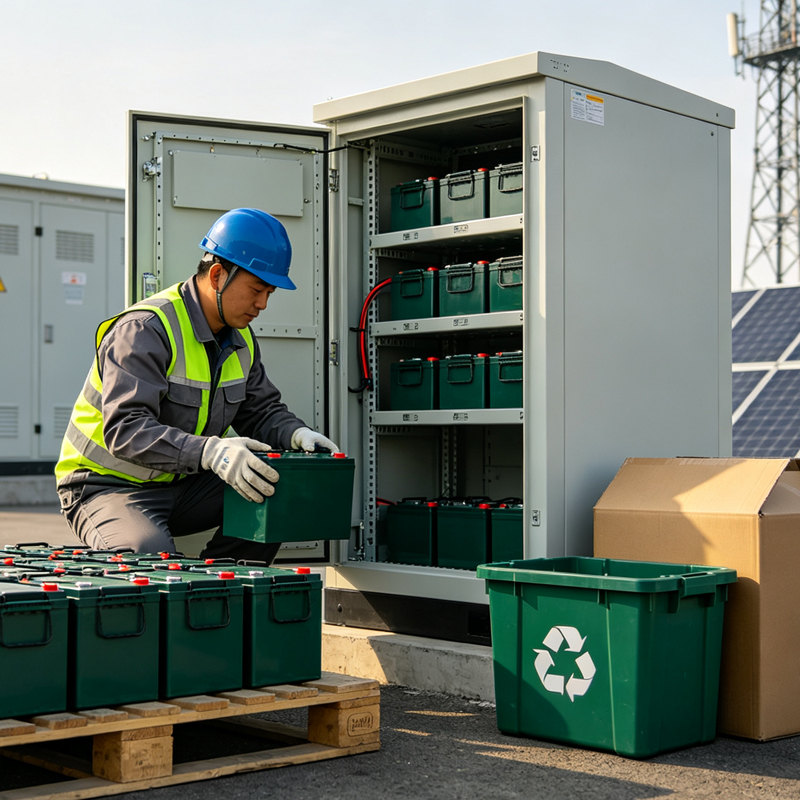
- Environmental responsibility:The presence of its own waste battery recycling workshop indicates the company’s maturity and compliance with the principles of sustainable development. This also reduces the risk of future environmental fines for partners.
- Technical support:Possibility of obtaining consultations on the calculation of battery cabinets, selection of chargers and installation.
Frequently asked questions (FAQ)
1. Why do industrial lead acid battery prices change every month?
The main reason is fluctuations in exchange prices for lead, which accounts for up to 70% of the cost of a battery. The price is also affected by exchange rates, logistics costs and seasonal demand. For large projects, it is recommended to fix the price in the contract or use a formula for linking to stock indices.
2. Is it possible to mix batteries from different manufacturers in one battery?
Strongly not recommended. Differences in internal resistance and capacity of even new batteries from different manufacturers (or different batches of the same manufacturer) will lead to uneven charging and discharging. This will cause premature failure of the entire chain. Always use batteries of the same model, same date, and from the same supplier.
3. What is the service life of industrial batteries from Nanjing Qiantan LLC?
Service life depends on battery type and operating conditions. Buffer AGM batteries last 5-7 years, gel OPzV - 10-15 years, tubular stationary batteries (CL 2V) - up to 20 years. In cyclic use, the life is measured by the number of cycles (for example, 1200 cycles at 50% discharge for gel batteries). Exact data is indicated in the technical data sheets of specific series.
4. What is the difference between HFS and CT series batteries?
The HFS and CT series are high power front terminal solutions designed for ease of installation in rack systems and high discharge currents. They are often used in modern data centers and high-power UPS systems. Front-mounted terminals make it easy to service and monitor the voltage on each AIO.
5. How to properly dispose of industrial batteries?
Lead-acid batteries are subject to mandatory recycling. Nanjing Qiantan LLC has a specialized environmentally friendly processing workshop, which allows partners to participate in a closed cycle. Disposal through uncertified organizations is prohibited by law in most countries and carries environmental risks.
Conclusion and recommendations on procurement
Choiceindustrial lead acid batteryis a strategic decision that affects the reliability of the entire facility. Savings at the procurement stage often lead to a multiple increase in replacement costs and equipment downtime. The engineering approach requires an analysis of not only the initial price, but also the total cost of ownership, taking into account service life, durability and maintenance costs.
Nanjing Qiantan Energy Storage Technologies LLC offers an integrated approach: from auditing the facility’s needs to supplying certified solutions (EV, OPzV, CG, HFS, CT, 1S, CP, CL 2V series) and subsequent service support. Thanks to the team’s 30 years of experience and our own full production cycle, we provide stable quality and competitive prices for partners in Russia, Asia and Europe.
To receive a technical calculation, specification and current price list for industrial batteries adapted to your needs, contact our engineers.