
Used communication battery: price and disposal
2026-09-29
- Waste communication battery: economic value and technical aspects of recycling
- Factors in determining the price of used batteries
- Technological recycling process: from dismantling to secondary raw materials
- Legal regulations and environmental requirements in 2026
- Comparative analysis of options for disposing of used batteries
- An engineering view: when to change and when to restore?
- Specifics of recycling in different climatic zones
- How to choose a recycling partner: checklist for the buyer
- FAQ: Frequently Asked Questions about Communication Battery Recycling
- Conclusion and recommendations
Waste communication battery: economic value and technical aspects of recycling
In the telecommunications infrastructure of 2026, the issue of handling failed power supplies is no longer just an environmental issue, but has become an important element of operational economics.Used communication batteryis a valuable secondary resource containing significant amounts of lead, plastic and electrolyte, but improper storage or dismantling can result in significant financial losses and regulatory fines. Understanding the true market value of these batteries, as well as their recycling processes, is critical for CTOs, purchasers and network maintainers.
The market for recycling lead-acid batteries (VRLA, AGM, Gel) is strictly regulated. The price offered for used batteries directly depends on the remaining capacity, the condition of the case, the type of technology and current stock market quotes for lead. At the same time, the process of handing over batteries requires compliance with regulations for the transportation of dangerous goods and the presence of licensed partners. Companies such as Nanjing Qiantan Energy Storage Technology Co., Ltd. are demonstrating a full-cycle approach, where recycling is not an end point, but part of a closed production chain that feeds raw materials back into the production of new high-quality CP and CL series batteries.
Factors in determining the price of used batteries
Cost estimatewaste battery for communicationis not a linear process. Recyclables buyers use complex formulas that take into account many variables. It is important for engineers and purchasers to understand what the bottom line is to optimize the budget for battery fleet replacement.
1. Market value of lead
Lead makes up up to 60-70% of the weight of a standard lead-acid battery. Therefore, the basic recycling price is strictly tied to global and local prices for this metal. During periods of increased demand for lead in the automotive and construction industries, the price of disposing of old batteries increases. However, it is worth considering that the processing plant will never pay 100% of the exchange price, since it is necessary to cover the costs of logistics, energy consumption of the smelting furnaces and purification of impurities.
2. Type of technology and design
Not all batteries are the same in terms of the content of useful raw materials:
- Traditional liquid acid batteries:They have a high percentage of lead gratings and separators. Easily crushed and separated.
- AGM (Absorbent Glass Mat):They contain fiberglass mats that require additional processing when separating fractions. The price may be slightly lower due to the complexity of recycling the separator.
- Gel:The electrolyte is in a thickened state. Processing the gel requires specific chemical neutralizers, which can affect the final price depending on the capacity of the processing plant.
- OPzV and tubular batteries (CL series):Often have thicker lead plates and stronger casings. Due to their high pure lead content and durable design, they are often rated higher than standard starter batteries.
3. Physical condition and integrity
A complete battery with an intact case is valued higher. Broken housings lead to electrolyte leakage, which creates health risks for workers and requires additional costs to neutralize the acid. In addition, if damaged, some of the lead scrap may be lost or become contaminated with soil, which reduces the class of recyclable materials.
4. Lot size and logistics
For industrial communications facilities such as cellular base stations or ISP headquarters, volume is critical. Wholesale quantities allow you to optimize logistics costs. Transporting individual units is not economically feasible due to strict packaging requirements for dangerous goods.
Technological recycling process: from dismantling to secondary raw materials
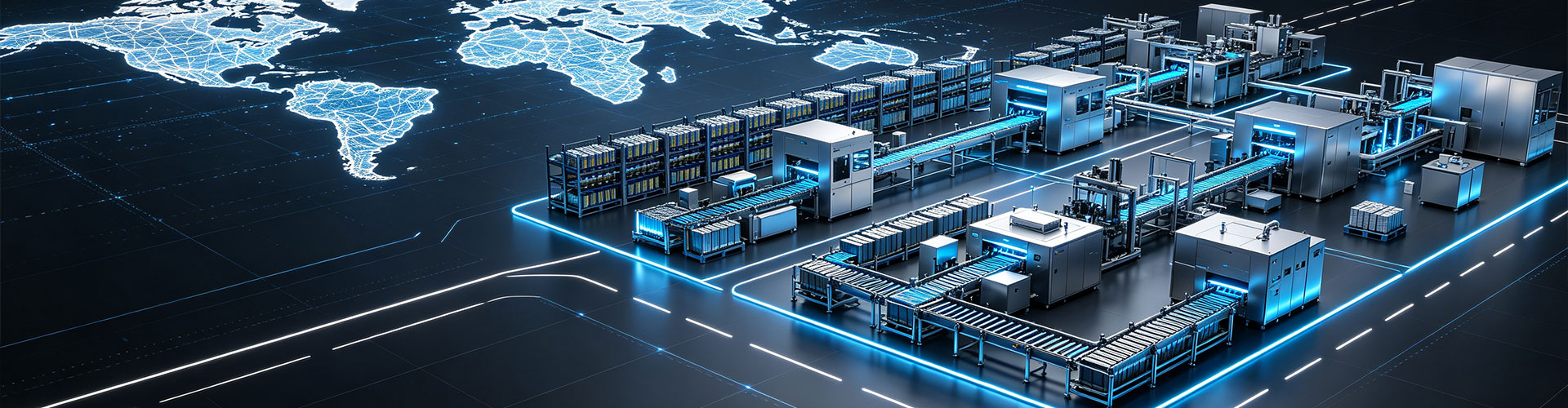
Professional recycling is a high-tech process that eliminates simple burial or artisanal melting, which is harmful to the environment. Modern factories, including facilities integrated into the structure of Nanjing Qiantan Energy Storage Technologies LLC, use automated lines that ensure recovery of up to 98-99% of materials.
Stage 1: Reception and sorting
At the first stage, a visual inspection and weighing takes place. Batteries are sorted by type (starter, traction, stationary) and condition. An important step is to check for foreign objects and assess the risk of electrolyte leakage. At this stage, a preliminary scrap quality category is determined.
Stage 2: Crushing and separation
The batteries are fed into crushing plants, where they are crushed into small fragments. The resulting mass enters the hydraulic separators. Due to the difference in the density of the materials, there is a division into three main fractions:
- Lead paste and gratings:They settle to the bottom. This is the most valuable part, containing lead oxides and metallic lead.
- Polypropylene (housings and separators):Floats to the surface. The plastic is washed from acid residues and sent to granulation for reuse in the production of new housings.
- Electrolyte (acid):It is filtered and neutralized with special reagents or purified to the level of technical acid suitable for reuse in industry.
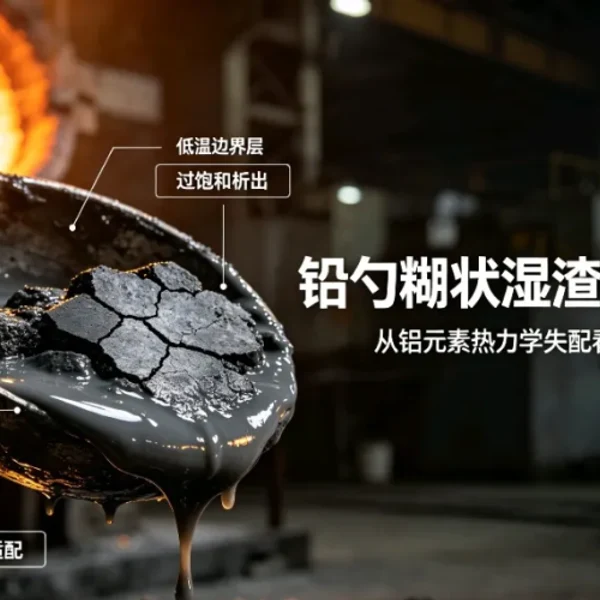
Stage 3: Melting and refining
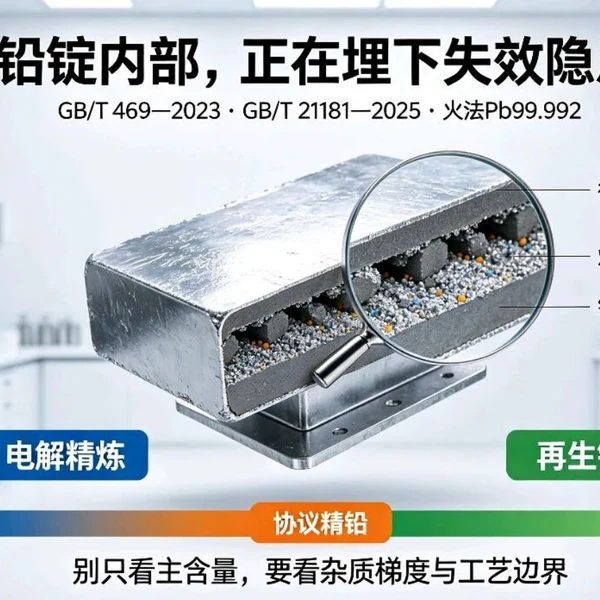
The lead fraction is sent to smelting furnaces. At temperatures above 1000°C, lead turns into a liquid state. The most important stage is refining - removing impurities (copper, antimony, tin) to obtain lead of the required purity. New telecom batteries, such as the stationary CP series or the tubular CL 2V series, require high purity lead as impurities accelerate grid corrosion and reduce product life.
Stage 4: Production of new products
Recycled lead and recovered plastic are returned to the production cycle. This is where the advantage of full-cycle companies such as Nanjing Qiantan Energy Storage Technology LLC comes into play. Having our own environmentally friendly processing workshop allows us to control the quality of incoming raw materials for new batteries, reducing production costs and minimizing our environmental footprint.
Legal regulations and environmental requirements in 2026
The management of waste of hazard classes I-IV, which includes lead batteries, is strictly regulated by law. Violation of recycling rules entails serious fines and suspension of business operations.
Key requirements for organizations operating telecommunications equipment:
- Licensing:Collection, transportation and disposal must be carried out by companies that have appropriate licenses from Rosprirodnadzor (in the Russian Federation) or similar authorities in other countries of presence.
- Waste certification:Each batch of used batteries must be accompanied by a hazardous waste passport.
- Agreement with the processor:The enterprise must have a valid contract with a licensed recycling plant. Transferring batteries to “gray” intermediaries is unacceptable.
- Reporting:It is necessary to keep a log of waste generation and movement, providing reports to regulatory authorities.
Engineering practice shows that many companies encounter problems during audits precisely because of the lack of correct disposal documents. Choosing a partner such as Nanjing Qiantan Energy Storage Technology LLC, which provides a transparent documentary chain from dismantling to recycling, reduces the customer’s legal risks.
Comparative analysis of options for disposing of used batteries
When planning budgets for telecom network maintenance, technicians are often faced with deciding how to dispose of old batteries. Below is a comparison of the main approaches.
| Criterion | Delivery to a licensed processor | Sale to private buyers | Accumulation in the enterprise warehouse |
|---|---|---|---|
| Return price | Average, fixed by contract. Depends on the volume and rate of lead. | It may be 5-10% higher “in hand”, but without documents. | Absent. Additional costs for renting space. |
| Legal security | High.Disposal acts are provided that cover reporting issues. | Zero.Risk of fines for illegal transfer of hazardous waste. | Low.Risk of fines for exceeding accumulation limits and violating storage conditions. |
| Environmental responsibility | Full compliance with regulations. Control of emissions and discharges. | High risk of soil and water pollution using artisanal methods. | Risk of electrolyte leaks and degradation of housings over time. |
| Logistics | Organized removal by special transport. | Unauthorized removal, often in violation of the rules for the transportation of dangerous goods. | Not required, but internal storage organization is required. |
Recommendation:For the corporate sector and government contracts, the only viable option is to work with licensed recyclers. Savings from “gray” schemes are not comparable to the risks of multimillion-dollar fines and reputational losses.
An engineering view: when to change and when to restore?
Not every battery that shows a decrease in capacity is irretrievably “wasted.” In the practice of operating telecommunication UPSs, the phenomenon of plate sulfation or electrolyte stratification is often encountered, which can be partially compensated.
However, there is a clear limit after which exploitation becomes dangerous:
- Body swelling:Indicates thermal runaway or electrolyte freezing. This battery must be disposed of immediately.
- Electrolyte leak:Corrosion of the terminals and smudges on the case make the battery unsuitable for further operation in server rooms.
- Capacity drop below 80%:According to communications industry standards, a battery that has lost more than 20% of its rated capacity is considered exhausted. Its use in critical network nodes is unacceptable.
Engineering experience suggests that an attempt to “reanimate” deeply degraded gel or AGM batteries most often leads to failure of UPS chargers due to uncontrolled charging current. In such cases, it makes more economic sense to hand over the old unit aswaste battery for communicationand invest in new solutions such as high temperature batteries or front terminal battery (HFS, CT) series offered by Nanjing Qiantan Energy Storage Technology Co.,Ltd.
Specifics of recycling in different climatic zones
The geography of presence of telecommunication networks covers regions with different climatic conditions, which affects the condition of used batteries and the logistics of their removal.
Cold climate (Russia, Northern Europe)
Low temperatures lead to brittleness of polypropylene housings. When dismantling in winter, there is a high risk of batteries breaking, which complicates transportation. Requires the use of insulated containers and rapid delivery to a warm warehouse of the processor. In addition, in cold climates, batteries are more likely to fail due to electrolyte freezing in a discharged state, which increases the volume of scrap with damaged cases.
Hot climate (Iran, Pakistan, Vietnam)
High temperatures accelerate grid corrosion and moisture evaporation (even in maintenance-free batteries). Batteries that have expired under such conditions often have increased internal resistance and altered electrolyte chemistry. Logistics in hot regions requires special attention to vehicle ventilation to avoid the accumulation of gases released by damaged components.
Nanjing Qiantan Energy Storage Technologies LLC, having experience in implementing projects in Russia, Iran, Vietnam and other countries, adapts recycling logistics schemes to local climatic and regulatory requirements, ensuring uninterrupted decommissioning of old equipment.
How to choose a recycling partner: checklist for the buyer
The choice of a company for the disposal of used batteries should be based not only on the price per kilogram, but also on the reliability of the service. Here are the key points to check:
- Availability of a valid license:Request a copy of the license for waste management activities of I-IV hazard classes. Check its validity period.
- Technical capabilities:Check whether the company is a direct processor or just an intermediary. A direct contract with the plant (as is the case with Nanjing Qiantan LLC's own processing workshop) usually guarantees price stability and transparency of processes.
- Logistics support:Is the partner capable of organizing the removal of large shipments from remote base stations? Do they have specialized vehicles for transporting dangerous goods?
- Document flow:Do they provide a full package of closing documents (transfer and acceptance certificates, disposal certificates) within the time limits agreed upon in the contract?
- Environmental reputation:Does the company have environmental management certifications (eg ISO 14001)? This indicates a systematic approach to environmental protection.
FAQ: Frequently Asked Questions about Communication Battery Recycling
What is the average price for 1 kg of used battery in 2026?
The price varies depending on the market value of lead and the region. On average, refineries offer prices equivalent to 40-60% of the cost of virgin lead minus processing costs. The exact figure is calculated individually for each batch based on sample analysis and the current rate of metals.
Is it possible to store used batteries on the premises of the enterprise?
Yes, but with restrictions. Storage should be carried out in special areas with an impermeable coating to prevent electrolyte from getting into the soil. The period of waste accumulation is limited by regulations (usually no more than 6-11 months depending on the hazard class and limits). Exceeding the storage period or volume is a violation.
What to do with batteries that leak?
Leaking batteries pose the greatest danger. They should be isolated immediately, placed in sealed, acid-resistant plastic containers and labeled as damaged. When handing it over to a recycler, be sure to inform them about the presence of such batteries, as they require special conditions for transportation and processing.
Does the battery brand affect the recycling price?
For the processor, the brand is not of fundamental importance; the mass fraction of lead and the type of construction (AGM, Gel, liquid acid) are important. However, well-known brands (such as products manufactured under the supervision of Nanjing Qiantan Energy Storage Technology Co., Ltd.) often have a standardized design, which facilitates automated processing and can have a positive effect on batch evaluation at large volumes.
How does recycling relate to buying new batteries?
Many suppliers, including Nanjing Qiantan Energy Storage Technology LLC, offer trade-in programs or comprehensive service contracts. Under such agreements, the cost of recycling old batteries can be offset against new supplies, simplifying accounting and ensuring continuity of power supply to communications facilities.
Conclusion and recommendations
Lifecycle management of batteries for communications systems requires a balance between cost-effectiveness and environmental responsibility.Used communication battery- this is not garbage, but a valuable raw material that must be returned to the production cycle. Proper organization of the recycling process allows enterprises not only to comply with strict legal regulations, but also to partially offset the costs of updating their battery fleet.
From an engineering perspective, timing of replacement is key. Operating batteries beyond their designed service life increases the risk of emergency shutdown of equipment and increases the costs of subsequent liquidation of the consequences of leaks.
To ensure the reliability of your energy infrastructure and the safe disposal of waste elements, it is recommended to turn to partners with a full range of competencies. Nanjing Qiantan Energy Storage Technology LLC offers an integrated approach: from the supply of modern lead-acid batteries of the EV, OPzV, CG, HFS, CT, 1S, CP and CL series to the organization of their environmentally friendly recycling. The company's global experience in Russia, Asia and the Middle East ensures compliance with local regulations and highly efficient processes.
For advice on selecting new battery solutions or organizing the removal of used batteries, check out ourproducts and technical solutions.